22 of the Best Himalayan Treks You Must Do In 2025

22 Best Himalayan Treks 2025 You Must Experience

The Himalayas provide some of the most incredible trekking experiences and 2025 is an best time to venture through these magnificent mountain ranges. This guide will cover 22 of the top Himalayan treks for adventurers of all experience levels; beginners just starting to experienced mountaineers looking for challenging treks.

Each trek was selected for its scenic beauty, accessibility and overall satisfaction. You’ll find options suitable for families with young children as well as solo trekkers or groups looking for adventure.

We have organized these treks according to difficulty level so you can find one that best meets your needs. From easy options like Nag Tibba Trek for newcomers, through intermediate treks that combine comfort with challenge (Kedarkantha/Brahmatal are particularly popular destinations), all the way up to more difficult treks only experienced trekkers should attempt.

The guide also details the best time of year to undertake each trek, helping you choose an itinerary according to weather patterns, snow cover levels and blooming flower blooms for maximum pleasure on your Himalayan adventure.

Easy Himalayan Treks Perfect for Beginners and Families

As first-timers venture into Himalayan trekking, selecting an appropriate trek can make all the difference in creating an enjoyable or unpleasant journey. These well-planned yet straightforward treks serve as best introductions to mountain activities that combine accessibility with stunning natural beauty.

Dayara Bugyal Trek: Vast Alpine Meadows and Best for Beginners

Altitude: 12,100 ft

Grade: Easy

Best Time: May–Jun, Sep–Oct, Dec–Feb (snow)

Dayara Bugyal Trek offers one of the easiest and friendliest ways to begin trekking in Himalayan region, featuring vast alpine meadows that extend for miles across rolling hills. This trek allows beginners to discover nature at high-altitude grasslands without facing technical challenges associated with more challenging treks; its smooth surface and well-marked treks make this best for families traveling with young children; while magnificent snow-capped mountains provide ample reward for any effort put forth on this adventure.

Nag Tibba Trek

Altitude: 9,915 ft

Grade: Easy

Best Time: Oct–Apr

Nag Tibba Commonly known as “Serpent’s Peak,” this walk offers stunning mountain vistas while remaining manageable for most trekkers. Trekkers will discover charming woodlands of oak and rhododendron – offering trekkers their first taste of Himalayan biodiversity. Thanks to its gradual ascent and well-defined routes, this trek can serve both weekend warriors as well as those looking for an easy introduction into more challenging mountain treks.

Deoriatal – Chandrashila Trek: Rhododendron Blooms and Bird Watching Paradise

Altitude: 12,083 ft

Grade: Easy–Moderate

Best Time: Mar–Jun, Sep–Dec

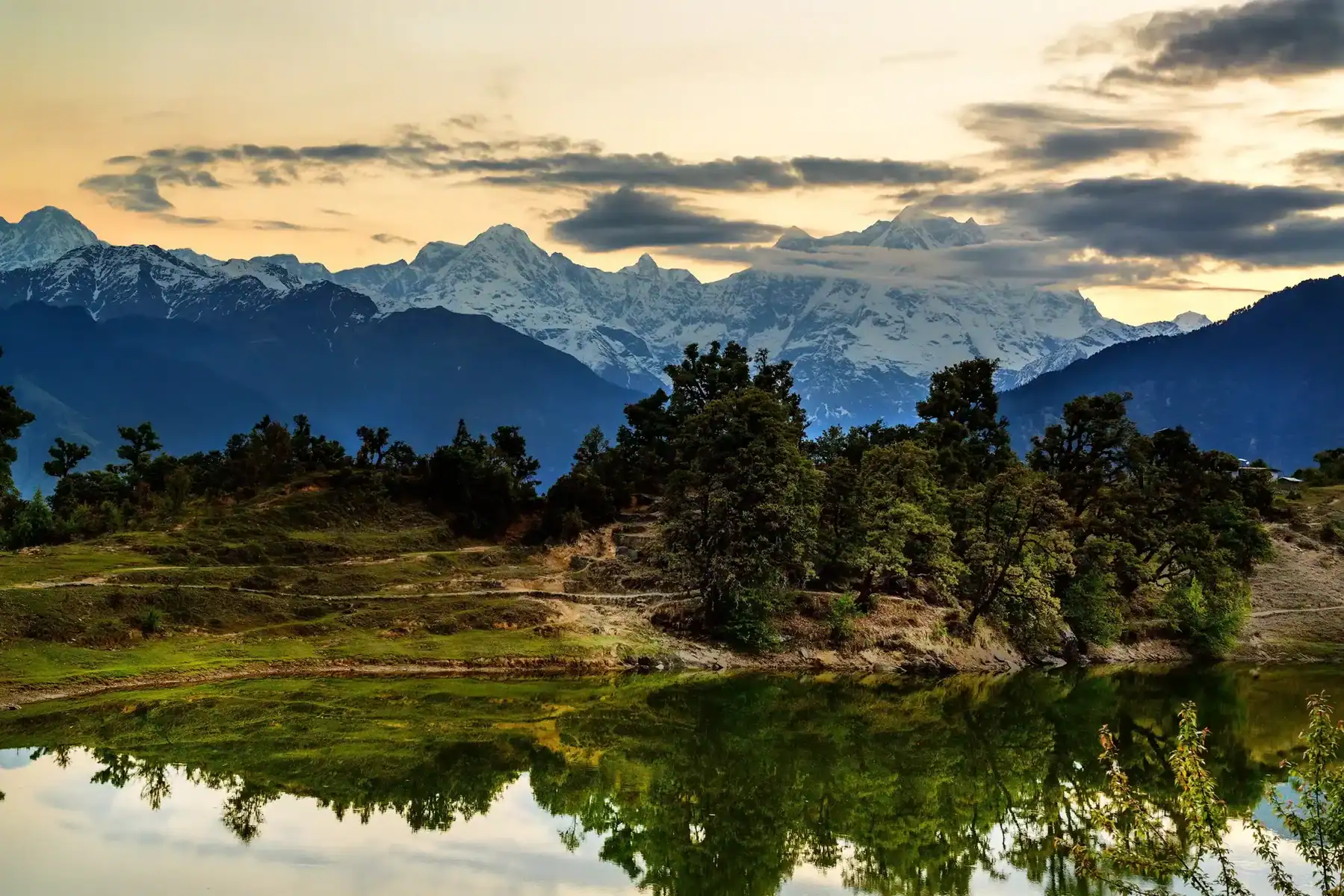
Deoriatal – Chandrashila Trek offers breathtaking beauty that blends tranquil alpine lakes with the vibrant display of blooming rhododendron trees in full bloom. Birdwatchers will appreciate its great opportunities for birding among diverse ecosystems along the trek; camping spots make this trek best for families wanting an enjoyable nature experience without physically taxing demands.

Tarsar Marsar Trek: Twin Alpine Lakes and Aru Valley Landscapes

Altitude: 12,500 ft

Grade: Moderate

Best Time: Jul–Sep

Tarsar Marsar Trek, Kashmir’s most accessible trek, features two stunning alpine lakes located in Aru Valley. This moderately easy trek provides beginners an opportunity to experience Kashmir’s distinct landscape: soft meadows, crystal clear mountain lakes and breathtaking valley views abound along its well-defined treks and moderate daily mileage make this trek perfect for anyone wanting Himalayan beauty without any technical difficulties.

Easy and moderate treks that combine comfort with adventure

Now that we have identified suitable beginner treks, let’s consider intermediate treks which offer the best balance between accessibility and mountain adventures. These moderately easy treks will deliver stunning Himalayan vistas while remaining accessible enough for newcomers looking to improve their trekking abilities.

Brahmatal Trek: Treks that offer snow-covered paths with Panorama Mountain Views

Altitude: 12,250 ft

Grade: Easy–Moderate

Best Time: Dec–Mar (snow trek)

The Brahmatal Trek is an incredible winter paradise, rising to 12,250 feet at its highest point. Along its route are beautiful views of Himalayan peaks such as Chaukhamba, Neelkanth Hathi Ghoda Trishul and Nanda Ghunti that provide stunning vistas throughout your trek.

What makes this trek especially attractive is its exceptional potential for solo trekkers, offering both adventure and security. Beginning December to February and continuing into April, snow transforms this trek into a breathtaking winter wonderland that makes this trek hard to match in its moderate-easy category.

Phulara Ridge Trek: offers unique ridge walking experience with breathtaking Himalayan vistas in all directions, featuring 250 degrees.

Altitude: 12,150 ft

Grade: Moderate

Best Time: May–Jun, Sep–Oct

Phulara Ridge journey through the Himalayas is truly one of a kind. Featuring an unforgettable ridge walk that provides breathtaking panoramic views over 250 degrees of mountain ranges surrounding, its moderate difficulty level makes this trek accessible while providing exciting trekking along a dramatic ridgeline with amazing vistas.

Ali Bedni Bugyal Trek: Twin Meadows: Rare Combination of Forest and Alpine Beauty

Altitude: 11,686 ft

Grade: Moderate

Best Time: May–Jun, Sep–Oct

Ali Bedni Bugyal trek features some of the finest alpine meadows and forest treks. Additionally, its vast meadows create an exceptional trekking environment where trekkers can explore multiple ecosystems on one trip. In winter months these meadows become completely covered with snow making this an enjoyable and moderate trek option.

Valley of Flowers Trek: Monsoon Blooms and Hemkund Sahib

Altitude: 12,000 ft

Grade: Easy–Moderate

Best Time: Jul–Aug (peak bloom)

The Valley of Flowers offers one of nature’s most stunning sights during monsoon season, when its entire valley becomes covered with vibrant blooms. This trek combines natural beauty and spiritual significance as it provides access to Hemkund Sahib – providing a rare combination of experience and spirituality.

Kedarkantha Trek: 360-Degree Summit Views at 12,500 Feet

Altitude: 12,500 ft

Grade: Easy–Moderate

Best Time: Dec–Apr (snow season)

The Kedarkantha Trek culminates at an exhilarating summit of 12,500 feet, offering stunning panoramic views of the Himalayan range from every direction. Trekkers enjoy year-round access and an best itinerary thanks to monsoon season exception. Ascending to its summit offers panoramic vistas showcasing Himalayan beauty from every direction – truly an incredible trek that never ceases to impress its trekkers.

Moderate Difficulty Treks for Experienced Trekkers

Now that we have explored more accessible treks suitable for novice trekkers, let’s consider moderate difficulty treks which offer more challenging terrain but offer spectacular rewards to experienced trekkers.

Ranthan Kharak Trek: Views of Nanda Devi and Kumaon Clearings

Altitude: 13,123 ft

Grade: Moderate

Best Time: May–Jun, Sep–Oct

The Ranthan Kharak Trek stands as an undiscovered gem of Kumaon. It provides trekkers with breathtaking views of India’s most majestic mountain, Nanda Devi, as well as her twin summit Sunanda Devi (Nanda Devi East). Chophu camp provides one of the most memorable parts of this journey where sunrise illuminates these gorgeous mountains with golden hues. Additionally, stunning clearings known as “Kharaks” line the route while strategically-placed camps maximize mountain views while providing comfortable rest stops along the journey.

Har Ki Dun Trek: Visit Traditional Villages and Ruins on Tal Lake

Altitude: 12,000 ft

Grade: Moderate

Best Time: Apr–Jun, Sep–Nov

Har Ki Dun Trek is an best blend of natural beauty and cultural immersion. Experienced trekkers can visit ancient Himalayan villages while traversing stunning valleys, meadows, and lakes such as Ruinsara Tal – considered even more spectacular than Har Ki Dun valley itself! Additionally, Har Ki Dun trek provides an unmatched opportunity to immerse oneself into traditional Himalayan culture as well as experiencing some breathtaking natural landscapes.

Gaumukh Tapovan Trek: Gangotri Glacier Source of River Ganga

Altitude: 14,600 ft

Grade: Moderate–Difficult

Best Time: May–Jun, Sep–Oct

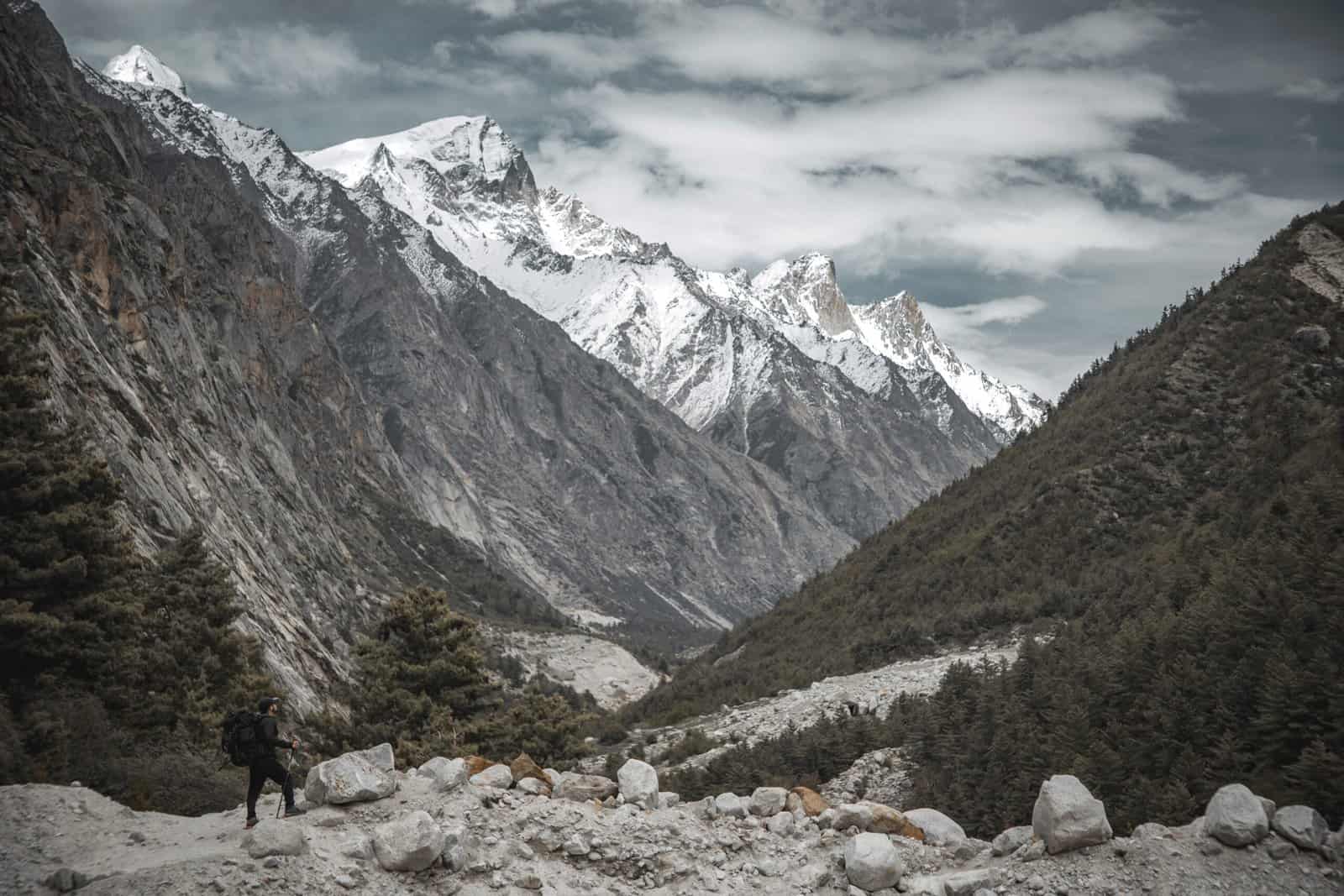
Gaumukh Tapovan Trek offers one of the holiest treks available, taking travelers all the way back to where the sacred Ganga River begins at Gangotri Glacier. This moderate trek combines religious significance with spectacular glacial landscape, giving experienced trekkers an opportunity to visit one of India’s most revered natural sites while traversing mountain terrain.

Goechala Trek: Grand Kanchenjunga Sunrise

Altitude: 16,200 ft

Grade: Moderate–Difficult

Best Time: Apr–May, Oct–Nov

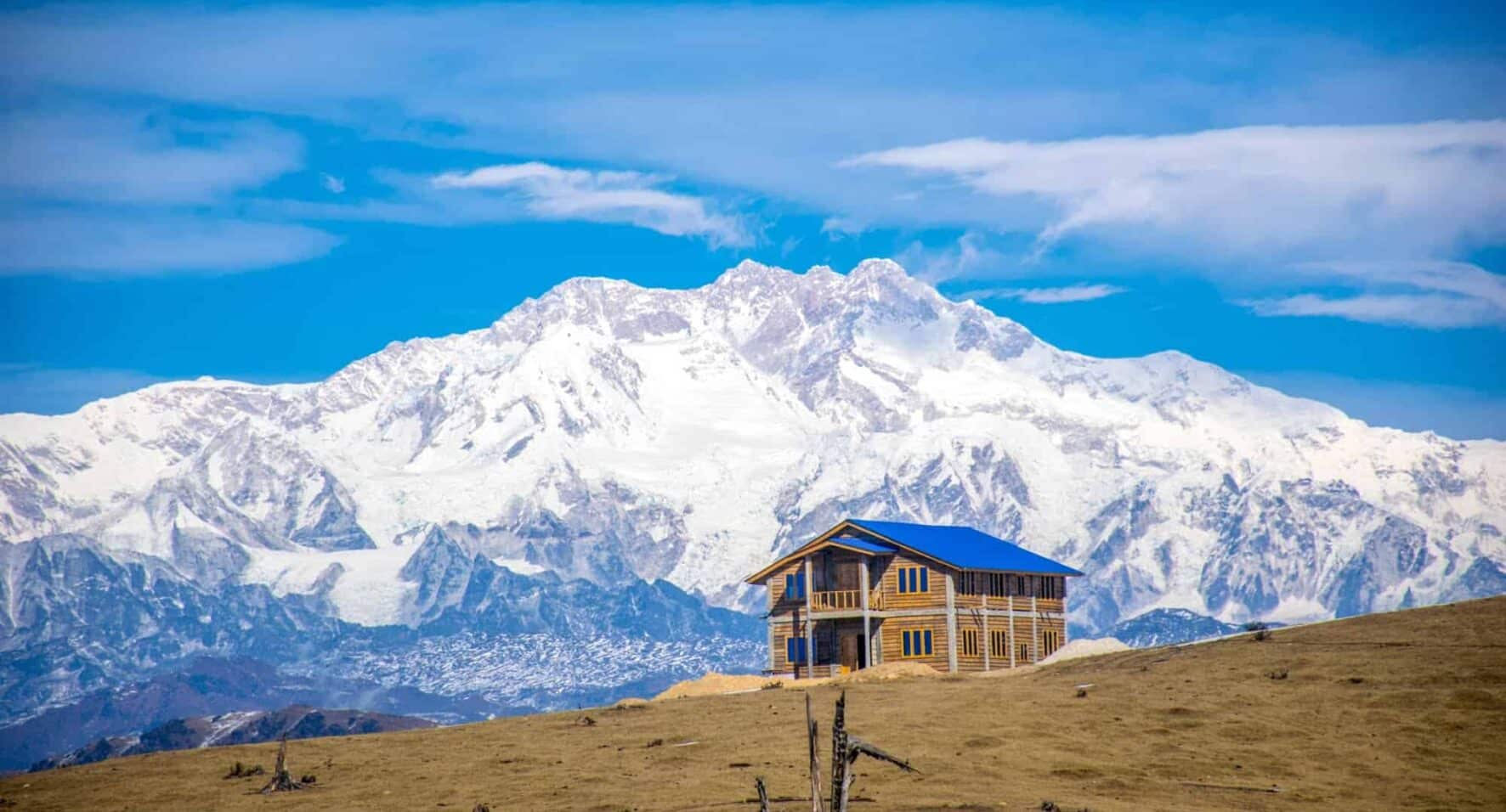
Goechala Trek in Sikkim offers one of the most captivating sunrises in all of Sikkim, offering views of Kanchenjunga that rival even those seen from a helicopter! For experienced trekkers this trek presents various terrain challenges while rewarding them with breathtaking mountain vistas across all Himalayan ranges.

Hampta Pass Trek: Experience an Exhilarating Crossover From Kullu Valley To Spiti Valley

Altitude: 14,100 ft

Grade: Moderate

Best Time: Jun–Sep

The Hampta Pass Trek in Himachal is widely considered one of the finest trekking experiences available, boasting breathtaking landscape views that showcase all aspects of Himalayan landscape. Beginning from lush green valleys of Kullu and then leading through narrow valleys resembling gorges towards an overhang in the mountains – up until reaching an unforgettable overhang – providing one of the best Himalayan trekking experiences ever.

Moderate to Challenging Treks for Mountain Enthusiasts

Once we’ve explored easier alternatives, let’s examine moderately difficult treks that require serious commitment and mountaineering experience. These treks push beyond comfort zones while providing incredible rewards to dedicated trekkers.

Sandakphu Phalut Trek: Four of World’s Highest Peaks as Viewpoints

Altitude: 11,930 ft

Grade: Easy–Moderate

Best Time: Oct–Dec, Mar–Apr

The Sandakphu Phalut Trek stands as one of the Himalayas’s most magnificent trekking routes, providing spectacular views of four of the world’s highest peaks: Mt Everest, Lhotse, Makalu and Kanchenjunga. A highlight of this trek is seeing Kanchenjunga range formation (commonly referred to as Sleeping Buddha), which creates an astounding silhouette against sunrise skies and is truly spectacular!

One feature that sets this trek apart is its charming tea houses lining the trek. These traditional lodgings offer an alternative experience from hotels, offering warm mountain hospitality while connecting participants to local culture and traditions.

Buran Ghati Trek: Discover Adventure and Explore Villages of Buran Ghati

Altitude: 15,000 ft

Grade: Moderate–Difficult

Best Time: May–Jun, Sep–Oct

The Buran Ghati Trek expertly blends the best features of various Himalayan adventures into an exciting trip, featuring beautiful landscapes, meadows and thrilling passes, thrilling passes crossing historic villages steeped in centuries-old mountain culture.

This trek begins in Janglik, an historic trading town. Following an intriguing path through dense forest to Dayara Meadows offers a striking contrast that showcases all that the Himalayas has to offer in just one trip.

Rupin Pass Trek: Exploration of Diverse Sceneries and Waterfalls

Altitude: 15,250 ft

Grade: Difficult

Best Time: May–Jun, Sep–Oct

Rupin Pass Trek in India stands out as a classic trek that is highly-revered for its spectacular mountain landscape and dynamic journey through time and space. Every moment brings stunning new landscapes, panoramas and experiences that define Himalayan terrain – an example of its ever-evolving ecosystems and experiences.

The highlight of the trek for experienced trekkers is climbing Rati Pheri from Upper waterfall campsite, followed by its challenging and steep ascent up Rupin Gully up to Rupin Pass at 15,279 feet – both will put your endurance through its paces while rewarding you with breathtaking mountain views.

Everest Base Camp Trek: Legendary Himalayan Journey

Altitude: 17,600 ft

Grade: Moderate–Difficult

Best Time: Mar–May, Oct–Nov

Everest Base Camp Trek is for the Professional mountaineers looking for an unforgettable high-altitude trek, and who wish to reach Earth’s highest point. Can embark on this renowned moderate-difficult trek.

Kashmir Great Lakes Trek: Alpine Lake Experience

Altitude: 13,800 ft

Grade: Moderate

Best Time: Jul–Sep

The Kashmir Great Lakes Trek offers what could be described as an “IMAX 3D experience”, with its majestic alpine lakes offering stunning panoramic vistas that take your breath away. Each lake surpasses its predecessor in splendor, creating an ethereal environment and turning your journey into an epic mountain adventure film!

Pangarchulla Peak Trek: Challenging 15,069 Foot Summit Climb

Altitude: 15,100 ft

Grade: Moderate–Difficult

Best Time: Apr–Jun, Sep–Oct

Pangarchulla Peak Trek represents one of the greatest challenges we have ever explored; this trek requires both technical skills and endurance at high altitudes as trekkers attempt to ascend this 15,069-foot peak.
Difficult Treks for Experienced Mountaineers Only

As part of my previous posts, I discussed moderate difficulty treks that require experienced trekkers. Now, let’s consider some of the most challenging Himalayan expeditions available exclusively to mountaineers who are experienced. These treks provide high altitude trekking at its most strenuous level and require extreme fitness, technical ability, and an abundance of mountain experience in challenging mountain environments.

Kedartal Trek: Glacial Lake Surrounded by Famous Peaks

Altitude: 15,485 ft

Grade: Difficult

Best Time: May–Jun, Sep–Oct

Kedartal Trek presents one of the toughest challenges for experienced trekkers as well as adventurers alike, leading them through stunning Himalayan mountain ranges such as Thalaysagar, Bhrigupanth, Nanda Parvat Jogin and Gangotri to reach an astounding glacial lake at Kedartal Pass.

What makes this trek especially difficult are its technical challenges, which even experienced mountaineers will find testing. Trekkers must negotiate treacherous river crossings that require precise timing and technique during monsoon-swollen conditions; and face obstacles such as the notorious ‘spider wall” with its steep technical climb that requires both physical strength and mental fortitude – combined with altitude’s extreme effects this makes for a trek that tests people to their limits both physically and mentally.

Pin Bhaba Trek: Dramatic Daily Scenery Shifts

Altitude: 16,105 ft

Grade: Difficult

Best Time: Jun–Sep

The Pin Bhaba Trek offers an unparalleled journey that stands out among Himalayan expeditions for its constant changes of scenery, offering trekkers an extraordinary visual feast each day. This feature makes the Pin Bhaba Trek truly exceptional; unlike its counterparts that often provide relatively stable landscapes.

This trek offers an attractive and safe alternative to the more challenging Pin Parvati Pass trek, making it an excellent option for experienced trekkers seeking new challenges without risk. The constantly shifting terrain keeps trekkers engaged throughout their journey.
Pin Parvati Pass Trek – An epic, hard journey between Kullu and Spiti that provides amazing panoramic views and takes approximately nine days.

The Pin Parvati Pass Trek is one of the toughest long-distance treks in the Himalayas that connects Kullu valley to Spiti valley via Pin Parvati Pass. To successfully traverse it requires both perseverance and mountaineering skills to overcome challenges along its route.

Warwan Valley Trek: Experience Himalayan Trekking Excellence

Altitude: ~11,500–14,000 ft

Grade: Difficult

Best Time: Jul–Sep

Warwan Valley Trek stands as India’s most majestic trek, providing an exceptional Himalayan trekking experience unrivaled by any other. This extraordinary trek features different colors, difficult pass crossings, technical river crossings and extensive glacial treks; furthermore there are glacial lakes to visit and pristine lakes to admire in alpine regions and opportunities to meet beautiful traditional villages along the way.

However, to achieve success on such an arduous trek one must possess exceptional fitness levels and prior experience of trekking at altitude. Only those who have demonstrated themselves on lower peaks should attempt this formidable yet difficult expedition through some of the Himalaya’s remotest and stunning regions.

Planning Your Trip Effectively Based on Season and Timing Considerations

After carefully considering all the obstacles of Himalayan trekking, knowing when is best to embark on your specific adventure is crucial for ensuring a successful trekking journey. Each season offers specific advantages for particular treks as well as weather preferences – making timing your expedition precisely right essential to maximize mountain experience!

Year-Round Treks: No Monsoon Options Available

Beginner-friendly trekking options provide year-round access and flexibility when planning for an Himalayan expedition. Treks like Dayara Bugyal, Brahmatal, and Kedarkantha stand out as all year-round options that don’t restrict themselves to monsoon season when heavy rainfall may make trekking treacherous and hazardous.

The Manali Kaisdhar Trek stands out as an exceptional all-season option that can be enjoyed throughout the year, regardless of seasonal changes. Meanwhile, Benog Tibba Trek provides remarkable versatility; suitable for winter, spring and autumn seasons alike and making this trek best for those with varied schedules.

Monsoon Specialties: July to September Treks Exclusive to India

Monsoon season, typically running between July and September, offers breathtaking trekking spots in Himalayan regions only accessible during this specific timeframe. Hampta Pass, famous for its dramatic landscape changes during monsoon rainy seasons, makes an exceptional monsoon-specific trek through this season’s lush greenery.

The Valley of Flowers stands out as an essential monsoon event with its breathtaking alpine blooms bursting at their peak during this time. The Kashmir Great Lakes trek joins in this exclusive group and provides stunning meadows and lake reflections only available during monsoon season. Additionally, Pin Bhaba offers remote valleys that truly come to life during monsoon season while Warwan Valley Trek specializes in peak trekking months from July-August for this breathtaking route.

Winter Snow Treks: November to April Snow-Covered Treks

Experienced trekkers looking for an exhilarating Himalayan winter trek can find perfect conditions between November and April to experience its charms. This extended winter time window offers consistent snow coverage on various high-altitude treks resulting in striking white landscapes typical of Himalayan winter treks.

Brahmatal Trek offers an exceptional winter snow-tripping experience, with significant snow accumulation on the trek in December through February and even early April – an experience not to be missed by snow lovers looking for snow-covered treks! This longstanding snowfall makes Brahmatal an excellent option.

Spring Highlights: March to April Rhododendron Season

March and April provide some of the most breathtaking trekking experiences within the Himalayas, thanks to blossoming rhododendrons and mild weather conditions. In particular, Sandakphu Phalut trek becomes particularly desirable during this period due to best conditions that offer stunning mountain views without cold or monsoon-related challenges.

Khopra Ridge trek is another spring favorite, providing best trekking conditions between March and April. Additionally, Deoriatal Chandrashila Trek provides an amazing spring experience featuring Rhododendron flowers which bloom along mountain slopes from March through April to create one of the most eye-catching Himalayan springtime displays.

Conclusion

The Himalayas provide an impressive variety of trekking experiences, from easy family treks that pass through ancient forests to demanding high-altitude treks that test even experienced mountaineers. Every trek offers something special–whether that means meadows filled with flowers in the Valley of Flowers, stunning crossings of Kashmir Great Lakes passes or technical difficulties of Kedartal; every trek offers beauty in nature, cultural immersion and personal achievement all wrapped into one memorable Himalayan journey! With treks for every level of difficulty level available every trekker can find their best Himalayan adventure!

Timing is key when planning your 2025 trek calendar; winter provides best snowy conditions for treks such as Kedarkantha and Brahmatal while monsoon season opens up more unique possibilities in Kashmir and Himachal Pradesh. Be honest about your fitness level; make sure that you’re properly prepared; seek advice from experienced trekkers when selecting your next expedition; remember the Himalayas are there waiting to be discovered; pick one which fits with your current capabilities and aspirations so you can safely experience their power firsthand!

About Author

Author Anoop
Anoop Rawat (Admin TrekUp India)

Anoop has worked for 5 years as a Trek Leader with TrekUpIndia, leading numerous treks across the diverse and challenging terrains of Uttarakhand and Himachal Pradesh. He holds a degree in Geology with a specialization in Geographic Information Systems (GIS) from UPES Dehradun. During his academic years, he actively applied his classroom knowledge in the field—most notably by contributing to a glacier research project on the Jundar Glacier in the Har Ki Dun Valley, Uttarakhand. Write Anoop at anoop@trekupindia.com

Share this article

Facebook
Twitter
LinkedIn
WhatsApp
Threads
Tumblr
Reddit
Table of Contents
Close

Dates For Upcoming Treks

Want To Trek Like Pro?

Basically, watch these videos if you want to trek the same way professional trekkers do and make your skills better. These videos contain useful tips and techniques to further improve your trekking skills itself. These videos actually help both new and experienced trekkers improve their trekking skills. These videos definitely provide useful tips that make your trek better. We are seeing that these videos by Trekup India experts will only help you make your trekking skills better.

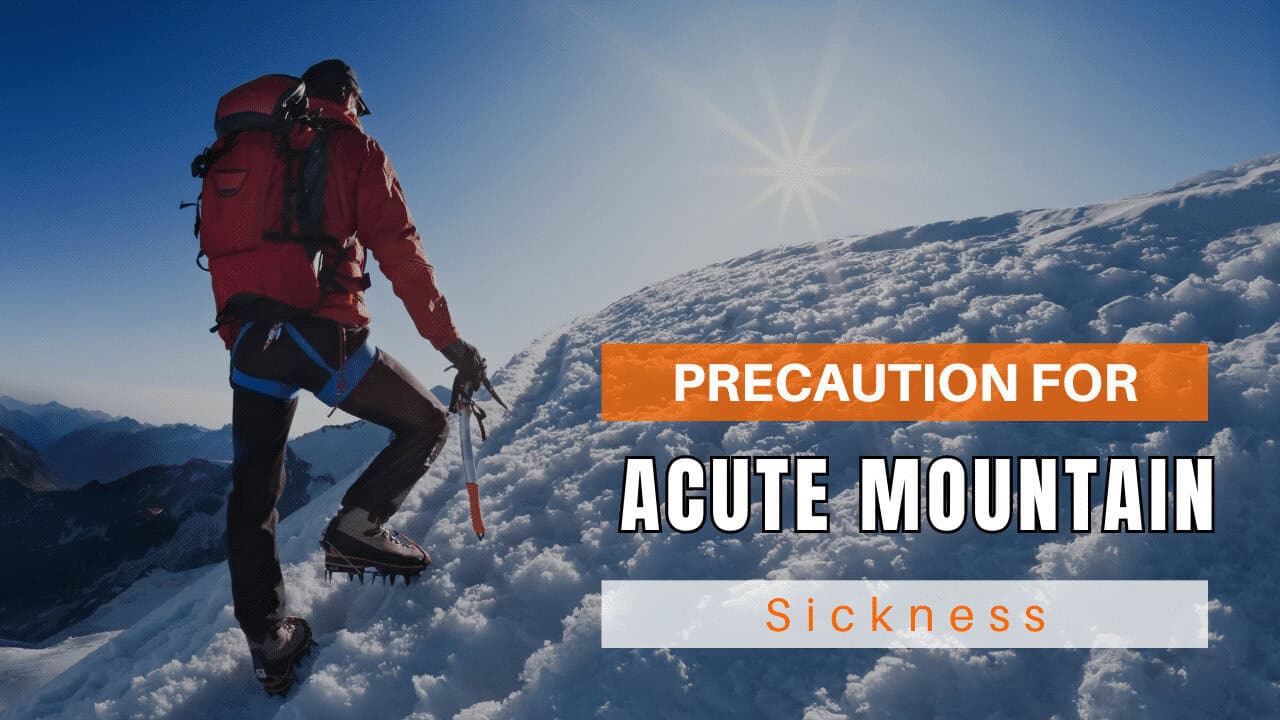
Know Everything About Acute Mountain Sickness

Acute Mountain Sickness occurs when people trek to high altitudes above 8,000 feet. This condition itself develops further due to reduced oxygen levels at such heights. Basically, as you go higher up, the air pressure and oxygen levels decrease, which causes the same problem. Acute Mountain Sickness surely causes headache, nausea, vomiting, and dizziness in affected persons. Moreover, peoples also experience difficulty in sleeping during this condition. To avoid mountain sickness, you should actually trek up slowly to higher altitudes. To learn further about this condition itself, watch the videos by Trekup India.