Organize Your BackPack Like a Pro: Top BackPack Organization Tips
If you’re planning a trekking weekend in Himachal or trekking high altitudes in Ladakh, what goes in your backpack can make or break it. An organized bagpack not only allows gear to be easily accessible but can help protect against strain. Here’s our step-by-step guide on managing it like a pro trekker Trekup India style, complete with essential bagpack organization tips.
Why Proper Packing Is Crucial on Indian Treks.
On Indian trekking tours with their steep, long, and unpredictable trails, not well planned load distribution could result in shoulder fatigue, lower back discomfort, and possible injuries. Digging through your bag every time it rains (familiar during monsoon season) to find an umbrella is both time-consuming and potentially hazardous.
Backpack Organization 101:
Break your backpack down into zones: bottom, middle, top, and external compartments.
Imagine this as baking a cake place all the large equipment centered near the spine for stabilization purposes.
Bottom Zone: Bulky but Unnecessary on Trail.
This zone lies near your hips and lower back.
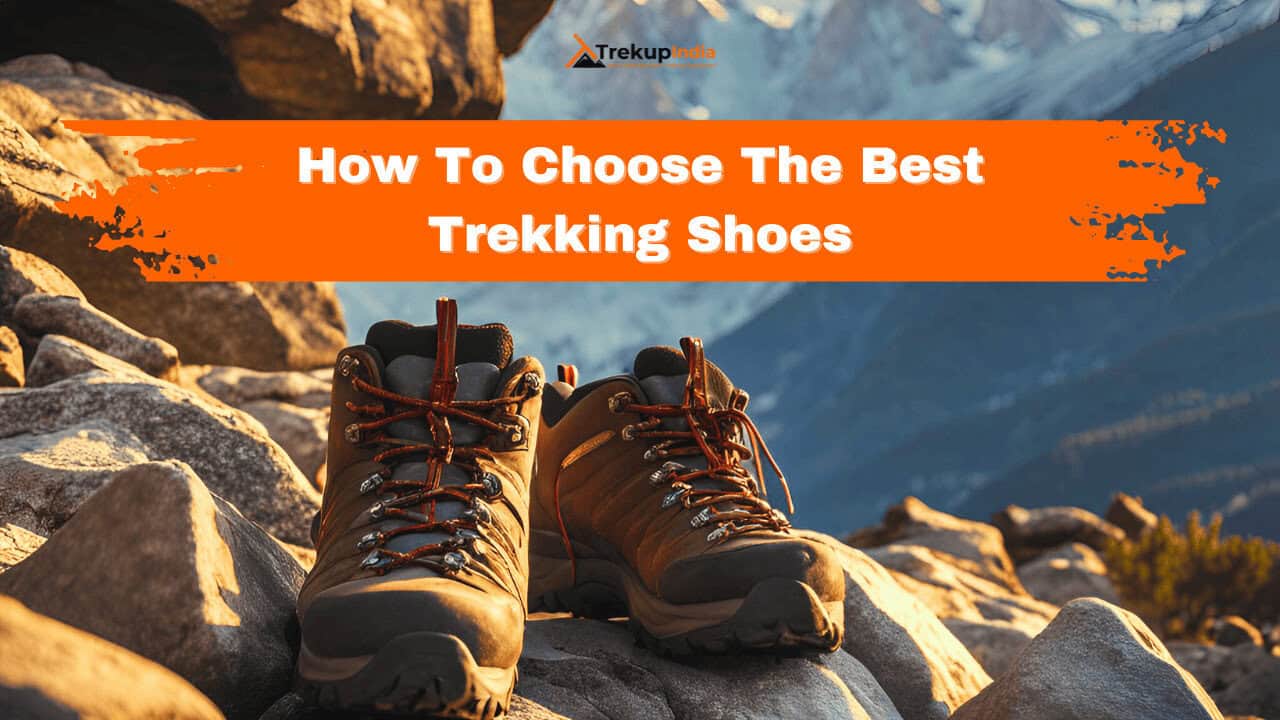
Pack Here: Tent, sleeping bag, and layers of thermal wear to stay warm at night—camping shoes (if worn).
Down jackets (in summer for trekking trips) provide ample warmth.
These items won’t be needed again for the remainder of your day.
Trekking Tip: Utilize a compression sack for sleeping bags to save space and enhance stability.
Core Zone (Center) – To Hold Heavy Items Close to the Spine.
Make sure heavy objects are centered and aligned with your spine for maximum balance and equilibrium.
Pack Here: Assuming You are Carrying Stove and Fuel (if applicable)—food supplies (daily). Poles serve as the framework of a tent. Water bladder (if applicable) as well as layers of clothing within compression bags.
Note: If one side of your pack is heavier and you find yourself leaning to one side more often, ensure it is adjusted carefully!
Affordable and Essential Gear
Your top compartment should house all the necessities that will be used frequently throughout your day, such as books and documents you might need for school or work. Make sure all essentials are readily accessible whenever it becomes necessary.
Pack Here: Rain gear or poncho; first aid kit, headlamp, power bank, and gloves (if trekking in a cold climate). Trail snacks, hand sanitizer, and toilet paper.
Trekup Tips: Your grab-and-go zone should provide quick solutions when the weather changes or you need a snack quickly; everything should be easily accessible.
Outer Pockets and Straps - Quick Access
Gear Outer pockets or zippered compartments on your backpack provide quick access to items you use throughout the day, and zippered pouches or side compartments offer another layer of quick accessibility.
Pack Here: It’s Water bottles, maps/GPS systems, and sunglasses, as well as an assortment of energy bars and trail mix, which are essentials.
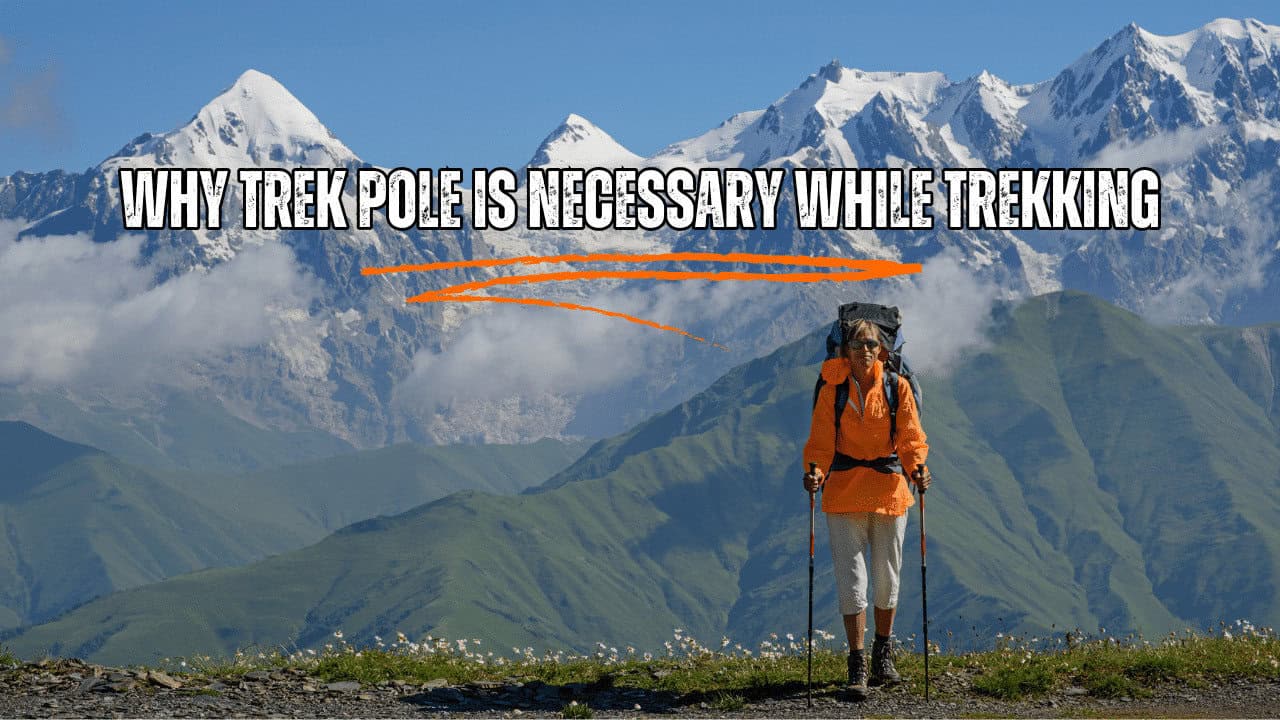
Trekking poles (attach to poles when not being used).
Wipes that are wetted or soap-made of biodegradable materials should be preferred.
Note: When trekking in India, river crossings or trails that are wet may require crossing rivers. Carry a small towel or bandana in an external mesh pouch as protection—tips for packing by Trekup India.
Packing Hacks from Trekup India
Pack everything dry in ziplock bags or dry sacks, sort into categories (clothing, snacks, and devices) so they are organized neatly, and zip them up before leaving home! Colour-coding your bags makes it much simpler to identify what’s inside. Rolling your clothes saves space and reduces wrinkles, both factors that help save energy in terms of space saving and wrinkle prevention. Balance Your Water bottle. If one is full, weigh it by placing equal weight on both sides to balance the scales. Rain covers are an essential component of treks during monsoon seasons in Maharashtra and Sikkim.
Weight Distribution: The Golden Rule, for optimal Indian Himalayan treks above 10,000 feet, your gear should not make up more than 15-20 percent of your weight.
An example would be: 60 kg trekker maximum pack weight = 12 kg, Maximum Pack Weight = 15kg for a 75 kg Trekker. Those using mules or porters, as is common for trekking in Uttarakhand or Himachal Pradesh, need only a daypack that includes drinks, snacks, and a warm jacket, as well as any necessary items.
Conclusion
Your bagpack should be your dependable travel partner on any adventure journey in India, from the snowy pathways of Ladakh to the rolling terrain of the Western Ghats. Accessibility and careful load distribution not only help ensure comfort and efficiency but can help prevent injuries or fatigue as well.
By strategically organizing your bagpack and using Trekup India hacks, such as compression sacks, dry bags, and weight-balancing techniques, to reduce stress and increase trail readiness, you can decrease stress while increasing trail preparedness. Keep in mind that carrying everything at the time you need it and making every gram count are two goals worth striving for.
As soon as you set off on a trek, take the time to organize your gear carefully. Doing this is well worth your while in the mountains.
About Author
Anoop Rawat (Admin TrekUp India)
Anoop has worked for 5 years as a Trek Leader with TrekUpIndia, leading numerous treks across the diverse and challenging terrains of Uttarakhand and Himachal Pradesh. He holds a degree in Geology with a specialization in Geographic Information Systems (GIS) from UPES Dehradun. During his academic years, he actively applied his classroom knowledge in the field—most notably by contributing to a glacier research project on the Jundar Glacier in the Har Ki Dun Valley, Uttarakhand. Write Anoop at anoop@trekupindia.com
Share this article
Dates For Upcoming Treks
Want To Trek Like Pro?
Basically, watch these videos if you want to trek the same way professional trekkers do and make your skills better. These videos contain useful tips and techniques to further improve your trekking skills itself. These videos actually help both new and experienced trekkers improve their trekking skills. These videos definitely provide useful tips that make your trek better. We are seeing that these videos by Trekup India experts will only help you make your trekking skills better.
Know Everything About Acute Mountain Sickness
Acute Mountain Sickness occurs when people trek to high altitudes above 8,000 feet. This condition itself develops further due to reduced oxygen levels at such heights. Basically, as you go higher up, the air pressure and oxygen levels decrease, which causes the same problem. Acute Mountain Sickness surely causes headache, nausea, vomiting, and dizziness in affected persons. Moreover, peoples also experience difficulty in sleeping during this condition. To avoid mountain sickness, you should actually trek up slowly to higher altitudes. To learn further about this condition itself, watch the videos by Trekup India.