Monsoon Trekking Tips: How to Trek Like a Pro in Rainy Weather
As monsoon season nears, many adventurers reach out to us with questions about trekking in the Himalayas and Western Ghats during rainy months. I have compiled a list of essential tips to ensure a safe and enjoyable trekking experience, drawing upon our experienced Trek Leaders’ expertise as a means of providing essential gear advice and camping strategies. As with any successful journey, selecting an appropriate monsoon trek is key; let this article help guide your decision in this regard. Western Ghats’ beauty shouldn’t stop exploration, so let us start with our expert advice to maximize your monsoon trek now.
- Before undertaking a monsoon trek, it is crucial to pack several essentials, no matter the weather forecast. A waterproof cover for your backpack and reliable rain gear are necessities – although ponchos may be suitable for lighter showers, they don’t offer sufficient protection in heavy downpours. Instead, consider opting for a jacket and pants with at least 5,000 mm waterproofing; alternatively, use shorts as base layers under rain pants that can easily be converted or removed as necessary – this approach will keep you both dry and warm; quickly drying shorts won’t leave you cold either.
- Wrap all the items in your backpack in plastic bags to protect them in case of heavy rainfall, according to Rajnesh Negi, our Trek Leader. Even with rain covers in place, items in a backpack may still get wet from raindrops; by using plastic bags for drying purposes and clothes and accessories that make finding items in your pack easier, reuse old plastic bags by keeping them tucked inside for future use – watch this video of me creating efficient backpack packing techniques during monsoon season.
- At any campsite, it’s crucial that you quickly change into dry clothes as soon as you arrive. Preparing an entire set of dry clothing would be ideal. Furthermore, changing out wet socks for dry ones as soon as you stop moving can be especially crucial, as body temperature can drop rapidly when inactive. Remaining in wet attire increases your risk of hypothermia. Even if your trekking clothes are not entirely dry for the next day’s journey, it is advisable to still wear them; they may dry while trekking if the weather is sunny, or your body can generate enough heat to handle. Never risk hypothermia by not keeping dry clothes available, and be sure to bring an extra pair for cold nights at camp.
- Remember to bring extra socks and undergarments when trekking during the rainy season, particularly as your socks could become saturated first. Trek leader Rajnesh Negi advises carrying more pairs than normal – about six pairs is suggested by Bain for optimal trekking in this climate. Maintain an emergency stash of extra undergarments stored in plastic bags to help in case it rains heavily, as undergarments can also become damp in heavy showers. Instead of thick trekking pants and cotton t-shirts, opt for lightweight fabrics that dry faster both while trekking and at campsites.
- Store wet items on the balcony area of your tent to maintain a dry living space. When shoes, socks, or backpacks become wet during treks, try not to bring them inside; pack items separately into plastic bags for easier access and leave your backpack outside to avoid mixing wet with dry clothes. For added privacy when changing wet clothing inside your tent, zip off its outer cover when making changes to wet attire.
- Always pack extra water shoes or amphibious sandals when trekking, according to Rajnesh Negi, your Trek Leader. Rajnesh Negi believes it is important to be prepared in case trekking shoes become waterlogged during an unexpected rainstorm.
- Spare footwear may not always be necessary on treks, but monsoon treks make having extra shoes available incredibly useful daily.
- At any campsite, having a backup pair of footwear to change into when your shoes become wet will come in handy. When crossing rivers, sturdy floaters or sandals with secure buckles that won’t slip off easily are ideal.
- When trekking through heavy rain, protecting yourself while maintaining visibility can be challenging. To combat this issue and maintain visibility when trekking under hoods that can obstruct views, try wearing a sun cap underneath your hood to hold it in place and allow for better sightlines while trekking through dense underbrush!
- Add an extra level of protection to your backpack with a waterproof dry sack, especially if you are transporting valuable equipment like cameras and lenses. These bags can provide invaluable shelter against wet conditions like rafting, keeping all of your belongings dry inside them.
- Maintaining the security of your tent is vital, not only to ensure its protection but also to keep out unwanted critters like insects and animals that seek refuge and warmth from raindrops, just like humans do. In tropical areas, camping, particularly important is keeping away snakes and leeches. Before retiring for the night, it’s wise to check that any uninvited guests don’t share your sleeping space.
- Waterproof socks are essential when engaging in outdoor activities that involve prolonged rain. While many assume waterproof trekking boots will protect their feet from moisture seeping in, prolonged exposure will eventually result in wet feet, which not only creates discomfort and cold but can also increase the risk. Waterproof socks have proven highly effective at keeping feet dry even during harsh weather conditions such as winter and monsoon conditions, so be sure to pack some waterproof socks as part of your gear when trekking in such conditions.
Conclusion
Exploring the outdoors during monsoon season – be it the Western Ghats or the Himalayas – can be an unforgettable experience, but requires careful planning, attention to detail, and smart equipment choices. By selecting gear carefully – so as not to immerse yourself in breathtaking beauty, Rou, and maintaining a positive mindset – monsoon treks can become enjoyable experiences with rain as your guide! So prepare accordingly, stay protected, and let the rain lead you to some breathtaking natural settings.
About Author
Anoop Rawat (Admin TrekUp India)
Anoop has worked for 5 years as a Trek Leader with TrekUpIndia, leading numerous treks across the diverse and challenging terrains of Uttarakhand and Himachal Pradesh. He holds a degree in Geology with a specialization in Geographic Information Systems (GIS) from UPES Dehradun. During his academic years, he actively applied his classroom knowledge in the field—most notably by contributing to a glacier research project on the Jundar Glacier in the Har Ki Dun Valley, Uttarakhand. Write Anoop at anoop@trekupindia.com
Share this article
Dates For Upcoming Treks
Want To Trek Like Pro?
Basically, watch these videos if you want to trek the same way professional trekkers do and make your skills better. These videos contain useful tips and techniques to further improve your trekking skills itself. These videos actually help both new and experienced trekkers improve their trekking skills. These videos definitely provide useful tips that make your trek better. We are seeing that these videos by Trekup India experts will only help you make your trekking skills better.
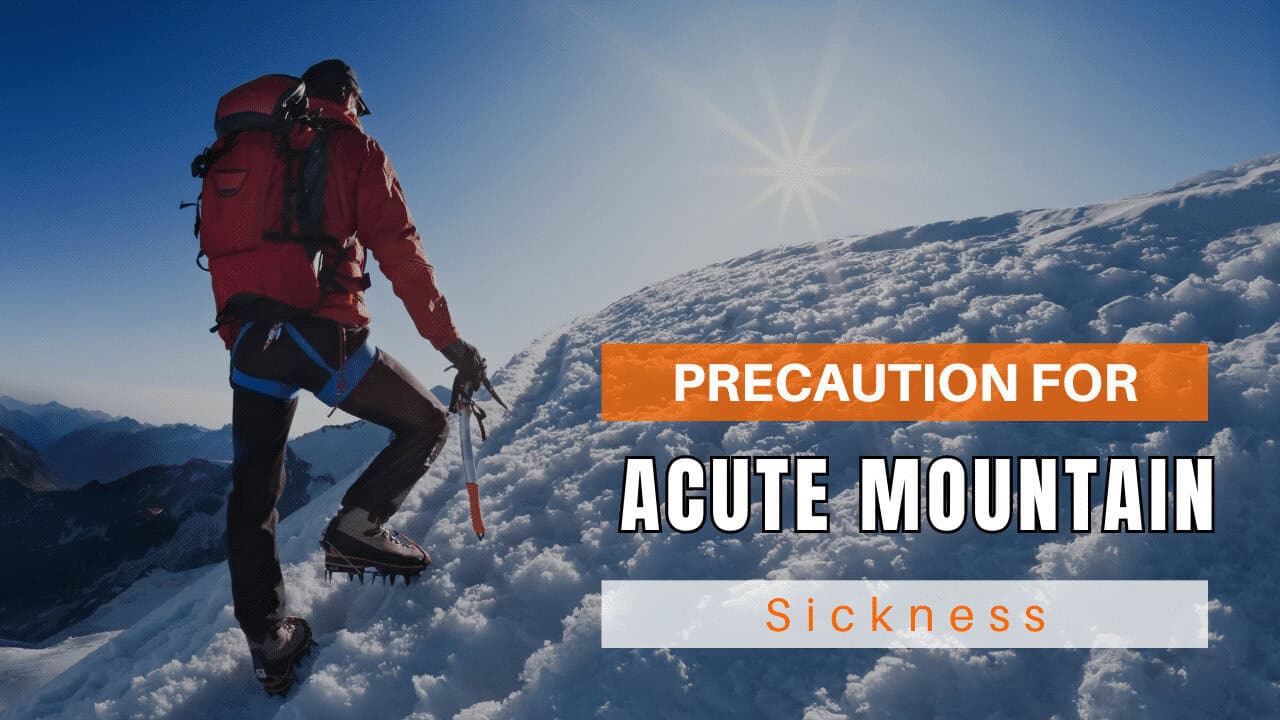
Know Everything About Acute Mountain Sickness
Acute Mountain Sickness occurs when people trek to high altitudes above 8,000 feet. This condition itself develops further due to reduced oxygen levels at such heights. Basically, as you go higher up, the air pressure and oxygen levels decrease, which causes the same problem. Acute Mountain Sickness surely causes headache, nausea, vomiting, and dizziness in affected persons. Moreover, peoples also experience difficulty in sleeping during this condition. To avoid mountain sickness, you should actually trek up slowly to higher altitudes. To learn further about this condition itself, watch the videos by Trekup India.