The Best Time to go on the Har ki Dun Trek: Season by Season Guide
Planning the Har ki Dun trek in Uttarakhand? The first question you will have running through your mind is: What would be the most ideal time to visit Har ki Dun? That depends on how you wish your trek to be—full of lush green, snow-clad mountains, or sunny skies and nice weather.
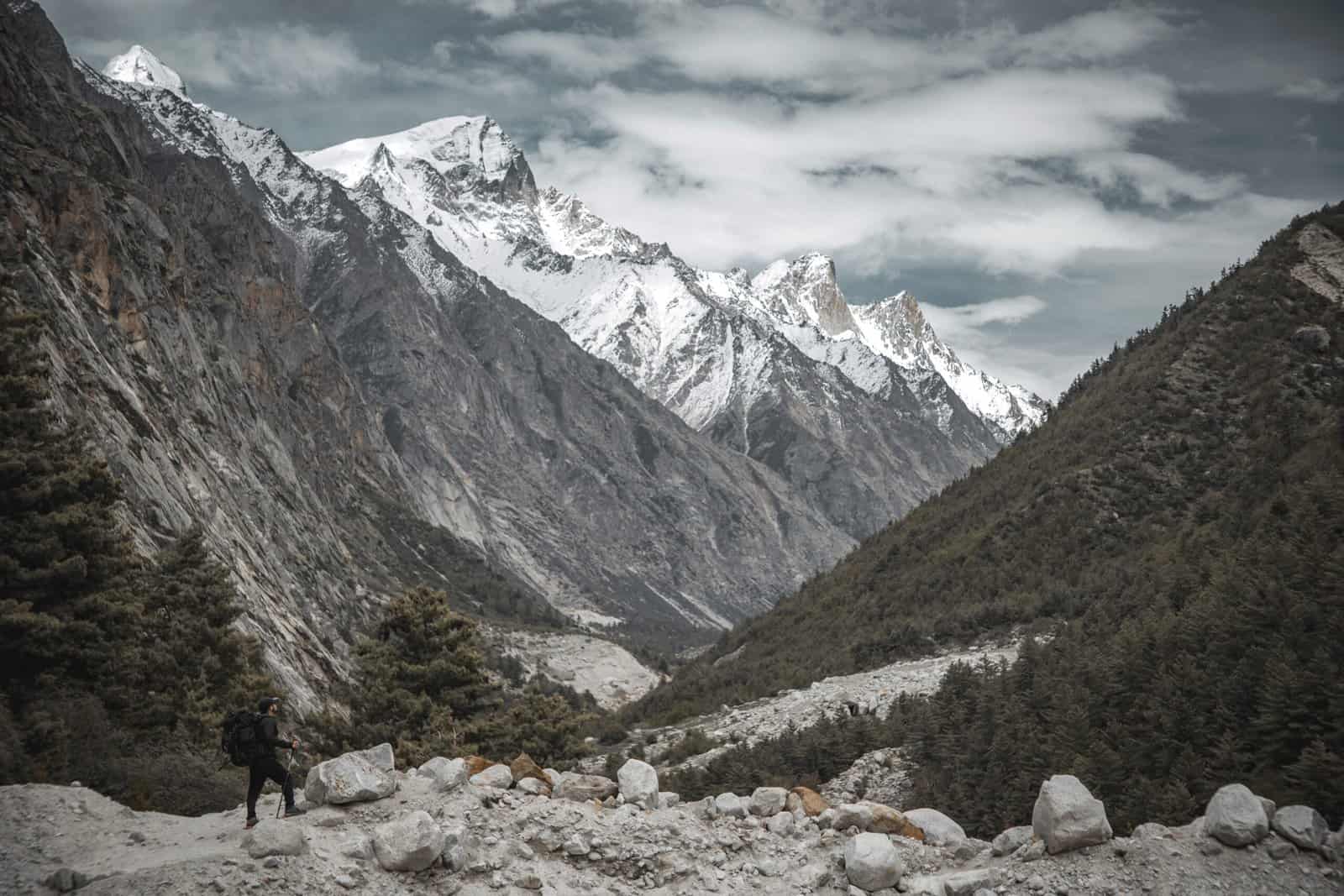
Har ki Dun valley is hidden deep in the Himalayas of Garhwal. Its beauty is a different thing to witness in each season. Let’s get into it so you can choose the most suitable time to take this breathtaking high-altitude trek.
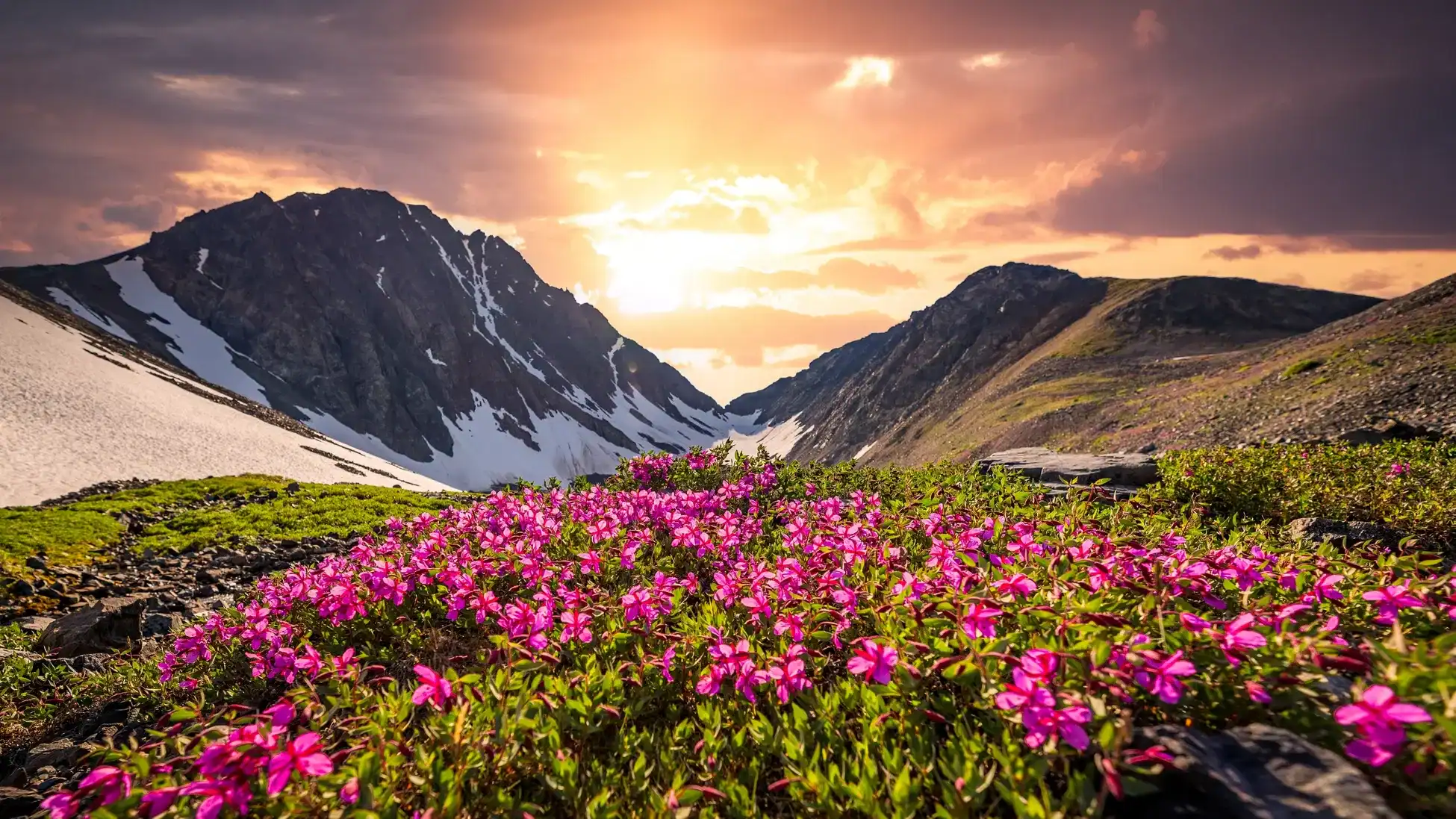
1. Spring (Mid-March to April): A Blooming Paradise
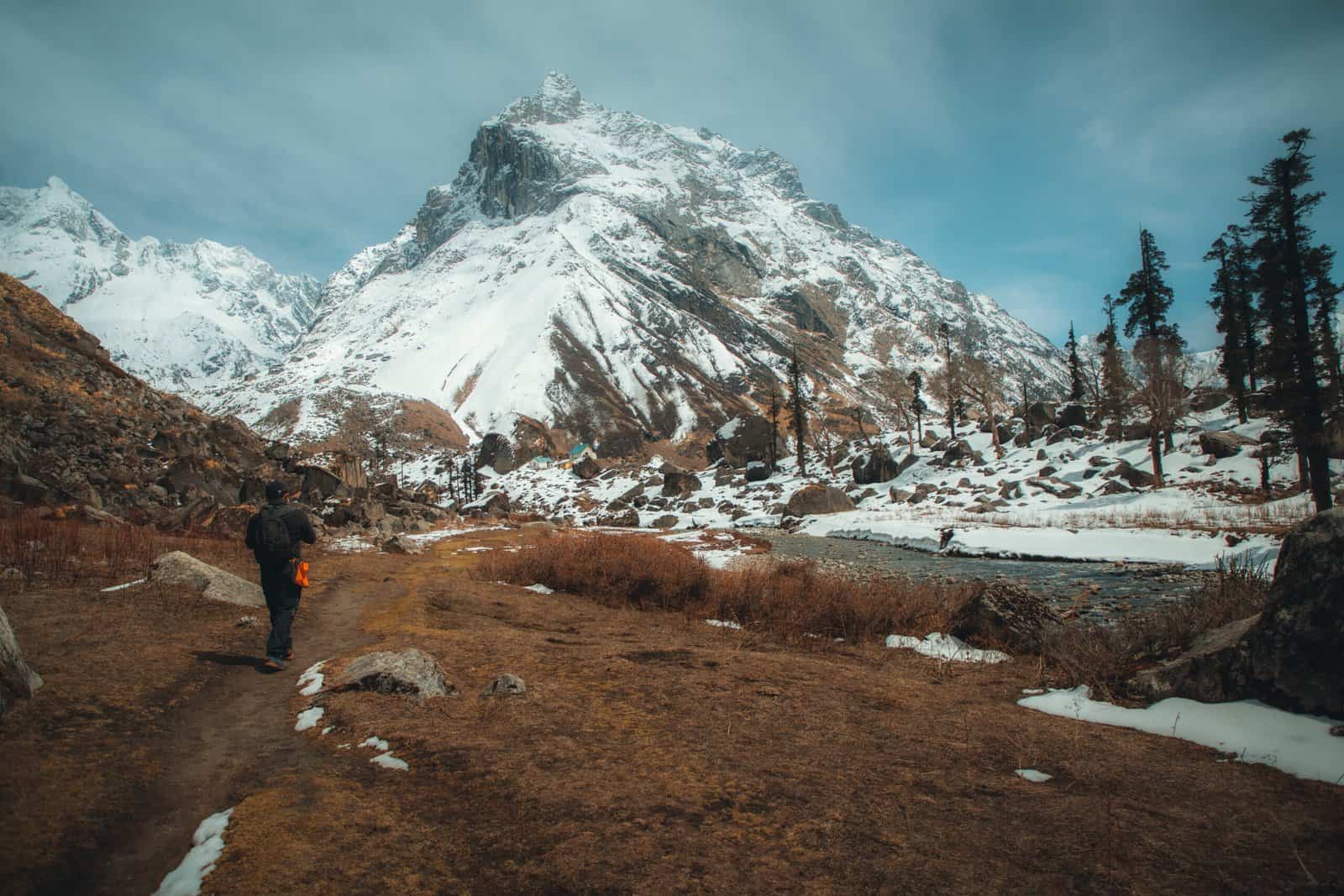
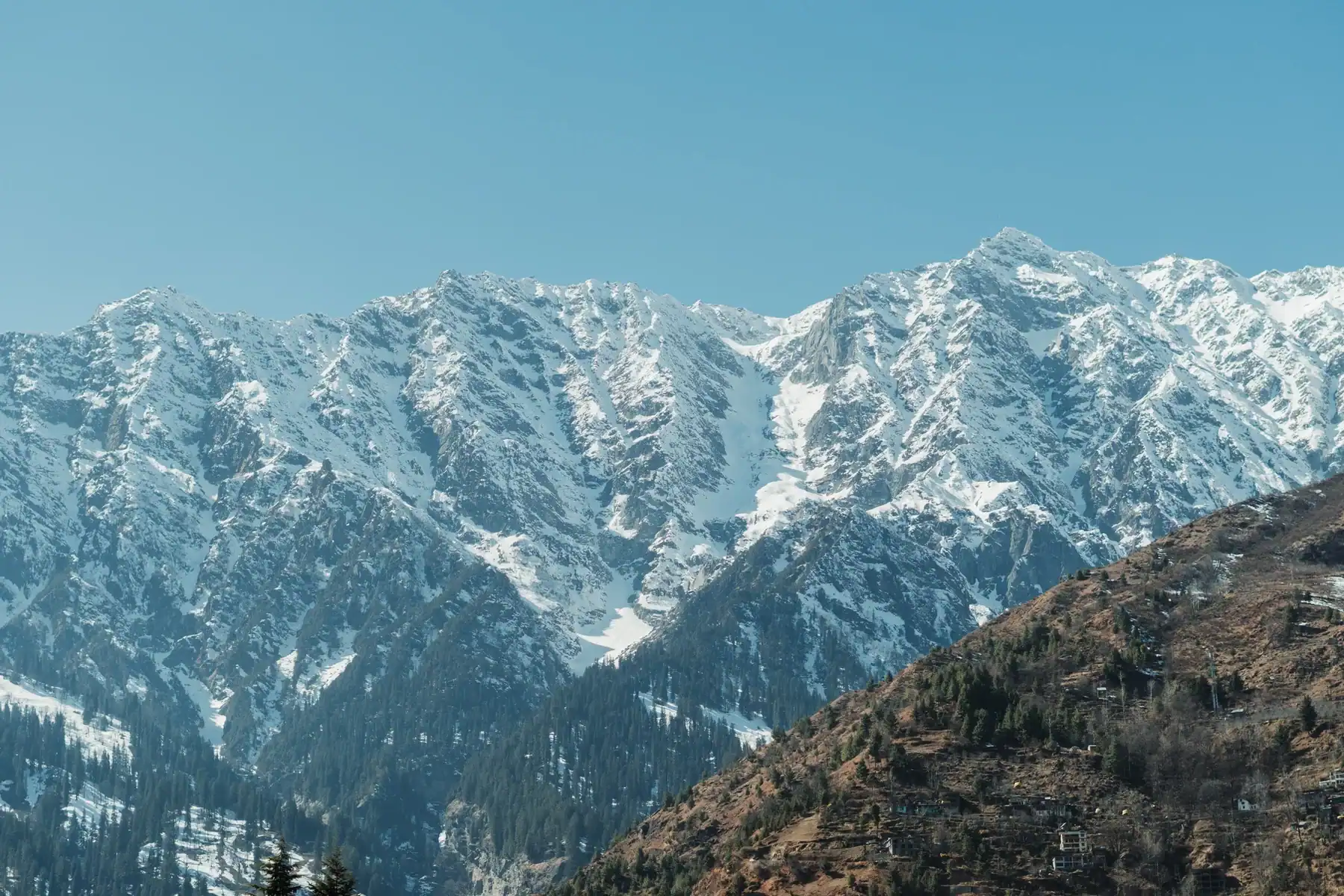
Spring is when the valley begins to awaken from winter hibernation. The rhododendrons line the trails in bloom, and the cool mountain air makes trekking a pleasure. With daytime temperatures between 10°C and 15°C and cooler nights, this is a great time for those who prefer clear skies and pleasant trekking conditions. Most parts of the valley are covered with light snow during the second half of March, so this is a great time to visit if you want to see the Har ki Dun valley transformed into a winter wonderland. Moreover, since spring is not the peak season for this trek, the trail is at its least crowded.
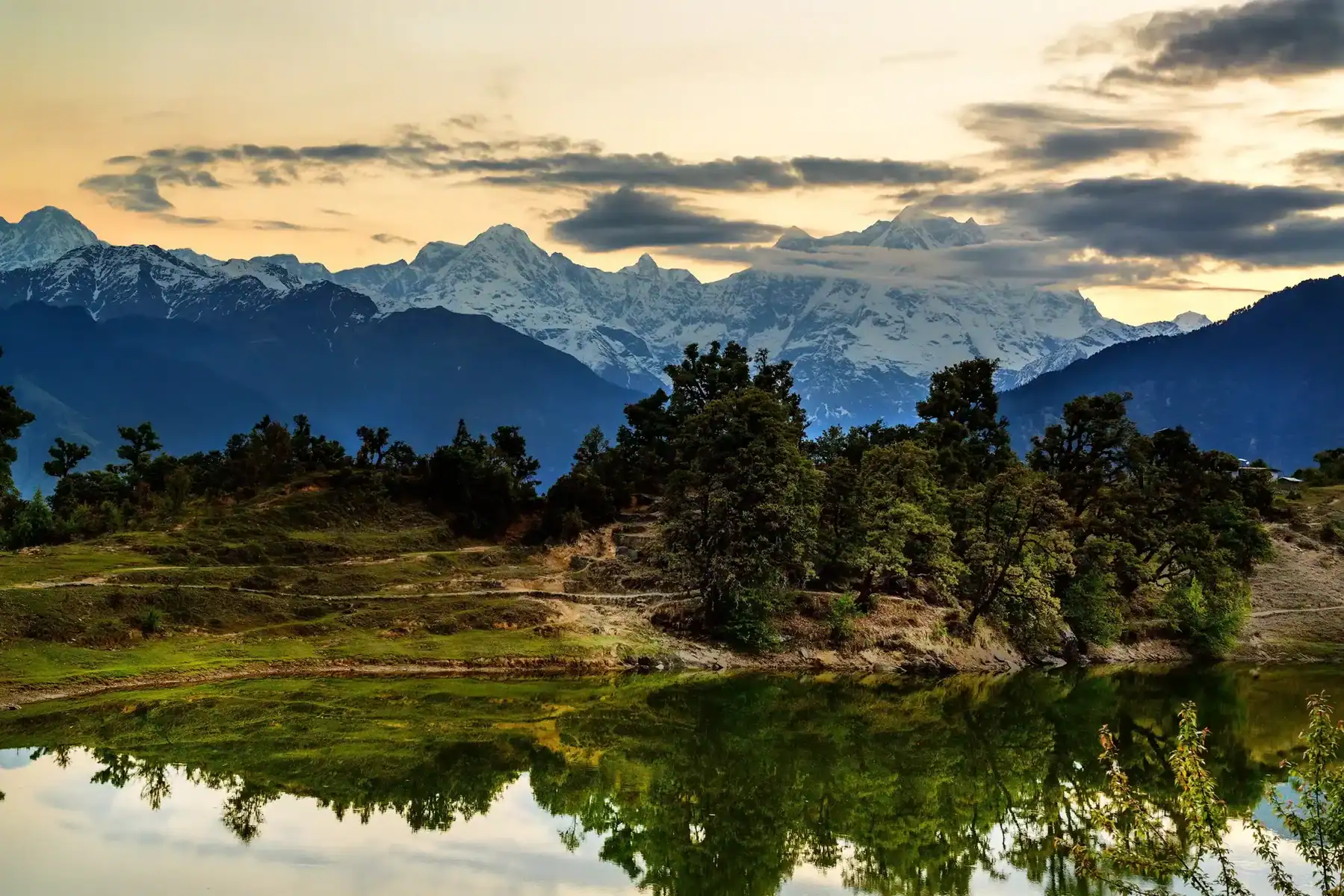
2. Summer (May to June): The Perfect Time for Beginners
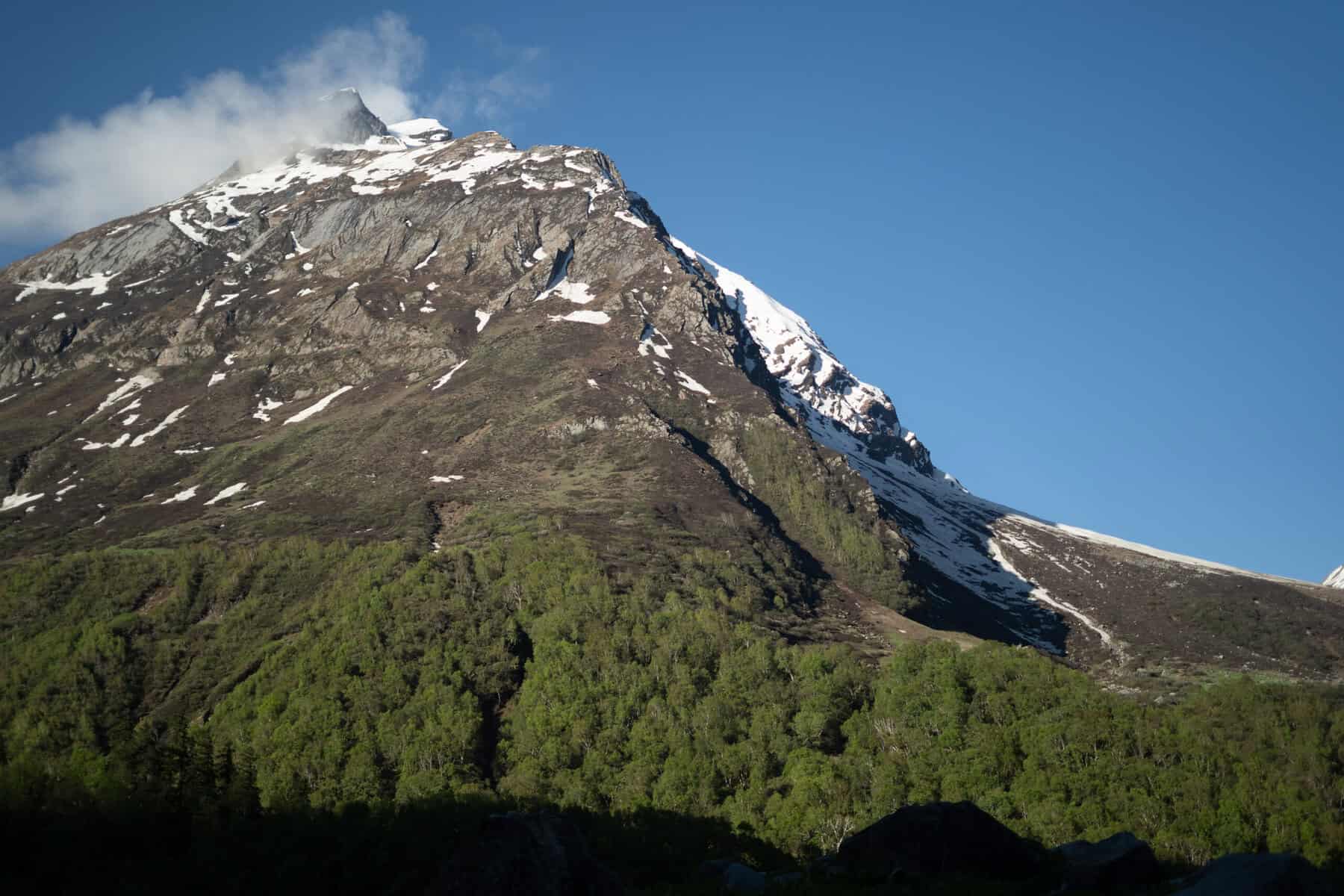
If you’re a first-timer who has started their trekking journey recently, summer is the best season for a comfortable trek to the Har ki Dun. The valley is alive with greenery, and the meadows are at their most vibrant. The weather is mild, with daytime temperatures ranging from 15°C to 20°C, while nights are cool but not freezing. This is also when Brahmakamal, the Himalayan flower, is in bloom, along with other alpine flowers, turning the valley into a rainbow paradise. The trails are currently the easiest, which is ideal for first-time trekkers. But because this is one of the most trekking seasons, be prepared for more fellow travellers on the path and in camps, which might not be ideal for people looking for solitude up in the mountains.
3. Autumn (October to November): A Photographer’s Paradise
The autumn season is considered by many to be the best time for the Har ki Dun trek. The valley is coloured gold, orange, and red as the trees are readying for winter, providing a breathtaking landscape that is a wonder for photographers and nature enthusiasts as well. The weather is crisp but not uncomfortably cold, with daytime temperatures between 5°C and 15°C. The skies are crystal blue, providing fantastic photography opportunities for the Swargarohini peak and other Himalayan wonders, making this one of the ideal periods for mountain photography. But the nights can be quite cold, particularly in late November, so layering properly is the key to a comfortable stay.
4. Monsoon and Peak Winters (July to August and December to February)
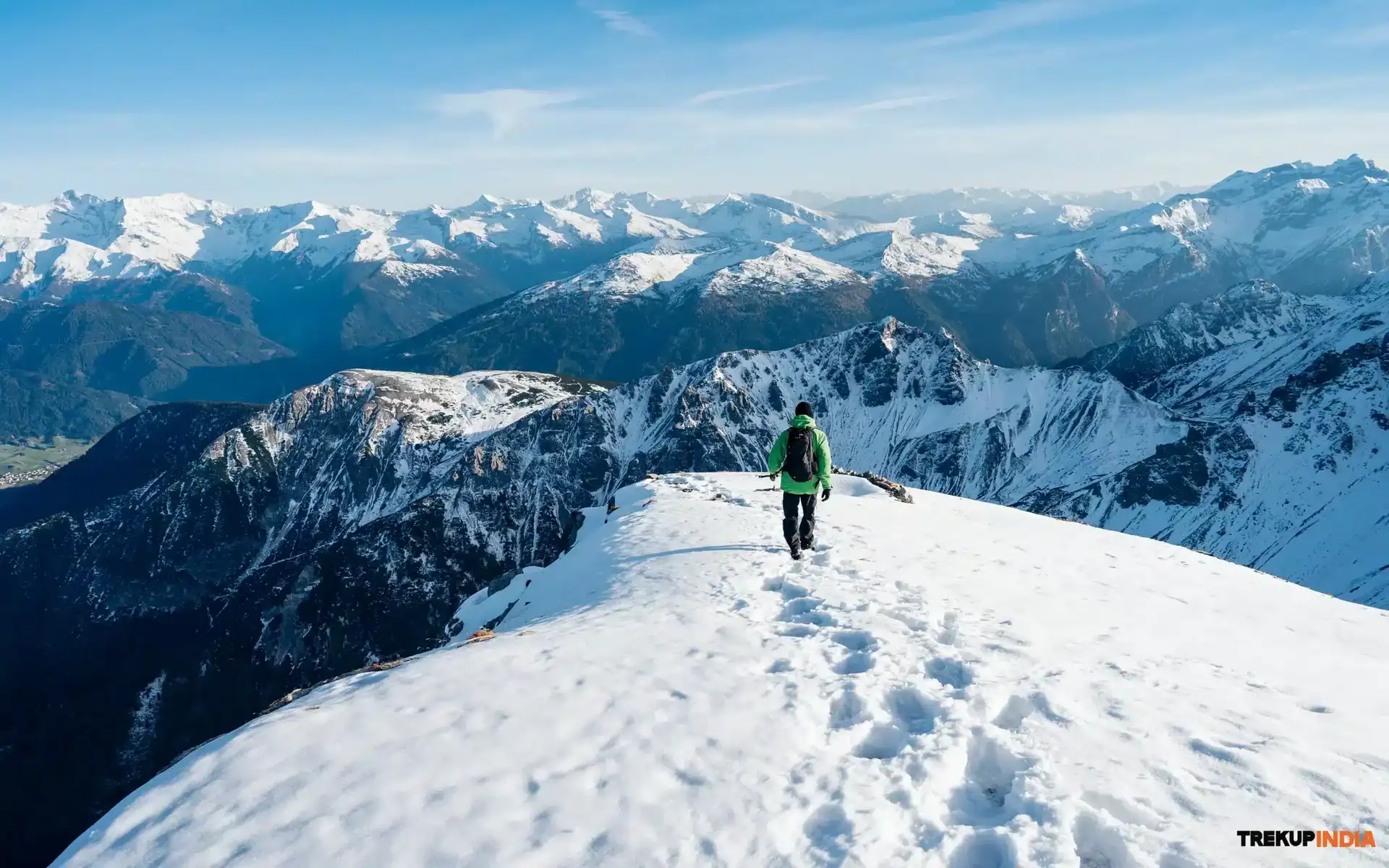
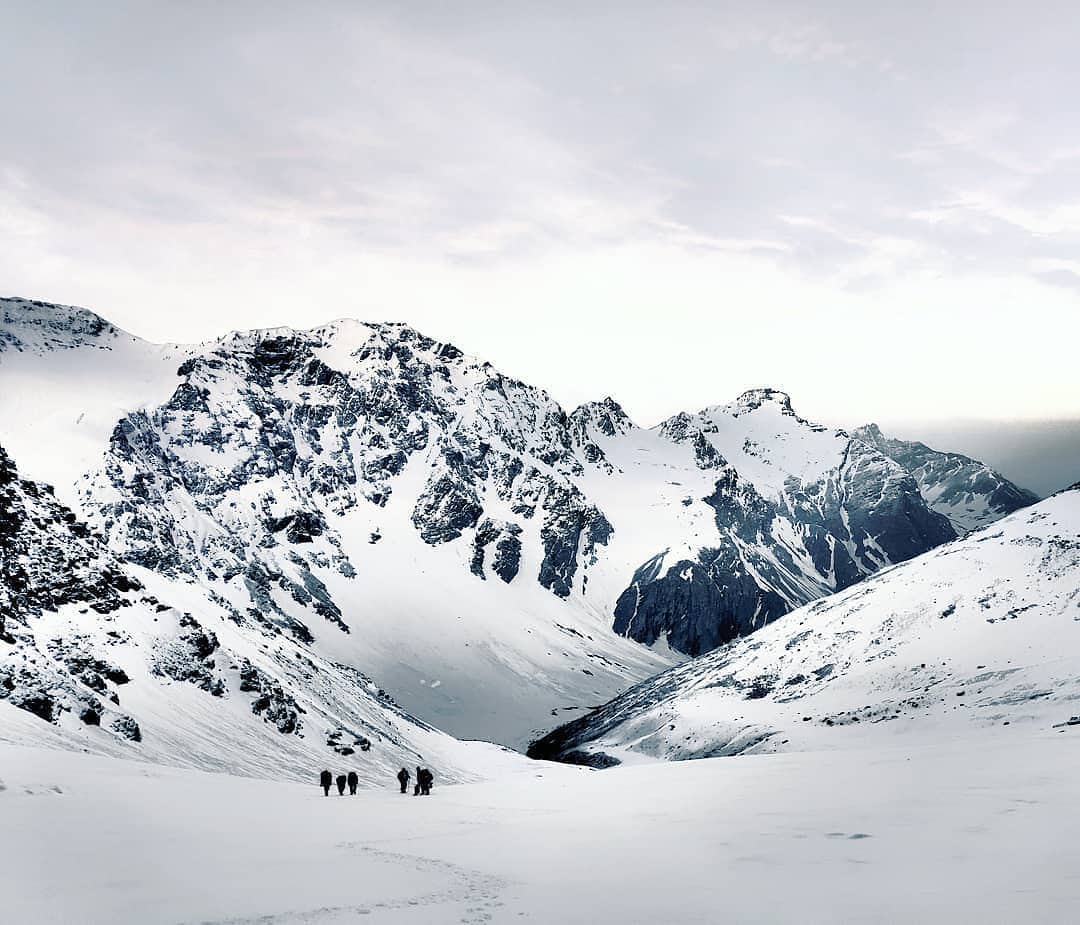
Monsoons and peak winters are two seasons when the valley is shut down for trekking by the forest department. The main reason for this is that during the monsoon season, the path becomes too slippery to trek on. Similarly, during the peak winter months of December, January, and February, the large amount of snow makes it difficult to clear out a proper path, making trekking even more challenging and dangerous.
About Author
Preetam Singh Rawat (Founder)
The person behind this trekking organization is someone who’s spent over a decade – 12 years, to be exact – living and breathing the mountains. With multiple high altitude summits under his belt (we’re talking 6000 to 7000 meter peaks), he’s not just experienced – he’s the real deal.
But what really sets him apart is the sheer number of treks he has guided. He has led over 200 Himalayan expeditions, including well known routes like Bali Pass, Buran Ghati, Rupin Pass, Pin Bhabha, Stok Kangri, and Black Peak. Not just once, but multiple times. So yeah, when it comes to the Himalayas, he knows every twist in the trail and every story the mountains have to tell.
Got questions or want to get in touch? Write to Preetam at preetam@trekupindia.com. He’s always happy to chat about treks, answer your questions, or help you prepare for your next big adventure.