Leaving No Trace on Mountain Trails

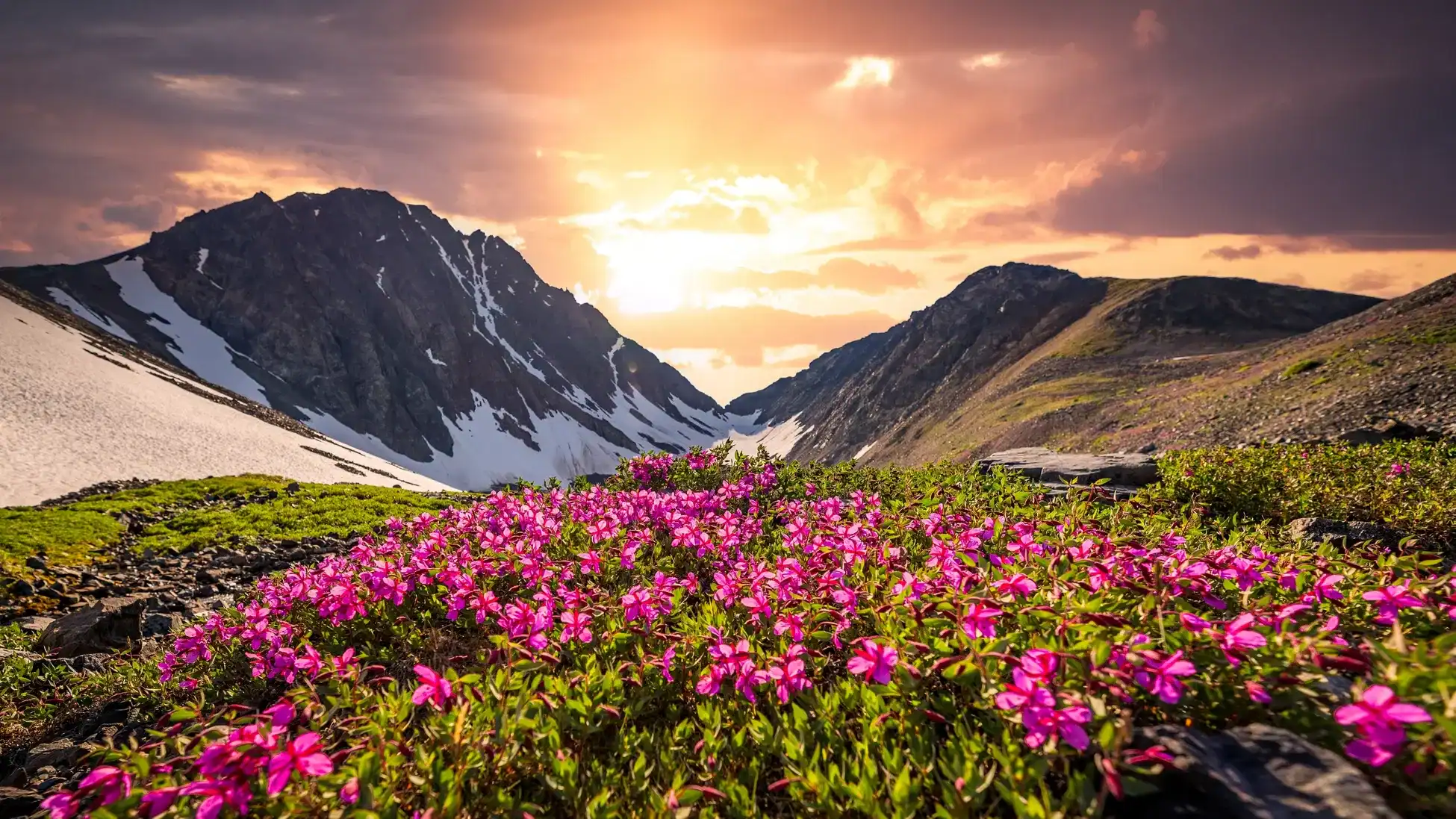
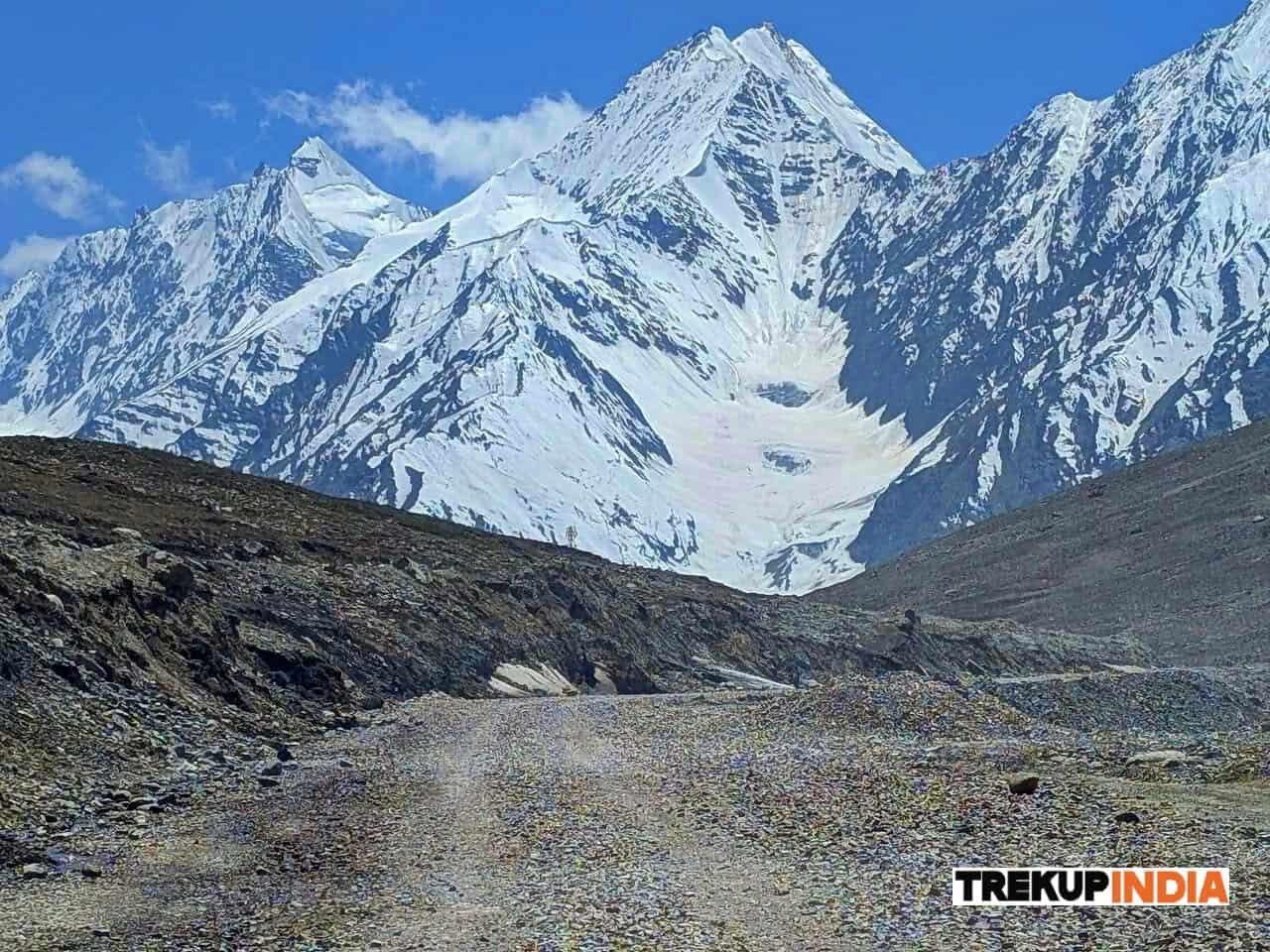
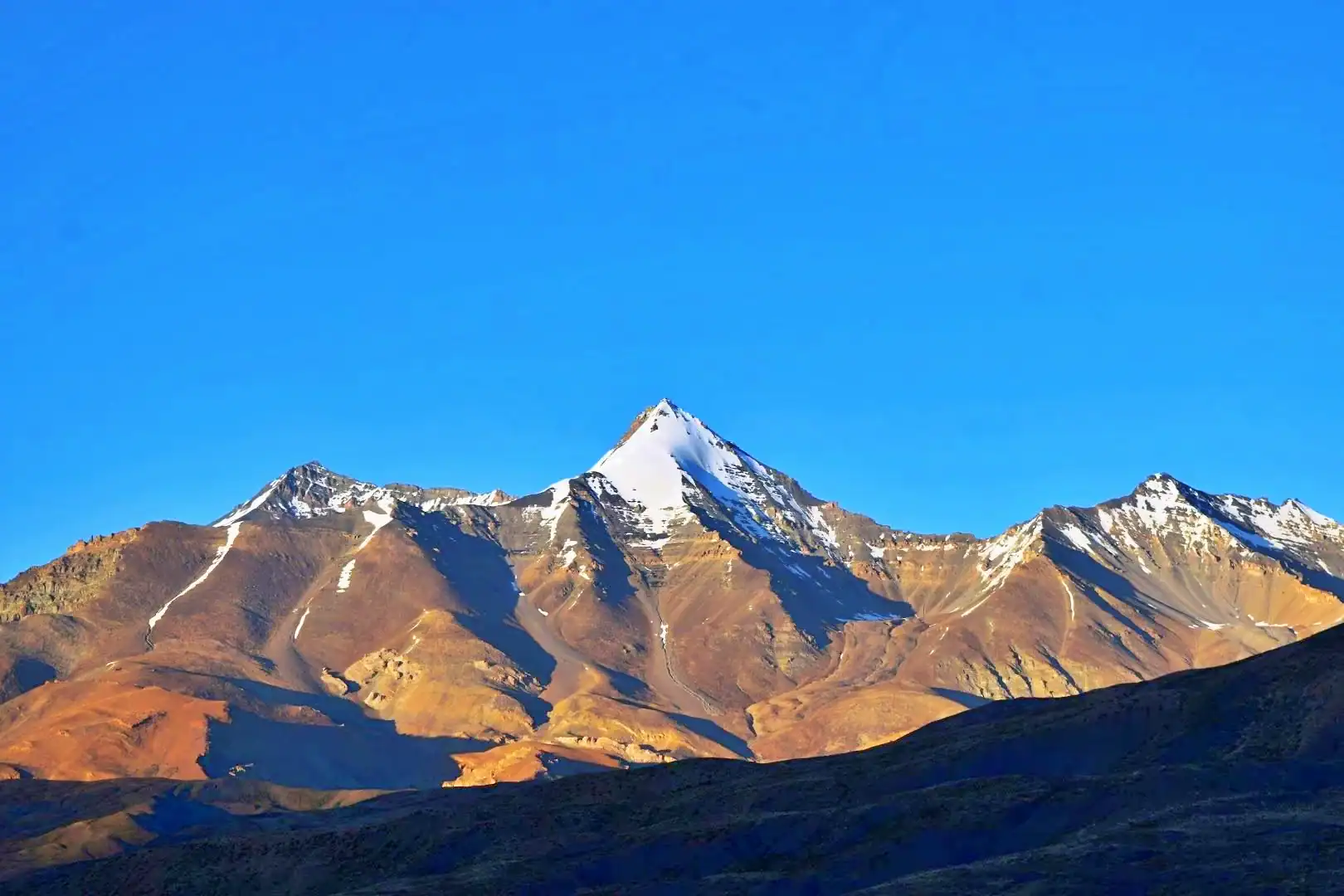
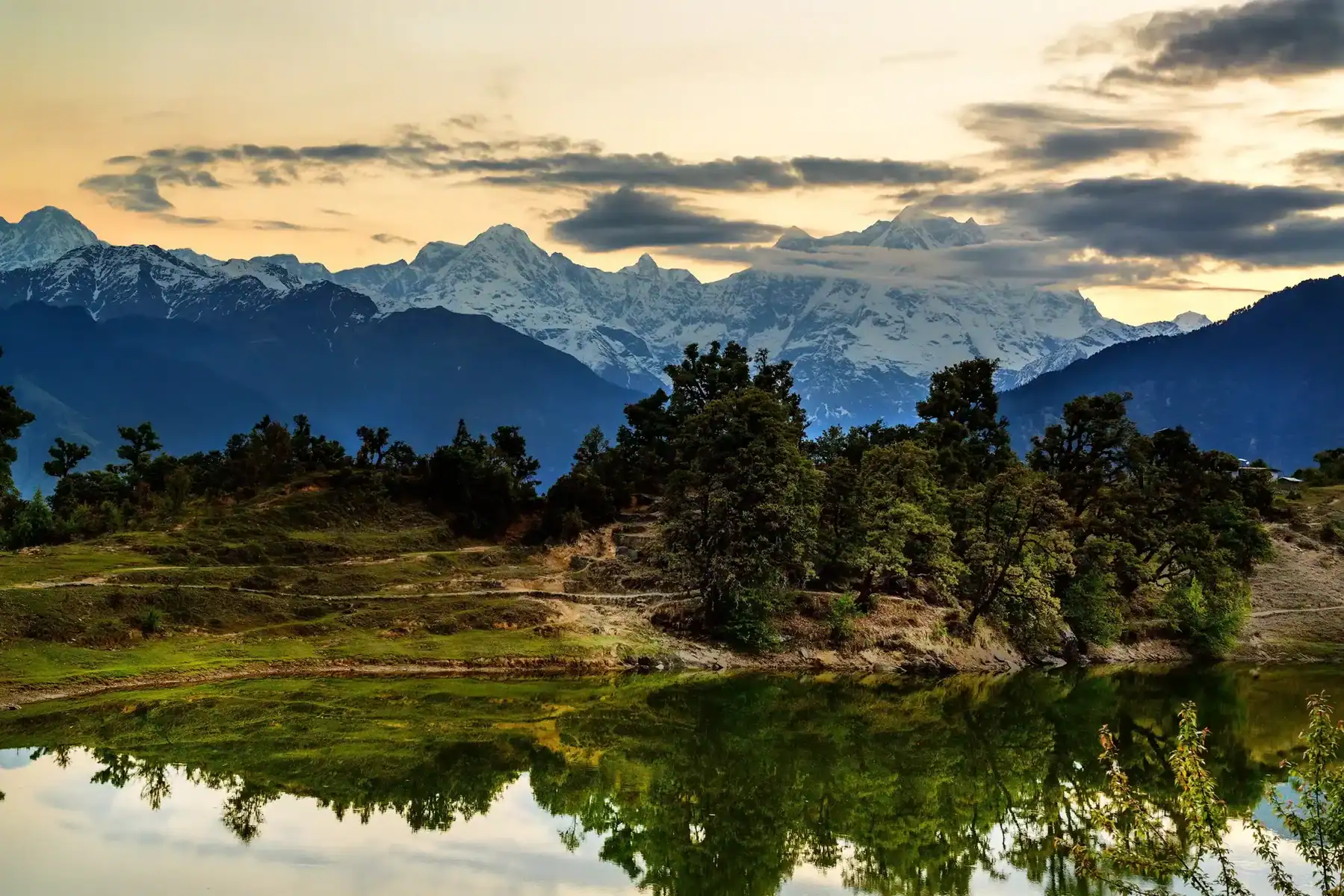
I came across jagged peaks that ripped through the sky, broad valleys that stretched out like an infinite green cloth, which was terrific, and it was with cold mountain air which was clean and clear. Hiking mountain trails provides a deep connection with the natural world but also demands a commitment to keeping these landscapes beautiful and untouched. The Leave No Trace (LNT) principles empower everyone to tread lightly while venturing into natural statures by guiding and reducing human impact and conserving delicate ecosystems. This article shows different approaches to following Leave No Trace on mountain trails. However, with this beauty comes a responsibility – to tread lightly and preserve this wilderness for generations.
Trekup India provides trekkers with specially designed and customized save-the-trail bags to keep the garbage. While trekking, the trekkers must tie the bag to their waist to collect the waste they might have thrown on the way. At the base, the trekkers are encouraged to throw the waste accumulated on the trek in the designated dustbin. Also, they are asked to throw waste separately in dry waste and wet waste dustbins. Sometimes, a separate team is organized, which goes on the trail to collect waste thrown by other trekkers. Taking the initiative to collaborate with local NGOs and government authorities to take part in Save the Himalayan Trek Trails. In the Save the Trail program started by Trekup India, a day is planned for when the team plants trees to save the mountains.

The Seven Leave No Trace (LNT) Principles

  1. Plan and Prepare – Proper planning is the key to being a responsible hiker. It is essential to research the path you have selected and know its associated climate patterns; there might be times when you will need more clothes than usual due to changing weather, so always prepare for that. In addition, don’t forget the necessary permits before embarking on any adventure of this sort. Choosing the right equipment minimizes the risk of getting lost or needing rescue, which can significantly impact the environment.
  2. Travel and Camp on Durable Surfaces—Limit your movement to designated trails and established campsites. Stepping off the trail may pound down vegetation, disturb animals’ living places, and lead to soil erosion. In the same way, camp in designated camping spots or hard surfaces such as rocks or sand because delicate ecosystems depend on these.
  3. Dispose of Waste Properly – Ensure you carry out any garbage you bring along, such as wrapping papers, leftovers, or even used sanitary pads. Human waste or any other residue should be buried on designated grounds far away from any water sources/trails but at least 200 feet away from them so that they don’t act as breeding grounds. Leave no trace of your visit – the mountains should be your playground, not your garbage dump.
  4. Leave What You Find – Avoid collecting rocks, wildflowers, or natural artefacts, as these contribute to the mountains’ aesthetic appeal and ecological stability. Let the scenery be as it was when you saw it so that others may share that awe.
  5. Minimize Campfire Impacts—Use the existing fire rings in the designated camping areas whenever you can. You will burn just the amount of the total ash converting timber, hence taking dead and downed wood. Put off fires entirely using water or dirt to escape unforeseen wildfires that can destroy mountain ecosystems.
  6. Respect Wildlife—Watch wildlife from afar and don’t interfere with natural behavior. Never feed wild animals, as this can disrupt their feeding habits and make them dependent on human handouts. Camping food should be stored securely to prevent animals from becoming attracted to it.
  7. Be Considerate of Other Visitors – To hikers going uphill yield, particularly on narrow trails. Keep quiet so that the peace of the mountains remains undisturbed. Mind the solitude of other trekkers and ensure no crowding near the viewpoints. Let’s not forget that these spaces are reserved for everyone to enjoy in peace and protect.

Beyond the Principles: Additional Tips for Leave No Trace

  • Educate Yourself: Familiarize yourself with the plants and animals of the mountain region you are exploring. Knowing how fragile the ecosystem is will enable you to make informed choices with minimal environmental impact.
  • Practice Proper Sanitation: Clean your hands using biodegradable soap away from water sources, as this can prevent them from being polluted. Avoid using too much soap, as it can harm the ecosystem.
  • Dress Responsibly. Opt for brightly coloured clothing that allows you to be seen quickly by wildlife, decreasing the probability of accidental encounters. Ensure you have packed layers to adjust to changing weather conditions.
  • Embrace Minimalism: Whenever you can, pack lightly and use reusable items to minimize your overall impact.
  • Educate Others: Educate other outdoor enthusiasts and hikers around you by setting good examples for them and making them aware of ‘Leave No Trace’ policies. Therefore, These rules should always be practised and respected since they help maintain mountain trails and preserve these natural treasures for future generations.
About Author

Kanishk.jpg
Kanishk (Content Writer)

Kanishk has lived in these hills all his life, so every time he wished to travel somewhere, the hills were his calling card. He completed his schooling in Dehradun and graduated with a degree in Journalism and Mass Communication. As a result, he was open to sharing in detail his personal experience of exploring with friends and his family. He then looked through different career choices but couldn’t find something that made him happy and content. Until he got an opportunity to work in a traveling company and that to trekking. In his mind, this was like the mountains calling, and he began explaining the adventure of going to the hills to people.

Share this article

Facebook
Twitter
LinkedIn
WhatsApp
Threads
Tumblr
Reddit
Table of Contents
Close

Dates For Upcoming Treks

Want To Trek Like Pro?

Basically, watch these videos if you want to trek the same way professional trekkers do and make your skills better. These videos contain useful tips and techniques to further improve your trekking skills itself. These videos actually help both new and experienced trekkers improve their trekking skills. These videos definitely provide useful tips that make your trek better. We are seeing that these videos by Trekup India experts will only help you make your trekking skills better.

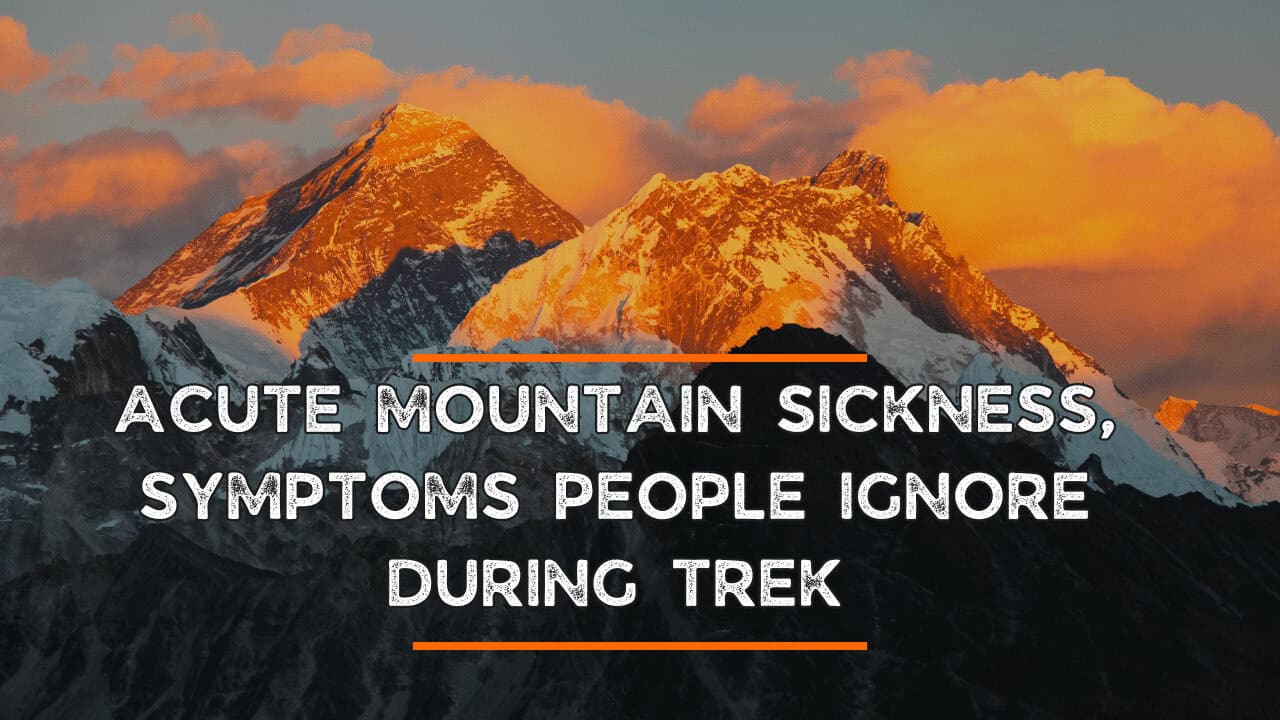
Know Everything About Acute Mountain Sickness

Acute Mountain Sickness occurs when people trek to high altitudes above 8,000 feet. This condition itself develops further due to reduced oxygen levels at such heights. Basically, as you go higher up, the air pressure and oxygen levels decrease, which causes the same problem. Acute Mountain Sickness surely causes headache, nausea, vomiting, and dizziness in affected persons. Moreover, peoples also experience difficulty in sleeping during this condition. To avoid mountain sickness, you should actually trek up slowly to higher altitudes. To learn further about this condition itself, watch the videos by Trekup India.