Best Time to do the Buran Ghati trek

If you’re planning to do the stunning Buran Ghati trek, believe me when I say that you’re in for a lifetime experience. But like any other high-altitude Himalayan trek, timing can be everything between a merely decent trek and an absolutely memorable one. From snowy landscapes in May to golden meadows in October, every season brings its own magical charm to the trails. I have written this article to help you understand when would be the best time to go on the Buran Ghati trek. 

Let’s get into it.

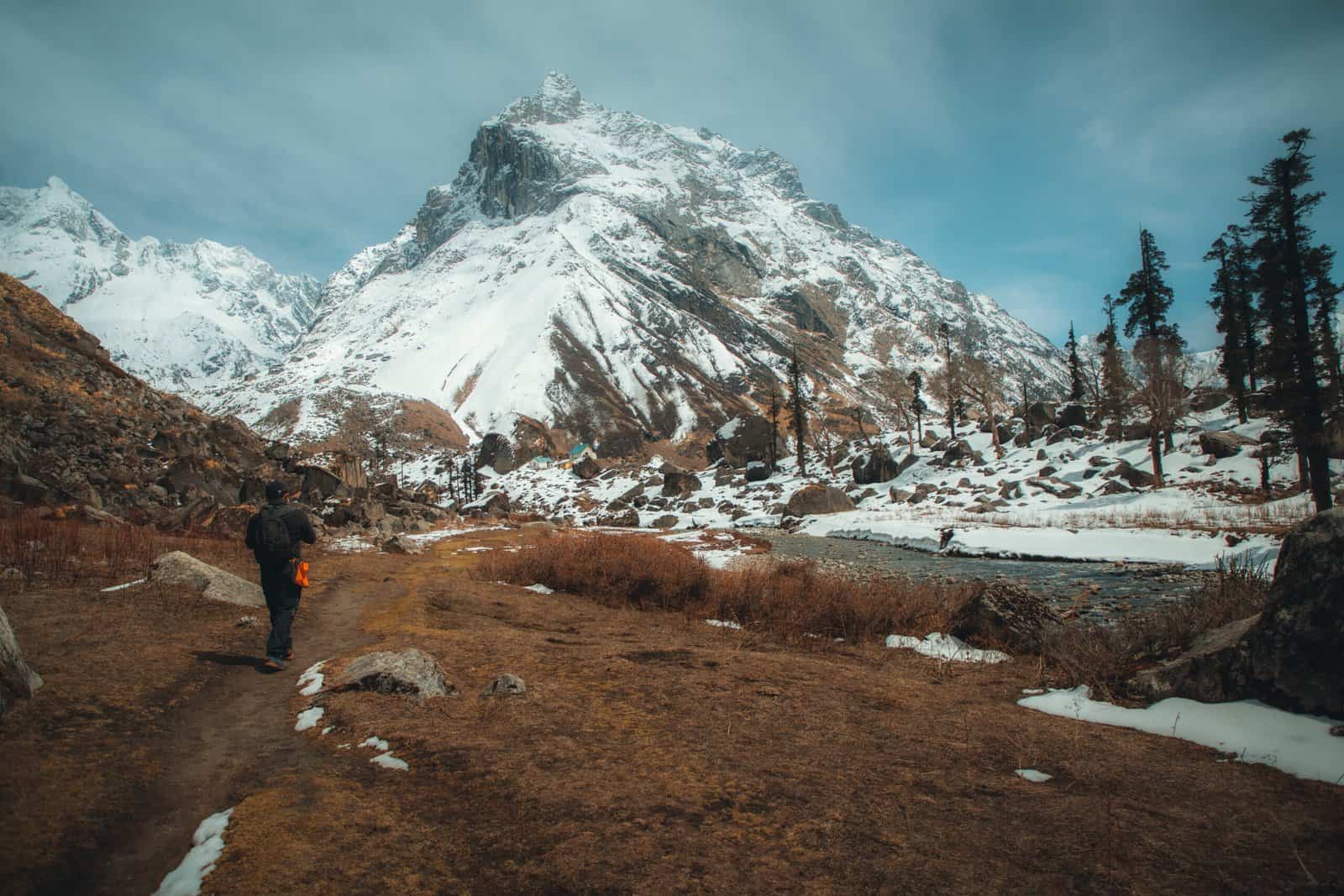
Buran Ghati Trek in May: A Snowy Experience

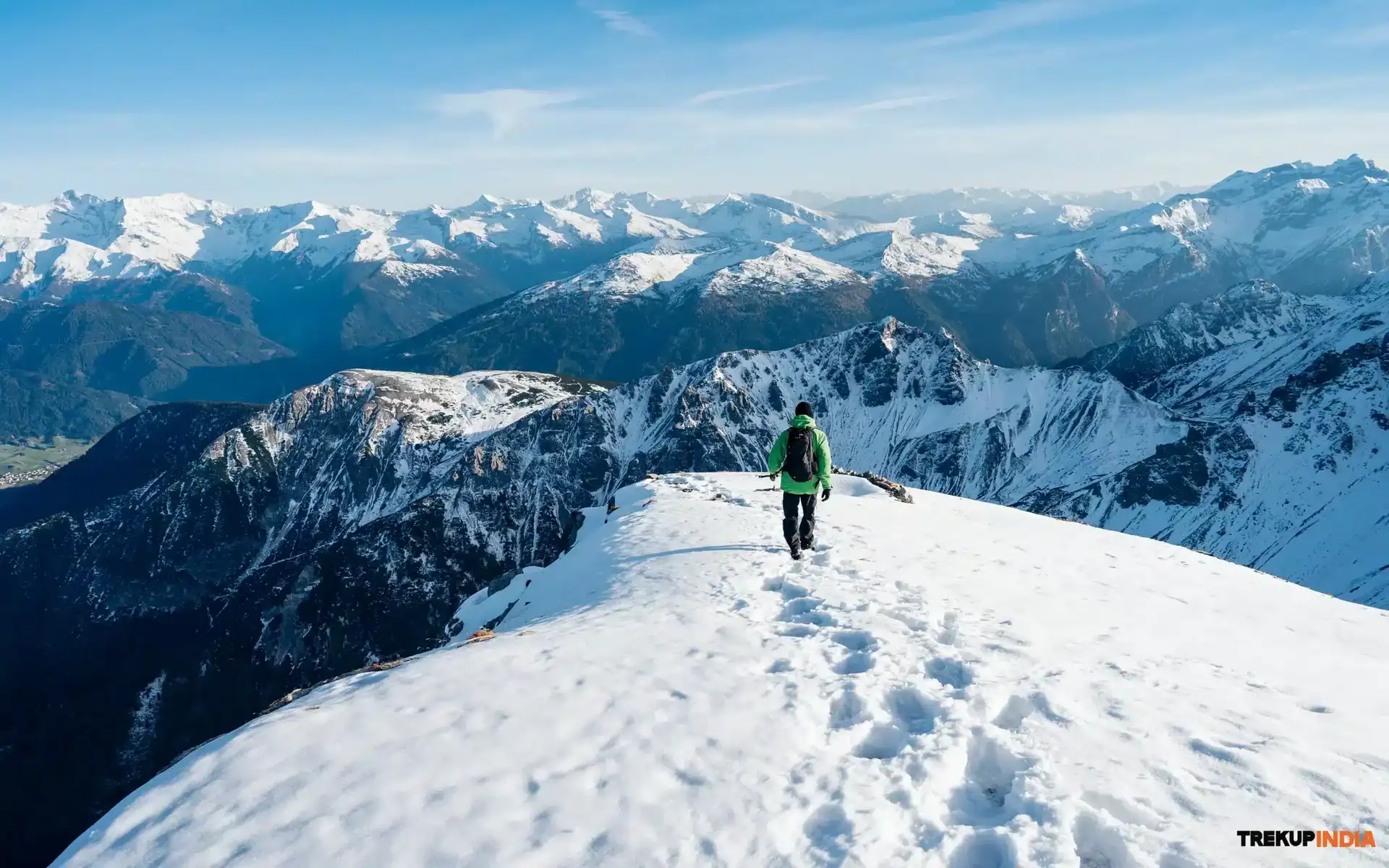
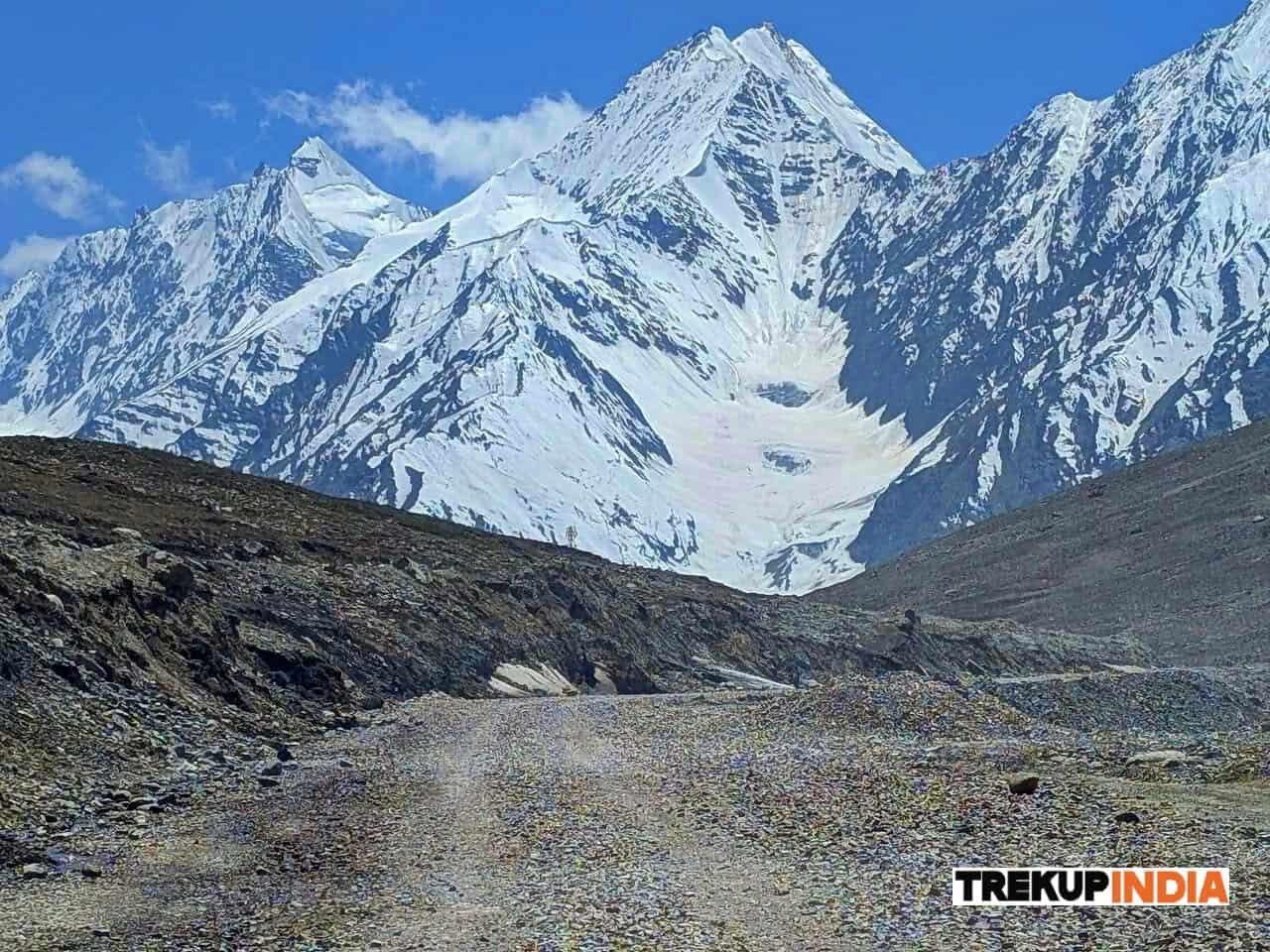
For those who wish to trek across snow-covered terrains, Buran Ghati trek in May is a dream come true. May is the very start of the trekking season, and the path remains covered with snow. This increases the difficulty of the trek a bit, but immensely rewarding for those who take it up.

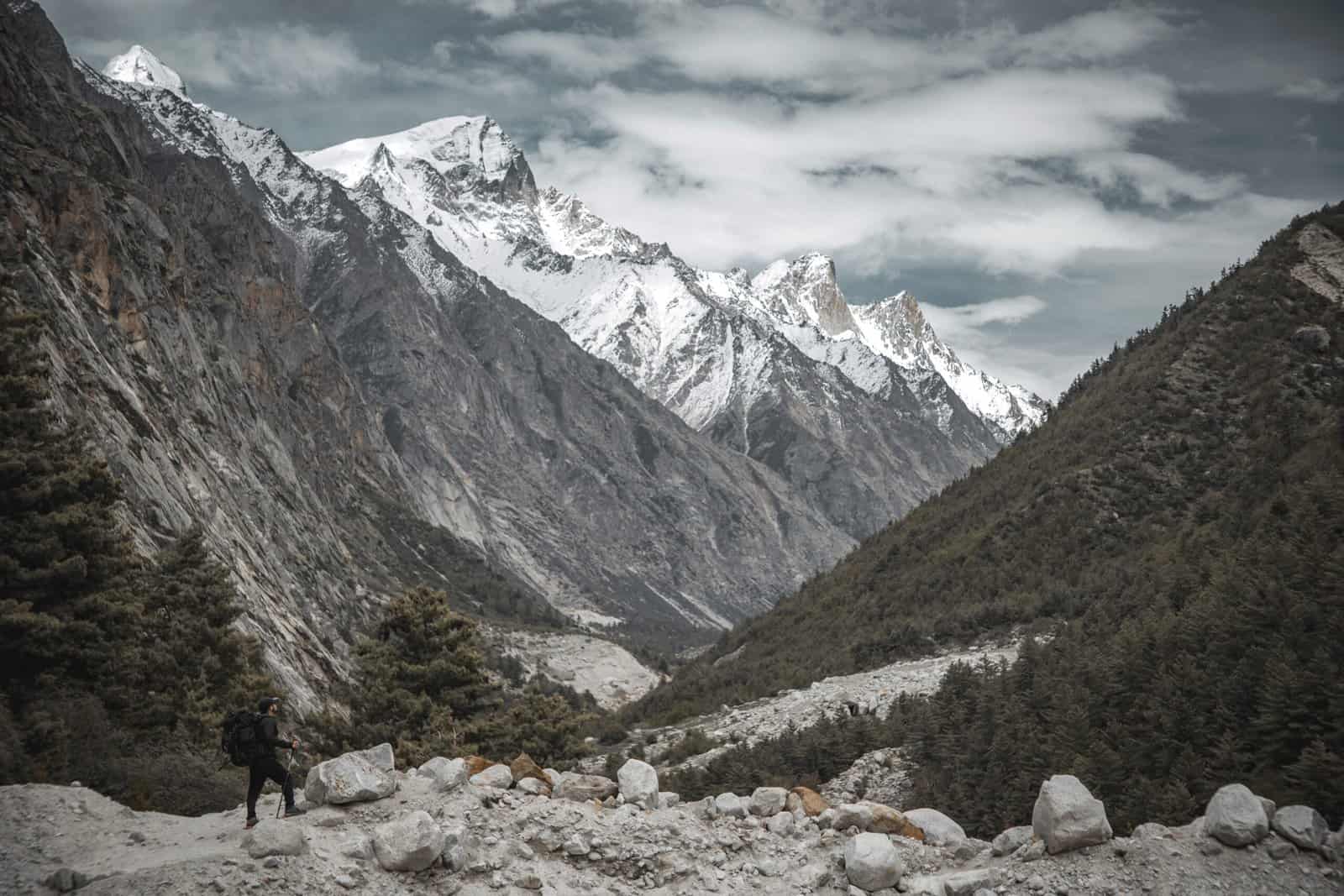
Best Time to do the Buran Ghati trek

The meadows are just beginning to show through the snow, presenting a stunning contrast of white and green. Frozen streams, snow bridges, and that famous snow wall close to Buran Pass remain intact. The weather is chilly but tolerable, particularly during the daytime when the sun shines. The nights can get cold, so it’s essential to arrive ready with the right equipment and choose the right trekking organization to ensure a safe trip. If you’re the type who needs a little excitement and don’t object to some snow on the ground, May is a great time to witness the beauty of Buran Ghati. 

Buran Ghati Trek in June: The Meadows in their full glory

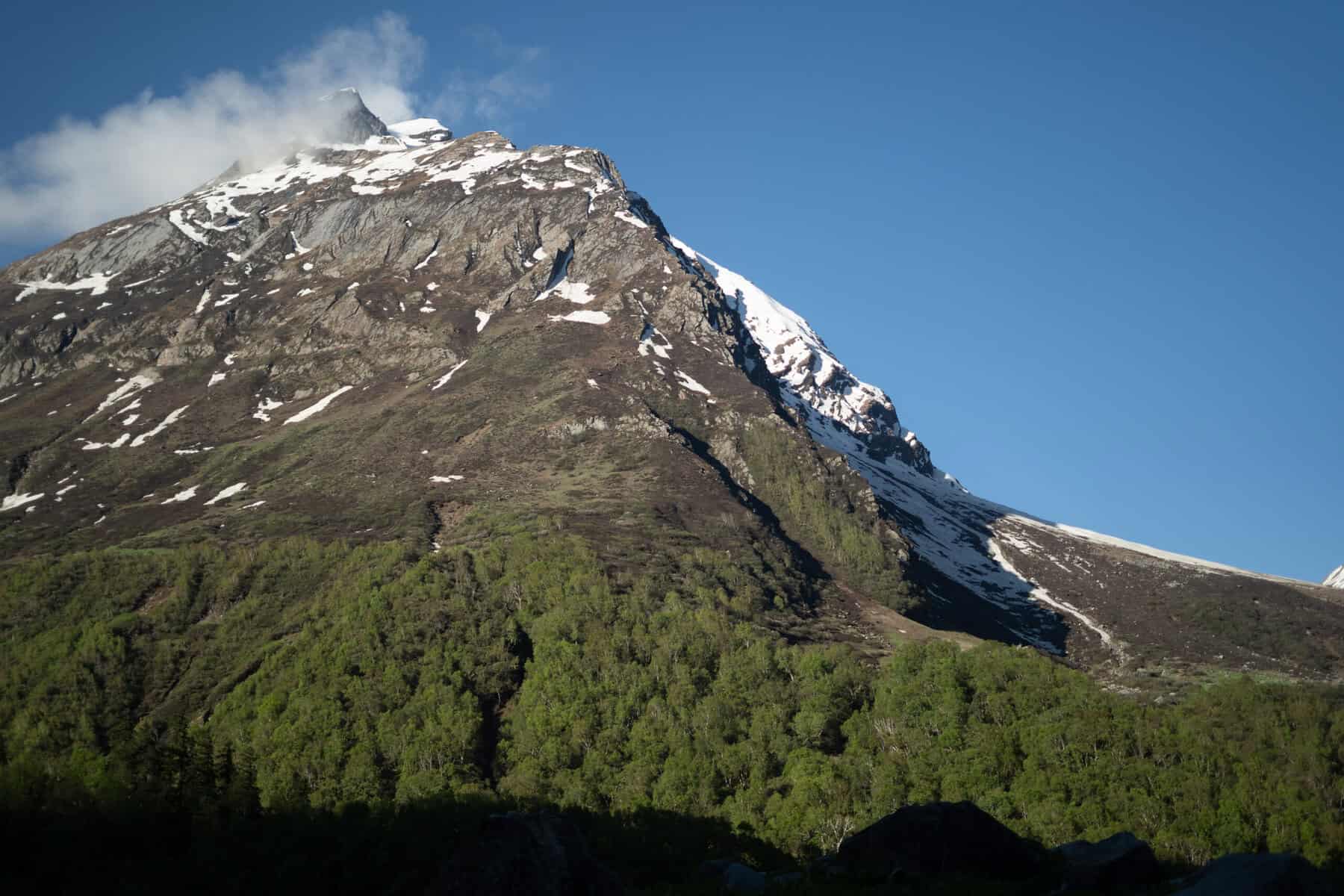
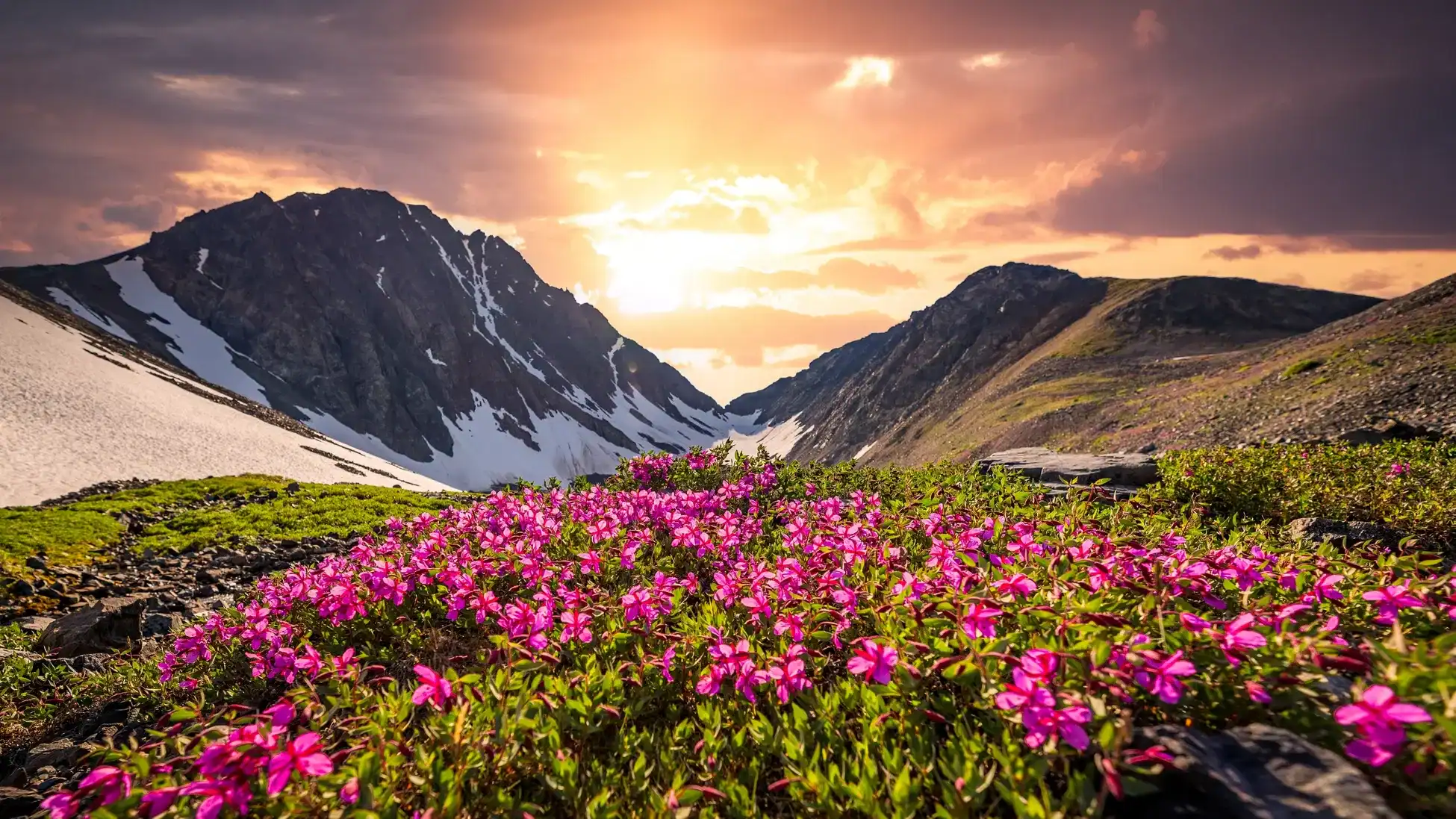
June is hands down the best month to embark on the Buran Ghati trek. By June, the snow melts to unveil the grassy green underside of the mountains. Trekking in Buran Ghati in June is a total visual feast. Wildflowers begin to bloom on large meadows, and the track buzzes with the sounds of life. The weather is perfectly warm; enough during the day for trekking and pleasantly cool in the evenings.

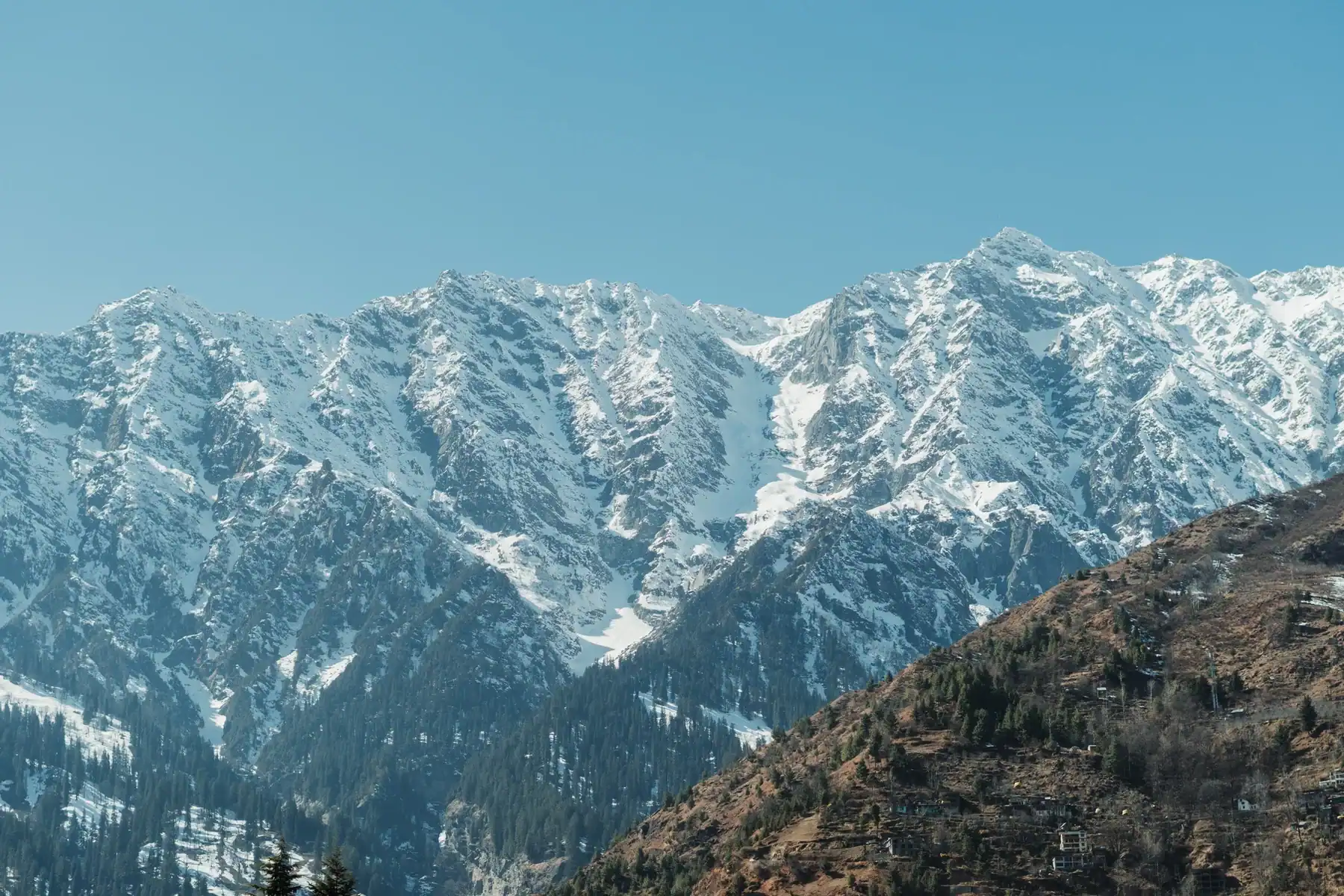
Best Time to do the Buran Ghati trek

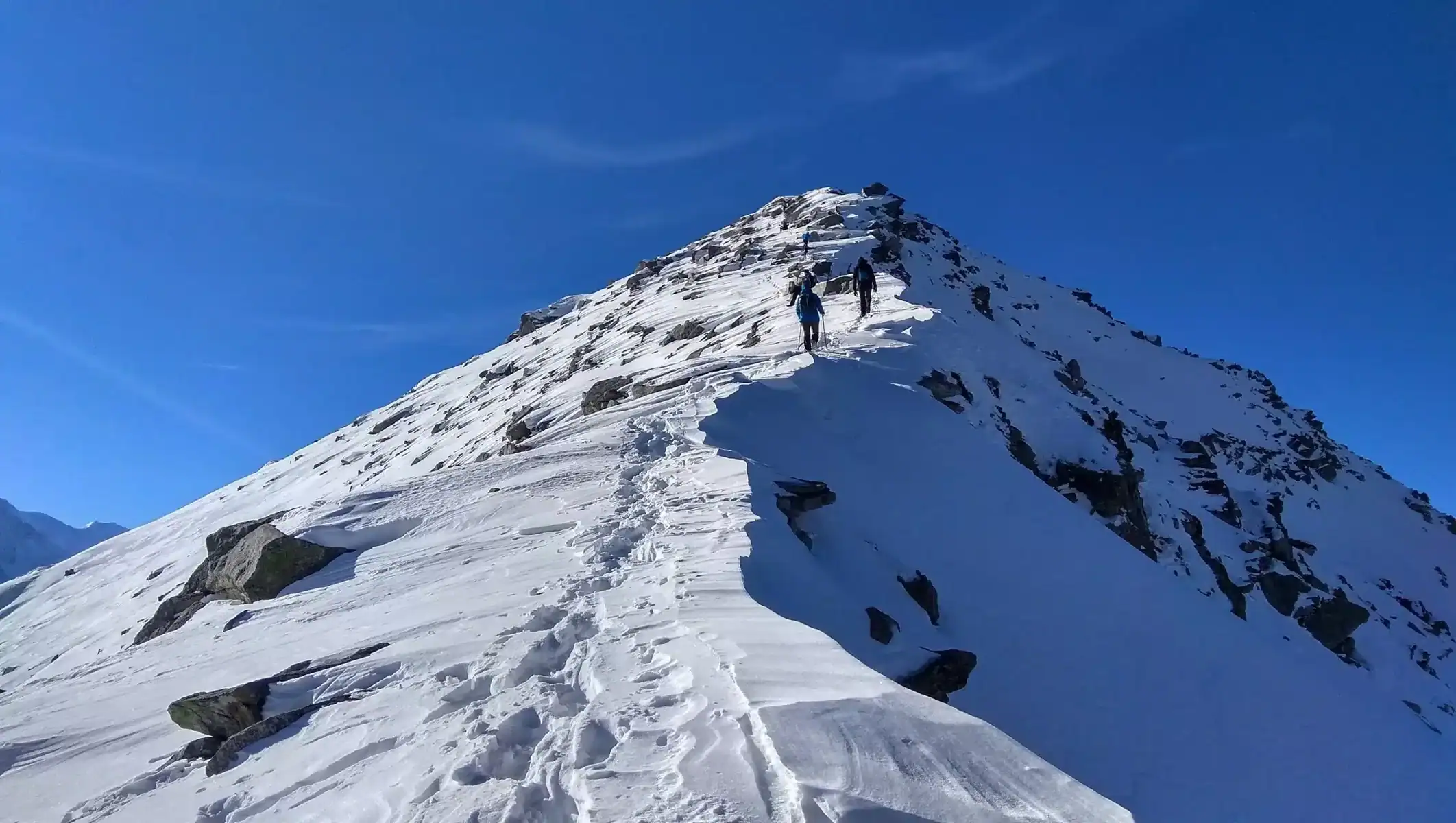
This is when streams are full of glacial melt, the pine forests release their loamy scent, and the whole trail is like from a storybook. The snow wall at the pass still persists in June, presenting trekking enthusiasts with the opportunity to witness the dramatic downclimb Buran Ghati is famous for, but with the added luxury of more favorable weather and more transparent skies. 

Then July onwards, the trek closes for the monsoons. The heavy rainfall makes the path slippery and unsafe so the trek is not recommended in the months of July and August. 

Buran Ghati in September: The least crowded season

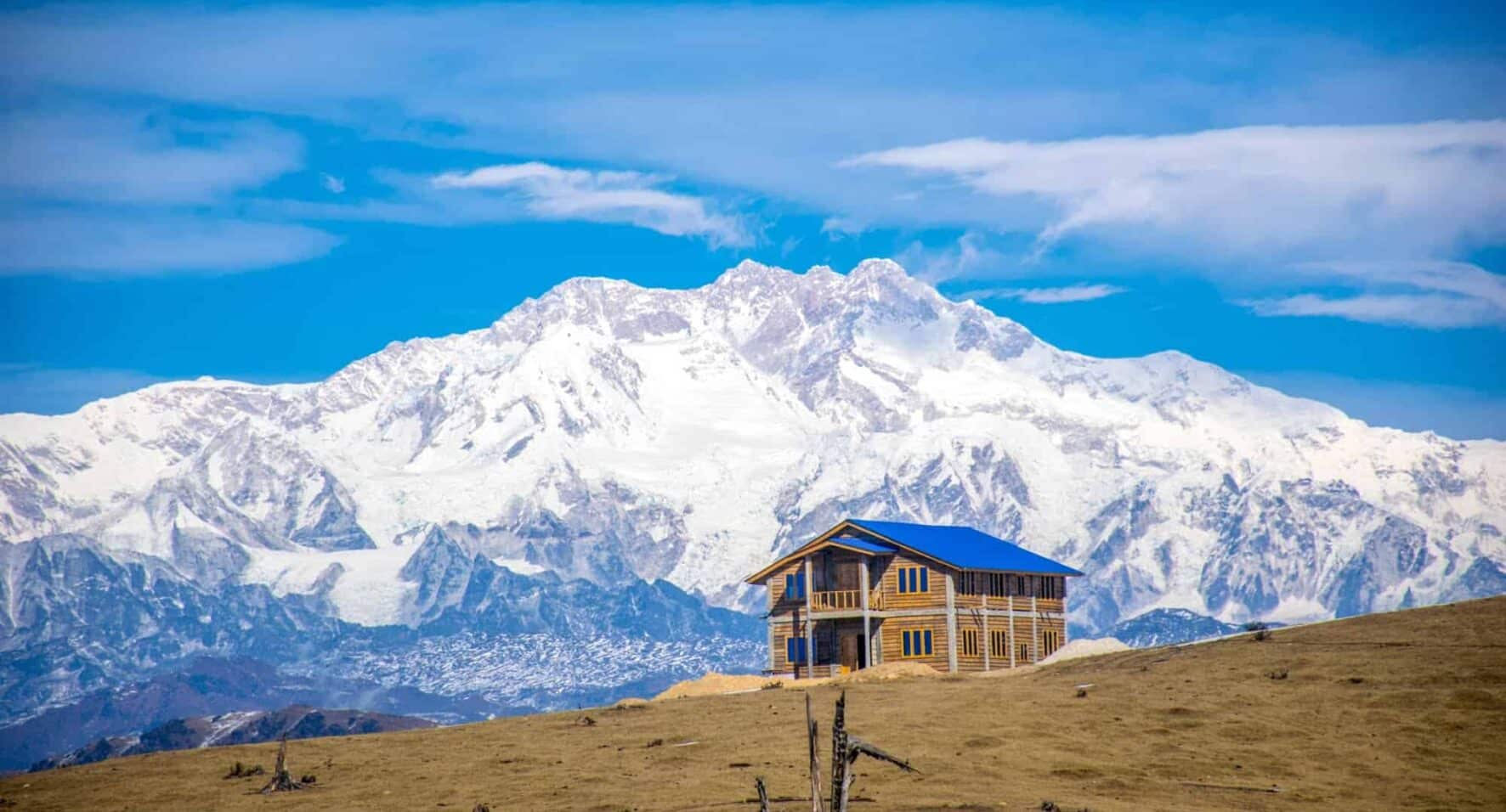
As the monsoon goes by, the rainfall has washed over the terrain clean. This month brings crystal clear blue skies and revitalized trails. The atmosphere is fresh and sharp, the vision is clear, and the view of snow-kissed mountains such as Kinner Kailash is breathtakingly stunning.

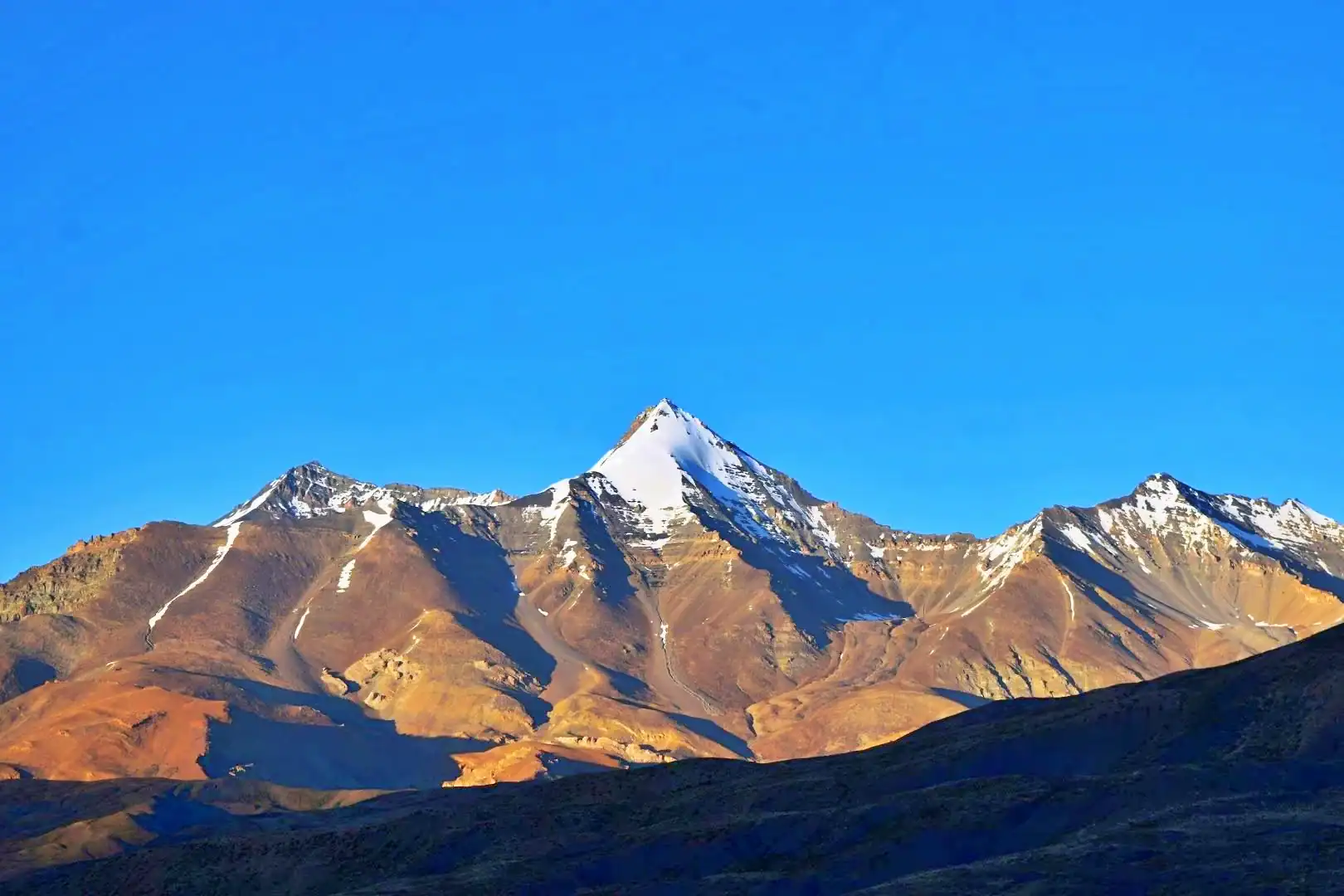
The path is stable and dry, so it’s less challenging to walk on. You’ll get a combination of late-summer foliage and the first blush of autumn. Plus, the crowd is thinner than in June, providing a quieter, more reflective trekking experience. If you want natural beauty and quiet, September is definitely one of the best months to go on the Buran Ghati trek.

Best Time to do the Buran Ghati trek

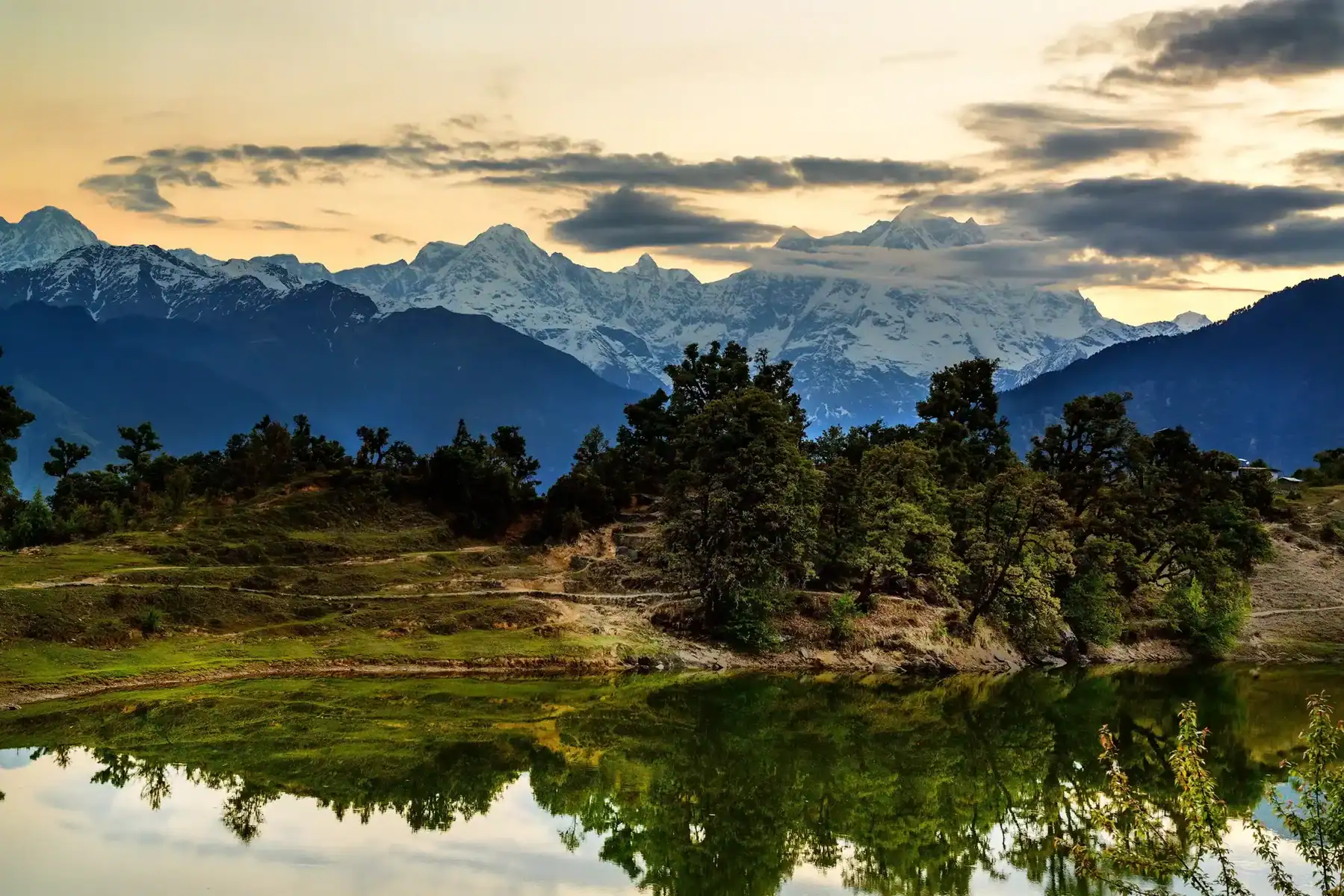
The Buran Ghati trek in October is the spectacle that precedes this part of India closing shop before winter descends. When this is when nature is coloured like a wild garden in harvest seasons, emerald and amber colours drape themselves over hillsides and jungles. Skyscapes remain sharp and often sharp, ranking the month being one of photography and scene for viewing for peak months.

October is so pleasant because it is balanced, the weather is cool but not cold, and the views are simply breathtaking. It is also the final window during which to make the trek before snowfall starts closing up the path. If you enjoy trekking in serene, sun-kissed fall landscapes, this is your ideal time. 

Buran Ghati Trek Best Time: The Final Verdict

The straight truth? It’s up to what you want.

For adventure seekers and snow enthusiasts: try Buran Ghati trek in May

For flowers on the meadows and photographs-perfect climate: June is the way to go.

For blue skies and isolation: there’s nothing like Buran Ghati trek in September.

For autumn foliage and regal scenery: schedule your Buran Ghati trek in October.  

About Author

founder Trekup India Preetam
Preetam Singh Rawat (Founder)

The person behind this trekking organization is someone who’s spent over a decade – 12 years, to be exact – living and breathing the mountains. With multiple high altitude summits under his belt (we’re talking 6000 to 7000 meter peaks), he’s not just experienced – he’s the real deal.

But what really sets him apart is the sheer number of treks he has guided. He has led over 200 Himalayan expeditions, including well known routes like Bali Pass, Buran Ghati, Rupin Pass, Pin Bhabha, Stok Kangri, and Black Peak. Not just once, but multiple times. So yeah, when it comes to the Himalayas, he knows every twist in the trail and every story the mountains have to tell.

Got questions or want to get in touch? Write to Preetam at preetam@trekupindia.com. He’s always happy to chat about treks, answer your questions, or help you prepare for your next big adventure.
Share this article

Facebook
Twitter
LinkedIn
WhatsApp
Threads
Tumblr
Reddit
Table of Contents
Close

Dates For Upcoming Treks

Want To Trek Like Pro?

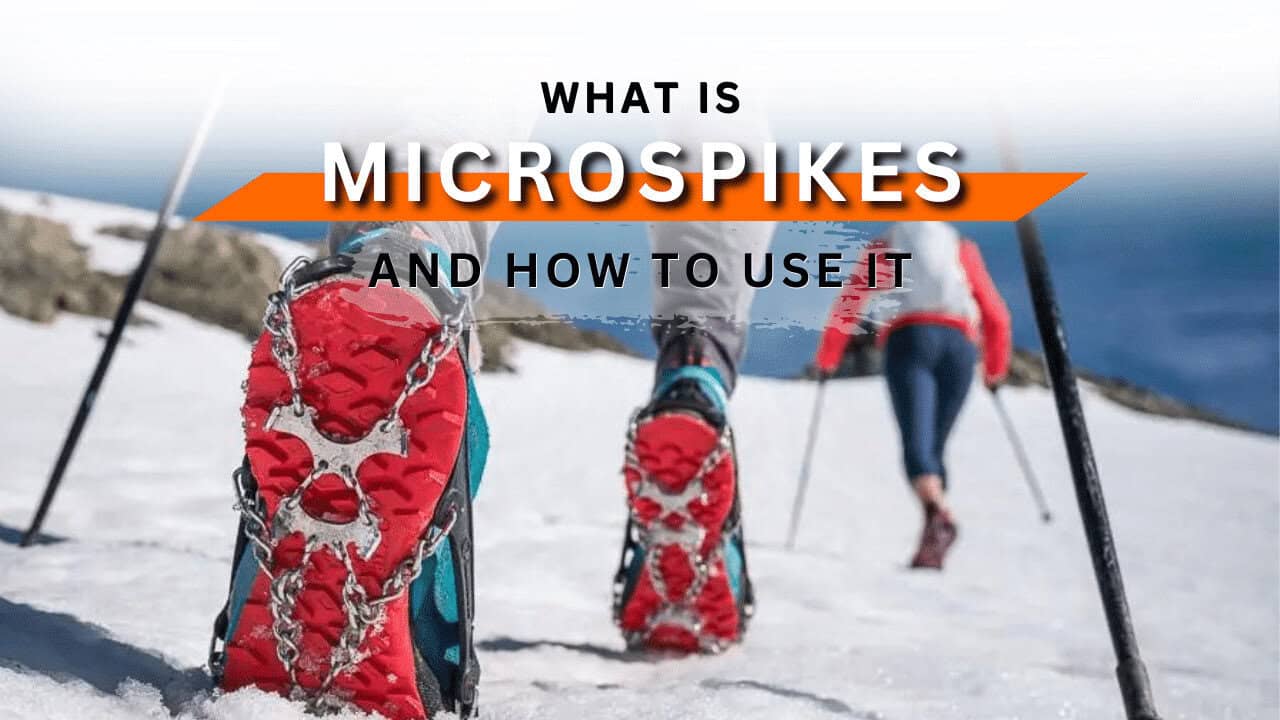
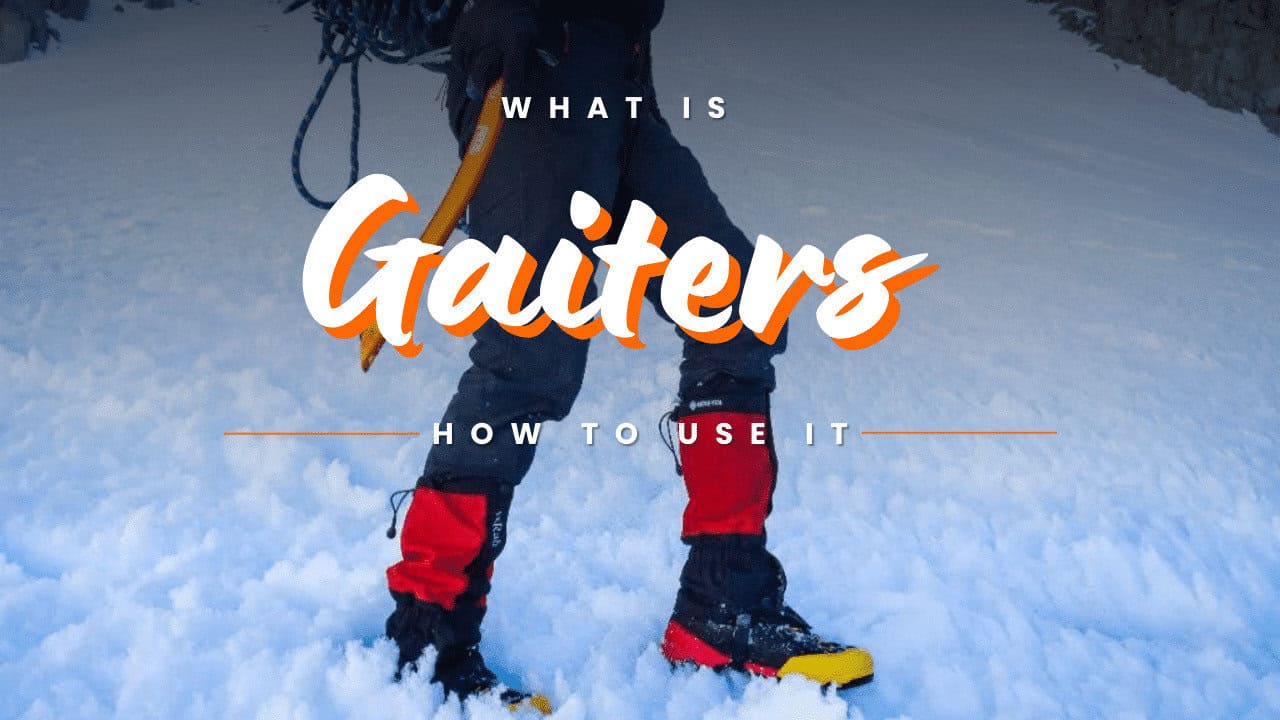
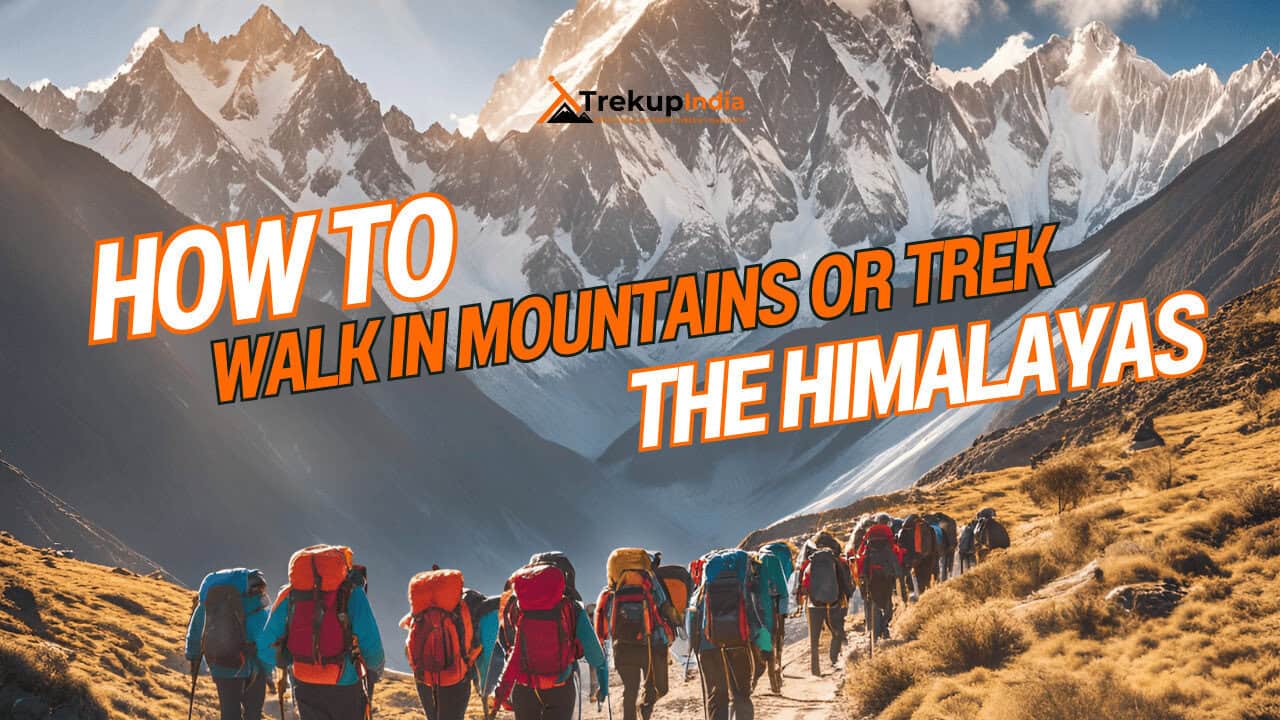
Basically, watch these videos if you want to trek the same way professional trekkers do and make your skills better. These videos contain useful tips and techniques to further improve your trekking skills itself. These videos actually help both new and experienced trekkers improve their trekking skills. These videos definitely provide useful tips that make your trek better. We are seeing that these videos by Trekup India experts will only help you make your trekking skills better.

Know Everything About Acute Mountain Sickness

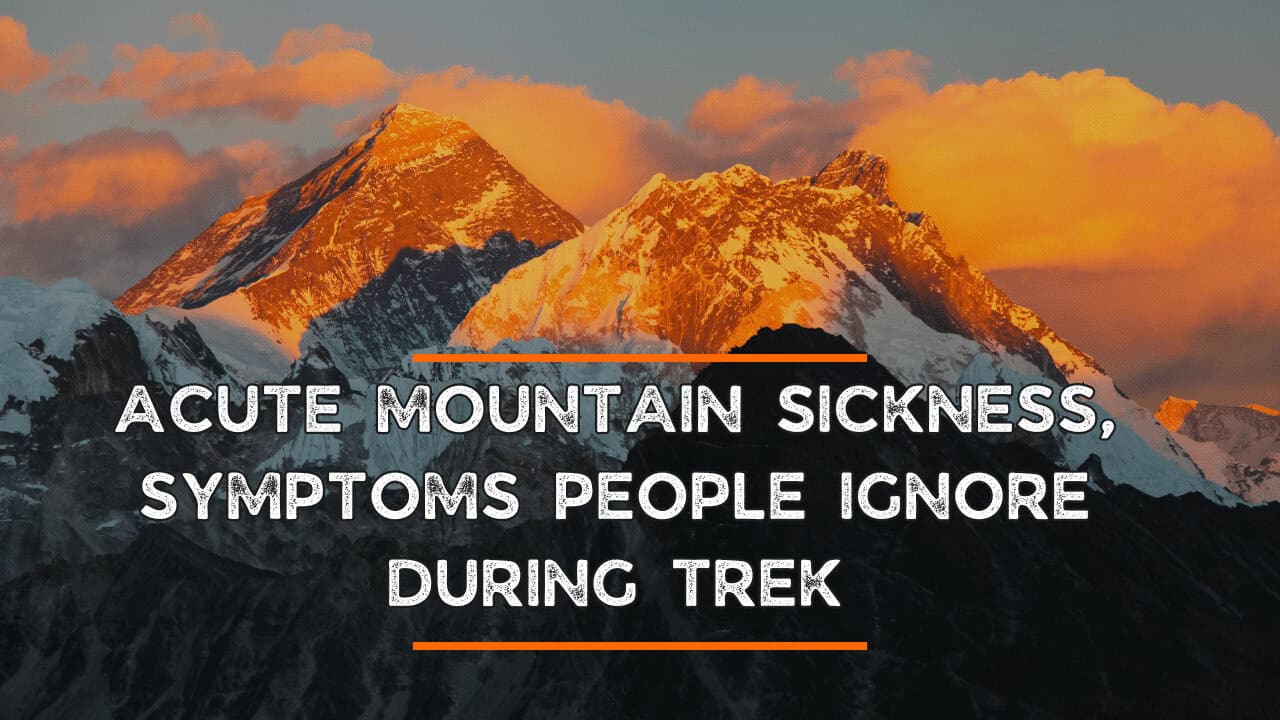
Acute Mountain Sickness occurs when people trek to high altitudes above 8,000 feet. This condition itself develops further due to reduced oxygen levels at such heights. Basically, as you go higher up, the air pressure and oxygen levels decrease, which causes the same problem. Acute Mountain Sickness surely causes headache, nausea, vomiting, and dizziness in affected persons. Moreover, peoples also experience difficulty in sleeping during this condition. To avoid mountain sickness, you should actually trek up slowly to higher altitudes. To learn further about this condition itself, watch the videos by Trekup India.