How Difficult Is the Hampta Pass Trek? Understanding Hampta Pass Trek Difficulty
Altitude: ~14,100 ft (4,298 m)
Trek Duration: 5–6 days
The Hampta Pass trek falls within the moderate difficulty category, attracting thousands of trekkers annually from the Kullu Valley to Lahaul in Himachal Pradesh. Due to rapid altitude increases and difficult terrain sections, along with unpredictable mountain weather that ranges from sunny skies to sudden showers, this Himachal Pradesh trek earned itself a Level 3 rating.
This guide is written for novice Hampta trekkers or those unsure if they’re physically prepared to tackle this high altitude journey. We will cover its difficulty rating and factors that make certain sections challenging, the fitness requirements needed to ascend 14,000 feet safely, weather patterns you can expect during trek season (be it snowy treks in June or stunning autumnal colours), as well as weather patterns you may experience when crossing over a pass.
Understanding Hampta Pass Trek Difficulty Rating
Hampta Pass falls within Moderate Level 3, making it suitable for more challenging treks and activities.
Hampta Pass earned its Moderate Level 3 difficulty rating due to a combination of challenging factors that set it apart from other treks. Most notably, its rapid elevation change puts undue strain on trekkers when traversing various levels, leaving little time for adjustment creating a challenge even experienced trekkers must face head on.
Classifying treks takes into account their lack of escape points in case of emergency along the trek, such as once trekkers have committed themselves to one section, retreat is often impossible; this increases risk and accounts for part of what makes moderate difficulty ratings so high.
Hampta Pass features several technical sections that require careful navigation and safe footing, combined with river crossings that must be made. trekkers must remain calm when crossing these sometimes turbulent waters to maintain balance.
Key factors determining trek difficulty grade include:
Trek difficulty grading involves an analysis of three essential factors that determine its overall level of challenge. Gradient is one such factor, representing the incline and intensity of ascent over the entire journey; steep gradients require greater physical effort and require skilled leadership for safe passage this directly affects its rating as difficulty increases.
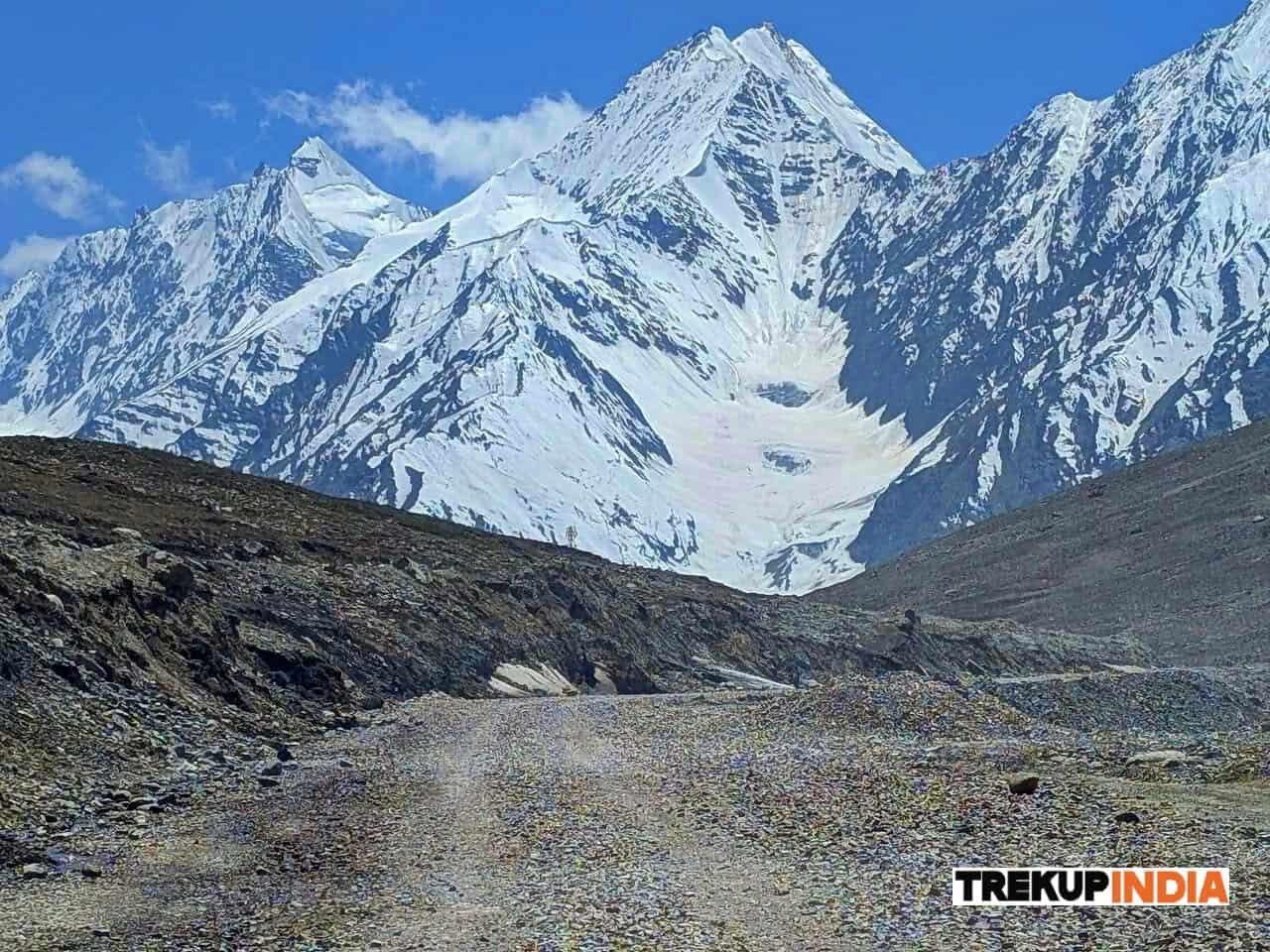
Nature of Terrain Encountered When it comes to assessing difficulty, terrain is of primary concern. Loose scree, rocky paths, glacier crossings, and varied terrain conditions all add complexity; Hampta Pass offers diverse terrain issues that necessitate different skillsets and equipment requirements for successful traversal.
Exit points play an integral part in difficulty ratings, as their accessibility impacts rescue efforts and retreat options. Treks that offer few emergency exit options tend to be higher in difficulty due to increased risk and limited evacuation strategies.
Comparative Comparison to Himalayan Treks
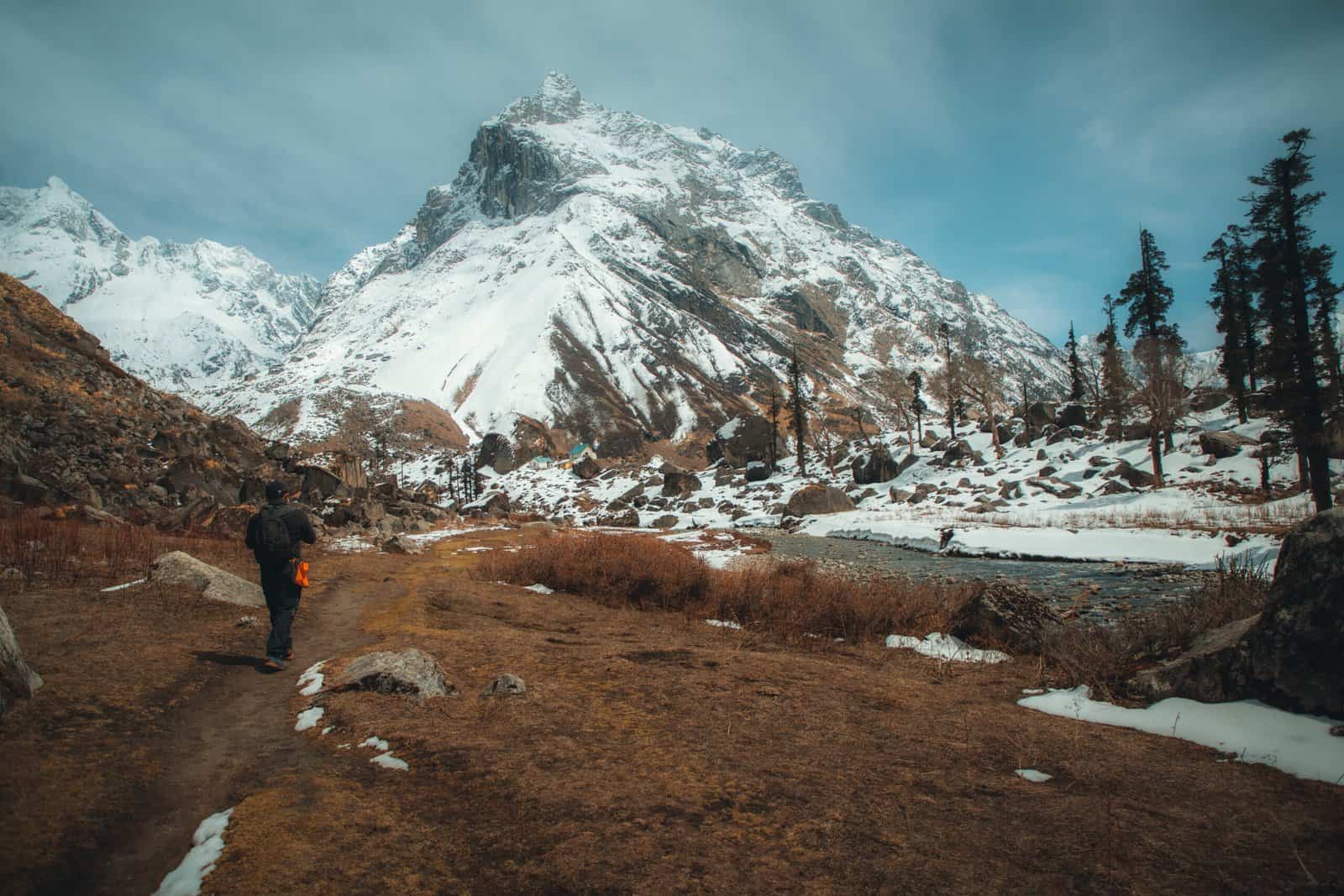
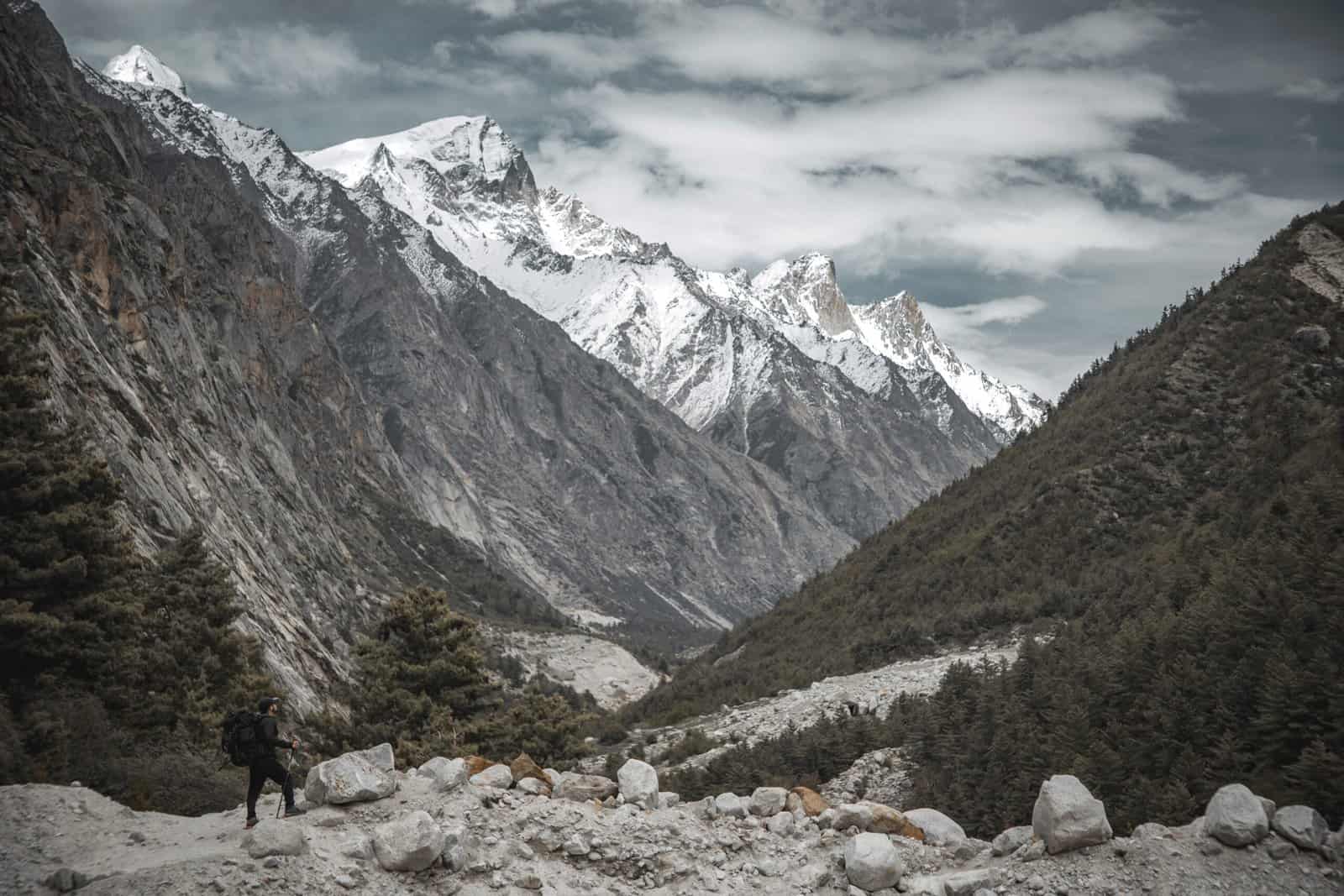
Hampta Pass stands out among Himalayan trekking destinations as one of the colder treks due to traversing through a highly narrow valley. This makes Hampta Pass an interesting trekking option.
This unique natural tunnel serves to channel winds all along the trek, increasing wind exposure. As a result, temperatures become progressively colder during your trek as more wind exposure occurs compared to other Himalayan routes at similar altitudes.
The combination of wind tunnel effect and the valley’s narrow shape creates microclimates that require trekkers to prepare differently than for other regional treks. Higher wind exposure and colder temperatures necessitate more extensive gear considerations and mental planning, particularly compared to treks that are sheltered from weather hazards.
Significant Challenges That Define Hampta Pass
The Hampta Pass trek presents numerous challenging obstacles that increase its difficulty significantly and make for a challenging adventure even for experienced trekkers. Understanding these hurdles is crucial to planning properly and completing your Himalayan adventure successfully.
Rapid altitude increase from 10,000 to 14,000 feet within just two days
One of the most significant challenges trekkers face when trekking or trekking is dealing with high altitude climbs. Trekkers need to reach 14,000 feet quickly in just two days, which makes for a rapid ascent, particularly since they gain elevation on their first journey to Jobra alone! Rapid elevation changes such as this leave trekkers only a limited time for acclimatization before the risk of complications related to altitude becomes increasingly difficult from day one of their trek.
Emergency exit points may be limited as you venture deeper into your journey.
Access to emergency facilities becomes a serious concern once trekkers are well into their journey. Due to its remoteness, finding accessible emergency exits can be highly challenging, particularly from strategically situated points like Balu ka Ghera. When an emergency strikes, trekkers must be prepared for long treks across an entire valley, as there are no suitable evacuation routes. This creates an additional source of psychological strain and requires thorough planning of safety procedures in case anything unexpected should arise.
Technical terrain that features overhangs and challenging sections
The trek presents several technical terrain obstacles that require the assistance of a mountain guide and an acute eye for navigation. Rocky sections are prevalent throughout, becoming particularly noticeable once crossing over the Lahaul pass into the Lahaul region. Their prominence increases due to the shifting landscape, which transforms into a desert like rocky terrain characterized by overhangs that look onto the river below. To safely traverse these sections, intense concentration and keen navigation skills are required.
Steep Descents on the Lahaul Side
After reaching the Pass, trekkers must descend into Lahaul which presents incredible steep and rugged descents with desert like terrain that poses unique navigational challenges to those used to the more conventional Himalayan terrain previously encountered during their trek.
Rope assistance may be required for multiple river crossings requiring rope assistance.
The route offers numerous river crossings that pose constant challenges during a trek. These water crossings, which take place before reaching any passes, require rope assistance or help from trekking groups to cross rapid flowing mountain streams safely.
Essential Fitness Requirements for Success
Once we’ve discussed what makes Hampta Pass challenging, let’s dive deeper into its specific fitness requirements to traverse it successfully. Being physically fit is at the foundation of an enjoyable and safe trek; knowing these standards will allow you to gauge your level of physical preparation for this Himalayan expedition.
Target running benchmark: 5km in 35 minutes
Your fitness program should focus on reaching a specific benchmark for cardiovascular fitness. Aim to complete a 5 km run in under 35 minutes, as this serves as an excellent indicator of the endurance and aerobic levels necessary for trekking at higher altitudes, where oxygen levels decrease drastically.
The 35 minute goal should not simply be seen as a number; rather, it serves as an indicator of your body’s endurance when exercising for longer durations something which translates directly to trekkers’ ability to traverse diverse terrain.
Core Strength Building using Planks and Squats
Core strength training should also play a vital role in your mountain preparation routine, including cardiovascular fitness. Make sure to include exercises like squats and planks into your program as these target specific muscles of the core, legs and upper body. By doing so you ensure that your body gains both the strength and stability needed to navigate mountainous terrain with ease.
Squats build the leg strength necessary for climbing steep slopes while planks develop core stability essential to keeping your balance when carrying heavy backpacks over rugged terrain.
Strength training to carry a heavy backpack on steep uphill terrain.
Your training program must address the unique difficulty of carrying a backpack for extended periods. This type of endurance differs significantly from usual fitness routines because it involves both cardiovascular demands and additional strain associated with keeping balance on uneven surfaces.
Strength training exercises such as those listed above help develop endurance for backpacking so that your body can carry the load without hindering performance or increasing injury risk.
Minimum preparation timeframe should be 6 weeks.
Given this comprehensive fitness strategy, a minimum preparation period of at least 6 weeks should be allotted before setting out on your trip. This should give your body ample time to adapt to training demands while building up its necessary fitness base.
This timeline isn’t random: it represents the minimum period necessary for physiological changes to take place and ensure that any fitness gains translate into real trekking capabilities rather than temporary conditioning.
Weather Patterns and Temperature Expectations in Your Area
Why does Hampta Pass feel colder than other treks?
The Hampta Pass trek stands out among popular trekking destinations in Uttarakhand for its striking thermal landscape, set apart by its location within a narrow valley that creates a natural wind tunnel, funneling powerful cold winds through. This geographic feature greatly amplifies temperatures, making them seem much harsher than on other high altitude routes; combined with elevation changes and wind funneling phenomena, even experienced trekkers may be taken by surprise and require additional layers and cold weather attire than would usually be required by mountain trekking routes.
From June through September, the climate experiences seasonal variations.
Trekking Hampta Pass during its four month trekking season can reveal distinct and dramatic weather changes that range from June to September, when temperatures can become significantly colder, and snowfall becomes frequent across the trek two months that provide some of the most challenging conditions for trekkers trying to climb it.
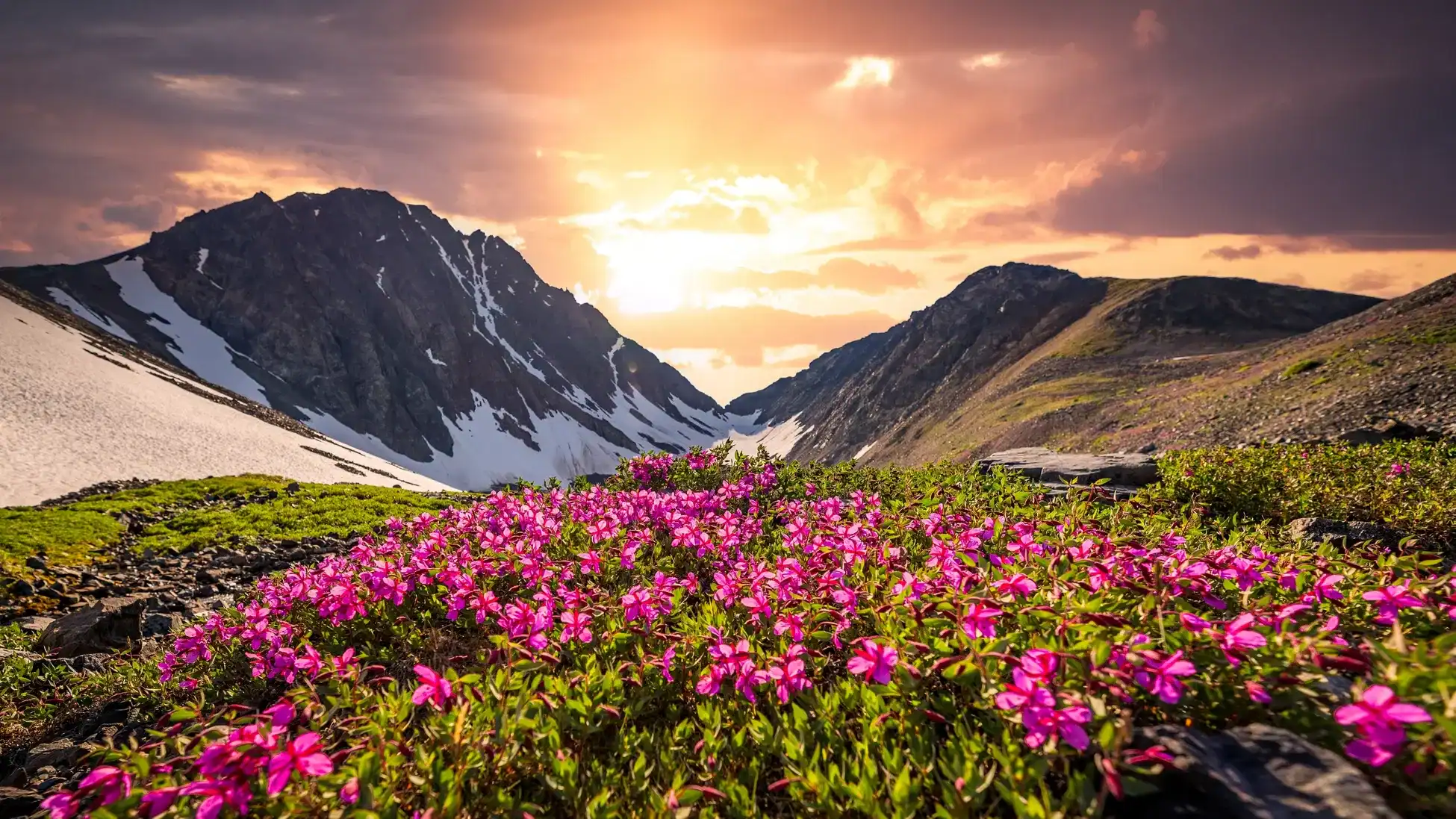
July and August bring warmer temperatures that completely transform the landscape. When temperatures peak during this period, regular rain helps clear away snow covered campsites and treks before sparking wildflower blooms in alpine meadows to provide one of the most picturesque trekking conditions of the year.
Temperature fluctuations throughout the day and conditions at night
Trekkers must be prepared for drastic temperature variations while travelling. Temperatures during the day typically range from 13 to 18 degrees Celsius, providing an enjoyable trekking experience when the sun shines. However, as evening approaches, temperatures can fall to 8 13 degrees Celsius, requiring additional layers of insulation for safety.
Nighttime camping conditions present unique thermal challenges when temperatures can drop as low as three to four degrees Celsius, necessitating high end sleeping systems and outfit management to provide comfortable rest periods.
Impact of Alpine High Altitude Campsites Above Tree Line
Balu ka Ghera and Shea Goru, situated between 12,000 and 2,500 feet, experience some of the harshest temperatures during a trek. These alpine campsites sit above tree line and feature exposed rock terrain as well as persistent snowy patches that reflect cold temperatures, creating harsh microclimates.
From June to September, camps can experience temperatures that reach below zero and test even the most experienced trekkers’ equipment and endurance. Due to the lack of trees providing windbreak protection against harsh weather conditions and an exposed snow covered landscape that doesn’t insulate from soil temperature fluctuations, selecting suitable equipment is of utmost importance for comfort and safety.
Resolving Monsoon Rains and Conditions for Snowfall
Given these considerations, let us now turn our focus towards the unique conditions trekkers must adapt to on their Hampta Pass journey, paying particular attention to monsoon patterns and snow accumulation that could drastically change your experience of trekking through this spectacular Pass.
Monsoon Rain Patterns and Expected Duration Estimates
The monsoon season brings manageable rainfall to the Hampta Pass region, and trekkers should expect monsoon rains during their trek season; however, trekkers typically only experience intermittent drizzles that last only briefly; therefore, trekking never comes to a halt due to weather conditions clear days provide plenty of chances to continue safely on your trek!
Rain showers typically occur intermittently and at moderate intensity levels, making their impact minor and less of an obstacle to trekking than expected. Being aware of this pattern can help trekkers mentally prepare for short delays while assuring their trek will go according to plan.
Snow Presence Timeline from June through July
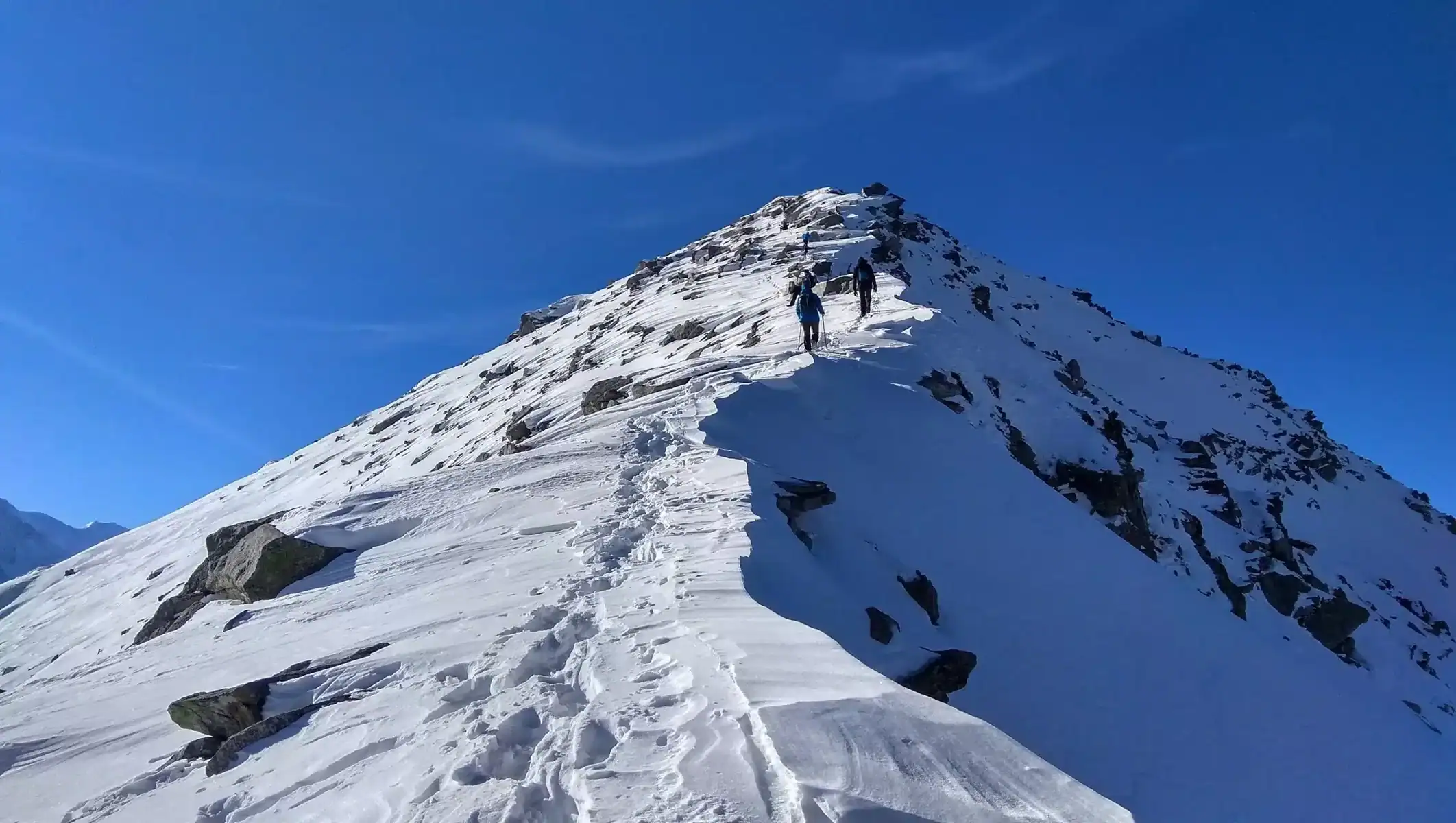
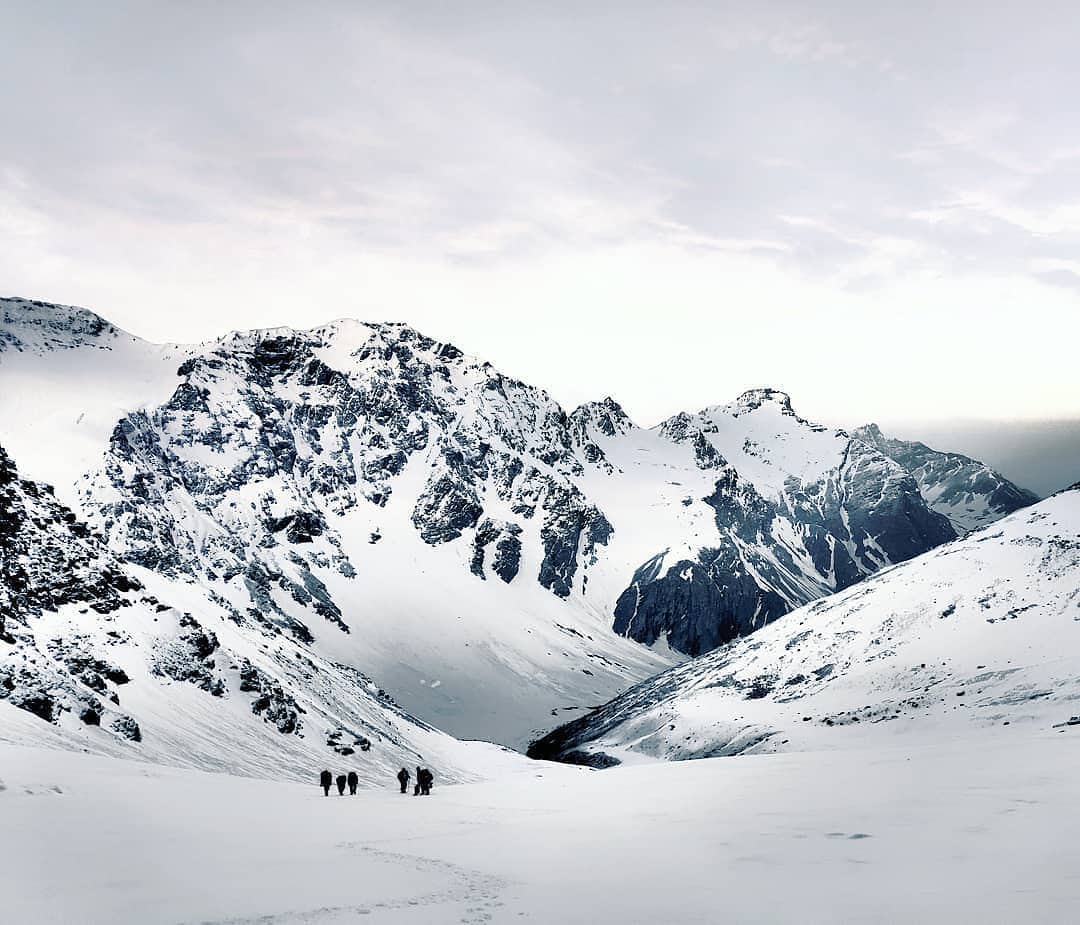
Hampta Pass snow conditions follow an obvious seasonal cycle that affects trekking conditions and access. From June until the last days of July’s treks end, snow lingers within Hampta Pass itself, creating an idyllic winter landscape during its summer treks.
Beginning around the end of July, snowmelt starts in earnest and slowly changes the landscape. Even after this initial melting phase is complete, small pockets of snow may remain visible across various sections of the Pass in shaded and higher elevation spots, creating beautiful yet challenging trekking conditions and necessitating proper gear and preparation to traverse it successfully.
Essential Rain Gear and Microspike Requirements
Gear selection is of paramount importance when trekking the Hampta Pass route in changing weather conditions, and an adequate rain gear set should be considered an absolute essential. Rain gear protects you from unexpected drizzles while providing comfort during wetter periods.
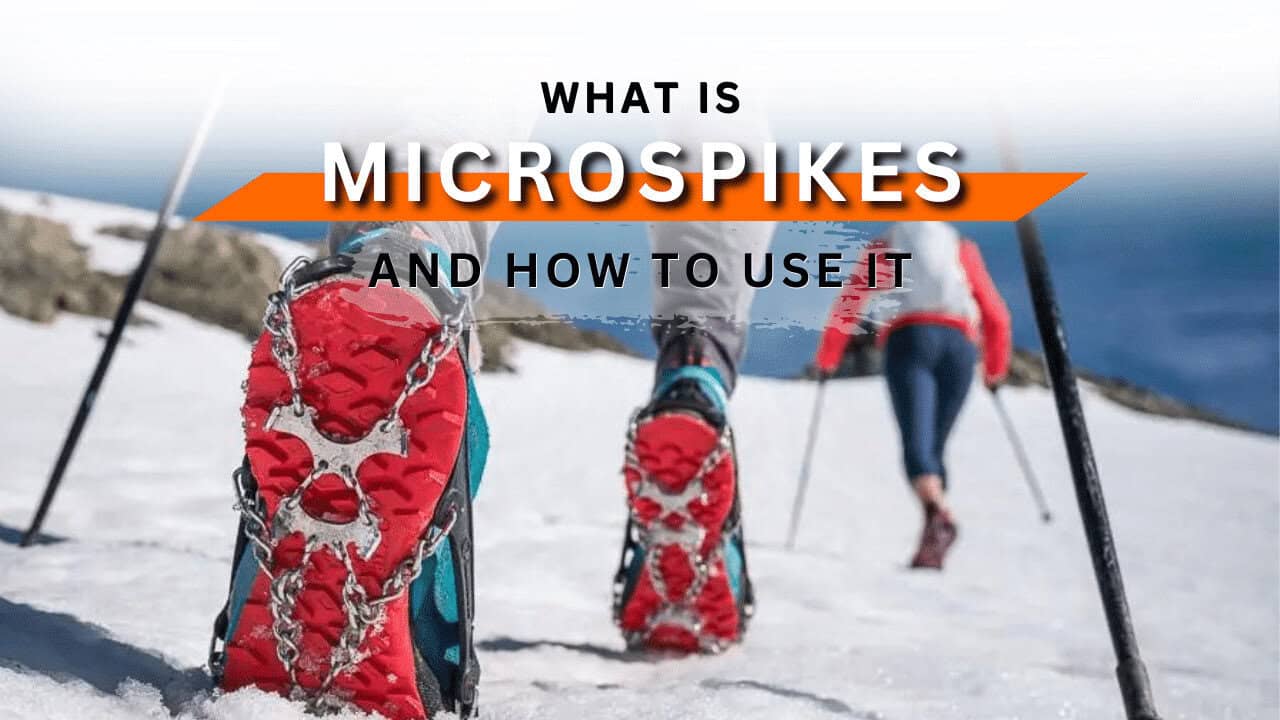
Microspikes and gaiters are essential safety equipment when traversing snowy terrain. Trekking teams typically offer specialized gear when conditions dictate its use, ensuring everyone can access appropriate traction devices without needing to purchase expensive gear just for one trip.
Contingency Planning for Weather Delays
Weather can often result in unpredictable situations that require us to change plans quickly and flexibly, such as extended stays at particular camps or making difficult decisions such as returning to base for safety purposes. Our trekking team has the authority to make such crucial decisions based on current conditions. In such instances, they must make vital decisions on itinerary changes accordingly based on current conditions; such decisions could involve anything from extending stay by another day at specific camps to returning due to safety reasons.
Smart trekkers incorporate buffer days into their plans specifically to account for possible delays caused by weather delays, which could entail missed flights, work obligations and other commitments that might be affected by longer trekking duration. Buffer day planning expertise reduces stress when extreme conditions require flexibility with schedules.
Select the Best Trekking Season
Once we’ve addressed both physical and weather related challenges, determining a best time and date to embark on our Hampta Pass trek becomes paramount to its success. Each season brings different advantages and drawbacks that could drastically change your trekking experience.
June brings many advantages: Snow landscapes, cooler temperatures and breathtakingly stunning scenes.
June is a best month for trekkers seeking breathtaking snowy landscapes at comfortable temperatures, offering stunning snow covered vistas along the trek with clear snow views that last well into July. Additionally, cooler temperatures in June ease physical requirements of treks while providing relief from lower altitude heat in summertime. Furthermore, photographers and nature lovers have unparalleled chances to capture unspoiled Himalayan winter beauty as photographers document this magical mountain region in all its winter glory.
July August Benefits: Enjoy beautiful blooms and lush greenery during this period.
Hampta Pass becomes a botanical paradise during July and August due to an extraordinary display by nature that creates an explosion of flowers along its trek route, covering it like an expanse of vibrant wildflowers spanning slopes and meadows an attraction beautiful to nature lovers and botanists who wish to experience Himalayas at their most vibrant state.
September is known for offering stunning autumn hues with less rainfall.
September is an excellent month for trekkers seeking to experience beautiful autumn colors without the heavy rainfall of previous months. Lower precipitation levels provide more stable trekking conditions while the landscape transforms into stunning autumnal hues. Trekkers should note that September marks the onset of winter weather conditions, with temperatures declining toward harsh winter conditions. However, this time of year particularly appeals to those seeking aesthetic beauty and comfortable conditions.
Why should one avoid May and October?
May and October pose significant difficulties that make them unsuitable for most trekkers. May is advised against due to snow accumulation along the treks, creating hazardous and difficult conditions which necessitate advanced mountaineering abilities. On the other hand, October presents additional threats with its potential first significant snowfall of winter season and can create dangerous situations for unprepared trekkers.
Conclusion
The Hampta Pass trek offers an unforgettable adventure that requires careful preparation and consideration. Rated at Moderate difficulty level 3, this trek presents unique challenges such as rapid altitude climbs up to 14,000 feet, challenging river crossings and limited exit points in case of emergencies. Due to its narrow valley setting, temperatures range from pleasant during the day ranging between 13-18 degrees Celsius down to subzero levels at higher camp sites an adventure not for the faint of heart!
Success on any trek depends on good physical condition. Aim to complete 5km in 35 minutes and strengthen both leg and core muscles before setting out on your adventure. Understanding seasonal changes is also critical; June brings with it snow covered landscapes, while July and August bring monsoon flowers and lush greenery, followed by stunning autumn colours and less rainfall in September. No matter when or why you decide to trek, make sure that you bring along sufficient equipment in case of cold, rain and snowy conditions. Create a fitness plan, monitor weather forecasts, and prepare mentally for what lies ahead the Hampta Pass trek promises one of Himachal Pradesh’s most spectacular and rewarding mountain adventures!
About Author
Anoop Rawat (Admin TrekUp India)
Anoop has worked for 5 years as a Trek Leader with TrekUpIndia, leading numerous treks across the diverse and challenging terrains of Uttarakhand and Himachal Pradesh. He holds a degree in Geology with a specialization in Geographic Information Systems (GIS) from UPES Dehradun. During his academic years, he actively applied his classroom knowledge in the field—most notably by contributing to a glacier research project on the Jundar Glacier in the Har Ki Dun Valley, Uttarakhand. Write Anoop at anoop@trekupindia.com
Share this article
Dates For Upcoming Treks
Want To Trek Like Pro?
Basically, watch these videos if you want to trek the same way professional trekkers do and make your skills better. These videos contain useful tips and techniques to further improve your trekking skills itself. These videos actually help both new and experienced trekkers improve their trekking skills. These videos definitely provide useful tips that make your trek better. We are seeing that these videos by Trekup India experts will only help you make your trekking skills better.
Know Everything About Acute Mountain Sickness
Acute Mountain Sickness occurs when people trek to high altitudes above 8,000 feet. This condition itself develops further due to reduced oxygen levels at such heights. Basically, as you go higher up, the air pressure and oxygen levels decrease, which causes the same problem. Acute Mountain Sickness surely causes headache, nausea, vomiting, and dizziness in affected persons. Moreover, peoples also experience difficulty in sleeping during this condition. To avoid mountain sickness, you should actually trek up slowly to higher altitudes. To learn further about this condition itself, watch the videos by Trekup India.