Best Spring Treks in the Himalayas 2025: Top 15 Picks
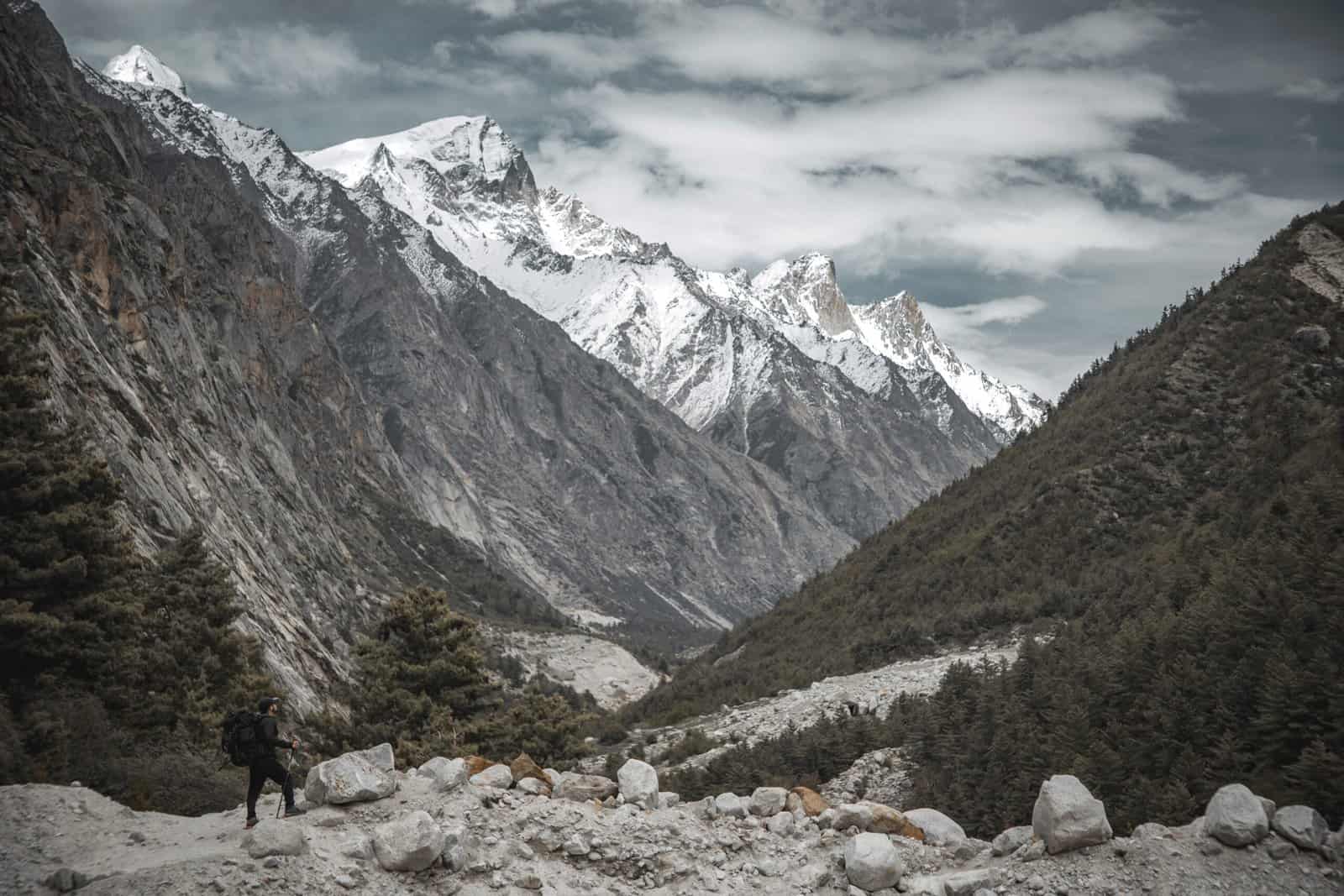
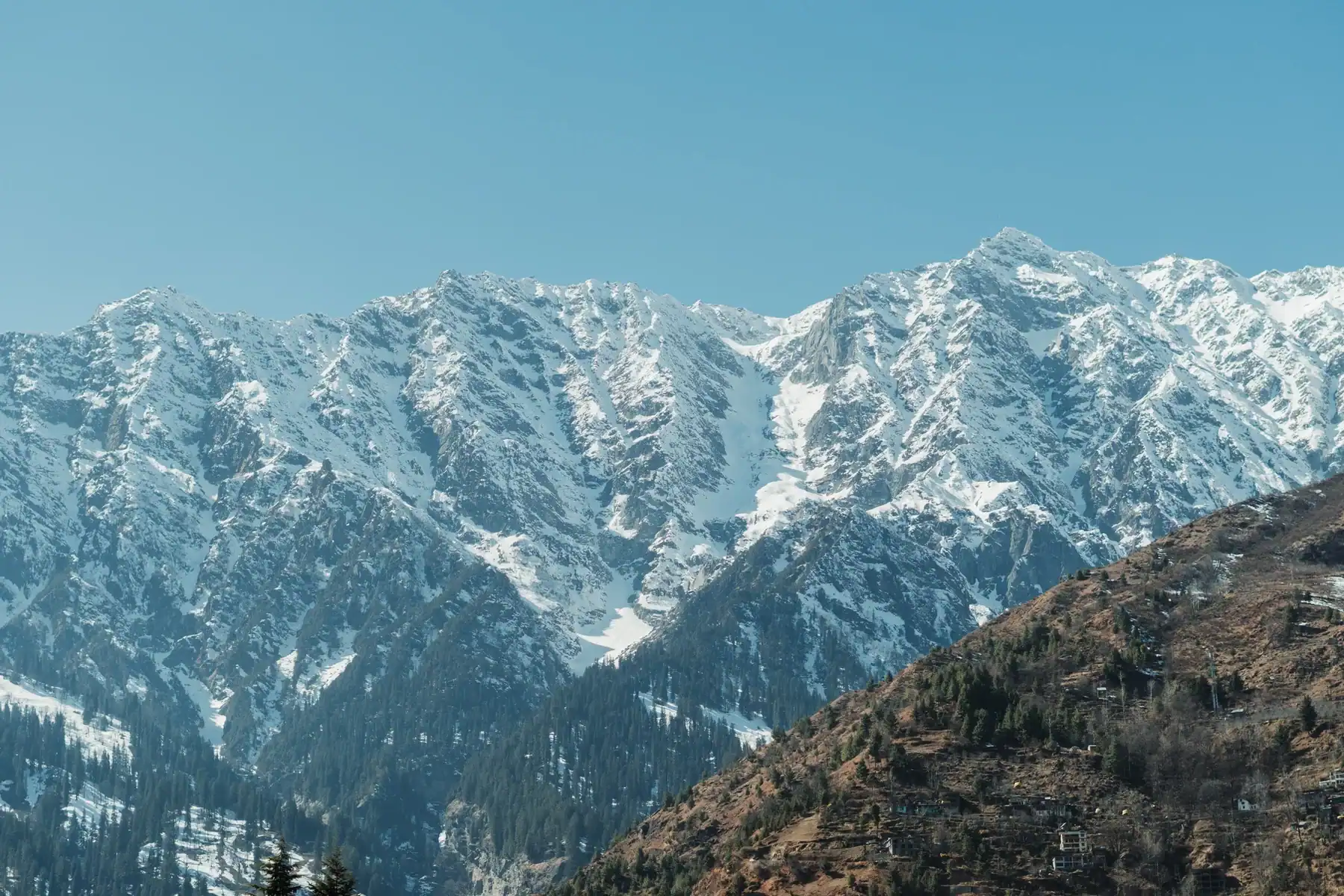
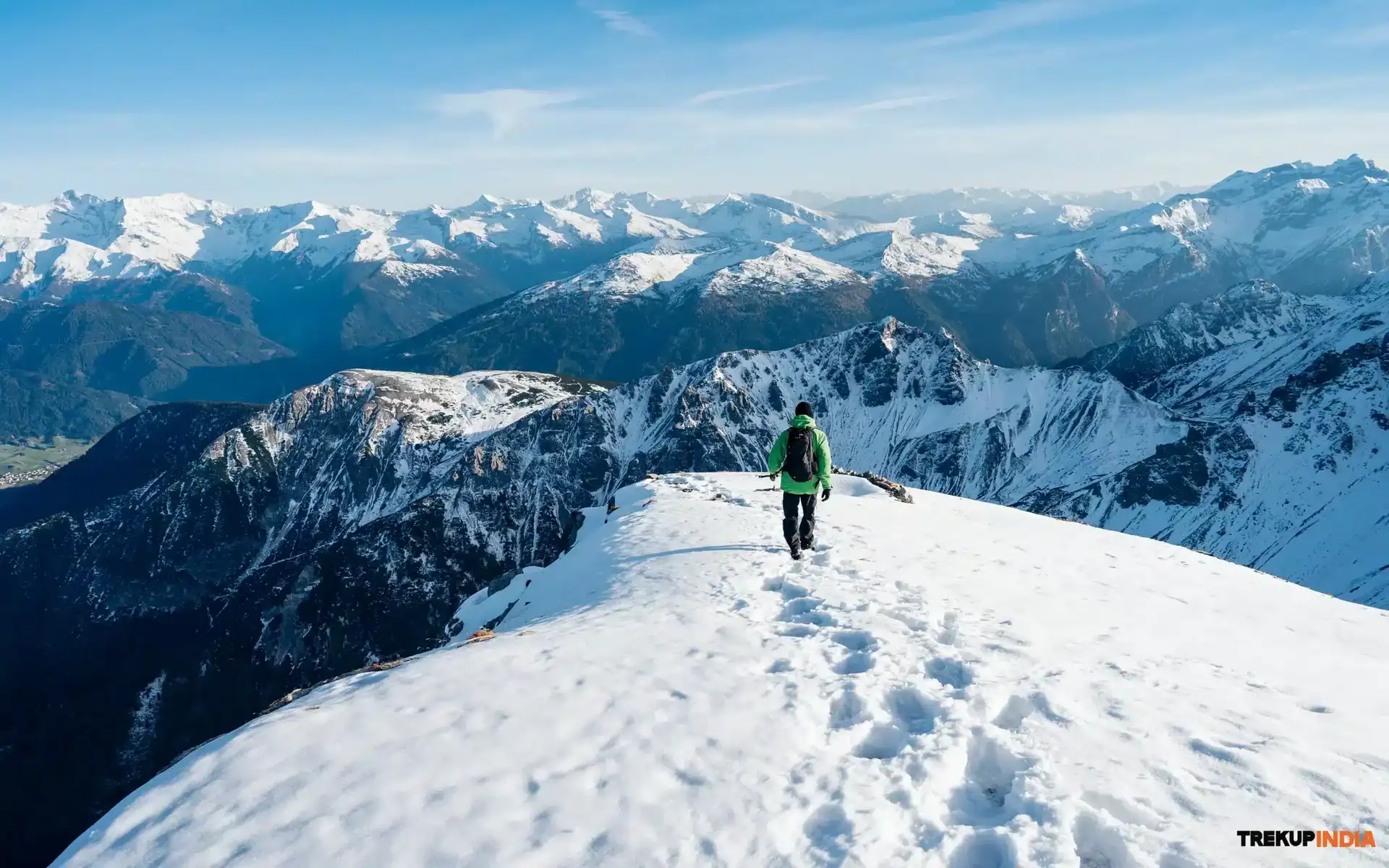
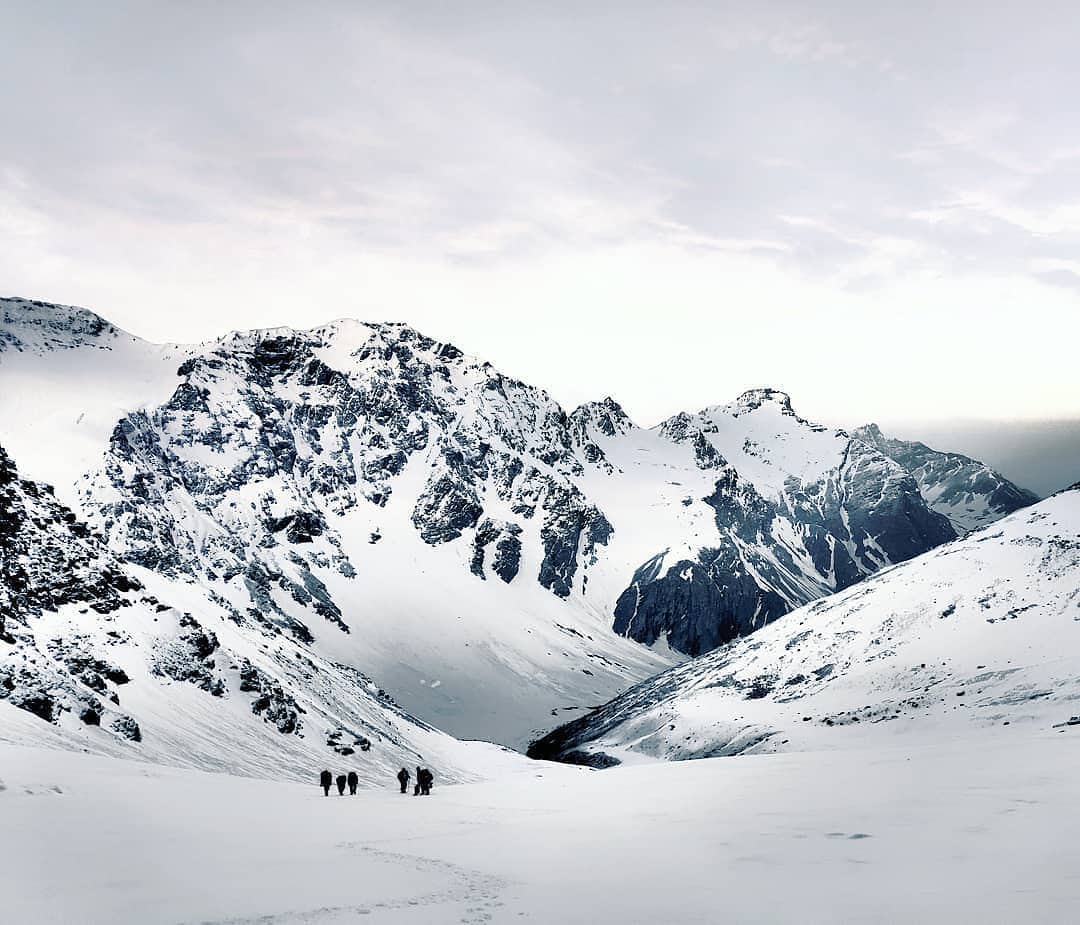
Spring trekking season transforms the Himalayas into a trekking paradise with blooming rhododendrons, clear mountain views and best temperatures for trekking. It is an adventurer’s and nature lover’s dream come true and these 15 Himalayan treks between March and May provide unforgettable experiences from beginner-friendly treks with breathtaking meadow views to moderate treks with diverse landscapes or challenging high altitude treks for experienced trekkers – come join us as we discover Nepal, India and Bhutan’s top spring trekking destinations during their peak spring trekking seasons when their mountains come alive with life!
Why Spring Is an Excellent Season for Himalayan Trekking
Mid-March through April is an optimal period for weather.
As temperatures warm, spring turns the Himalayas into an best trekking paradise, providing best walking conditions after an often-brutal winter. From mid-March through April, weather conditions provide best walking conditions without rainy monsoons arriving later. Daytime temperatures (typically 15-20deg C) offer excellent conditions for long treks without freezing temperatures limiting winter excursions.
An ankle-length lawn and colorful flowers create stunning meadow scenery.
As snowmelt releases its grip, lush green carpets spread across Himalayan meadows. By April alpine pastures were bursting with new grasses and wildflowers reaching ankle height. The transformation is astonishing barren winter slopes give way to vibrant living canvases of purple irises yellow primroses as well as white anemones which serve as stunning natural backdrops for photos as well as peaceful lunch spots during treks.
Spring brings with it an exquisite mix of snowy patches and vibrant green vegetation bursting with new life. Higher elevations remain covered with snow-topped peaks while middle elevations begin to show signs of life, providing photographers and nature lovers alike a variety of landscapes on one trek.
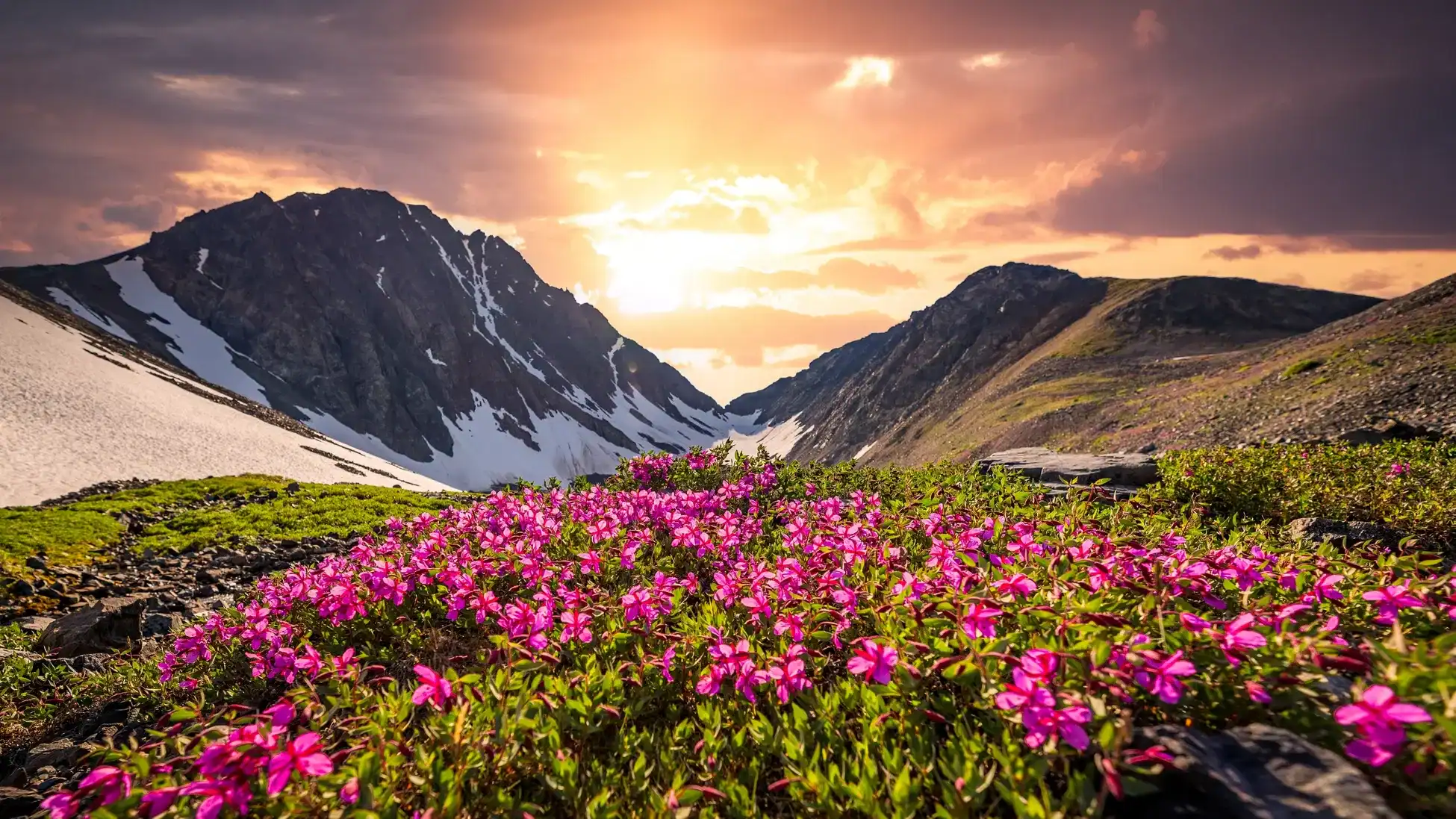
Rhododendrons blaze with pink and scarlet flowers across the hillsides, filling them with life.
Rhododendron trees offer one of the most spectacular Himalayan displays, particularly during April when entire hillsides transform into waves of pink, scarlet and white blooms as these gorgeous trees burst open their petals to illuminate entire hillsides with vibrant hues. Walking through forests in April is like walking into another dimension; light filters through canopies to illuminate paths covered in fallen blooms – popular treks like Goechala and Sandakphu are especially renowned for this phenomenon.
Mountain views in summer months are often unobstructed and without clouds and haze.
Spring offers breathtaking mountain views before the heat of summer settles in and clouds cover them in thickets of haze and monsoons. Air clarity offers magnificent panoramic vistas of distant mountains; mornings often provide the clearest views. Many trekkers are charmed at sunrise when first light glimmers off snow-covered peaks with golden hues against pure blue skies – it truly leaves trekkers breathless!
Active bird life and photo opportunities to capture wildlife
This season is filled with incredible wildlife activity. Migratory birds return to higher altitudes, filling the air with their varied calls; Monal pheasants flash their shimmering plumage; Himalayan griffons soar above; you may spot blue sheep, mountain goats or even red pandas in certain locations if you keep an eye out; moderate temperatures also ensure animals are awake during daylight hours – providing best conditions for wildlife photography enthusiasts.
Start out on easy or moderate spring treks this year for beginners.
Deoriatal-Chandrashila Trek: for Ultimate Rhododendron Views and Summit Experience
Difficulty: Easy–Moderate
Duration: 4–5 days
Maximum Altitude: ~12,083 ft
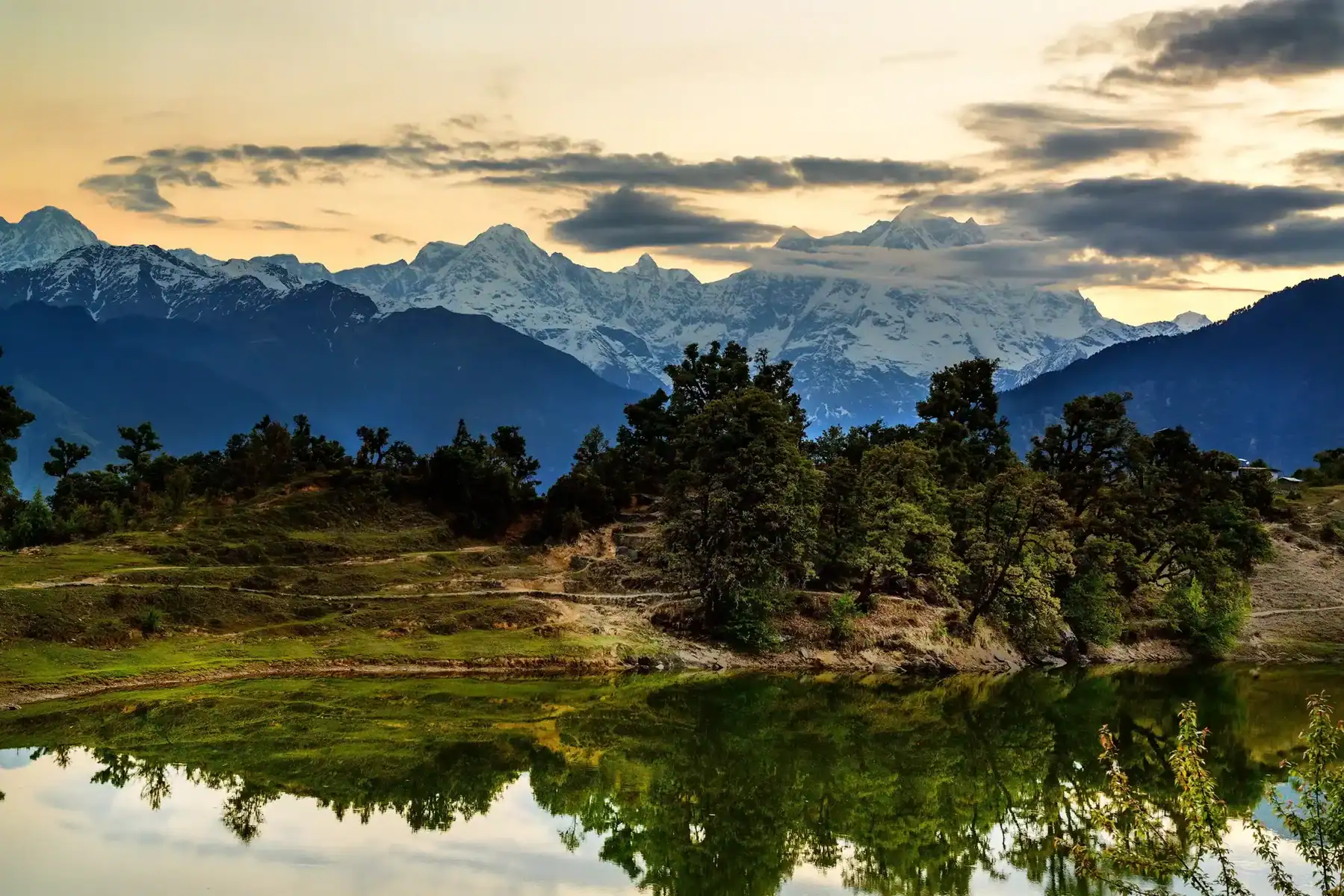
Deoriatal-Chandrashila Trek stands out as an best spring adventure for beginners in the Himalayas. When taken during springtime, its trek transforms into an idyllic landscape of vibrant pink and red rhododendron flowers against a background of mountainous terrain – providing this moderate trek with just the right combination of challenges and accessibility for newcomers.
At 12,083 feet, Chandrashila top is the star attraction on this trek, providing trekkers with unparalleled 360-degree views of some of the major Himalayan peaks including Nanda Devi, Trishul and Kedar ranges. Trekkers begin their adventure at Deoriatal lake – a crystal clear mountain lake which reflects all around it, offering great photography opportunities at sunrise.
Nag Tibba Weekend Trek: for an Easy Summit Climb and panoramic mountain views
Difficulty: Easy
Duration: 2 days
Maximum Altitude: ~9,915 ft
Nag Tibba Weekend Trek provides an best weekend adventure. At 9,915 feet, Nag Tibba (Serpent’s Peak) is the highest point within its Garhwal Himalaya range and an excellent introduction to summit trekking.
This trek offers breathtaking mountain vistas in two days – making it the best trek for professionals seeking an accessible Himalayan experience. Trekkers can witness beautiful vistas from Bandarpoonch, Swargarohini, Gangotri and Kedarnath summits during this moderate temperature trek with clear skies that enhance these majestic peaks’ sights.
Kedarkantha Trek: Offers Rewarding Summit Climb for Beginners
Difficulty: Easy–Moderate
Duration: 5–6 days
Maximum Altitude: ~12,500 ft
The Kedarkantha Trek has earned itself an esteemed position as an immensely rewarding, beginner-friendly mountain climb in the Himalayas. Beginning from 12,500 feet and ending up at Chanderkantha Lake, this moderately difficult trek offers stunning views of snow-covered Himalayan peaks amidst green pastures filled with alpine flowers in spring.
Kedarkantha Trek offers an best introduction to trekking with its ancient forest of oaks and pines before opening out into wide clearings. Beginner trekkers will appreciate Kedarkantha’s gradual ascent curve and well-marked treks which give them confidence-building experience while feeling the satisfaction of reaching a landmark summit.
Dayara Bugyal of Uttarakhand.
Difficulty: Easy–Moderate
Duration: 4–6 days
Maximum Altitude: ~12,100 ft
Dayara Bugyal trek is one of the most breathtaking high-altitude meadows in Uttarakhand. Situated between 10,000-12,000 feet, these lush meadows cover 28 square kilometers. When spring arrives, snow melts away leaving behind an alluring green carpet bursting with colorful wildflowers.
Soft terrain makes this trek suitable for beginner trekkers while offering stunning views of prominent Himalayan mountain ranges such as Bandarpoonch and Bhagirathi. Trekkers will pass through picturesque mountain villages while experiencing Garhwal culture; morning views from Dayara Bugyal showcase golden Himalayan mountains rising out of clouds-filled valleys creating an ethereal beauty, depicting spring’s first awakening across these glorious mountains.
Experienced Trekkers may prefer moderate difficulty treks.
Brahmatal Trek includes Ridgeline Camping and Mt Trishul Views.
Difficulty: Moderate
Duration: 5–6 days
Maximum Altitude: ~12,250 ft
Experienced trekkers seeking an easy challenge can enjoy Brahmatal Trek this spring of 2025, where it offers stunning ridgeline camping experiences with breathtaking panoramas of Mount Trishul. Reaching altitudes of around 12,100 feet, this trek makes for best trekking experience; blooms of rhododendrons along the trek create a vibrant path towards an alpine lake as you head uphill towards it; clear skies provide amazing views of Himalayan mountain peaks from their campsite.
Kuari Pass Trek: Displaying India’s Highest Mountain Nanda Devi
Difficulty: Easy–Moderate
Duration: 6–7 days
Maximum Altitude: ~12,516 ft
The Kuari Pass Trek provides some of the most breathtaking views of India’s highest mountain, Nanda Devi, while spring transforms the route with blooming wildflowers and moderate temperatures, perfect for comfortable trekking. At 12,516 feet, it presents experienced trekkers with an exciting challenge while providing breathtaking views of Kamet, Dronagiri, and Chaukhamba as well as old forest treks where new leaves begin to emerge – particularly beautiful during spring when new leaves emerge from beneath their beds!
Phulara Ridge Trek in Uttarakhand
Difficulty: Moderate
Duration: 5–6 days
Maximum Altitude: ~12,150 ft
Phulara Ridge Trek in Uttarakhand provides a unique ridge-walking adventure few Himalayan treks can match. Experienced trekkers will experience unobstructed views of 250 degree mountain ridges while walking through its captivating ridge. Spring brings clear and sunny weather which makes the trek best for taking stunning photos, with diverse terrain including dense forests and expansive meadows as well as its remarkable ridge walk as its main drawcard.
Ali Bedni Bugyal Trek: Offers Largest High-Altitude Meadows
Difficulty: Moderate
Duration: 6–7 days
Maximum Altitude: ~11,686 ft
Springtime is the best time to experience Ali Bedni Buggyal Trek’s famed high-altitude meadows on their Ali Bedni Buggyal Trek bloom with vibrant life. These expansive meadows, one of Asia’s biggest high-altitude meadows, allow experienced trekkers the unique opportunity of walking among a carpet of wildflowers while overlooking mountains covered in snow – an enjoyable moderate trek that covers approximately 11,500 feet and offers trekkers breathtaking 360 degree views of major Himalayan summits like Trishul and Nanda Ghunti. Additionally, spring thaw brings lush greenery that makes this trek truly remarkable.
Har Ki Dun Trek Combines Ancient Villages and Breathtaking Scenery
Difficulty: Moderate
Duration: 6–7 days
Maximum Altitude: ~11,675 ft
Har Ki Dun Trek, also known as “Valley of Gods”, provides experienced trekkers with an unforgettable blend of cultural immersion and natural beauty. This moderately challenging trek will take you through old villages that still preserve traditions dating back to Mahabharata period; spring season brings mild temperatures as well as blooming alpine blooms to this valley that is shaped like an ancrane; forests of pine needles and meadows come alive with vibrant colors while offering views of Swargarohini mountains; traditional wooden houses found along the route only add an authentic Himalayan experience that adds even greater cultural significance for your Himalayan experience!
Sandakphu-Phalut Trek Features Four World’s Tallest Peaks
Difficulty: Moderate
Duration: 6–7 days
Maximum Altitude: ~11,950 ft
The Sandakphu-Phalut Trek stands out as an exceptional cross-border trekking experience, giving experienced trekkers stunning views of four of the world’s highest peaks, such as Everest, Kanchenjunga, Lhotse and Makalu from one point. Spring provides clear views after winter snow has melted but before monsoon clouds start rolling in. At an elevation of 11,941 feet Sandakphu offers moderate challenges while rewarding trekkers with spectacular spring blooming magnolias and Rhododendrons among many other beautiful blooming floral varieties which bloom all bloom spectacularly every springtime – truly an experience unlike any other.
Challenge High-Altitude Spring Adventures
2025 will bring opportunities for those wanting to take their travels further, with spring being an best season to attempt challenging Himalayan adventures. Low snow levels combined with reliable weather patterns makes these challenging treks more accessible, yet still require preparation and knowledge of their terrain.
Goechala Trek for breathtaking views of 14 of the most important Himalayan summits.
Difficulty: Moderate–Difficult
Duration: 9–11 days
Maximum Altitude: ~16,200 ft (Goechala Viewpoint)
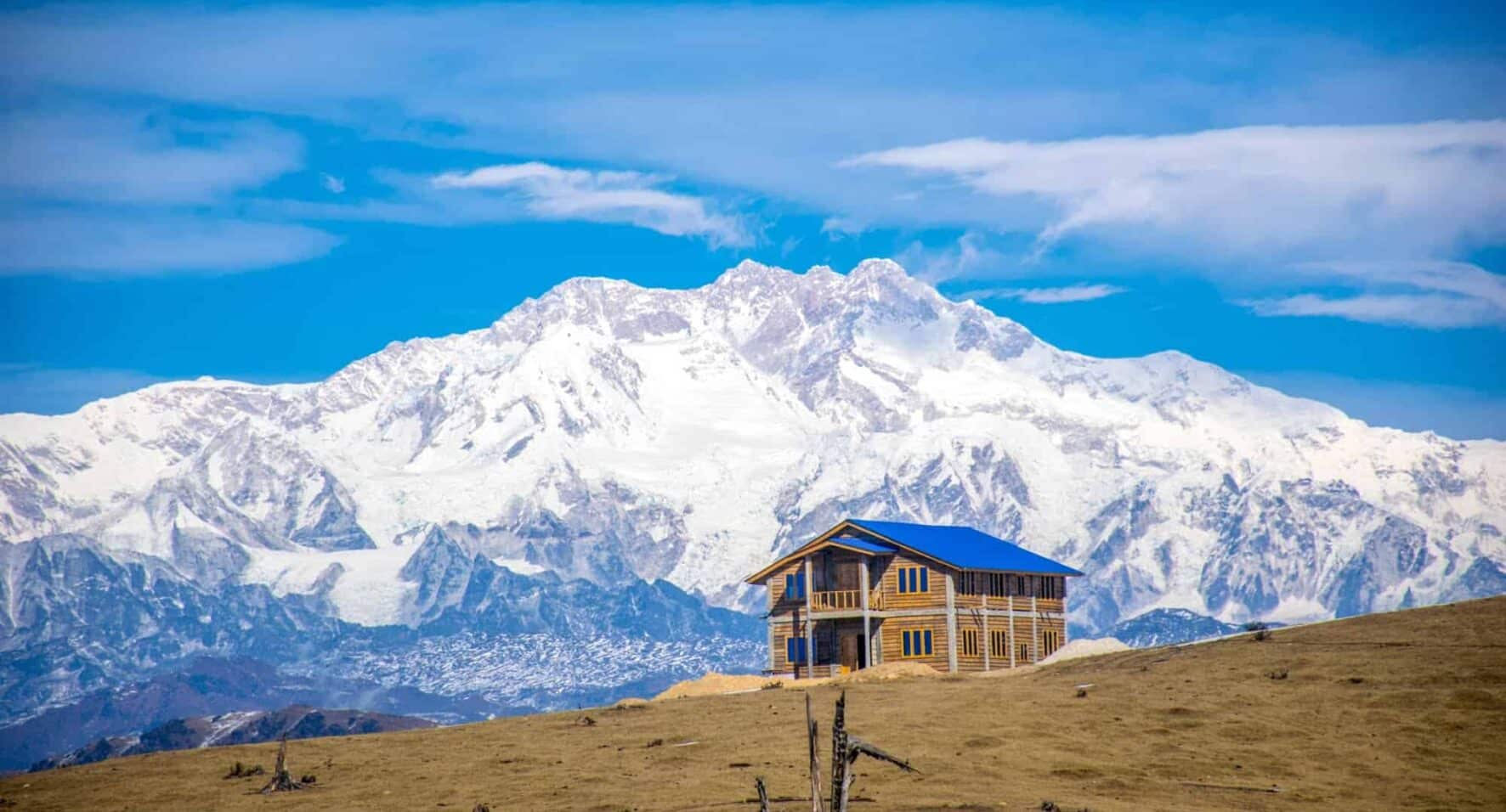
Goechala Trek in Sikkim is widely recognized as one of the Himalaya’s premier high-altitude treks during spring, offering experienced trekkers breathtaking views of 14 major Himalayan peaks including Kanchenjunga – third tallest peak!
The trek typically lasts 8 to 10 days, covering 90 kilometers while reaching an altitude as high as 16,207 feet at Goechala Pass. Spring brings vibrant rhododendron blooms that add splashes of vibrant color along the lower slopes, while higher reaches provide unparalleled views of snow-capped mountains – and Samiti Lake provides one of the most incredible sunrise views across all Himalayan range.
Hampta Pass (Himachal Pradesh).
Difficulty: Moderate
Duration: 5–6 days
Maximum Altitude: ~14,100 ft
Hampta Pass offers an unforgettable trek that spans from lush Kullu Valley to stark desert landscape of Lahaul – creating one of the most diverse high-altitude treks you’ll find during spring.
At 14,100 feet, Hampta Pass requires physical fitness and acclimatization abilities of those willing to venture on its challenging four to five day trek. Spring trekking offers many advantages with flowing streams and reduced snow barriers, making the chance of visiting Chandratal Lake (Moon Lake) all the more spectacular. From lush forests and meadows to barren moonscapes – Hampta Pass makes an arduous but unforgettable adventure for experienced trekkers!
Pangarchulla Peak Trek covers 15,069 feet with an exciting summit climb.
Difficulty: Difficult
Duration: 6–7 days
Maximum Altitude: ~15,069 ft
Pangarchulla Peak trek stands as one of the most challenging spring summits in Uttarakhand, reaching 15,069 feet via a strenuous adventure that requires strength, stamina, and endurance to conquer.
Spring marks an extraordinary trek by providing meadows of vibrant wildflowers at lower elevations while still retaining enough snow for an authentic alpine climb. Panoramic views from the summit include legendary mountains such as Nanda Devi, Chaukhamba and Neelkanth – with most trekkers finishing this challenging journey in five to six days due to steep slopes and unpredictable weather conditions along the journey.
Meadow Treks Are Perfect for Spring
Dayara Bugyal Trek is designed for children 7 and above.
Dayara Bugyal trek stands out as an excellent way for families looking to introduce their kids to Himalayan landscapes, designed specifically with children as young as 7 in mind. Dayara Bugyal’s soft slopes and breathtaking meadows provide a pleasant setting in which youngsters can experience trekking while taking in breathtaking panoramas of surrounding mountains.
Trekup India provides family-friendly trek arrangements with enhanced outdoor learning experiences.
Trekup India has designed unique family treks that go beyond simple trekking through beautiful terrain. Their specially tailored family treks feature numerous outdoor learning activities so children can engage with nature more meaningfully – from identifying fauna and flora species to better comprehending mountain ecosystems, these educational elements turn a regular trek into an engaging learning experience that parents value for both adventure and education purposes. Parents also appreciate how these treks combine adventure with education while creating memories both educational and entertaining for their kids.
Trekup India will organize special group for families during spring season.
Spring time in the Himalayas offers best conditions for family adventure. Trekup India recognizes this by organizing specific group treks specifically tailored for families during this period. These groups ensure families trek alongside other similar interests families, creating a sociable trek experience. Furthermore, each guide is specially trained to meet family requirements including setting appropriate paces and providing fun activities whilst adhering to safety guidelines with extra care if children are present on their adventure.
Spring treks for families can easily be planned around school holidays, making them convenient and stress-free activities. Their mild temperatures make these meadow treks especially enjoyable for young trekkers who may find other seasons’ extreme temperatures to be challenging.
Conclusion
Himalayan spring trekking season offers something truly remarkable for every adventure seeker. Beginning with stunning valley treks for beginners to high-altitude treks for experienced trekkers, this period between March and May sees mountains transform, becoming alive with blossoming rhododendron blooms, pleasant temperatures, clear skies, meadow treks for families traveling with young children making spring an inviting season to explore the Himalayas.
As you plan your 2025 spring adventure, be sure to book it well in advance as popular treks sell out quickly during this peak season. From lower altitude treks with plenty of culture and traditions to mountain adventures atop high mountains – spring in the Himalayas offers experiences unlike any other. So pack up your bags, equip yourself and create memories that will stand the test of time on these breathtaking mountain treks.
About Author
Anoop Rawat (Admin TrekUp India)
Anoop has worked for 5 years as a Trek Leader with TrekUpIndia, leading numerous treks across the diverse and challenging terrains of Uttarakhand and Himachal Pradesh. He holds a degree in Geology with a specialization in Geographic Information Systems (GIS) from UPES Dehradun. During his academic years, he actively applied his classroom knowledge in the field—most notably by contributing to a glacier research project on the Jundar Glacier in the Har Ki Dun Valley, Uttarakhand. Write Anoop at anoop@trekupindia.com
Share this article
Dates For Upcoming Treks
Want To Trek Like Pro?
Basically, watch these videos if you want to trek the same way professional trekkers do and make your skills better. These videos contain useful tips and techniques to further improve your trekking skills itself. These videos actually help both new and experienced trekkers improve their trekking skills. These videos definitely provide useful tips that make your trek better. We are seeing that these videos by Trekup India experts will only help you make your trekking skills better.
Know Everything About Acute Mountain Sickness
Acute Mountain Sickness occurs when people trek to high altitudes above 8,000 feet. This condition itself develops further due to reduced oxygen levels at such heights. Basically, as you go higher up, the air pressure and oxygen levels decrease, which causes the same problem. Acute Mountain Sickness surely causes headache, nausea, vomiting, and dizziness in affected persons. Moreover, peoples also experience difficulty in sleeping during this condition. To avoid mountain sickness, you should actually trek up slowly to higher altitudes. To learn further about this condition itself, watch the videos by Trekup India.