Wind Chill Dressing Tips: How to Stay Warm in Cold Weather
Trekking in India’s Himalayas or high altitude areas within the Western Ghats often means confronting not only cold temperatures and snowfall, but also an unnoticed factor winds chill. At TrekUp India, we have seen how people misjudge temperature based solely on forecast numbers without considering that wind can heighten frigidity, thereby raising the risk of frostbite or hypothermia.
What Is Wind Chill?
Wind chill can be defined as the decrease in air temperature experienced by skin exposed to moving air currents, even though there has been no actual change in temperature. Stated the faster the wind blows, the colder it feels despite remaining at its original level.
Example:
It is possible to feel cold when temperatures fall to below zero Celsius without a breeze, yet that should not pose any difficulties.
When temperatures hit 0 °C with strong breezes, our bodies may perceive it as 10 °C or even lower and be able to shed heat through sweat glands quickly.
Wind chill can be exceptionally perilous at higher elevations, where weather patterns change suddenly and trekkers already struggle with reduced oxygen levels.
Why Wind Chill Is Important on Indian Treks?
High Altitude Himalayan Passes, such as Roop kund, Pin Parvati, or Stok Kangri, can bring both subzero temperatures and strong gusts of wind on treks through them.
Peaks in the Western Ghats, such as Kalsubai or Tadiandamol, experience strong winds during and post monsoon season, creating strong currents of air that whip across their surfaces.
Trekkers who wear clothing based solely on temperature rather than wind protection often find themselves shivering despite “mild” forecasts of mild weather conditions.
Dressing Appropriately for Wind Chill
Layers Are Imperative
Wear clothing made of thermal material which wicks away sweat (never cotton!). This will act as your base layer.
To stay warm this winter, consider wearing a fleece or down jacket as an insulation layer. They’ll help hold in body heat.
Exterior Shell This jacket should provide windproof (and, ideally, waterproof) protection to block cold airflow and help you stay warm during a night out.
Note: To defend against wind chill, your outer layer must serve as the first line of defence against it. Therefore, do not underestimate its importance!
Protect Extremities
Head and Face Balaclavas/buffets can significantly decrease heat loss from your head; approximately 4050% of body heat could escape through it!
Windproof gloves help maintain dexterity for better hand control.
Windproof socks worn under your shoes are essential in preventing foot numbness.
Keep Dry
Moisture and sweat can increase wind chill. Even clothing worn at moderate temperatures that is damp can feel extremely chilly.
Always have a dry, quick drying layer handy in your bag.
Bring along a lightweight rain cover for monsoon treks.
Smart Accessories Sunglasses
Cold winds often generate snow glare and dust that create a cloud of haze that obscures visibility. To help block this effect, add sunglasses as part of a brilliant accessory collection.
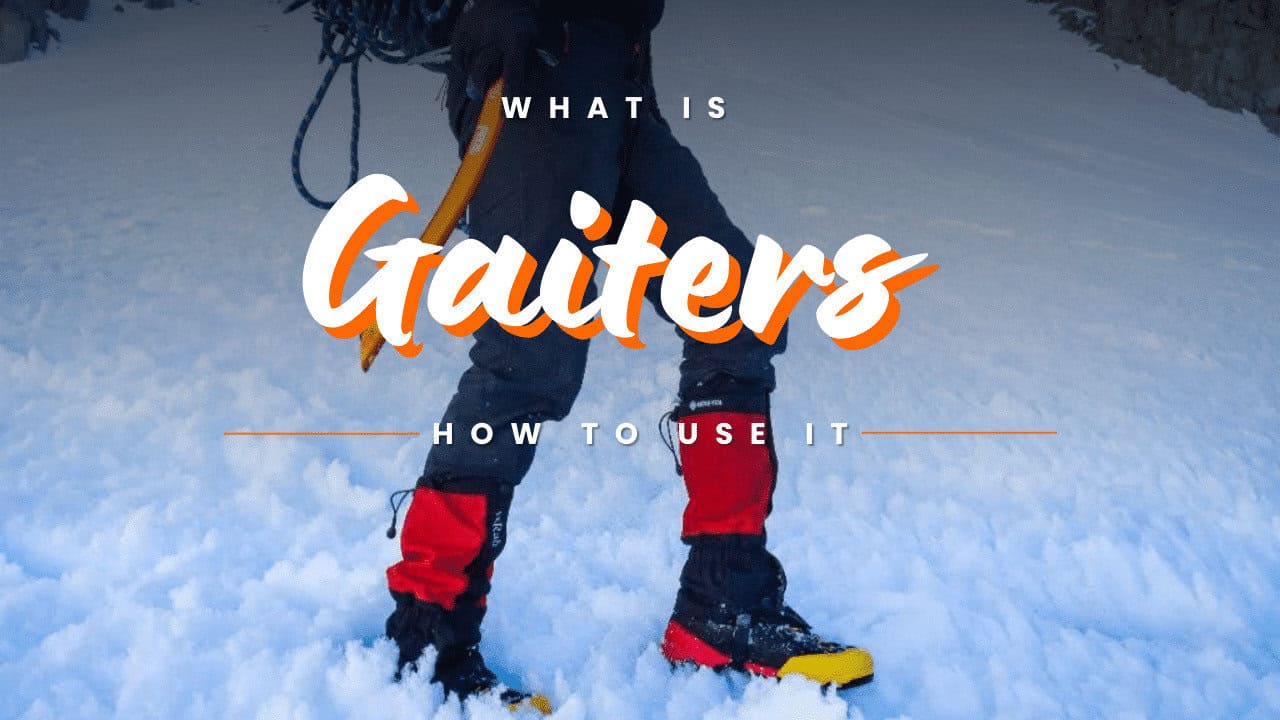
Gaiters help prevent snow and slush from getting inside your boots, keeping them out.
Hand warmers are invaluable tools in the winter months when hiking above 3,500m.
Practical TrekUp India Hacks
Please don’t wait until it feels cold to add layers.
Be prepared for unpredictable winds with a small windbreaker stashed away in your backpack.
As soon as an interruption occurs, it is crucial to take rapid and deliberate measures to insulate and lessen its impact on wind chill.
Take warm beverages and fuel rich foods. Your body needs fuel to generate heat, and these meals provide it.
Conclusion
Wind chill can often be underestimated; however, it’s one of the primary challenges trekkers must address when trekking across both the Himalayan and Western Ghats mountain ranges. Effect: this makes the person “feel less warm”. Furthermore, it increases frostbite risks as well as feelings of numbness and hypothermia, even if the weather forecast appears reasonable. At TrekUp India, we emphasise the importance of layering appropriately. Wearing windproof clothing is also recommended to help regulate body temperature when venturing outdoors in cold or windy weather. Being aware of how quickly one’s temperature drops with movement could mean the difference between an enjoyable journey and one fraught with potential danger. Wind chill awareness can help ensure both comfort and safety on a mountain hike, while saving energy for future adventures. Being prepared means being more resilient; wind will keep you on your toes and force you to use every resource available not push you towards withdrawal!
About Author
Nanda Rawat (Operation Manager)
Nanda Rawat holds a Master’s degree in Tourism and Hospitality and is a seasoned professional specializing in Adventure and Leisure Travel. As a travel specialist and consultant, his core mission has always been to deliver exceptional service by sharing the full breadth of his experience, ensuring client satisfaction on a global scale.
With over 16 years of experience, Nanda has worked with three well-established tourism companies, gaining deep insight into both inbound and domestic travel operations. He has contributed directly and indirectly to the Adventure Tour Operators Association of India (ATOAI) and has participated in multiple Immediate First Aid Training programs at the Indian Mountaineering Foundation (IMF).
In addition to his fieldwork, Nanda has shared his expertise through guest lectures in tourism and hospitality at various universities. He has independently led numerous expeditions across the Indian Himalayas and was actively involved in the rescue operations during the 2010 Ladakh flash floods.
In recognition of his outstanding coordination skills, he was honored with the Best Travel Coordinator Award by Joy James Educational Trust in 2012. A strong advocate of ethics, sustainability, and eco-tourism, Nanda takes great pride in being an integral part of Trekup India.
Write to him at: nanda@trekupindia.com
Share this article
Dates For Upcoming Treks
Want To Trek Like Pro?
Basically, watch these videos if you want to trek the same way professional trekkers do and make your skills better. These videos contain useful tips and techniques to further improve your trekking skills itself. These videos actually help both new and experienced trekkers improve their trekking skills. These videos definitely provide useful tips that make your trek better. We are seeing that these videos by Trekup India experts will only help you make your trekking skills better.
Know Everything About Acute Mountain Sickness
Acute Mountain Sickness occurs when people trek to high altitudes above 8,000 feet. This condition itself develops further due to reduced oxygen levels at such heights. Basically, as you go higher up, the air pressure and oxygen levels decrease, which causes the same problem. Acute Mountain Sickness surely causes headache, nausea, vomiting, and dizziness in affected persons. Moreover, peoples also experience difficulty in sleeping during this condition. To avoid mountain sickness, you should actually trek up slowly to higher altitudes. To learn further about this condition itself, watch the videos by Trekup India.