Leave No Trace Indian Treks: Principles to Follow
Indian Himalayas, Western Ghats, and Central Indian forests provide one of the world’s most breathtaking trekking experiences. Unfortunately, with increasing demand and human activities, these fragile ecosystems are being affected. On TrekUp India, we’ve witnessed how seemingly harmless actions such as littering meadows or disturbing Wildlife can have lasting repercussions for those exploring these treks.
So we must adhere to the Leave No Trace (LNT) principles when trekking. First developed as an environmental ethic, these guidelines help trekkers use nature sustainably while minimising ecological impacts. With our Indian trekking treks in mind, these principles can be easily tailored to fit the environment and Wildlife.
1. Plan & Prep
To make the best use of your trek experience, plan by researching its route, weather and rules before setting out.
Reusable bottles, tiffins and fabric bags should be used instead of disposable plastic bags for your daily activities.
Be mindful and pack light; purchasing packaged foods during your trek only adds more waste to the trek.
2. Navigating and Camping on Durable Surfaces
For a smooth camping and travelling experience, stick to established treks instead of taking shortcuts that could cause slope erosion.
Tents can be set up on sturdy campsites such as rocky ground, dry riverbeds and designated camping areas.
Be cautious when pitching tents on mountain meadows or in fragile wetland areas, as they require years to recover.
3. Proper Waste Disposal
To properly dispose of waste, recycling all nonbiodegradable items, such as bottles and wrappers, as well as any sanitary devices, is key.
Create a small feline pit (68 inches wide) near water sources to dispose of human waste, up to 200 meters away.
Do not place garbage into rivers. Cover any affected area with stones so that it may resurface over time.
4. Leave What You Find
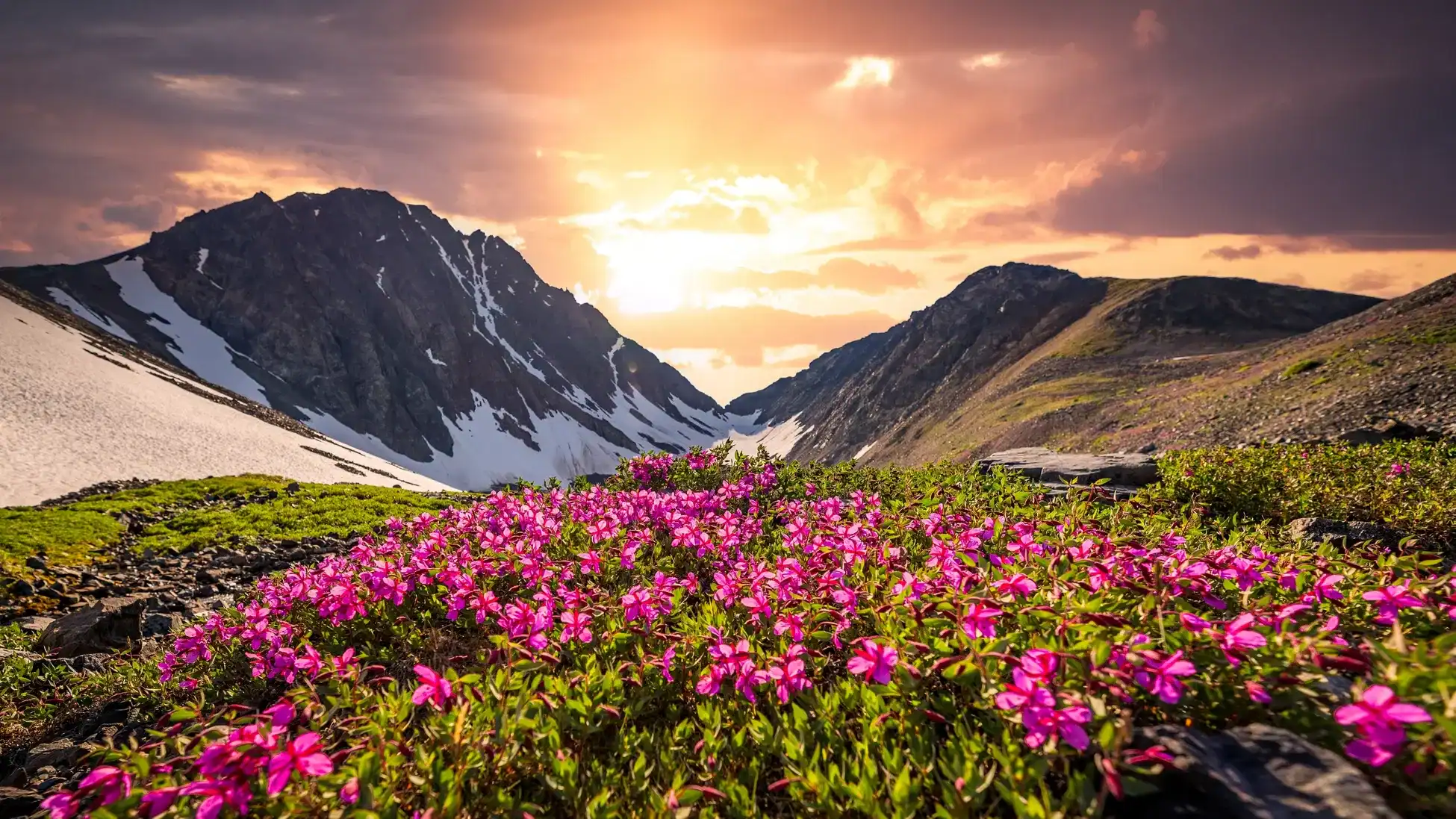
To preserve the natural environment and minimise impact on Wildlife, avoid picking alpine blooms, snipping herbs or gathering stones as souvenirs.
Do not disturb cultural memorials, flags of prayer or any religious objects located along treks.
Leave them as they are, ready for future trekkers to explore fully.
5. Minimise Campfire Impact
In areas of dense forest like the Western Ghats, where campfires may spark wildfires, it is wise to avoid lighting campfires as this could increase their potential impact.
Cook with portable stoves instead of wood to save on costs.
If allowed, existing fire rings can be utilised, making sure only to burn small dry sticks.
6. Conserve Wildlife
Please stay away from Wildlife; don’t feed or touch it.
In Ladakh, marmots, foxes, and raccoons can become aggressive when fed; therefore, these species should always be stored safely when feeding time comes around.
Keep an ear out for loud noises or chase pets to capture pictures.
7. Be Kind to Other Trekkers
It is essential to be considerate of other trekkers when trekking, particularly as many come here looking for peace and solitude. Ensure the noise level remains low, as this allows other trekkers to find peace within nature’s canvas.
Trekkers who trek uphill should use more energy than those who descend.
Be considerate when visiting campsites and try to avoid large groups.
Conclusion
Leave No Trace is more than regulations; it’s about showing respect. That respect should extend towards mountains, wildlife, communities dependent on them, as well as future trekkers expected to tread the same paths shortly. TrekUp India believes that the history of a trekker is determined not by how high their aspirations take them but by how they treat the Earth beneath their feet.
While exploring areas such as the Indian Himalayas, Western Ghats, or central forests while trekking, every conscious act, such as picking up trash, staying on treks, and making noise less disruptive, will help ensure their continued protection in future generations.
As you prepare to embark on your next journey, be mindful to leave nothing more than footprints behind and bring back nothing but memories from this adventure. Our paths may never end up the same way!
About Author
Nanda Rawat (Operation Manager)
Nanda Rawat holds a Master’s degree in Tourism and Hospitality and is a seasoned professional specializing in Adventure and Leisure Travel. As a travel specialist and consultant, his core mission has always been to deliver exceptional service by sharing the full breadth of his experience, ensuring client satisfaction on a global scale.
With over 16 years of experience, Nanda has worked with three well-established tourism companies, gaining deep insight into both inbound and domestic travel operations. He has contributed directly and indirectly to the Adventure Tour Operators Association of India (ATOAI) and has participated in multiple Immediate First Aid Training programs at the Indian Mountaineering Foundation (IMF).
In addition to his fieldwork, Nanda has shared his expertise through guest lectures in tourism and hospitality at various universities. He has independently led numerous expeditions across the Indian Himalayas and was actively involved in the rescue operations during the 2010 Ladakh flash floods.
In recognition of his outstanding coordination skills, he was honored with the Best Travel Coordinator Award by Joy James Educational Trust in 2012. A strong advocate of ethics, sustainability, and eco-tourism, Nanda takes great pride in being an integral part of Trekup India.
Write to him at: nanda@trekupindia.com
Share this article
Dates For Upcoming Treks
Want To Trek Like Pro?
Basically, watch these videos if you want to trek the same way professional trekkers do and make your skills better. These videos contain useful tips and techniques to further improve your trekking skills itself. These videos actually help both new and experienced trekkers improve their trekking skills. These videos definitely provide useful tips that make your trek better. We are seeing that these videos by Trekup India experts will only help you make your trekking skills better.
Know Everything About Acute Mountain Sickness
Acute Mountain Sickness occurs when people trek to high altitudes above 8,000 feet. This condition itself develops further due to reduced oxygen levels at such heights. Basically, as you go higher up, the air pressure and oxygen levels decrease, which causes the same problem. Acute Mountain Sickness surely causes headache, nausea, vomiting, and dizziness in affected persons. Moreover, peoples also experience difficulty in sleeping during this condition. To avoid mountain sickness, you should actually trek up slowly to higher altitudes. To learn further about this condition itself, watch the videos by Trekup India.