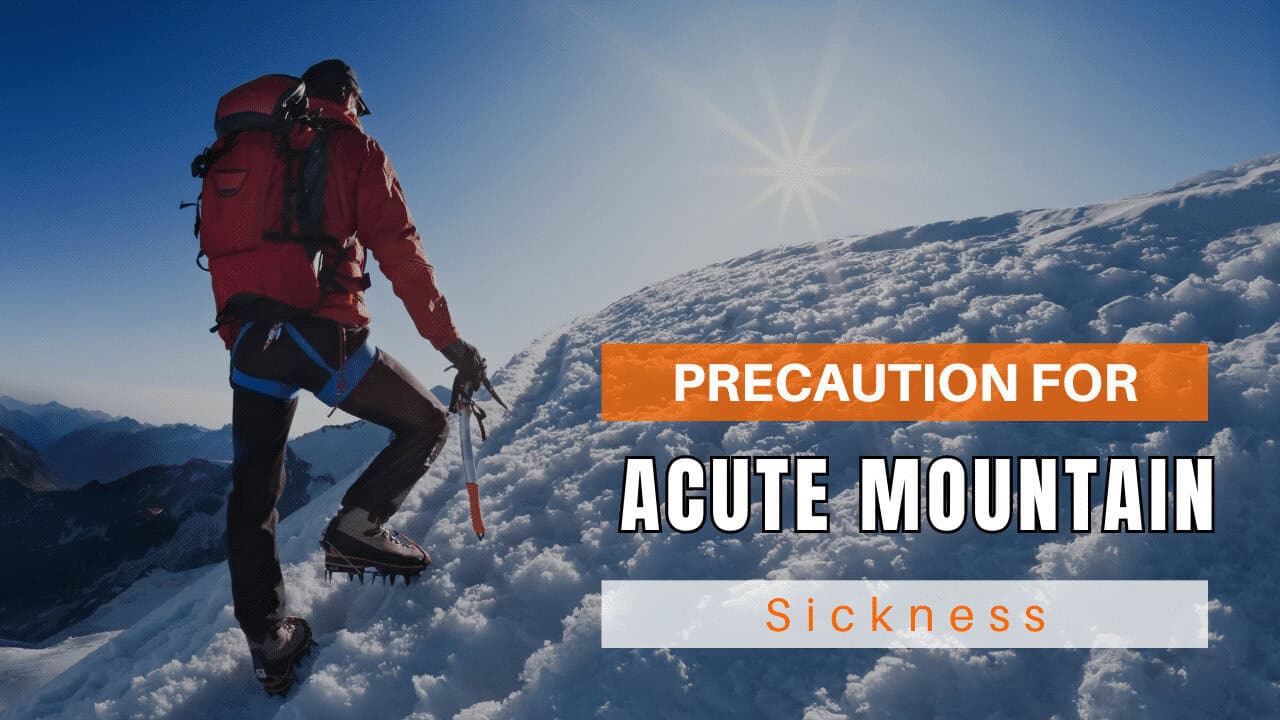
Why Rushing Acclimatization in Ladakh/Spiti is Dangerous

Altitude Sickness in Ladakh and Spiti: Why Acclimatize

Ladakh and Spiti are popular destinations for riders, trekkers, and adventurers looking for high altitude adventures. Boasting rugged arid landscapes dotted with ancient monasteries and high peaks that tower into the distance, these regions provide visitors with a chance to experience something truly unique on their travels. However, lying beneath this beauty lies an underestimated challenge  altitude acclimatization.

TrekUp India has observed that one of the primary mistakes trekkers are making when visiting Ladakh or Spiti is to rush across without giving their bodies enough time to adjust. What may appear like an easy way to save a day could result in severe medical risks, route disruption or even life threatening scenarios.

Acclimatization is Essential

Acclimatization refers to your body adjusting to lower oxygen levels at higher altitudes. In Ladakh and Spiti, most regions exceed 3000 metres (10 feet), with villages and passes often rising to 45005100 metres above sea level. At these heights:

Oxygen levels quickly drop, making breathing increasingly difficult.

The body needs sufficient time and oxygen transporting cells to form additional red blood cells that transport oxygen.

Altitude Mountain Sickness (AMS) increases with a lack of awareness.

Dangers of Rushing Acclimatization

Acute Mountain Sickness (AMS)

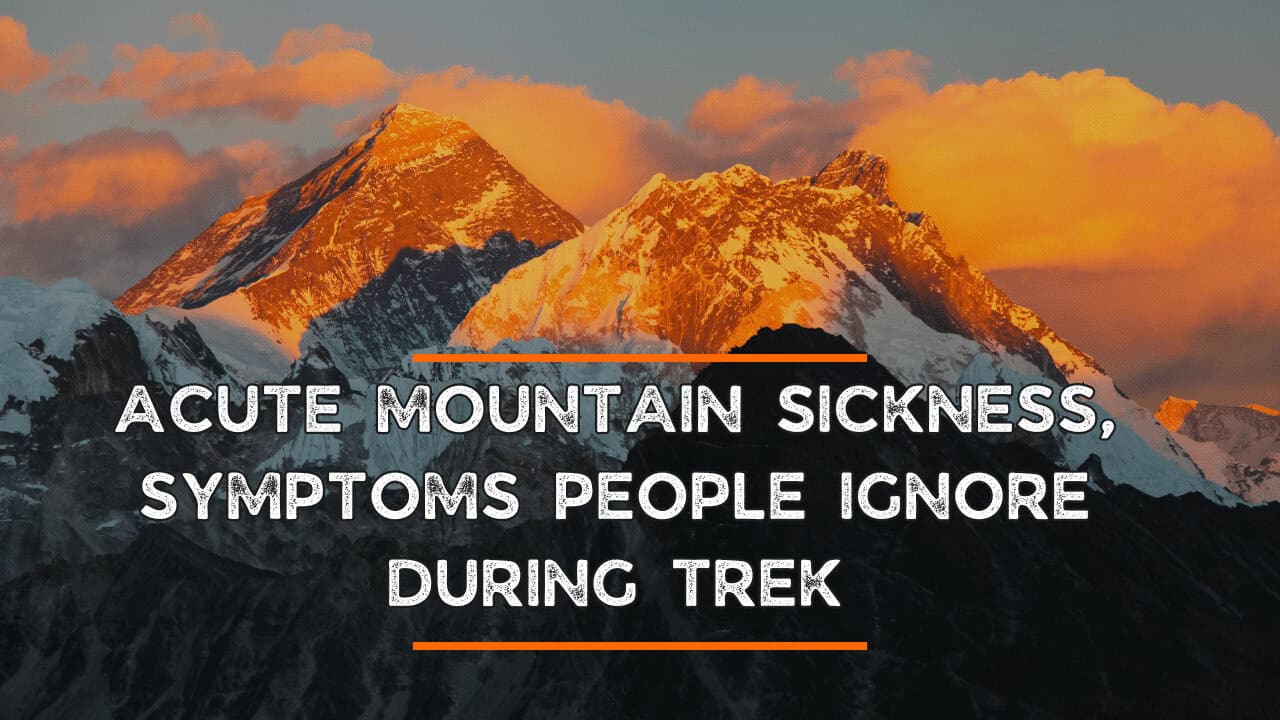
The symptoms include nausea, headache, dizziness, fatigue and headache.

Even mild cases of AMS could do significant damage to your road travel if not addressed appropriately.

As altitude can lead to severe altitude sickness (AMS), high altitude pulmonary oedema (HAPE) or High Altitude Cerebral oedema (HACE) can occur, both potentially fatal conditions.

Reduced Performance

Many trekkers become exhausted while traversing routes or monasteries. Even simple tasks like ascending hills or taking stairs may become exhausting and be too much for them to bear.

Itinerary Disruptions

In cases of sickness arising from inadequate adaptation, trips may need to be cut short, destinations bypassed, and recuperation days at lower elevations extended accordingly.

Emergency Evacuations

With limited medical facilities in rural Ladakh and Spiti, evacuation can be costly and time consuming. Planning evacuations too quickly increases your chance of dealing with unexpected situations that require emergency response measures.

Safe Acclimatisation Practices in Ladakh and Spiti

Climb Gradually: To safely adjust, “the rule is: Climb High, Rest Low”.

Do not attempt to climb more than 500 to 600 meters at night when climbing above 3,000m.

Rest Days Are Non Negotiable

Before ascending higher, plan to spend at least two nights in Leh or Kaza  or similar base towns  before setting out on your trek.

Take this time to explore local markets and monasteries, helping your body adjust to these new changes.

Stay Hydrated and Eat Light

Water helps patients acclimate, while dehydration worsens their acute mountain sickness (AMS).

Avoid overeating or drinking too much, as these actions could place undue strain on your system.

Medication Support

Preventive medications such as Diamox may assist walkers; however, always consult with your physician before taking any medication.

Listen to Your Body

Feeling breathless, headaches or experiencing nausea could be signs that something may be amiss within your body. Pay Attention.

If the symptoms continue, take immediate steps don’t shrug them off as insignificant.

TrekUp India Advice

A rush across Ladakh or Spiti can often result in illness and life threatening issues; those who accepted their acclimatization were much healthier, as well as enjoying beautiful mountain vistas.

Acclimatisation should not be seen as an unnecessary waste of time; instead, it’s an essential component of creating an unforgettable travel experience or trek.
Conclusion

Acclimatising too quickly when visiting Ladakh or Spiti can be disastrous; it can turn an ideal trip into a dangerous ordeal. The dry air, high peaks and remote locations require perseverance, awareness and consideration of how your body adapts naturally. At TrekUp India, we remind our trekkers that acclimatisation time should not be considered wasted but spent actively protecting health, enhancing travel experiences and appreciating nature’s grandeur and beauty.

Be patient, listen to your body, and then allow Ladakh and Spiti to reveal their magic in its unique way. The mountains will reward you for honouring their rhythm.

5. The Himalayan Mountains, including Everest & its sister peaks

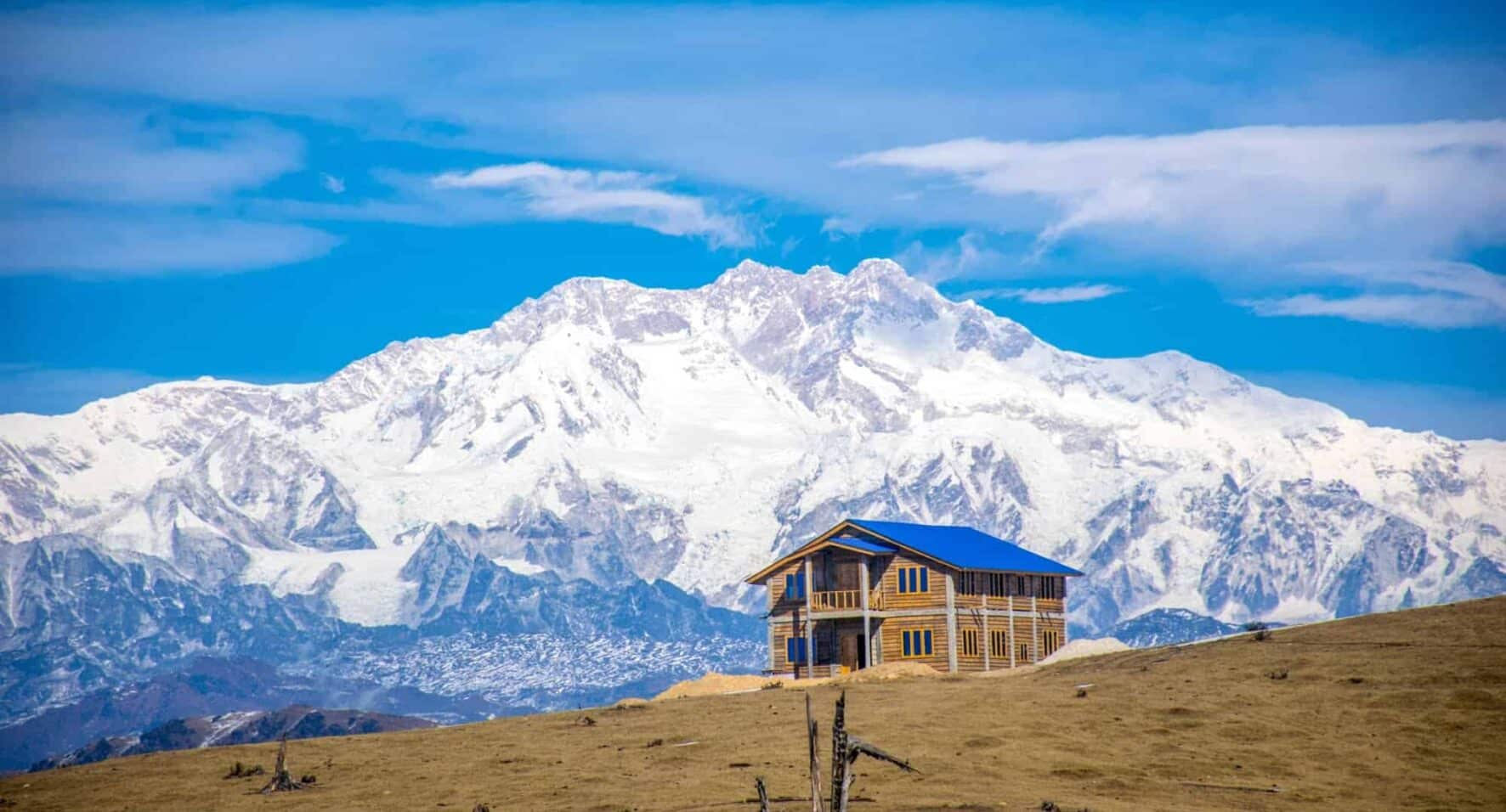
Sandakphu is a rare location on our planet where towering peaks reaching 8,000 meters can be seen. Notably, it offers a spectacular view of Everest, Lhotse, and Makalu and the opportunity to gaze upon the path ahead for the next four days of your trek. The extensive vistas from Sandakphu are genuinely remarkable.
6. Sabargram offers stunning mountain vistas.

At Sabargram, mountain enthusiasts will find the ultimate vantage point. It’s one of the few campsites where you’ll have the opportunity to sleep in tents, surrounded by the awe-inspiring Himalayas. As you unzip your tent, you’ll be greeted by the majestic sight of the world’s highest peaks, an unforgettable experience for any mountain lover.

7. Descending into Enchanted Realms: A Journey Through Magical Forests

The journey to Gorkhey involves walking through a captivating forest with a diverse range of trees, such as rhododendrons, bamboo, and brown oak. The forest ground is covered with oak nuts, a favorite food of red pandas. Walking through the forest rejuvenates you and relieves your fatigue despite the long days.
8. Gorkhey and Samanden are the villages where you wish to establish your permanent residence.

Gorkhey village is in a small open area surrounded by dense pine forests. A lovely river flows through the town, creating a captivating sight as one descends towards it.

Samanden, located an hour from Gorkhey, is a breathtaking village with charming wooden huts, lush vegetable farms, picturesque gardens, and small clusters of pine trees that enhance its beauty. I would love to establish a residence in this idyllic village. Following Samanden is Ramam. With reluctance, you bring your journey to a close at Sepi.

About Author

Author Anoop
Anoop Rawat (Admin TrekUp India)

Anoop has worked for 5 years as a Trek Leader with TrekUpIndia, leading numerous treks across the diverse and challenging terrains of Uttarakhand and Himachal Pradesh. He holds a degree in Geology with a specialization in Geographic Information Systems (GIS) from UPES Dehradun. During his academic years, he actively applied his classroom knowledge in the field—most notably by contributing to a glacier research project on the Jundar Glacier in the Har Ki Dun Valley, Uttarakhand. Write Anoop at anoop@trekupindia.com

Share this article

Facebook
Twitter
LinkedIn
WhatsApp
Threads
Tumblr
Reddit
Table of Contents
Close

Dates For Upcoming Treks

Want To Trek Like Pro?

Basically, watch these videos if you want to trek the same way professional trekkers do and make your skills better. These videos contain useful tips and techniques to further improve your trekking skills itself. These videos actually help both new and experienced trekkers improve their trekking skills. These videos definitely provide useful tips that make your trek better. We are seeing that these videos by Trekup India experts will only help you make your trekking skills better.

Know Everything About Acute Mountain Sickness

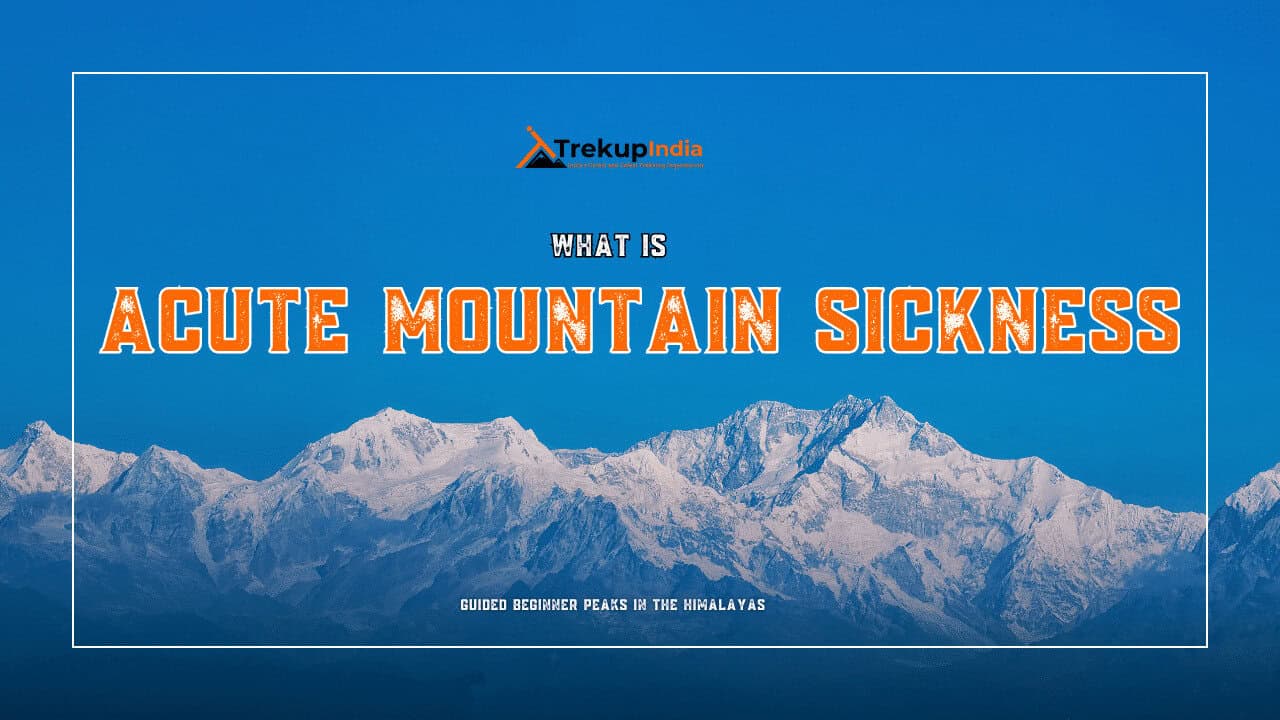
Acute Mountain Sickness occurs when people trek to high altitudes above 8,000 feet. This condition itself develops further due to reduced oxygen levels at such heights. Basically, as you go higher up, the air pressure and oxygen levels decrease, which causes the same problem. Acute Mountain Sickness surely causes headache, nausea, vomiting, and dizziness in affected persons. Moreover, peoples also experience difficulty in sleeping during this condition. To avoid mountain sickness, you should actually trek up slowly to higher altitudes. To learn further about this condition itself, watch the videos by Trekup India.