Crossing Snow Patches & Moraines Safely (Basic Techniques)

Crossing Snow Patches & Moraines: Snow Moraine Crossing Safety Tips

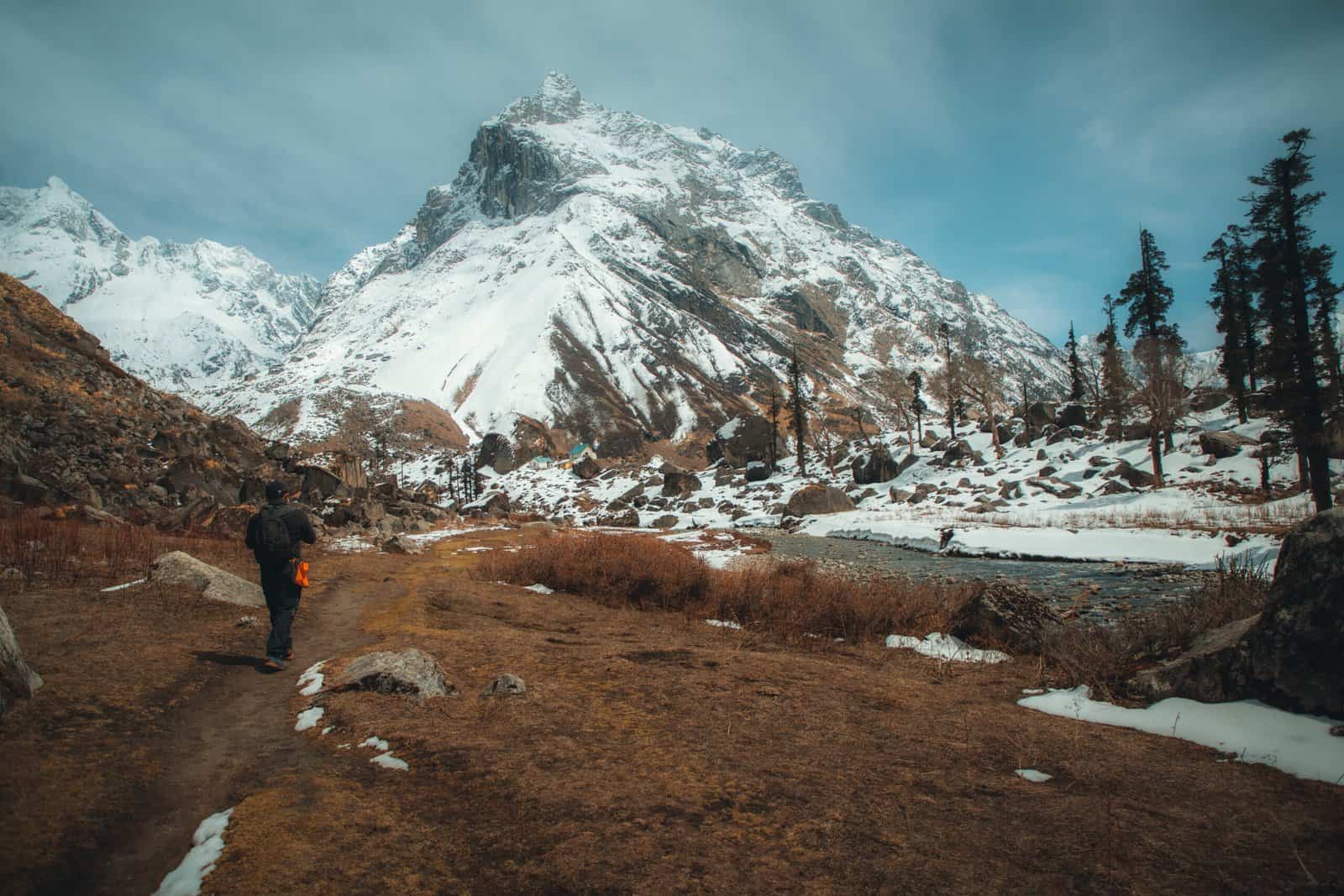
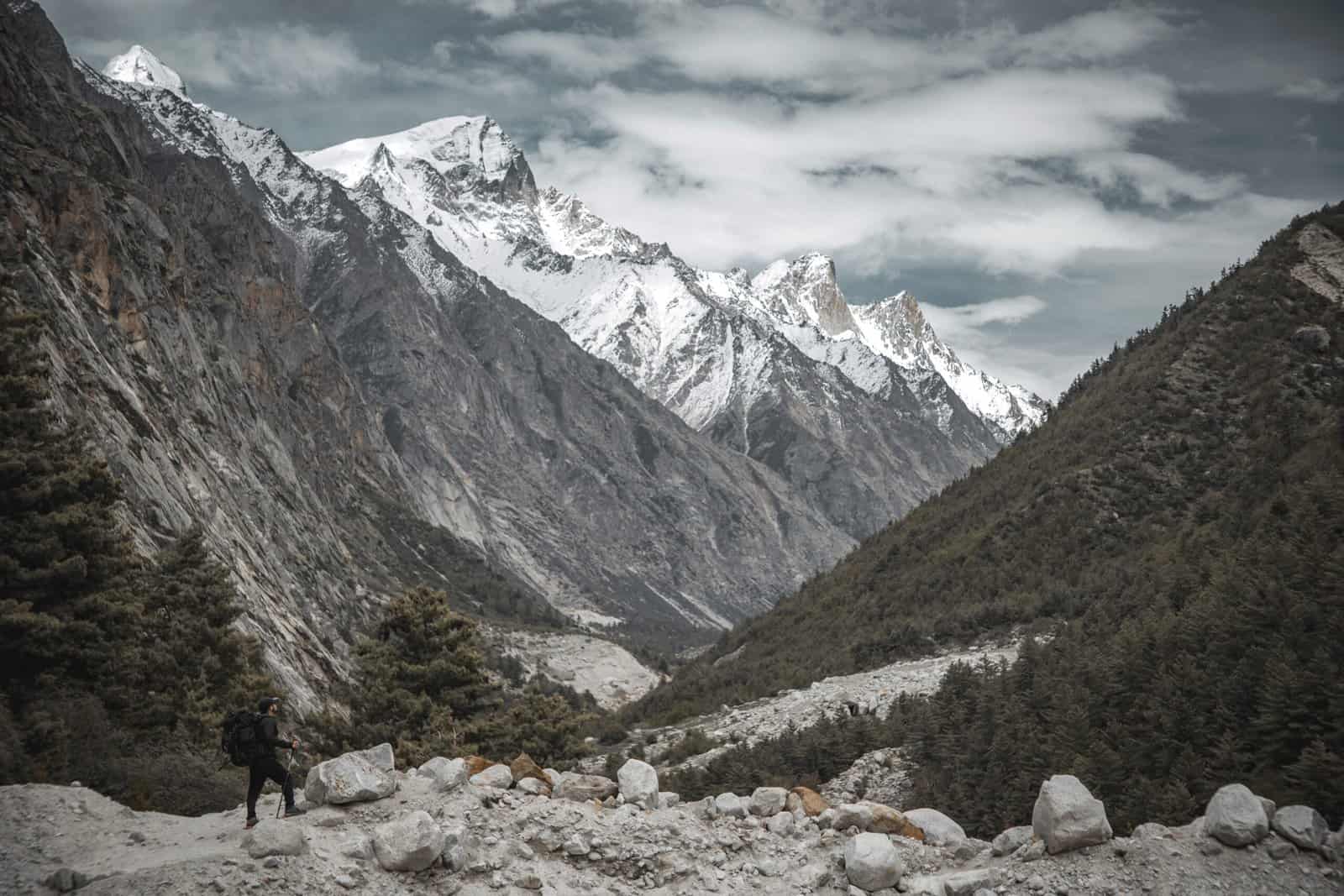
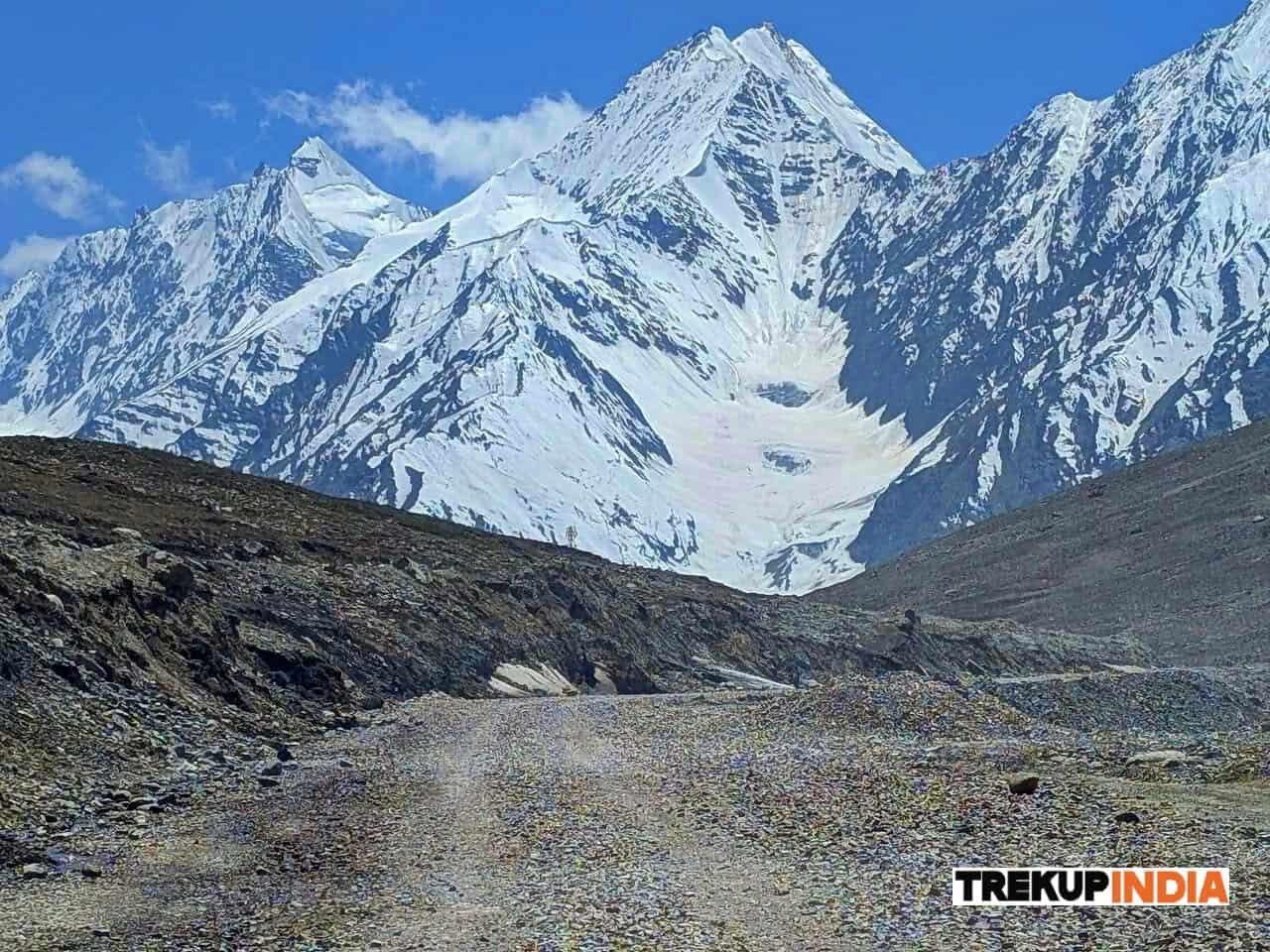
High altitude treks in India’s Himalayan regions, such as Uttarakhand, Himachal, Ladakh, or Sikkim, usually involve traversing mountains and snow patches. Although these locations can be beautiful, they also present unique dangers that require keen eyes, proper techniques, and caution to navigate safely. TrekUp India has seen experienced trekkers struggle to understand these risks, despite knowing the correct method for crossing bridges safely with confidence.

Understanding Terrain

Snow Patches

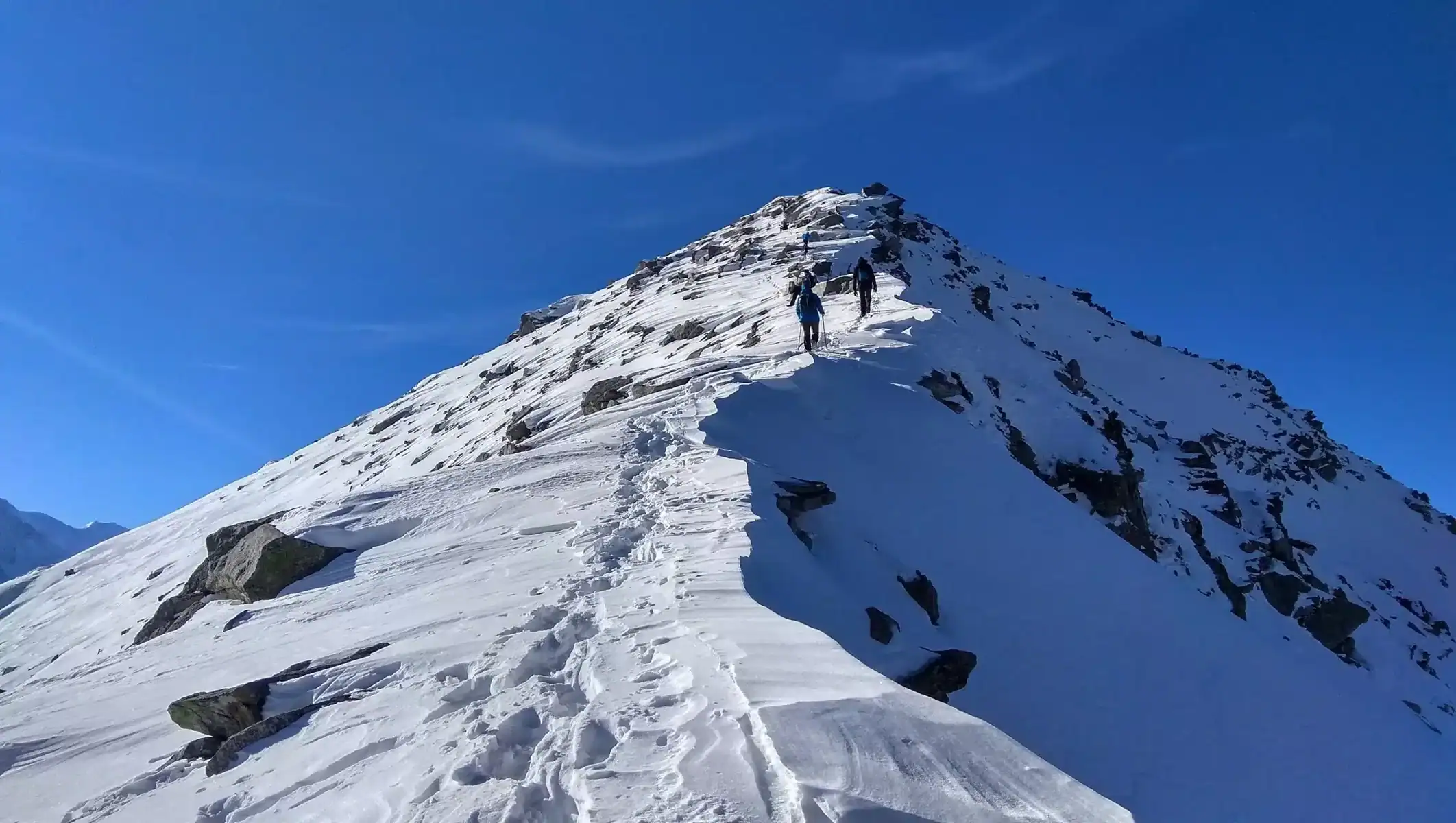
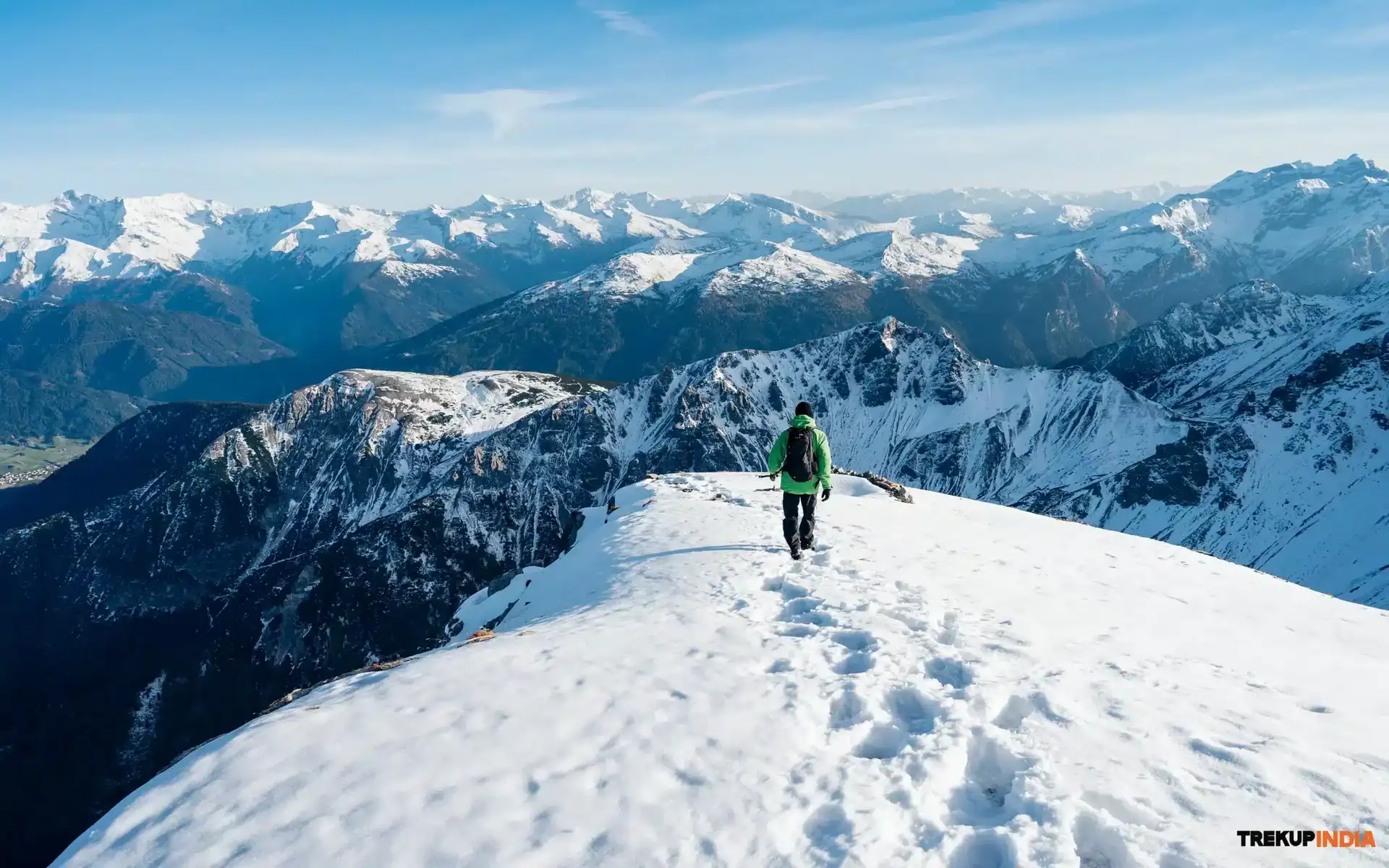
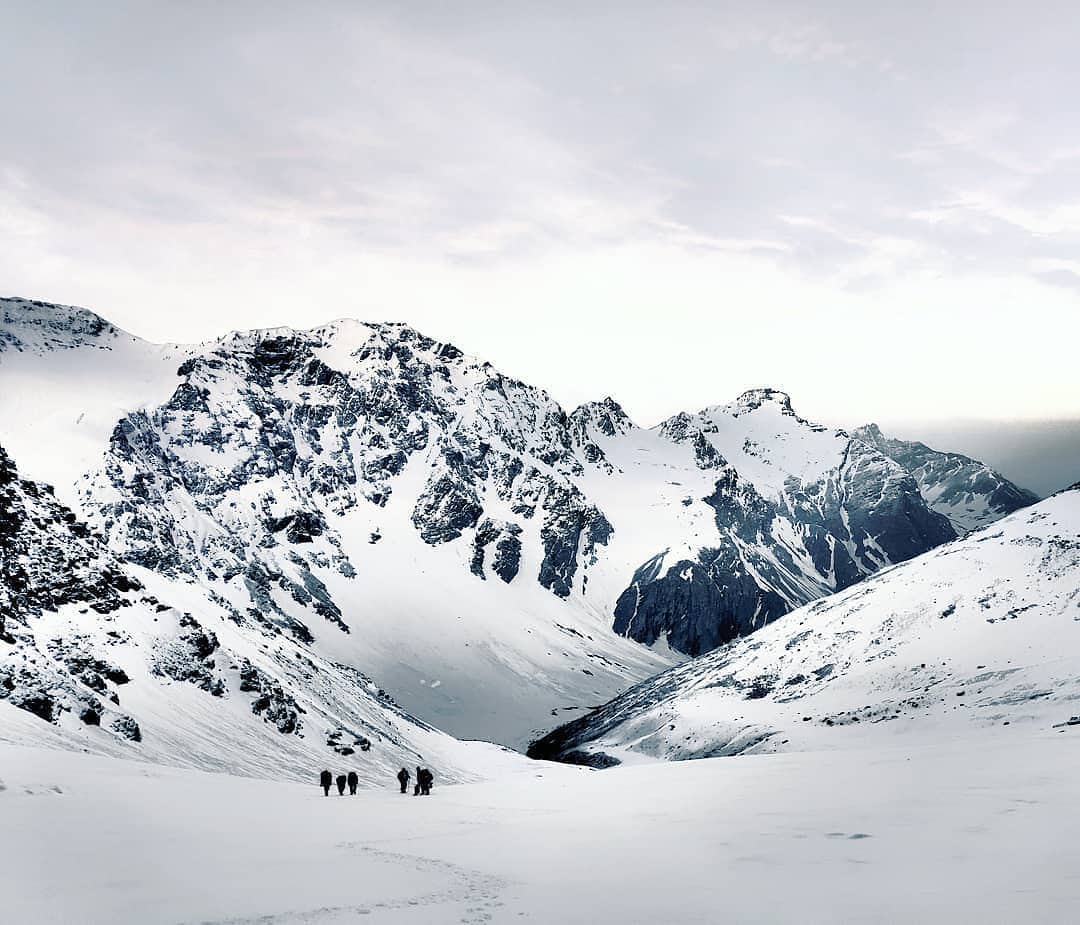
They are loose or compacted areas of snow found along treks and can become unstable, slippery, and even contain crevasses depending on the time of year and conditions.

Moraines

Moraines are composed of heaps of dirt and loose rocks left behind by glaciers as they retreat. Climbing them can be treacherous; unstable surfaces are susceptible to sliding in the heat of the day.

Hazards to Consider

Slips & Falls : It can quickly turn from icy in the morning to snowy by evening.

Hidden Gaps: The snow bridges you cross may collapse under your feet, creating hidden gaps and dangerous conditions in hollows or streams.

Rock instability : The Moraines can shift easily, and loose rocks may change with the weight on them. When this occurs, these loose rocks could come tumbling downhill towards you and potentially roll outward.

Rapid Fatigue : Balance can be challenging on uneven or slippery surfaces, putting significant physical strain on our bodies.

Basic Techniques for Crossing Snow Patches

Assess Snow Conditions

  • Morning snow conditions tend to be harder and icier; using spikes for traction may provide the best traction available, but may make the journey even more treacherous without them.
  • Slush can be exhausting to walk through in the afternoon and increases the risk of postholing (having your leg become submerged in a hole).
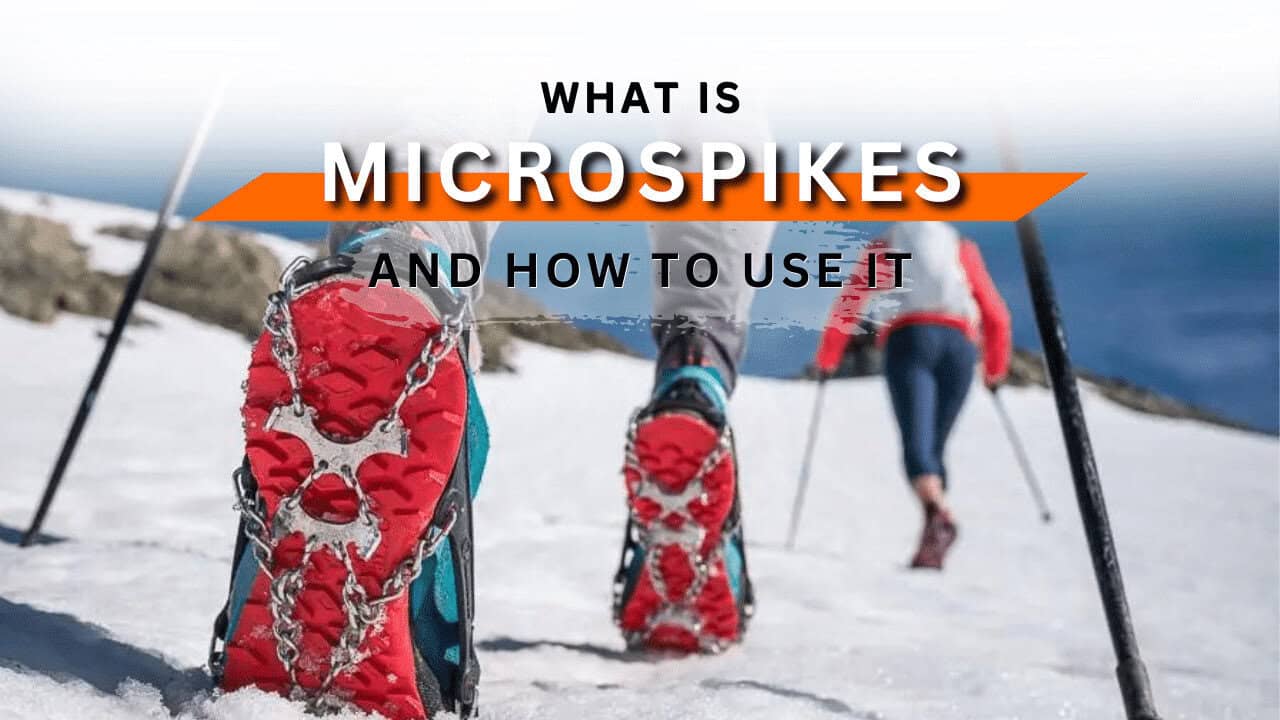
  • Footwear with microspikes and crampons is beneficial on frozen or hard packed snow surfaces.
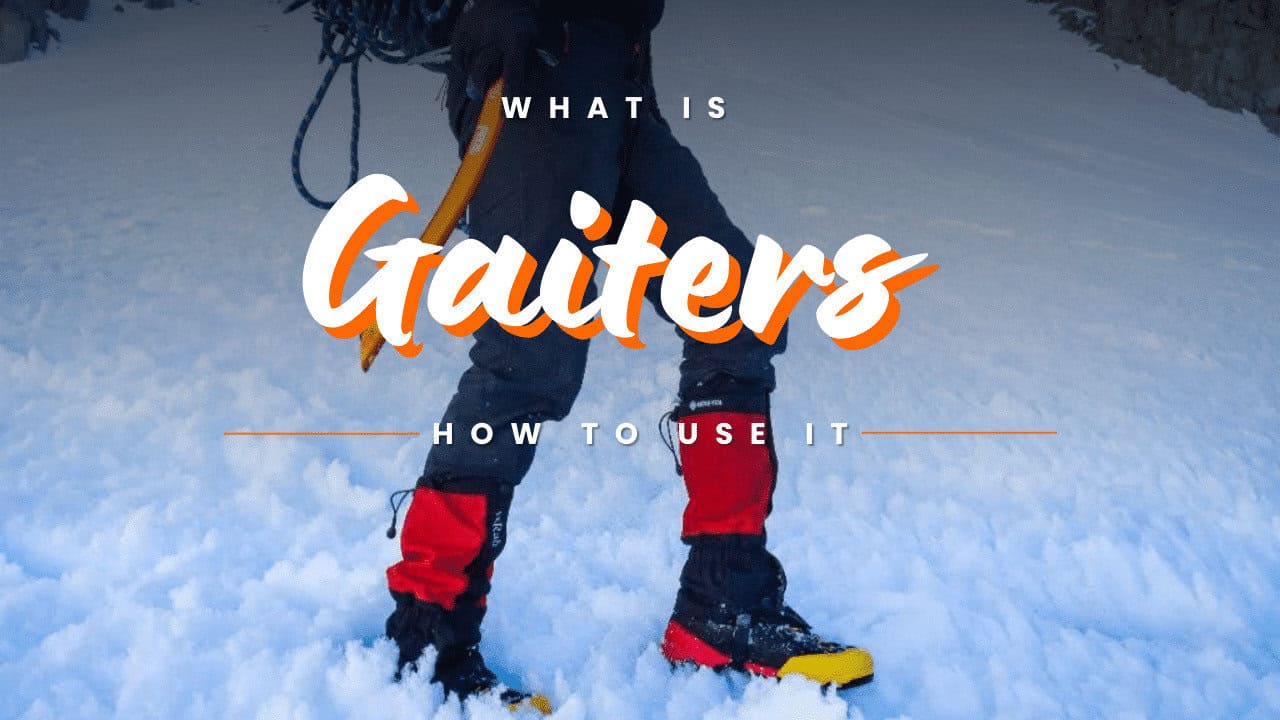
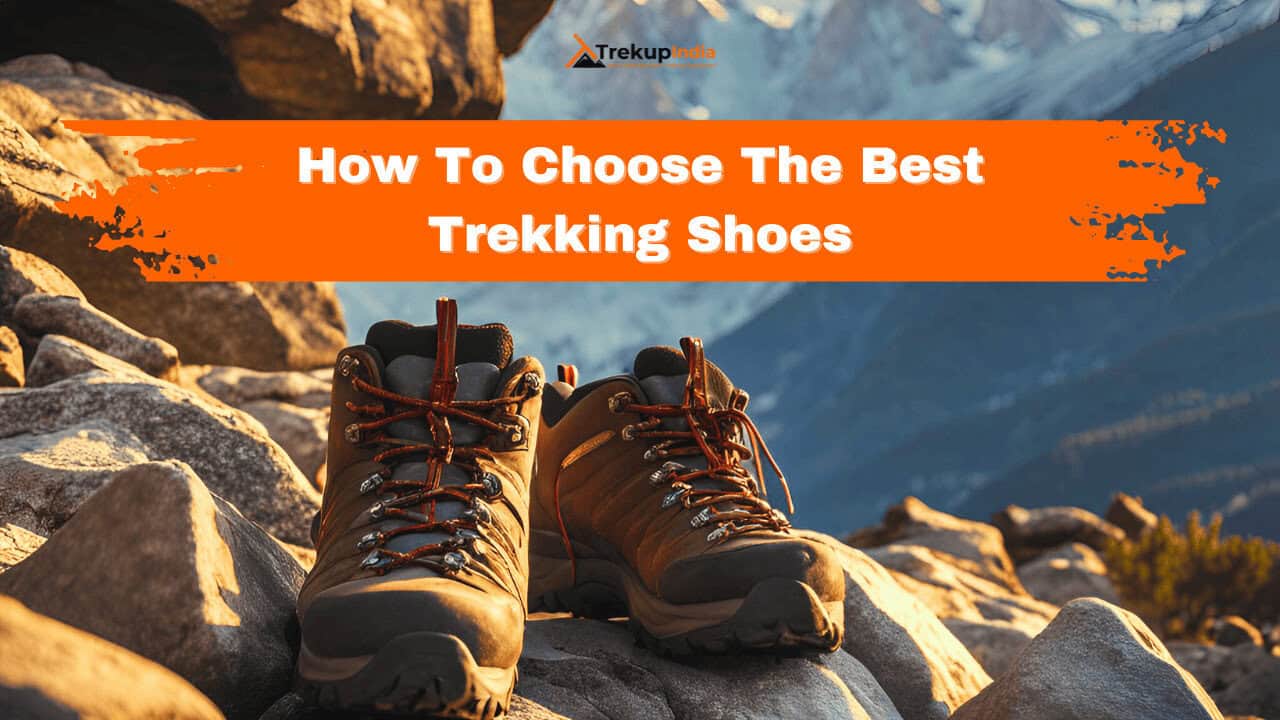
  • Boots equipped with waterproof protection will keep your feet dry and warm.
  • Firm, Short Steps
  • Focus on maintaining a slight shift of weight while making small movements to maintain balance and keep yourself safe.
  • Carefully place your shoes into the snow so that when the slope becomes steeper, you have strong footholds to secure.

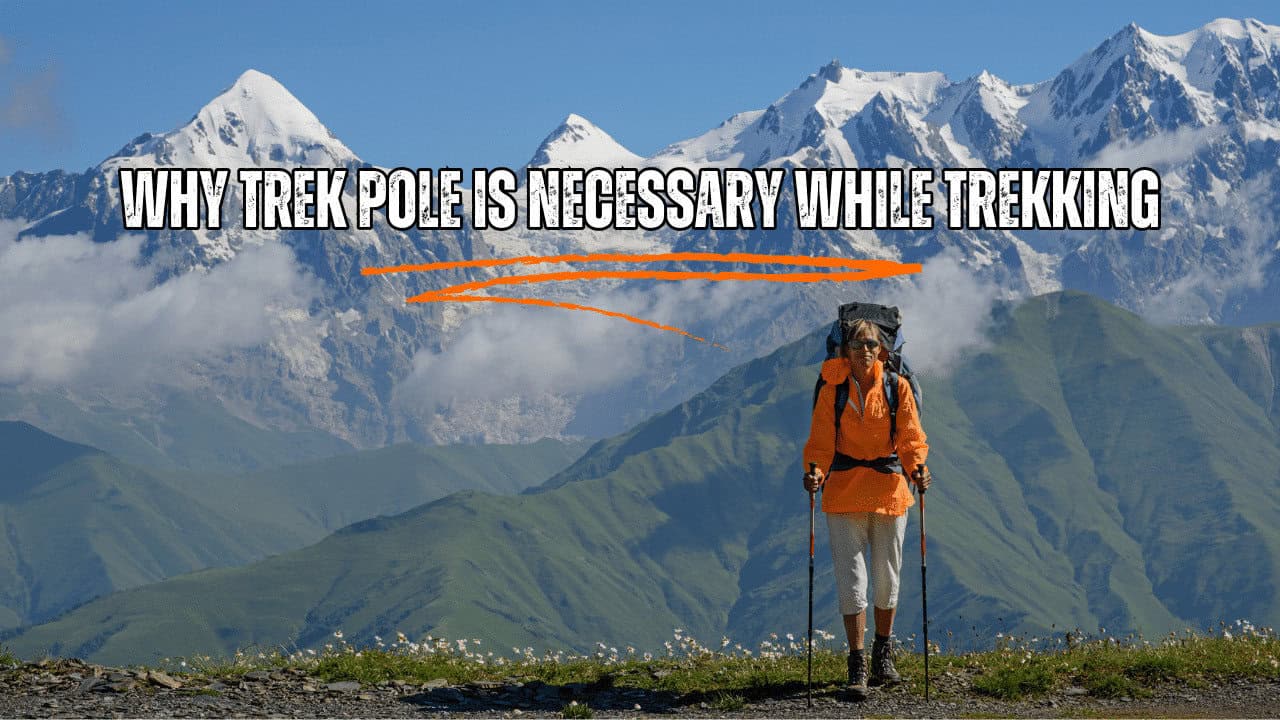
Trekking Poles for Skiing

  • Use shorter poles when skiing downhill, but longer ones for uphill.
  • Secure them before moving the weight.
  • Avoid Crossing Snow Bridges Unsafely

If in doubt, consider trying a trekking pole before making your steps.

Basic Techniques for Crossing Moraines

Before Crossing, Scan the Terrain: Find a safe route, avoiding smaller rocks as much as possible.Stay alert for areas with rockfall, and attempt to move forward without stopping.

Balance and Foot Placement. : Step carefully onto larger and more solid rocks.

Make sure your knees are slightly bent, and maintain an untense body posture to maximize stability.

Rule of Three Points of Contact (Triple Point Rule): Always ensure both feet are securely fastened before moving. Secure any feet before shifting weight.

Move Carefully and Deliberately: Rushing increases when you slide or fall over stones.

Mind the Distance between Trekkers : Be mindful to leave enough distance between trekkers to prevent rocks from colliding and creating accidents on your trek.

TrekUp India's Safety Tips

  • Avoid wearing sunglasses in the snow to protect yourself from snow blindness.
  • Conditions can change rapidly in moraines and snow fields.
  • If you are uncertain about a crossing you are contemplating, take your time and follow your trek guide’s directions closely.
  • Learn to walk safely on snow in lower risk zones before venturing onto more challenging sections.

Conclusion

Moraine treks add beauty and excitement to a Himalayan trek; however, they require respect, planning, and an open mind set to traverse successfully. TrekUp India believes that safety begins with awareness. They advise their clients to continually assess the terrain before setting off. TrekUp India believes that training under different conditions before venturing onto more challenging terrain is the key to building security on trekking trips. By being patient, using appropriate strategies, and seeking guidance from knowledgeable guides, these areas could become valuable assets on any trek.

About Author

Nanda Rawat
Nanda Rawat (Operation Manager)

Nanda Rawat holds a Master’s degree in Tourism and Hospitality and is a seasoned professional specializing in Adventure and Leisure Travel. As a travel specialist and consultant, his core mission has always been to deliver exceptional service by sharing the full breadth of his experience, ensuring client satisfaction on a global scale.

With over 16 years of experience, Nanda has worked with three well-established tourism companies, gaining deep insight into both inbound and domestic travel operations. He has contributed directly and indirectly to the Adventure Tour Operators Association of India (ATOAI) and has participated in multiple Immediate First Aid Training programs at the Indian Mountaineering Foundation (IMF).

In addition to his fieldwork, Nanda has shared his expertise through guest lectures in tourism and hospitality at various universities. He has independently led numerous expeditions across the Indian Himalayas and was actively involved in the rescue operations during the 2010 Ladakh flash floods.

In recognition of his outstanding coordination skills, he was honored with the Best Travel Coordinator Award by Joy James Educational Trust in 2012. A strong advocate of ethics, sustainability, and eco-tourism, Nanda takes great pride in being an integral part of Trekup India.

Write to him at: nanda@trekupindia.com

Share this article

Facebook
Twitter
LinkedIn
WhatsApp
Threads
Tumblr
Reddit
Table of Contents
Close

Dates For Upcoming Treks

Want To Trek Like Pro?

Basically, watch these videos if you want to trek the same way professional trekkers do and make your skills better. These videos contain useful tips and techniques to further improve your trekking skills itself. These videos actually help both new and experienced trekkers improve their trekking skills. These videos definitely provide useful tips that make your trek better. We are seeing that these videos by Trekup India experts will only help you make your trekking skills better.

Know Everything About Acute Mountain Sickness

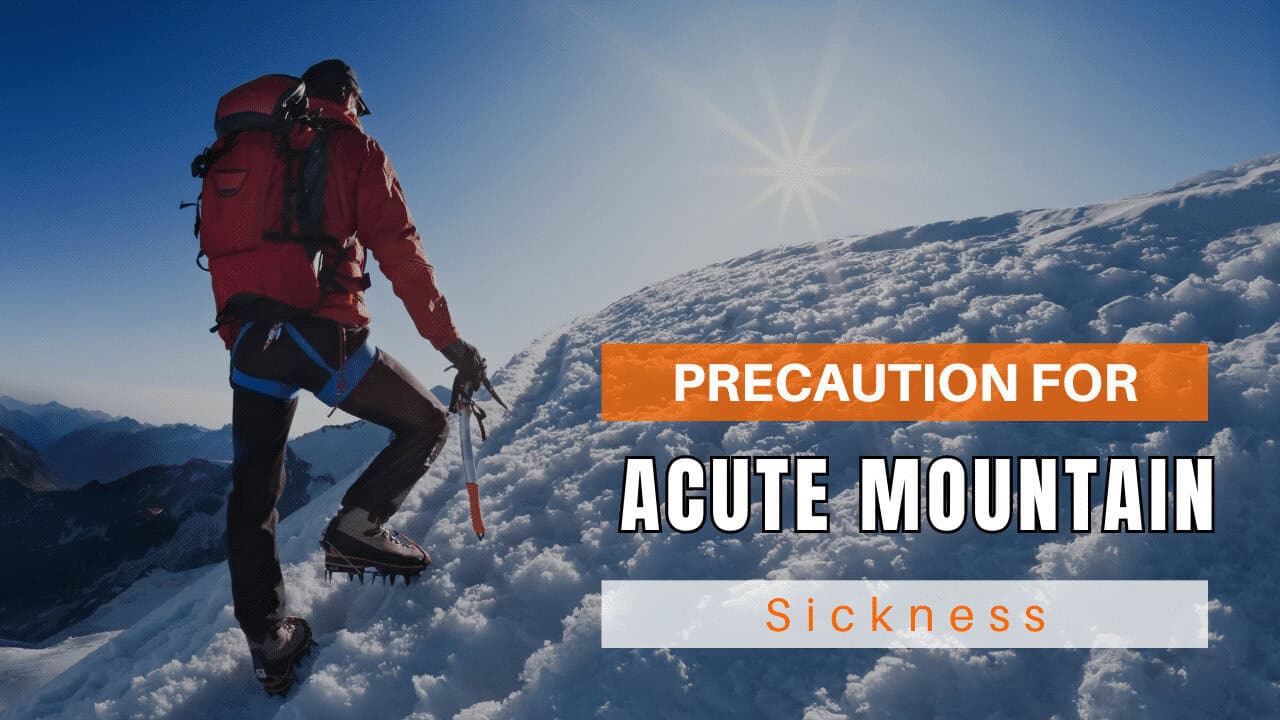
Acute Mountain Sickness occurs when people trek to high altitudes above 8,000 feet. This condition itself develops further due to reduced oxygen levels at such heights. Basically, as you go higher up, the air pressure and oxygen levels decrease, which causes the same problem. Acute Mountain Sickness surely causes headache, nausea, vomiting, and dizziness in affected persons. Moreover, peoples also experience difficulty in sleeping during this condition. To avoid mountain sickness, you should actually trek up slowly to higher altitudes. To learn further about this condition itself, watch the videos by Trekup India.