Seasonal Gear Swaps: Adapting Your Kit for Different Times
Indian trekking offers a diverse landscape from snow topped Himalayas to lush Western Ghats. Each season demands different equipment. What works well during summer may become useless (or even hazardous) during winter treks; monsoon treks require specific rain gear. To ensure a safe and secure trek experience throughout the year, adapting gear according to season is key; learn how to adapt smartly when changing seasons are in play for every trip!
Summer Trekking (March to June)
Weather Conditions: Hot days and cool nights (in higher elevations).
Key Adjustments: Light, breathable clothes such as moisture wicking clothes or convertible pants and wide brim hats should be worn to make for more enjoyable trekking conditions.
Sun Protection glasses (UV protected), sunscreen with SPF 50 plus protection, and an earmuff or bandana to shield your neck are essential elements to keeping you protected from UV radiation.
Hydration Goal: Carry at Least 3L of Water and Electrolytes. The best hydration bladder aims to contain at least this much water for proper hydration.
Sleep Equipment: A Lightweight sleeping bag (10 15degC rating) or liner will keep you warm on cooler nights.
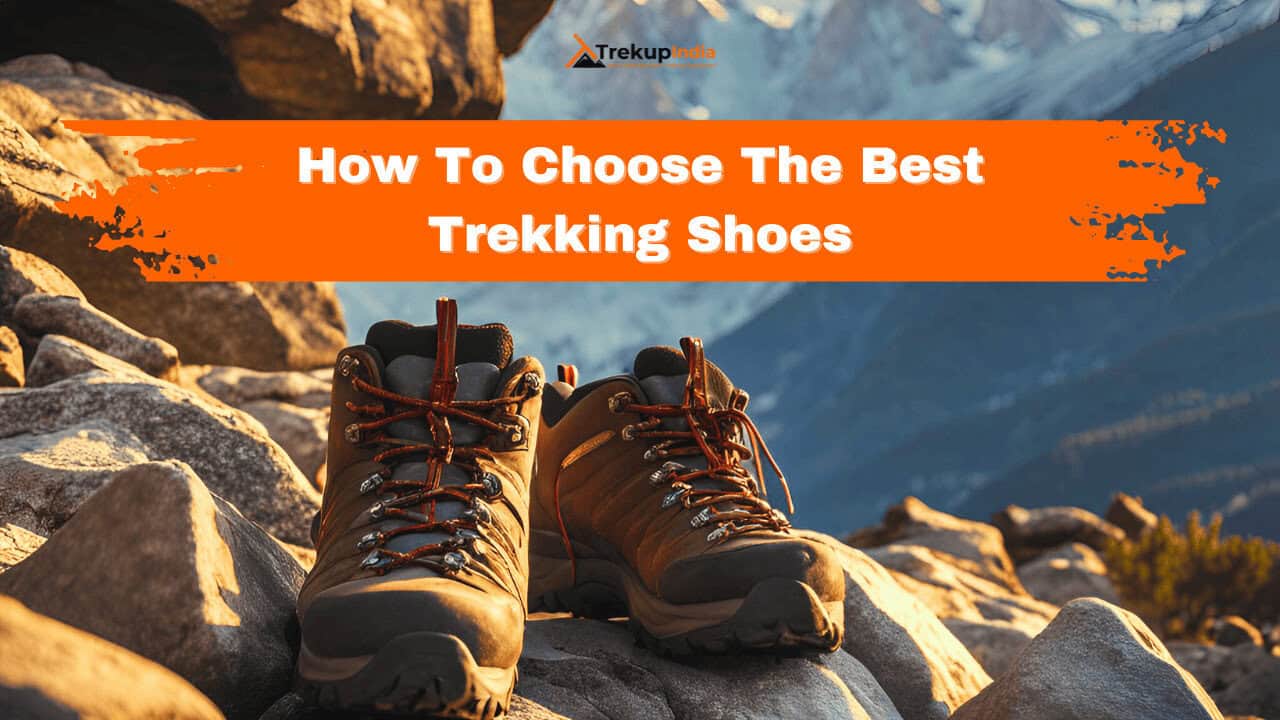
Footwear Trekking shoes are designed with ventilation for optimal grip on wet terrain.
Note: An early start time will help to keep cool; sleep in the shade until midday.
Monsoon Trekking (July to September)
Conditions: Heavy rain, slippery paths, leeches, and high humidity. Key Adjustments:
Incorporating waterproof clothing (rain jacket/poncho/dry bag, etc), waterproof gear storage such as dry bags for gear, as well as an umbrella shaped rain cover on your backpack for optimal conditions.
Quick Dry Clothes: It is best to wear clothes made of synthetic or merino wool fibers, which will dry faster. Cotton will take much longer.
Protection from leeches. Salt, leech socks, or clothing treated with permethrin provide effective defenses.
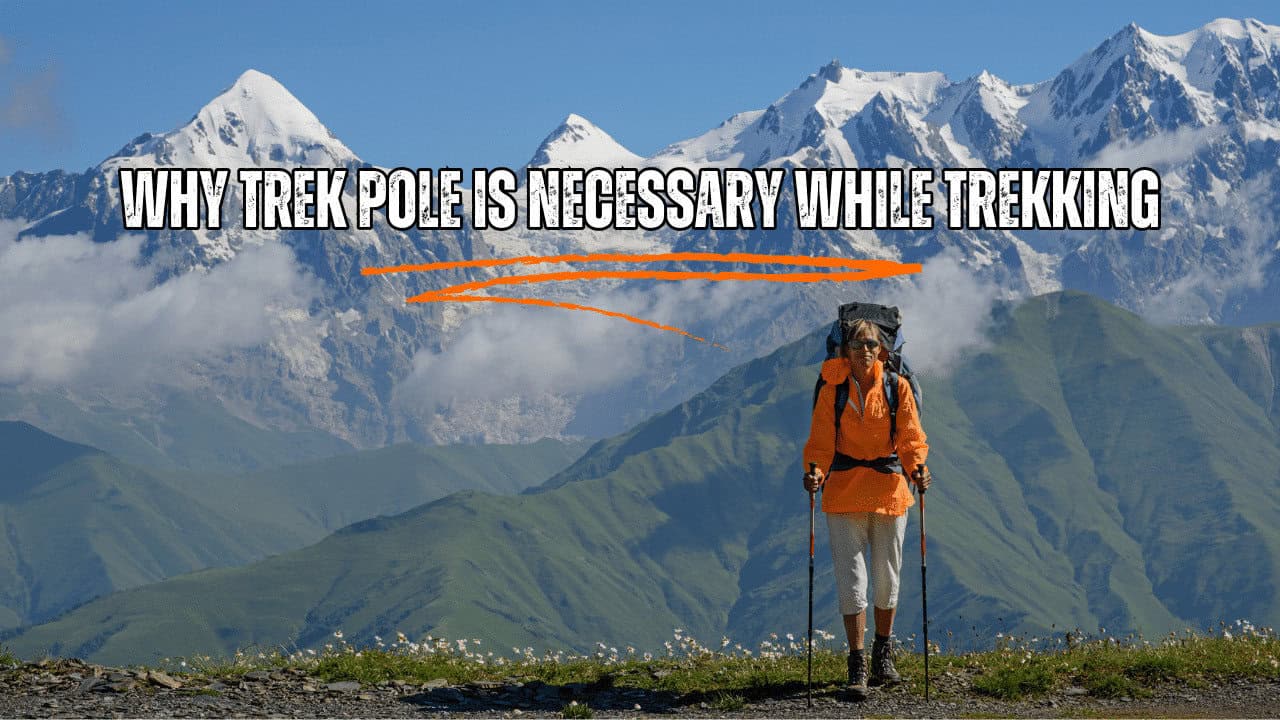
Trekking poles are essential when walking on uneven and hazardous treks.
Footwear: Watertight footwear featuring deep treads or trek runners equipped with drain holes is essential.
Note: Monitor for flash flooding risks when heavy rainfall falls, and steer clear of river crossings during times when there’s the possibility of flash flooding.
Autumn Trekking (October to November) Conditions
Crisp air with steady conditions and excellent visibility.
Adjustments: For layering purposes, a light base layer containing fleece material, as well as a windproof jacket, are needed for optimal conditions.
Flexible sleep bag (5 10 °C temperature rating) best for use during cold winter evenings.
Gritty footwear.
Due to rain runoff from monsoon rainstorms, treks may become damp due to runoff water.
Camera Accessories When autumn comes around, mountain views become some of the best you can ever experience! Now is an excellent time for photographers to capture these spectacular mountain vistas!
Note: Mornings can be cold, so prepare by packing gloves and a beanie.
Winter Trekking (December to February) Weather Conditions
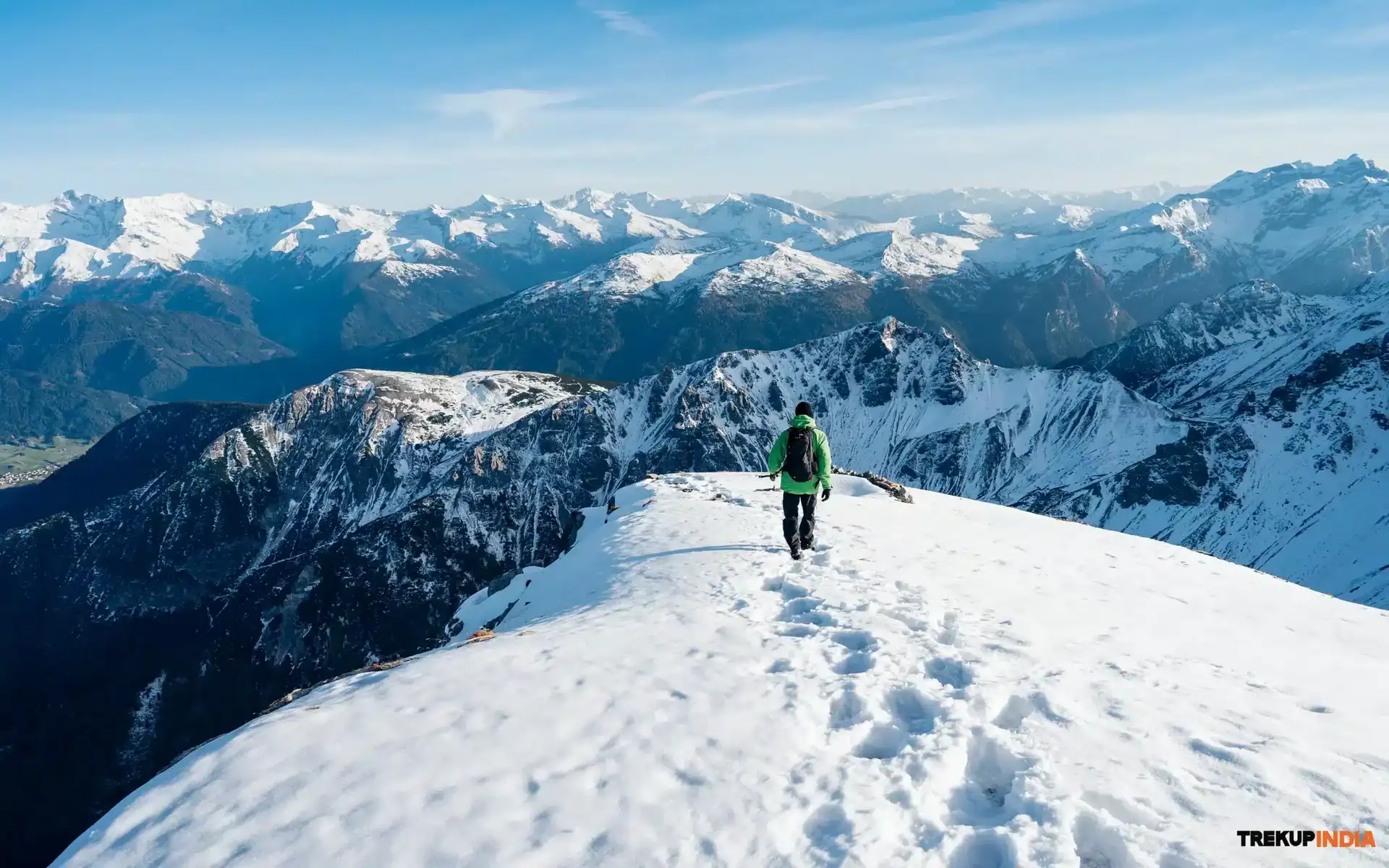
Freezing temperatures with snow at high elevations. Longer days. Key Adjustments: Thermal base layers containing insulation, as well as down jackets featuring fleece material, as well as an outer waterproof and windproof shell, should all be worn when trekking during this season.
Sleeping bag with an ambient temperature rating between 5degC and 10 °C; combined with an insulated sleeping pad is optimal.
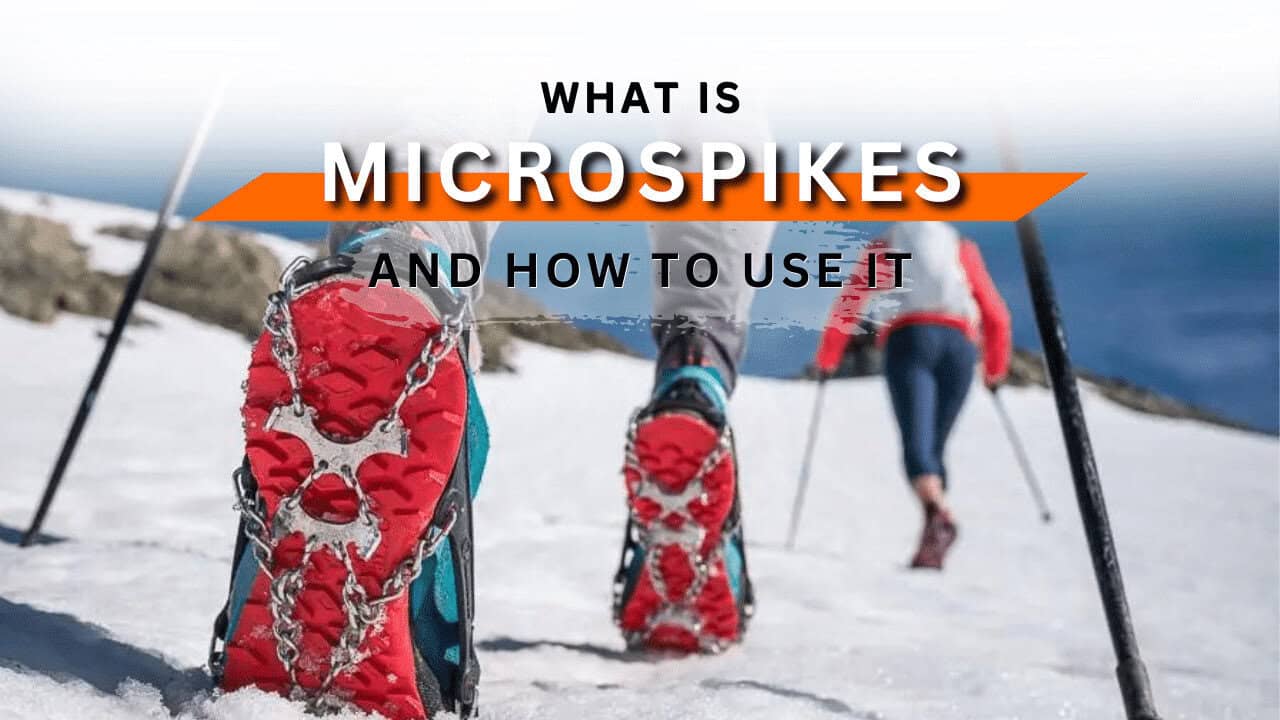
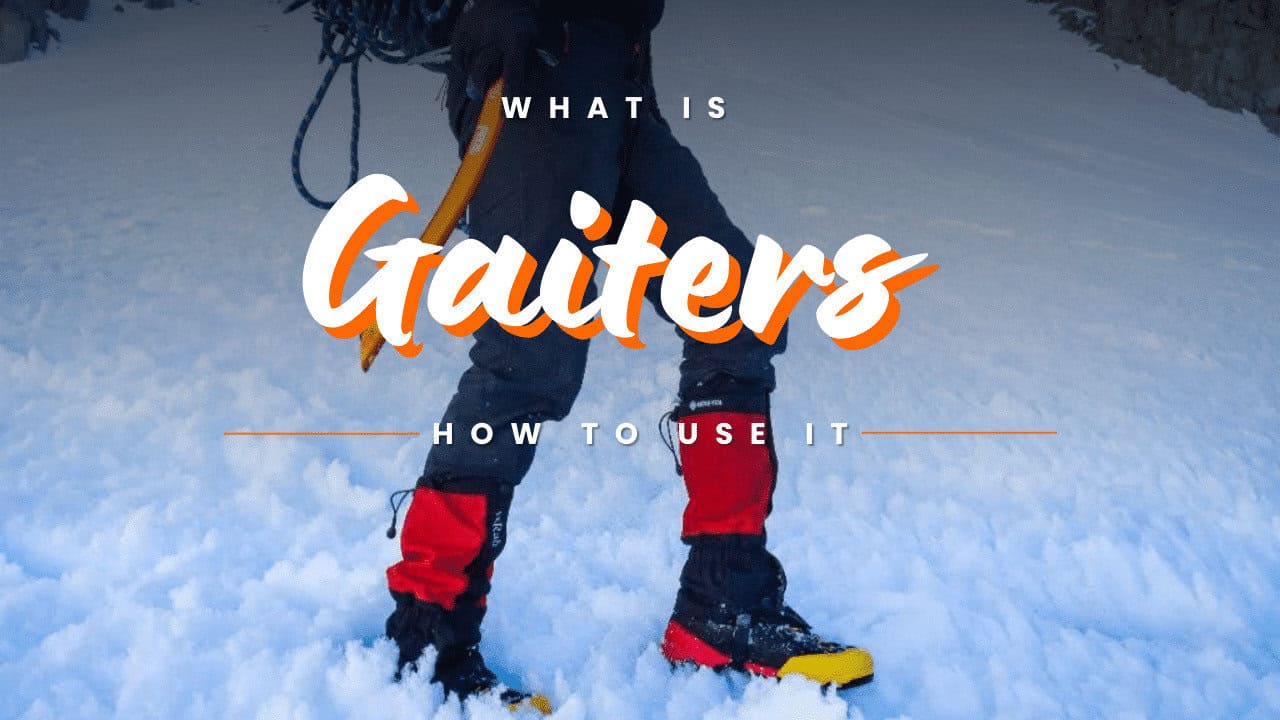
Snow equipment includes microspikes, gaiters, and waterproof gloves.
Foods high in calories will help your body burn extra energy while you maintain an best temperature.
Trekking poles equipped with snow baskets offer extra stability during snowstorms.
Note: Keep all electronics (phone or camera) close to you as an effective measure against battery drain. This way, they will remain protected in case any of them go haywire!
Essential Items Year Round (Don't Neglect These)
Some essentials should never be left behind, no matter the season: A kit for first aid must always include blister care products and medications specific for altitude sickness if required, in addition to having extra batteries, an LED headlamp with extra bulbs for illumination, multi tools such as knives or multi tools as well as tools used for navigation (Map Compass / GPS).
Conclusion
Indian trekking seasons and terrains vary considerably, necessitating equipment tailored specifically for each terrain and season. From traversing saline mountain ridges in Uttarakhand’s summer heatwave to trekking leech-infested trek ways during monsoon season through Western Ghats, or braving snow-covered winter treks of Himachal, being prepared isn’t a luxury but essential!
TrekUp India has seen that the best prepared trekkers aren’t those with the newest gear; rather, they make modifications that match conditions, terrain, and climate conditions to tailor their gear accordingly. Making seasonal adjustments increases comfort while decreasing risks and allows faster travel with lighter loads. Before setting off on your upcoming treks, ensure to review the weather forecast, the area, and your list of packing items. Travel smartly while being mindful to let each season bring its beauty along the trek.
About Author
Nanda Rawat (Operation Manager)
Nanda Rawat holds a Master’s degree in Tourism and Hospitality and is a seasoned professional specializing in Adventure and Leisure Travel. As a travel specialist and consultant, his core mission has always been to deliver exceptional service by sharing the full breadth of his experience, ensuring client satisfaction on a global scale.
With over 16 years of experience, Nanda has worked with three well-established tourism companies, gaining deep insight into both inbound and domestic travel operations. He has contributed directly and indirectly to the Adventure Tour Operators Association of India (ATOAI) and has participated in multiple Immediate First Aid Training programs at the Indian Mountaineering Foundation (IMF).
In addition to his fieldwork, Nanda has shared his expertise through guest lectures in tourism and hospitality at various universities. He has independently led numerous expeditions across the Indian Himalayas and was actively involved in the rescue operations during the 2010 Ladakh flash floods.
In recognition of his outstanding coordination skills, he was honored with the Best Travel Coordinator Award by Joy James Educational Trust in 2012. A strong advocate of ethics, sustainability, and eco-tourism, Nanda takes great pride in being an integral part of Trekup India.
Write to him at: nanda@trekupindia.com
Share this article
Dates For Upcoming Treks
Want To Trek Like Pro?
Basically, watch these videos if you want to trek the same way professional trekkers do and make your skills better. These videos contain useful tips and techniques to further improve your trekking skills itself. These videos actually help both new and experienced trekkers improve their trekking skills. These videos definitely provide useful tips that make your trek better. We are seeing that these videos by Trekup India experts will only help you make your trekking skills better.
Know Everything About Acute Mountain Sickness
Acute Mountain Sickness occurs when people trek to high altitudes above 8,000 feet. This condition itself develops further due to reduced oxygen levels at such heights. Basically, as you go higher up, the air pressure and oxygen levels decrease, which causes the same problem. Acute Mountain Sickness surely causes headache, nausea, vomiting, and dizziness in affected persons. Moreover, peoples also experience difficulty in sleeping during this condition. To avoid mountain sickness, you should actually trek up slowly to higher altitudes. To learn further about this condition itself, watch the videos by Trekup India.