Photography Tips for Trekkers in the Indian Himalayas
Trekking in the Indian Himalayas provides an opportunity to capture nature at its rawest and most breathtaking. Trekkers who explore these stunning high altitude scenes become artists through their lens; taking pictures requires more than simply pressing a button!
On TrekUp India, we have witnessed how innovative photo techniques can transform ordinary trek photos into lifelong memories. Here is an easy step by step guide for both beginner and experienced trekkers on how to capture the majestic Himalayas.
1.Gear Essentials for Light, Smart Photography
A compact DSLR or Mirrorless camera, as well as smartphones featuring premium builds, can prove indispensable when used correctly.
Make sure to bring an extra set of batteries when traveling through a cold climate batteries may drain much faster than anticipated!
Utilize a lightweight tripod to ensure stability for short exposures or low lighting environments.
An essential lens cleaning cloth, whether for snow, dust, or water needs.
Note: Ensure your camera is near your body to protect it from cold and condensation, using waterproof bags as necessary in rain or snowy environments.
2. Golden Hours = Magic
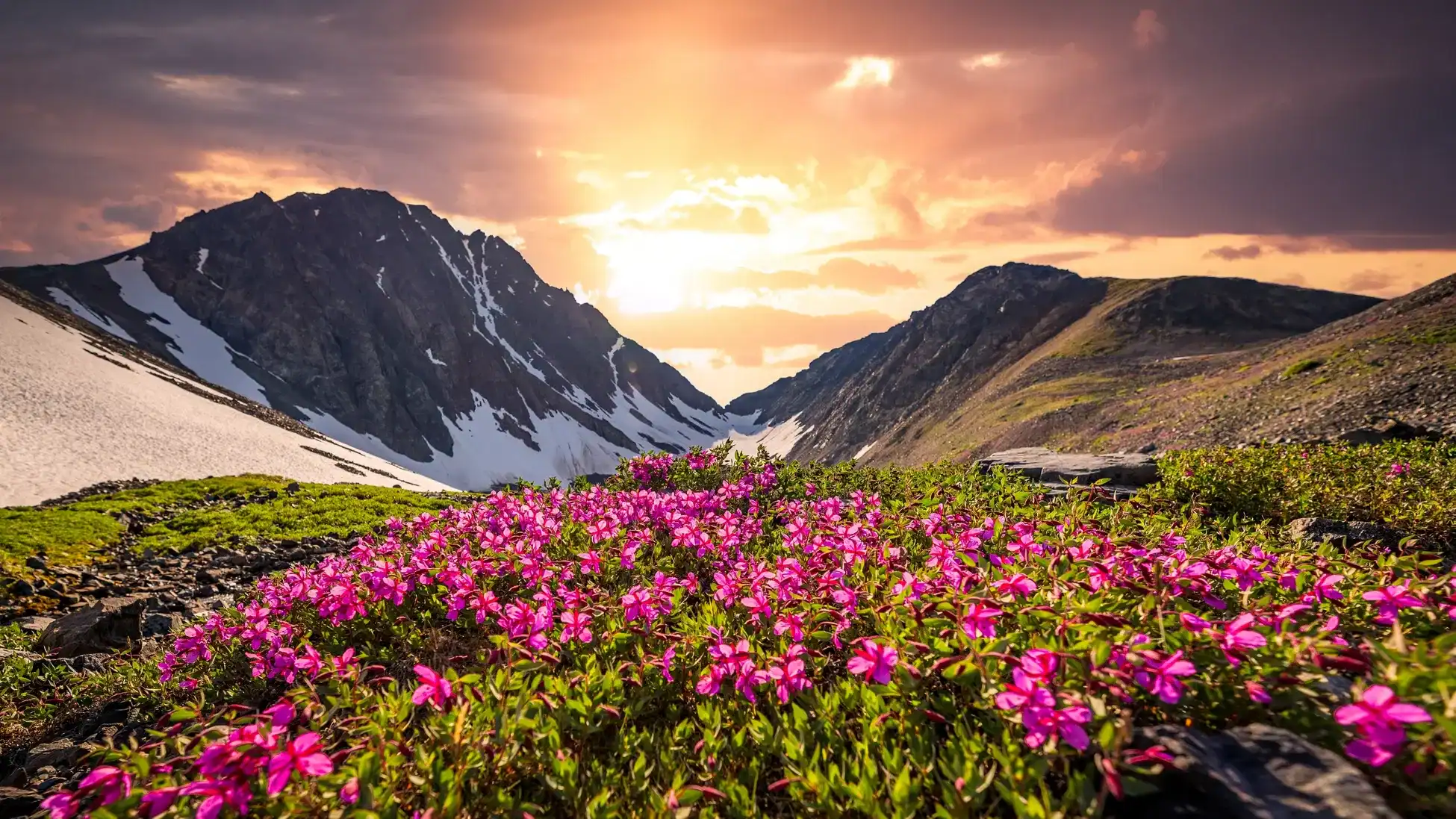
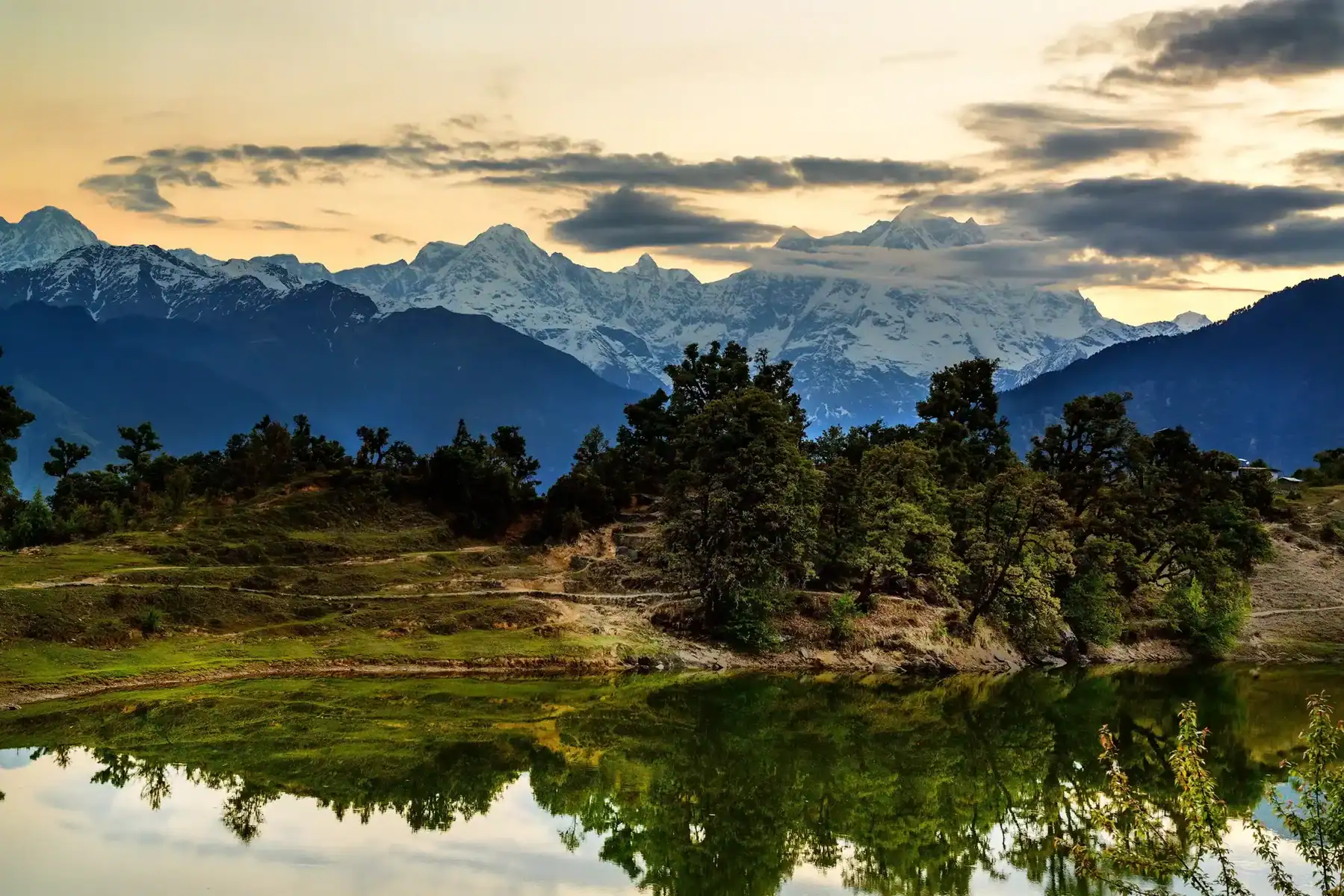
At sunset and sunrise in the Himalayas, an exquisite skyscape emerges, with bold hues such as golds, purples, and cold blues bursting from its depths.
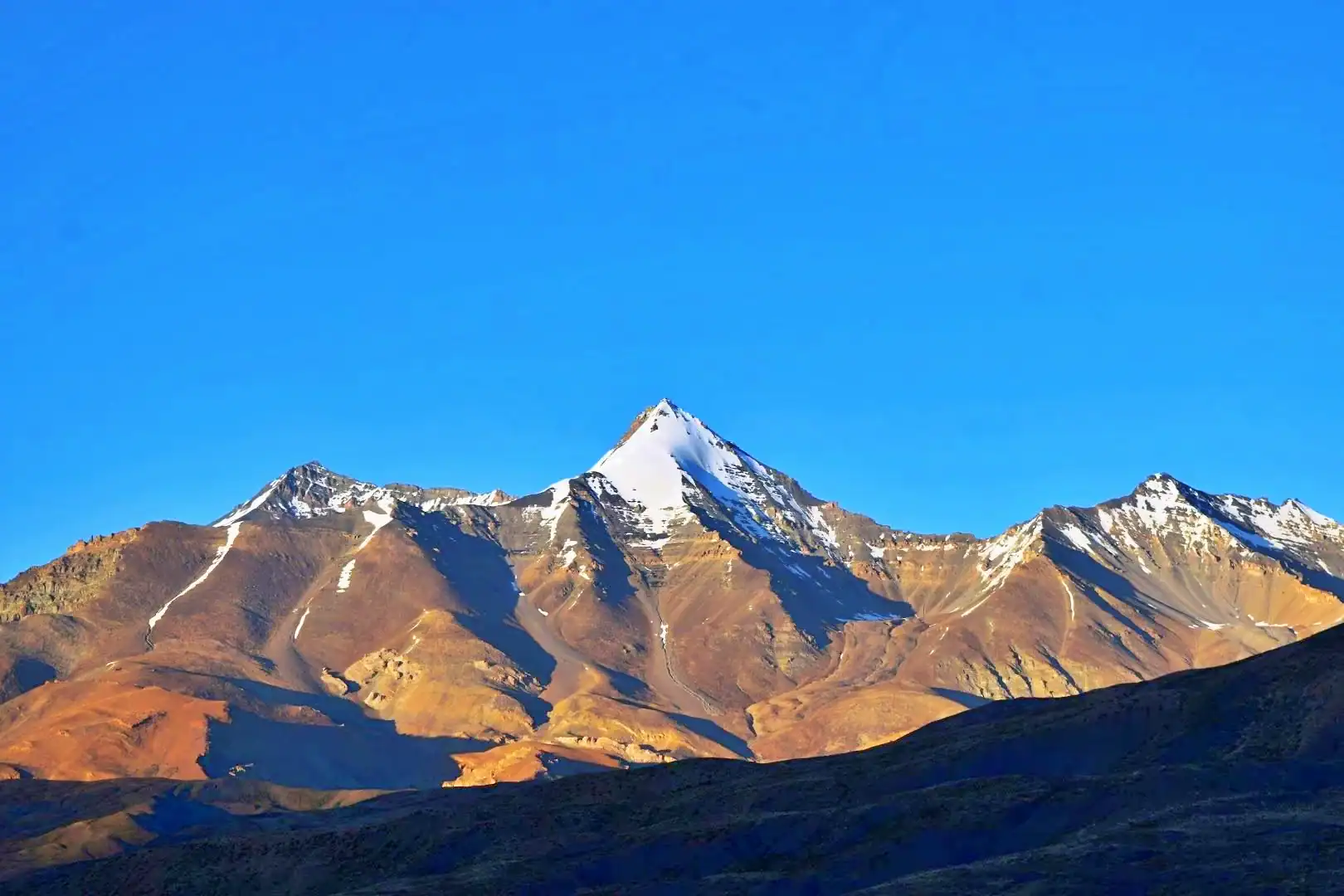
Low angled lighting brings out textures such as trails, trees, and mountainsides beautifully.
Timing for shooting:
Shortly before sunrise (5:30 AM 7:30 AM), our morning workout begins.
Just before sunset (4:30 to 6:30), enjoy an unforgettable trip through this breathtaking countryside.
Note: Start your day early if possible to avoid harsh afternoon light and capture its tranquil beauty at dawn. Not only will this give you time to beat traffic congestion, but you’ll also experience its peaceful ambience!
3. Frame the Scale
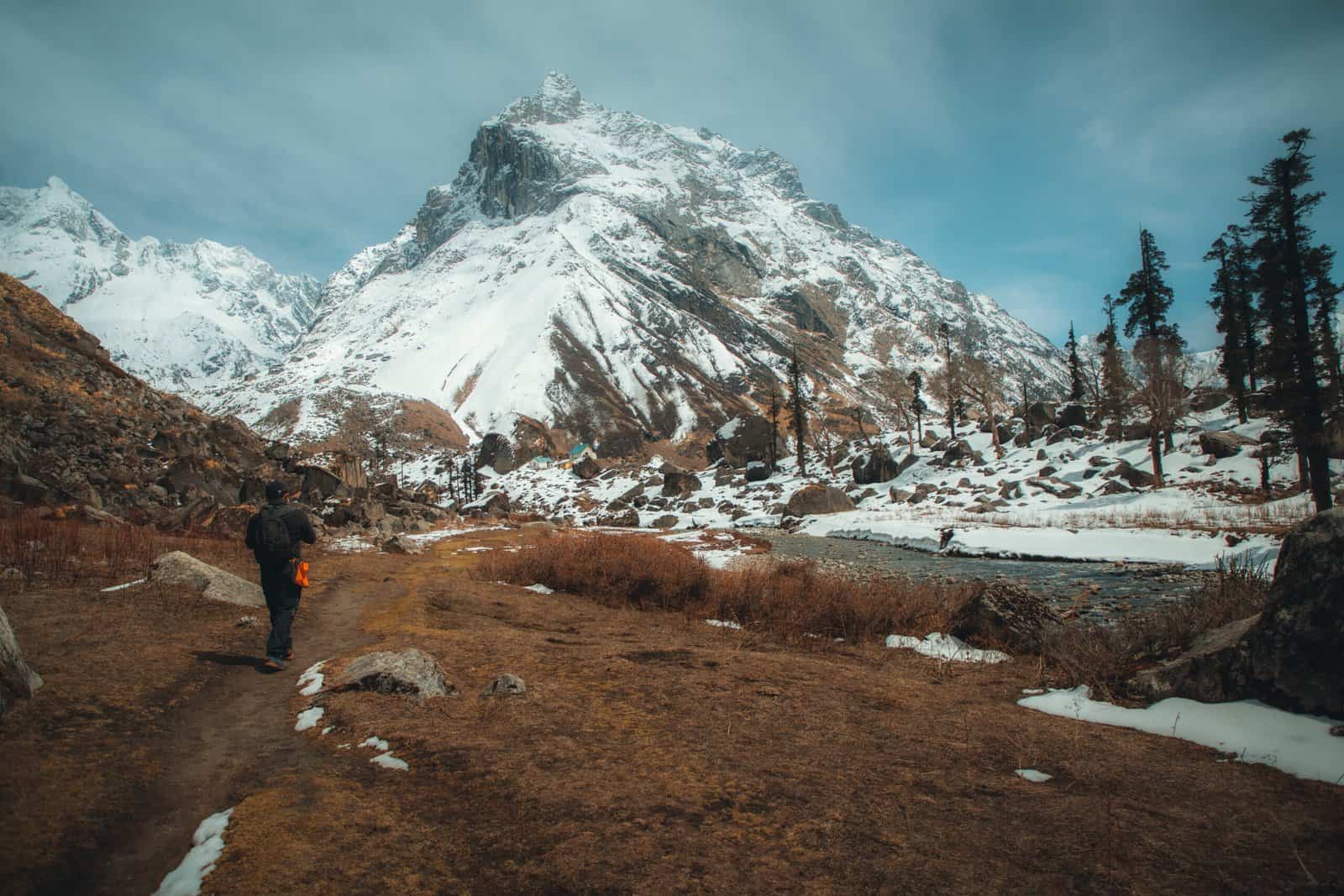
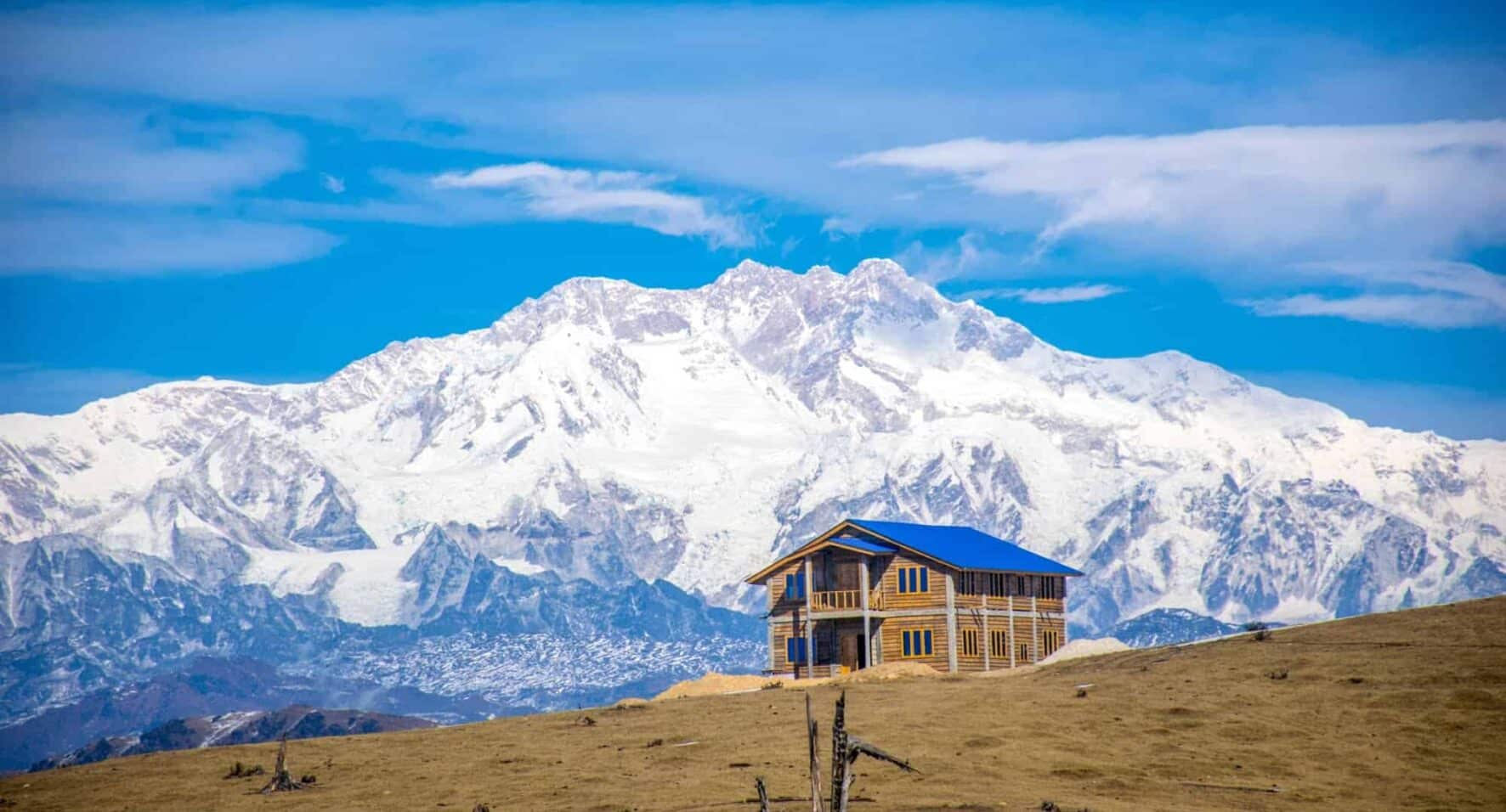
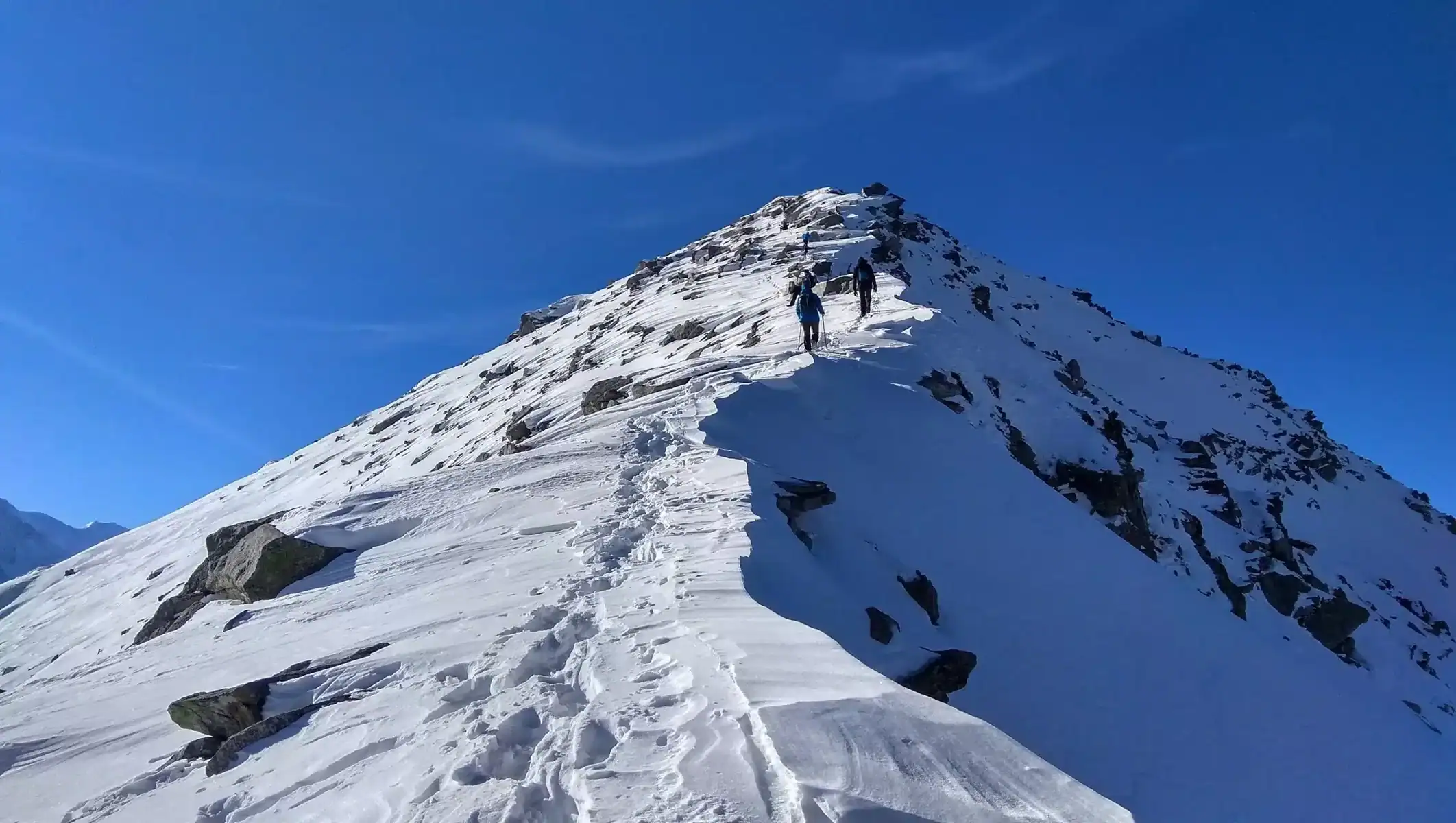
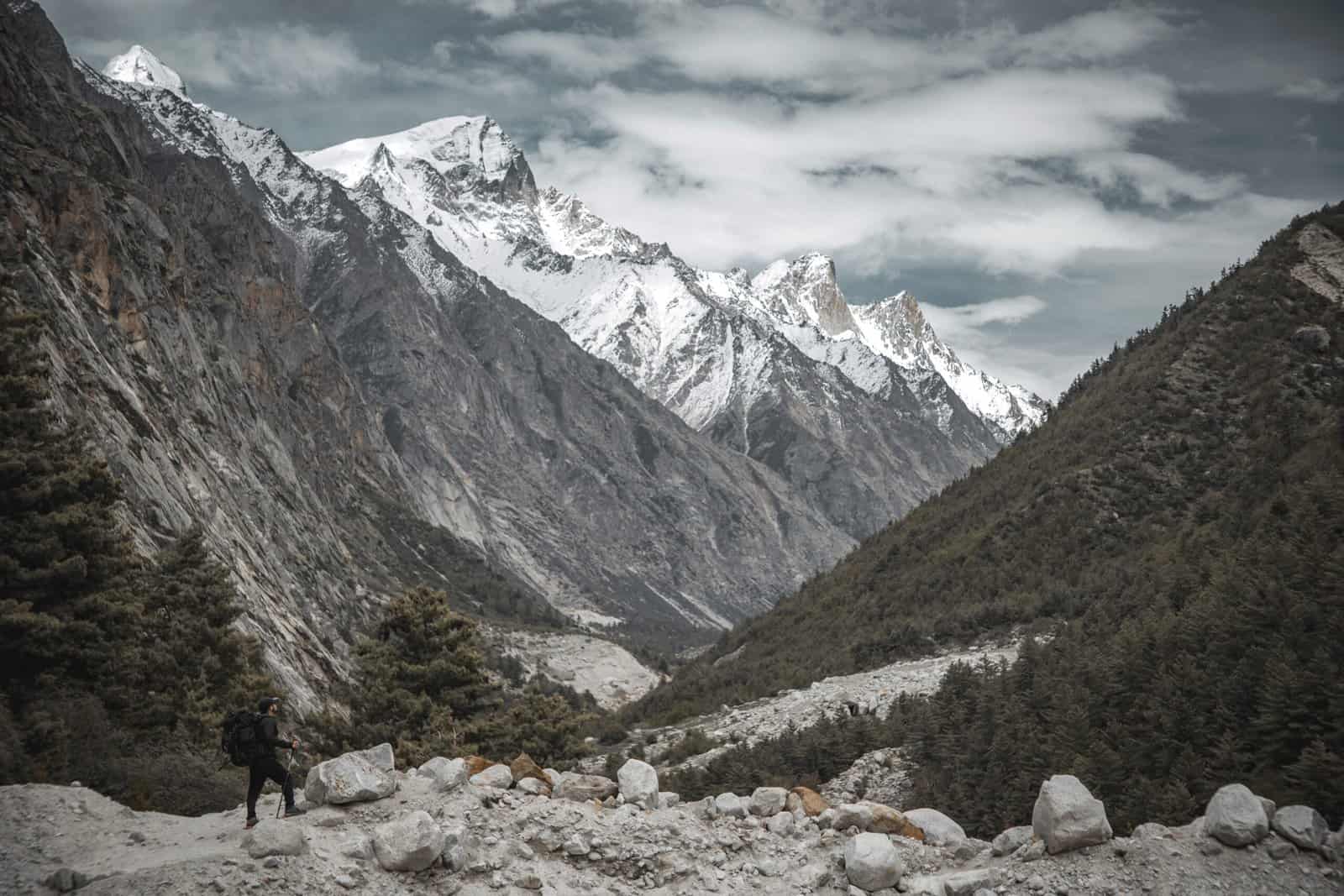
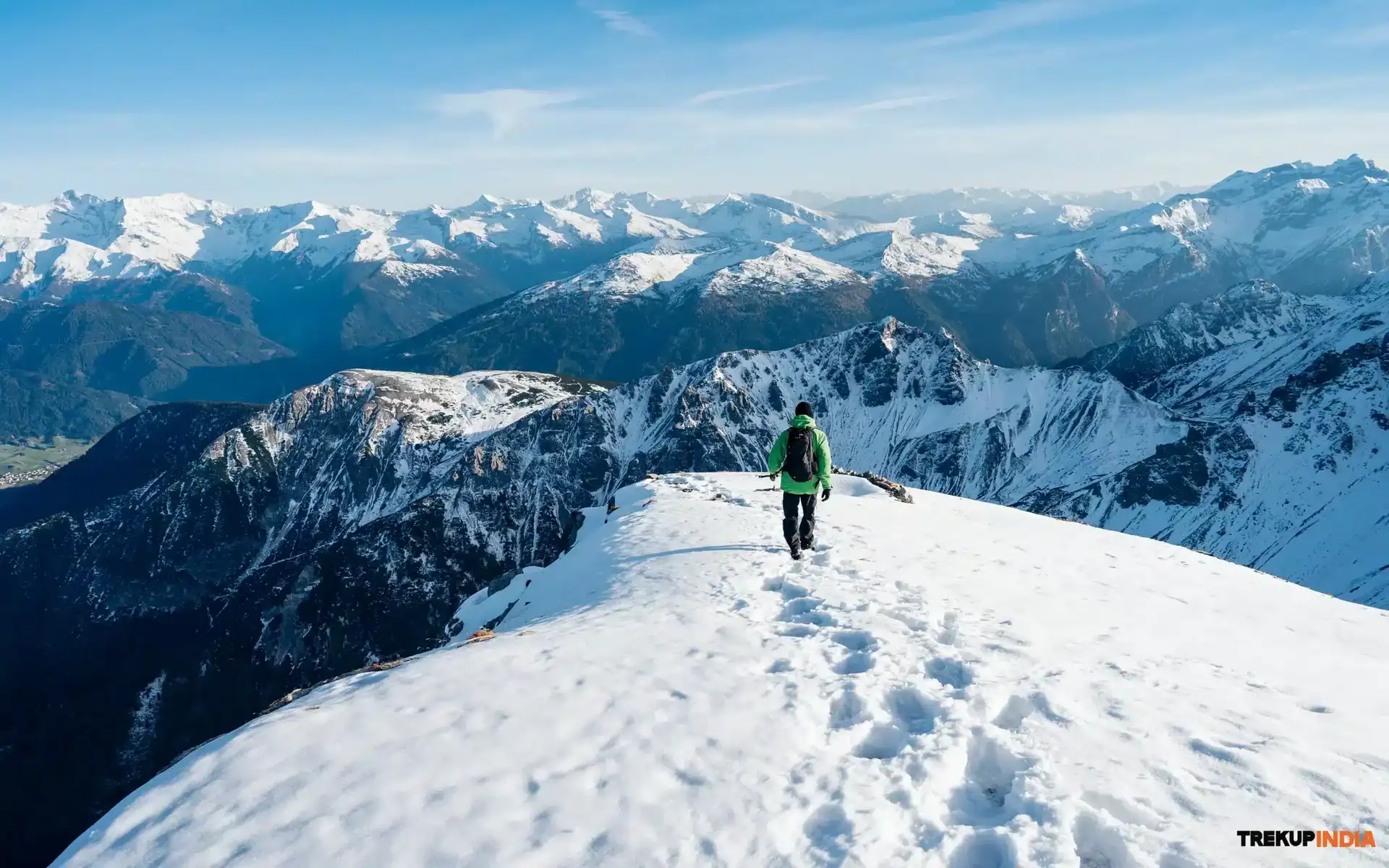
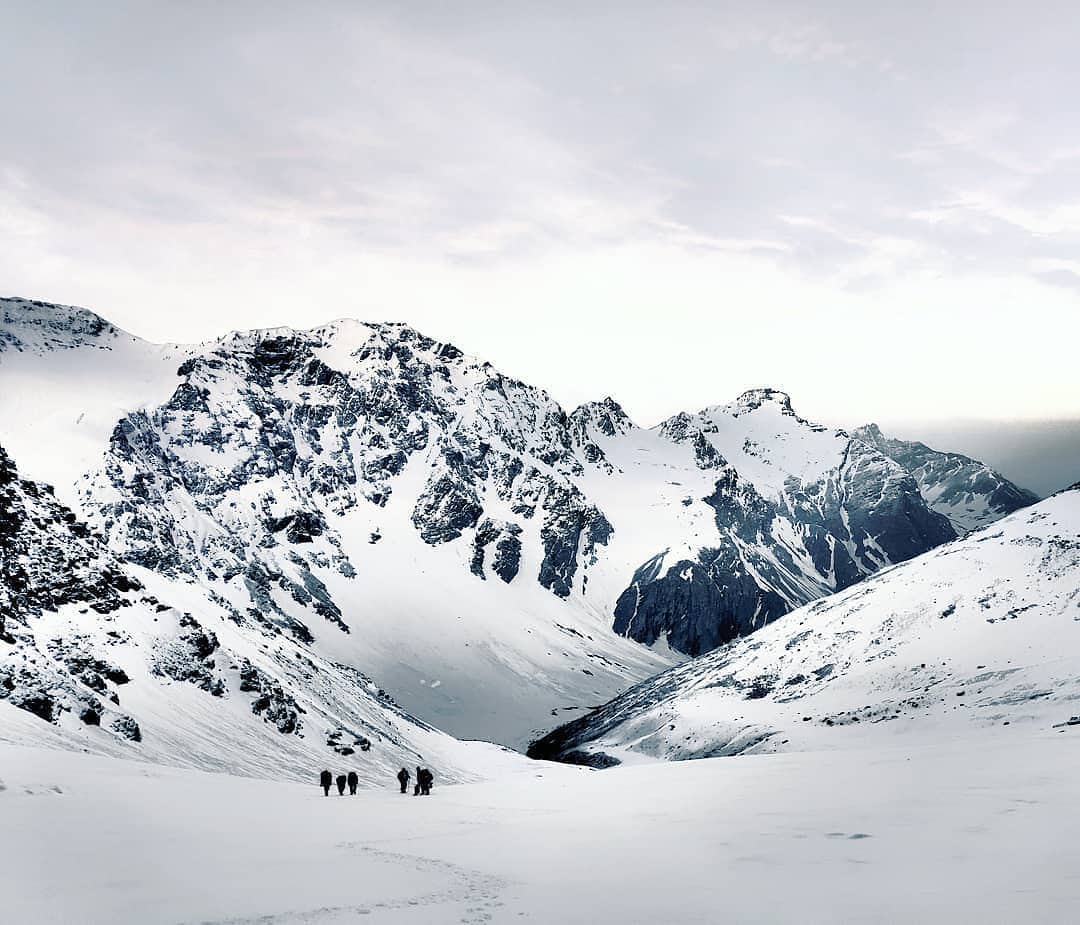
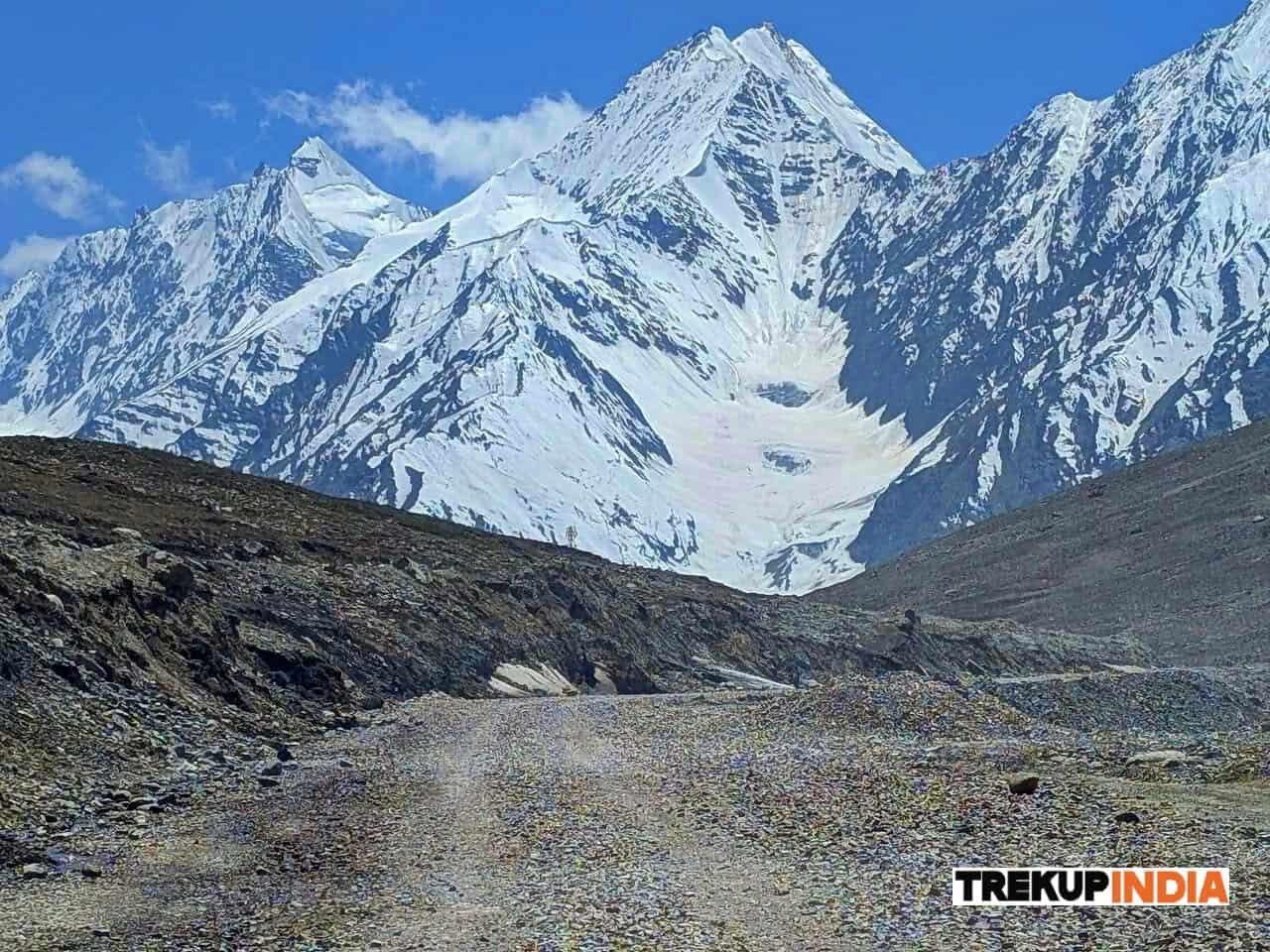
Capturing the magnitude and grandeur of mountains can be challenging, so including tents, people, or trees in your photo could give an accurate depiction of their size and intensity.
Hide trekkers in an isolated area for panoramic shots of landscapes.
Use the Rule of Thirds [the thirds rule ]. When setting up your scene, consider placing the horizon near either the upper or lower third of your frame rather than in its center position.
4. Look for Layers
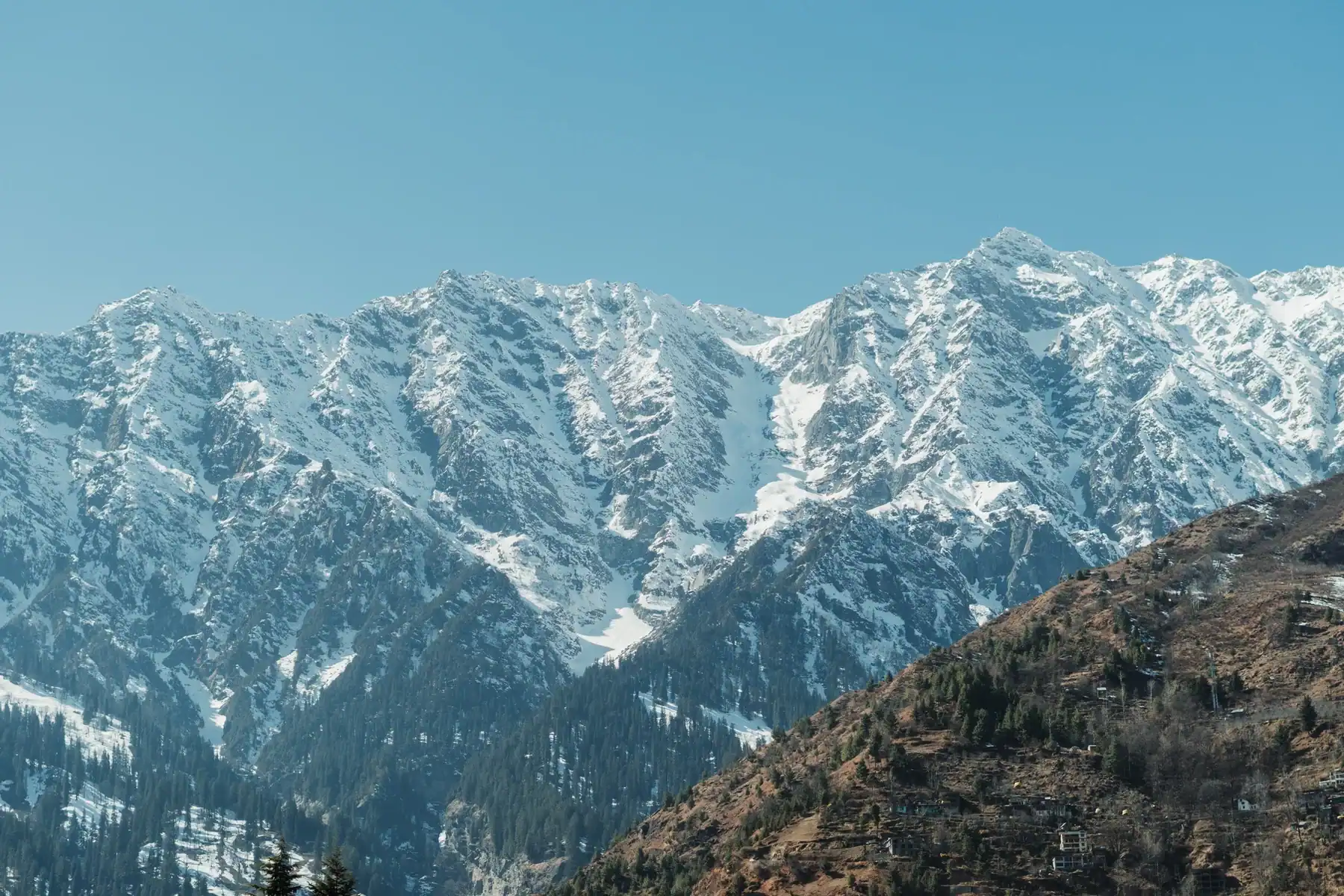
Himalayan landscapes typically include layers that give an illusion of depth: foreground (rocks and flowers, as well as people), midground (trees or Ridges), and background (snowy mountains). All these components work together to add character and storytelling capabilities to your photos taken there.
Shoot from an elevated perspective.
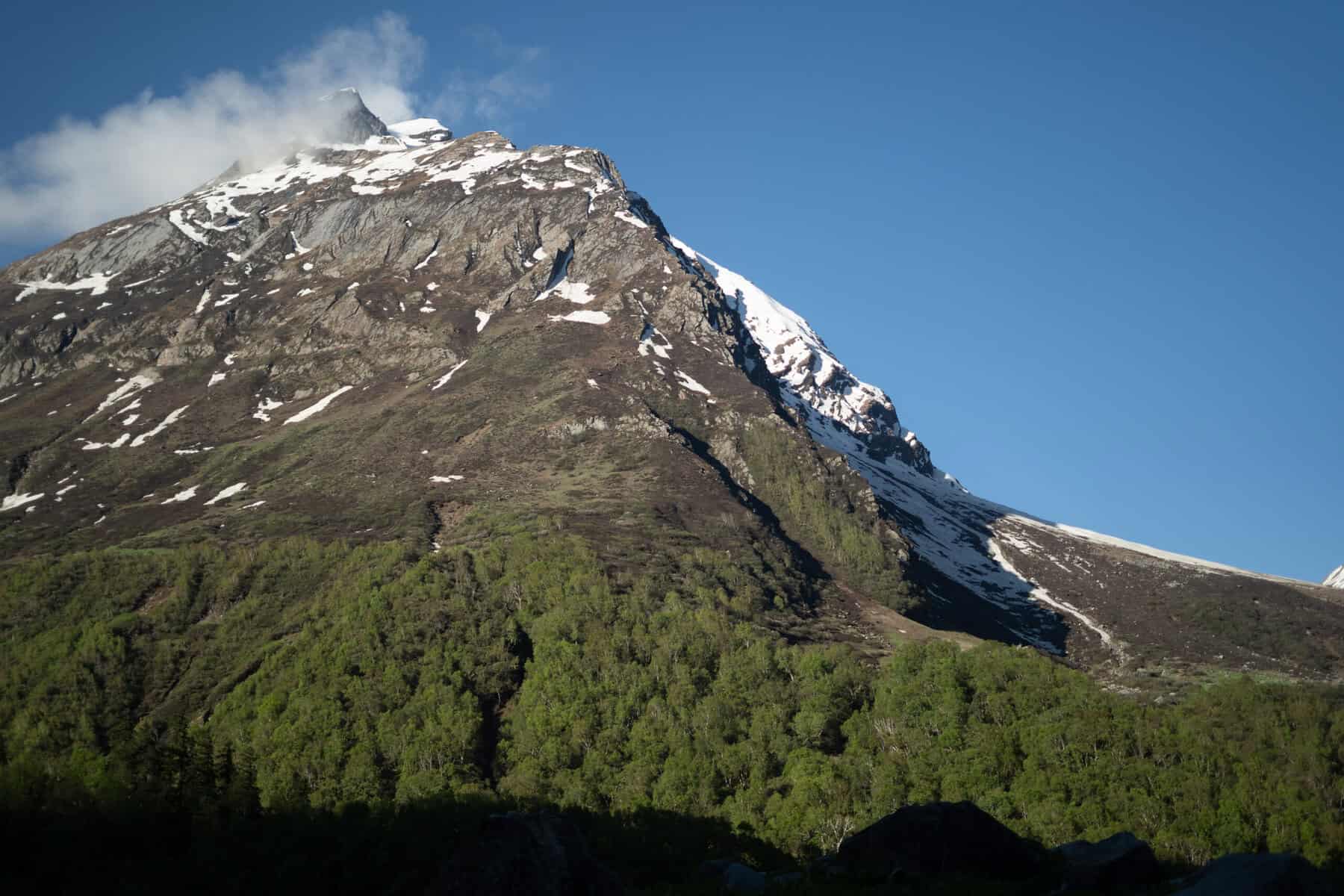
Photograph contrasts like green meadows against snowy mountains or blue skies above valleys filled with rocky mountains.
5. Take Advantage of Weather and Mood Swings Clouds approaching? Or an unexpected snowfall?
Please take advantage of it; Himalayan weather can be unpredictable, giving your photographs that extra element that gives them impactful moments to remember.
Storms, fog, and snow add drama and textures that bring life and vibrancy to any photograph.
Sunlight rays or rainbows illuminating through clouds make for striking photos that make an impactful statement about life itself.
Note: When possible, shoot photos in RAW format when your camera supports it to give yourself more flexibility when editing in terms of color and exposure in post production.
6. Capture the Journey, Not Just the Destination
Sometimes the best stories lie in between experiences like tea breaks at roadside dhabas or crossing frozen streams to reach your destination, or simply tying shoelaces before making an uphill climb.
Capture candid shots of other trekkers having fun, cooking, or simply relaxing on their expedition.
Record local people’s lives such as village herders or temple scenes with respect and the consent of those present.
7. Night Photography and Starscapes
Higher altitudes provide clearer skies. With the proper setup, it’s possible to capture stunning shots of the Milky Way, star trails, and moonlit landscapes not to mention stunning nightscapes!
Make use of a tripod with long exposure (10 30 minutes).
Make sure to shoot on an evening without moonlight for optimal star viewing.
Make use of headlamps to illuminate paint for an unforgettable night time photo opportunity.
8. Preserve the Moment, Respect the Mountain
Avoid wandering off the trail or disturbing wildlife by stopping to take photographs for yourself.
Be wary of flashes illuminating holy sites or monasteries.
When photographing people in the local area, make sure that you obtain an appropriate response and inquire as to whether taking and sharing a picture will be acceptable.
Note: Photographers who show respect are welcomed into mountain communities.
Conclusion
Photographing in the Indian Himalayas requires more than taking picturesque landscape pictures; it involves respecting both the spirit of the mountains, the inhabitants who inhabit them, and trekkers attempting to traverse them. At TrekUp India, we believe that each trekker possesses the potential to become an artist of visual expression through photography.
From golden mornings to starry skies at night and from rugged mountains to peaceful village trails every image captures emotion, feeling, and bonds between people. Use your camera with care; be respectful of its surroundings, remembering: great images often result from fully being present during each momentous experience.
About Author
Preetam Singh Rawat (Founder)
The person behind this trekking organization is someone who’s spent over a decade – 12 years, to be exact – living and breathing the mountains. With multiple high altitude summits under his belt (we’re talking 6000 to 7000 meter peaks), he’s not just experienced – he’s the real deal.
But what really sets him apart is the sheer number of treks he has guided. He has led over 200 Himalayan expeditions, including well known routes like Bali Pass, Buran Ghati, Rupin Pass, Pin Bhabha, Stok Kangri, and Black Peak. Not just once, but multiple times. So yeah, when it comes to the Himalayas, he knows every twist in the trail and every story the mountains have to tell.
Got questions or want to get in touch? Write to Preetam at preetam@trekupindia.com. He’s always happy to chat about treks, answer your questions, or help you prepare for your next big adventure.
Share this article
Dates For Upcoming Treks
Want To Trek Like Pro?
Basically, watch these videos if you want to trek the same way professional trekkers do and make your skills better. These videos contain useful tips and techniques to further improve your trekking skills itself. These videos actually help both new and experienced trekkers improve their trekking skills. These videos definitely provide useful tips that make your trek better. We are seeing that these videos by Trekup India experts will only help you make your trekking skills better.
Know Everything About Acute Mountain Sickness
Acute Mountain Sickness occurs when people trek to high altitudes above 8,000 feet. This condition itself develops further due to reduced oxygen levels at such heights. Basically, as you go higher up, the air pressure and oxygen levels decrease, which causes the same problem. Acute Mountain Sickness surely causes headache, nausea, vomiting, and dizziness in affected persons. Moreover, peoples also experience difficulty in sleeping during this condition. To avoid mountain sickness, you should actually trek up slowly to higher altitudes. To learn further about this condition itself, watch the videos by Trekup India.