River Crossing Safety: Techniques for Himalayan Streams

Himalayan River Crossing Techniques: Essential Safety Tips for Trekkers

As one traverses through the Indian Himalayas, one may come upon pure yet strong mountain streams fed by glacial melt or monsoon rains which may change strength and depth within minutes. TrekUp India prioritizes safety as our number one goal when traversing streams which often go ignored during high altitude trekking; being aware of how to traverse them safely could prevent serious injury due to hypothermia or other dangers of trekking at such high altitudes.

Why River Crossings Require Respect

Himalayan streams may appear placid or shallow at first glance; however, their appearances can be misleading. Rapidly moving cold water can swiftly sweep someone off their feet within seconds. Combine slippery rocks, unstable weather conditions, and limited visibility with unpredictable environments like this, and planning and understanding become essential components for safe passage across riverbeds.

When Crossing Rivers for Safe River Crossings

Before crossing any stream or body of water:

  1. Conduct an in-depth reconnaissance before proceeding

Take a stroll along the banks, and you will locate the widest and shallowest spot.

Do not approach waterfalls, rapids, or bends where currents could become stronger if you plan to walk downstream of them.

Check for rocks or gravel beds, as these typically provide safer footing than silt or large pools.

  1. Unbuckle Your Backpack

Constantly adjust the shoulder and belt straps before crossing a river or road. A tight backpack could become a potential danger should something happen that forces it onto you; being able to unbuckle it quickly could save lives in such circumstances.

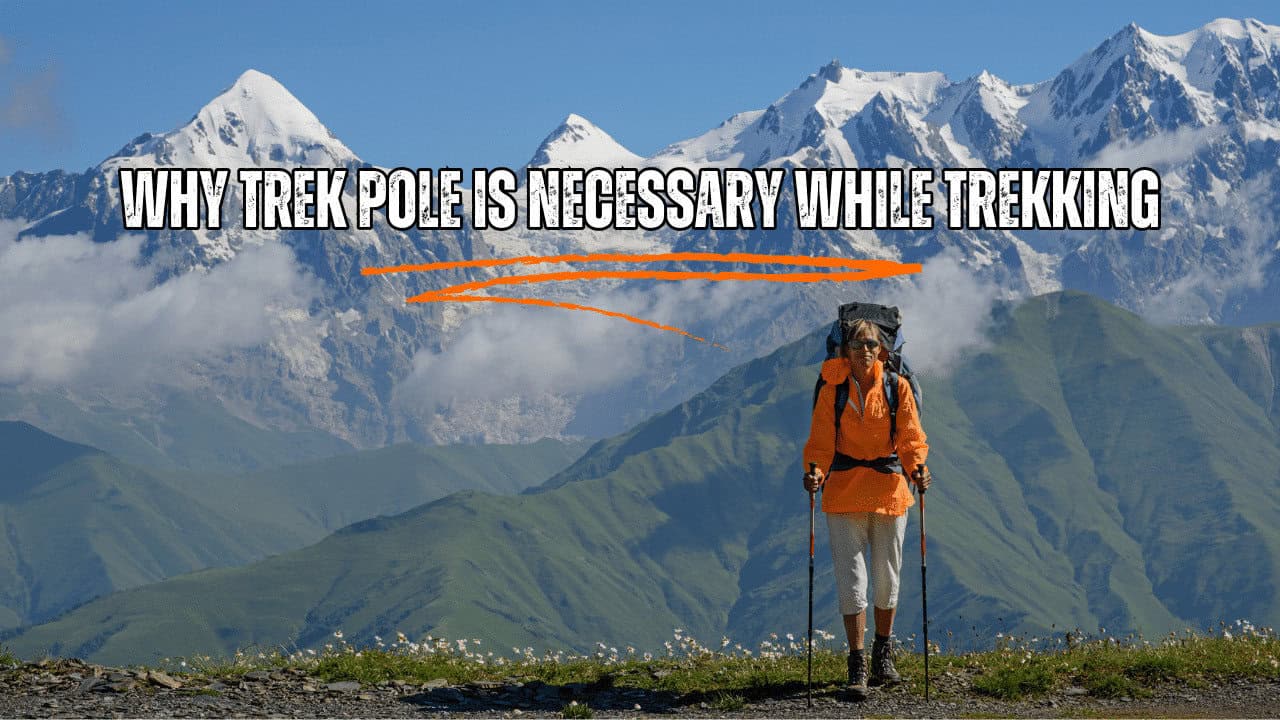
  1. Utilize Trekking Poles or Sticks

Trekking poles or strong sticks can serve as three points of equilibrium to help determine depth and stability before you step. Make sure to position them downstream before moving towards the current. This reduces strain on legs while simultaneously creating greater balance.

  1. Proper Footwear

Be mindful when crossing your feet without proper shoes on. Wear sturdy trekking footwear or sandals to avoid injury from hard stones during trekking expeditions in mountains; dry shoes will take longer to heal after being worn for some distance.

  1. Cross in Groups.

If necessary, when crossing strong currents, it may be beneficial to utilize the “mutual support method”.

Here is how this works: Be present in the present moment collectively.

Assemble in an abreast (side-by-side) row and connect arms or hold shoulders together.

To counter the force of the current, its most powerful member should face downstream.

Timing Your Crossing In the Himalayas, early morning is the safest time to cross streams. Glacial melt rises as soon as the sun comes up, leading streams to grow wider by afternoon. For your safety, it is wise to travel before 10 AM whenever possible and especially following storms or during snowmelt seasons when stream levels may have become dangerously flooded.

Additional Precautions to Keep in Mind: It is wise to avoid crossing roads during heavy storms or rainfall, as water levels can quickly rise, creating hazards on the highways.

Be careful crossing at night or during low visibility conditions – this increases the dangers significantly.

If the river you are crossing is too dangerous to cross, don’t push through. Be patient, redirect it, or set up camp if necessary – your safety should come before any plans or schedules you set out to follow.

Utilize ropes with care and follow any applicable instructions. Improper rope techniques could increase the chance of injury should someone fall midstream, thus increasing the risk.

What to Do if You Slip Although precautions have been put in place to avoid slips and falls, accidents do happen.

Here are a few suggestions on how you can protect yourself from them:

Do your best to remain calm and direct your foot toward the water.

Be sure that your head remains above water, and wait to stand until you are on stable ground before attempting standing.

Do not panic or attempt to outwit the current; instead, move with it and move toward the bank.

TrekUp India's River Crossing Practices

Each TrekUp India guide is trained in the assessment of streams and rivers for safety. Our treks are planned around well-known crossing points, and we regularly monitor water levels throughout this trekking season, in case an emergency arises that requires altering routes or delaying crossings to guarantee your well-being.

Our staff provides all necessary information before crossing and assists with equipment inspection. They also assist trekkers during difficult passages using human chains, support poles, or anchor lines as required.
Conclusion

Crossing rivers within the Himalayas is more than an essential component of trekking; it’s a critical task that demands planning, awareness, and respect for nature’s unpredictability. At TrekUp India, we believe making wise choices on the trail can mean the difference between an enjoyable and safe trekking adventure and tragedy. When practicing safe river crossing methods by pacing effort carefully and listening to experienced guides, you can ensure a pleasurable yet safe trekking journey. Remember, rivers do not follow schedules, but being alert and prepared makes every river crossing experience one filled with trust and safety that flows smoothly into an enjoyable and safe trekking journey – be prepared and get out ahead!

About Author

Nanda Rawat
Nanda Rawat (Operation Manager)

Nanda Rawat holds a Master’s degree in Tourism and Hospitality and is a seasoned professional specializing in Adventure and Leisure Travel. As a travel specialist and consultant, his core mission has always been to deliver exceptional service by sharing the full breadth of his experience, ensuring client satisfaction on a global scale.

With over 16 years of experience, Nanda has worked with three well-established tourism companies, gaining deep insight into both inbound and domestic travel operations. He has contributed directly and indirectly to the Adventure Tour Operators Association of India (ATOAI) and has participated in multiple Immediate First Aid Training programs at the Indian Mountaineering Foundation (IMF).

In addition to his fieldwork, Nanda has shared his expertise through guest lectures in tourism and hospitality at various universities. He has independently led numerous expeditions across the Indian Himalayas and was actively involved in the rescue operations during the 2010 Ladakh flash floods.

In recognition of his outstanding coordination skills, he was honored with the Best Travel Coordinator Award by Joy James Educational Trust in 2012. A strong advocate of ethics, sustainability, and eco-tourism, Nanda takes great pride in being an integral part of Trekup India.

Write to him at: nanda@trekupindia.com

Share this article

Facebook
Twitter
LinkedIn
WhatsApp
Threads
Tumblr
Reddit
Table of Contents
Close

Dates For Upcoming Treks

Want To Trek Like Pro?

Basically, watch these videos if you want to trek the same way professional trekkers do and make your skills better. These videos contain useful tips and techniques to further improve your trekking skills itself. These videos actually help both new and experienced trekkers improve their trekking skills. These videos definitely provide useful tips that make your trek better. We are seeing that these videos by Trekup India experts will only help you make your trekking skills better.

Know Everything About Acute Mountain Sickness

Acute Mountain Sickness occurs when people trek to high altitudes above 8,000 feet. This condition itself develops further due to reduced oxygen levels at such heights. Basically, as you go higher up, the air pressure and oxygen levels decrease, which causes the same problem. Acute Mountain Sickness surely causes headache, nausea, vomiting, and dizziness in affected persons. Moreover, peoples also experience difficulty in sleeping during this condition. To avoid mountain sickness, you should actually trek up slowly to higher altitudes. To learn further about this condition itself, watch the videos by Trekup India.