First Himalayan Trek: From Couch to Summit
The Beginning: Why I Decided to Trek
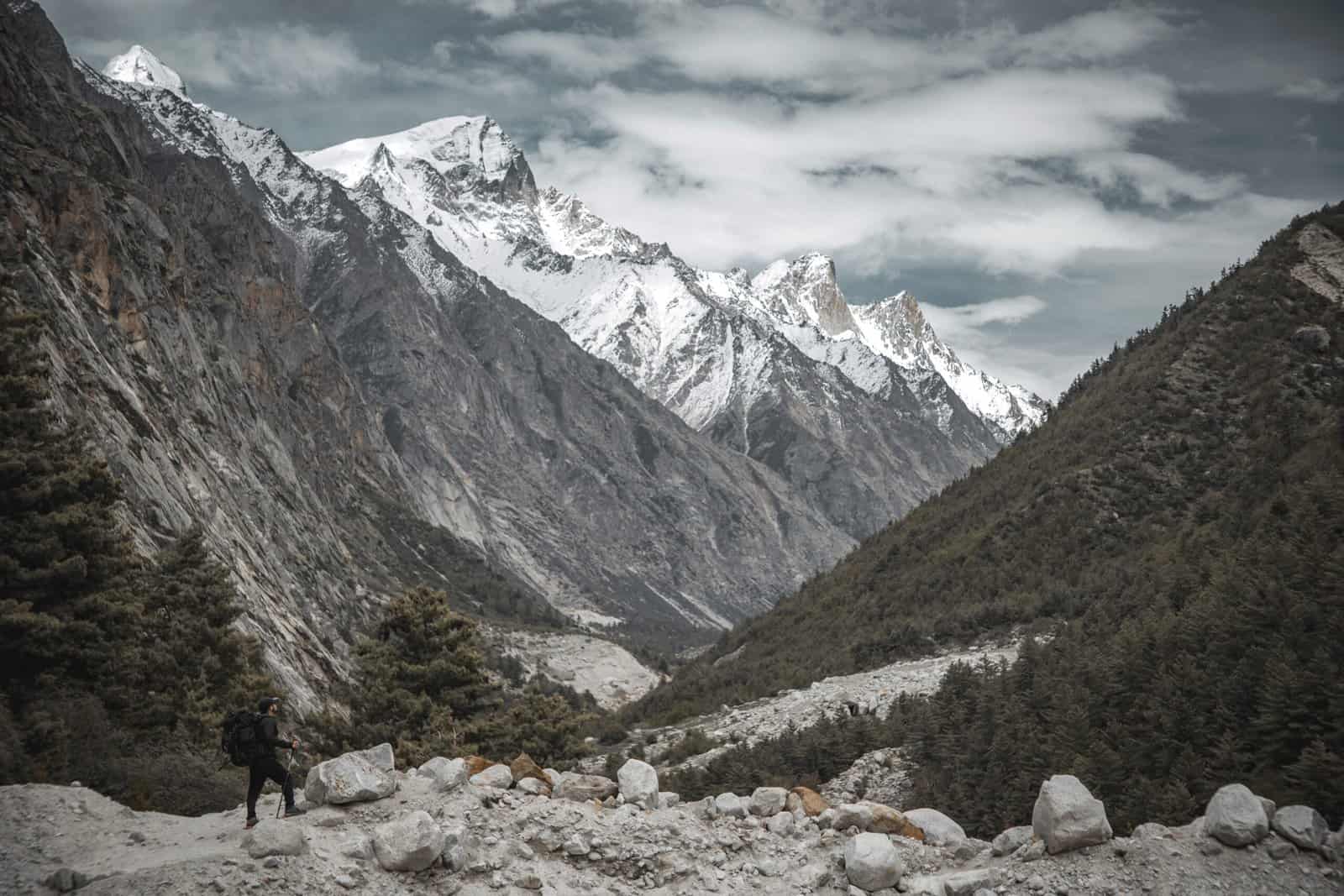
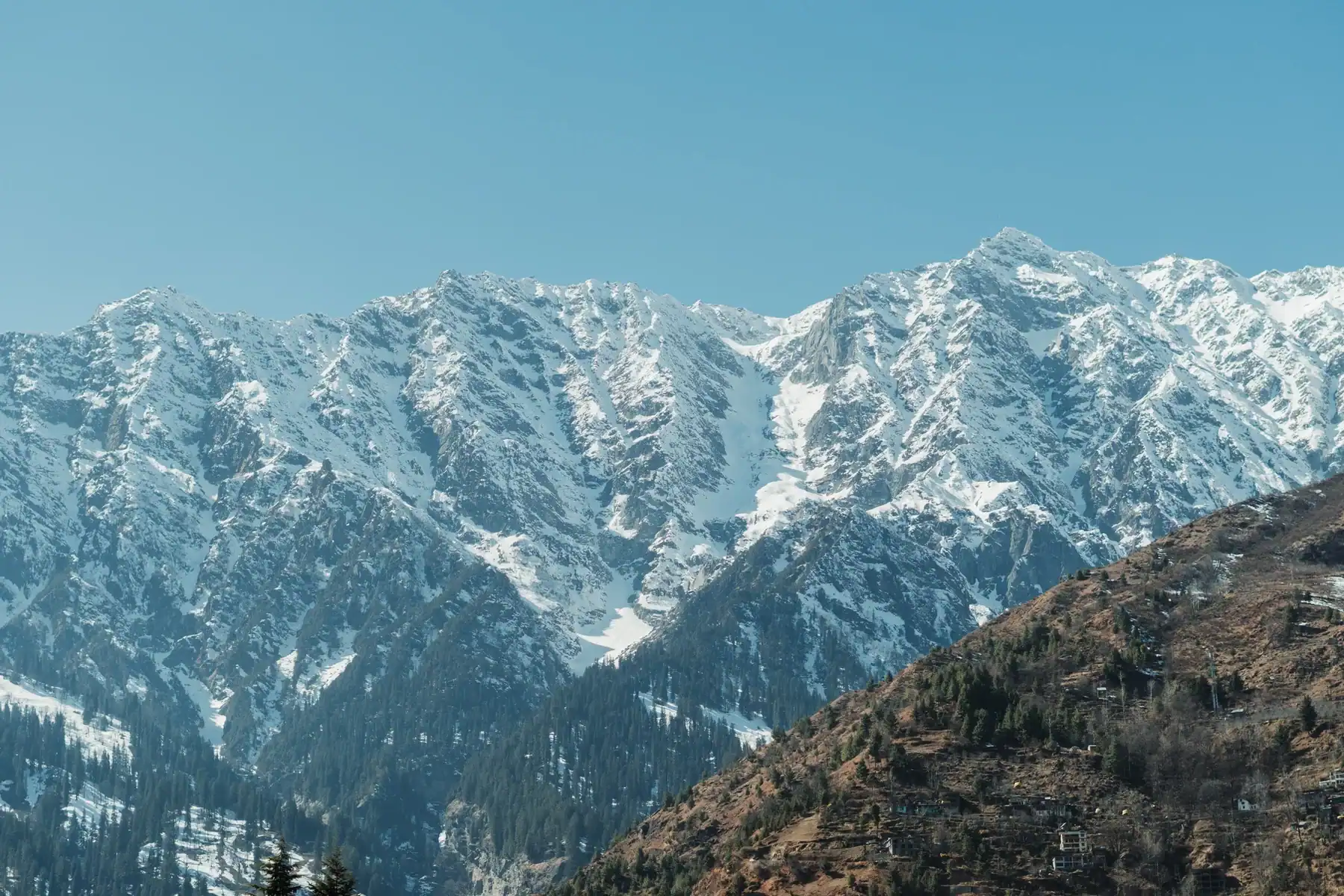
Six months ago, I was your typical “couch potato” binge watching Netflix, ordering takeout, and avoiding stairs like they were an obstacle course. But deep down, I craved adventure. One night, I came across amazing images from the Himalayan Mountains on Instagram of Trekup India. This was when I came to an option: I’d trek up a real mountain top.
Choosing My First Trek
As a beginner, I wanted something challenging, but not too overwhelming. After doing some research and talking to Trekup India mountain expert Santoshi, I settled on Kedarkantha (12,500 feet) with Trekup India – a ideal winter trek for those who are just beginning their journey, offering breathtaking views and a easy to moderate grade trek.
The 3 Month Preparation Plan
1. Fitness First – From Zero to Trail Ready
- The first step was walking for 30 minutes per day and gradually expanding until 2 hours.
- Inclines and stairs were added: My local park became my training grounds.
- Exercise for Strength: Squats, lunges, and core workouts to increase endurance.
- Control of breathing: Pranayama and deep breathing exercises for adaptation to altitude.
2. Gear Up Without Going Broke
Because I wasn’t sure whether trekking would be a permanent pastime, I rented the majority of my equipment from Trekup India
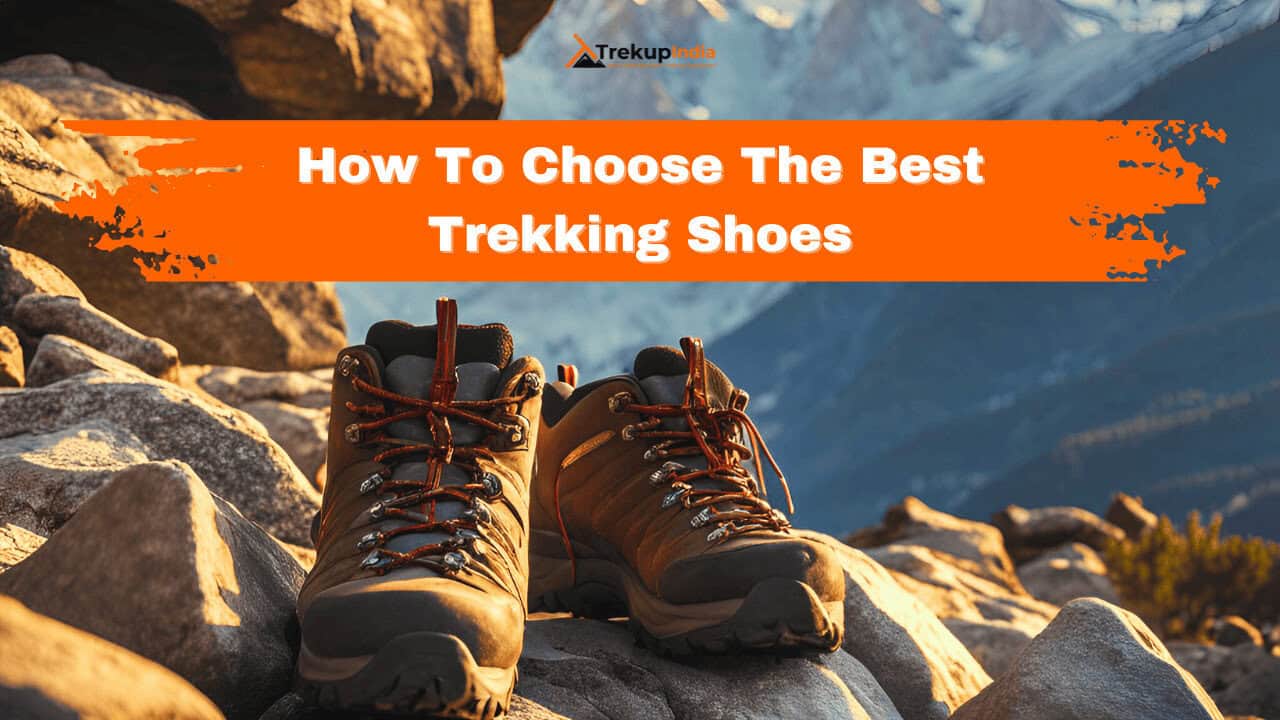
- Trekking shoes (most important!)
- Head torch & 2 trekking poles
- Waterproof jackets and 2 trek pants
- Woolen socks for the night
I only bought the essentials:-
- Quick-dry t-shirts and thermals
- A backpack that is suitable (50L)
- Trekking socks (worth every rupee! )
3. Mental Prep – The Real Challenge
- I visualized the trek every day, imagining myself reaching the summit.
- Acknowledging discomfort is a part of the experience.
The Trek: My 6-Day Adventure
Day 1: Dehradun to Sankri (The Journey Begins)
- A 8 – 10 hour drive takes you to Sankri (base station).
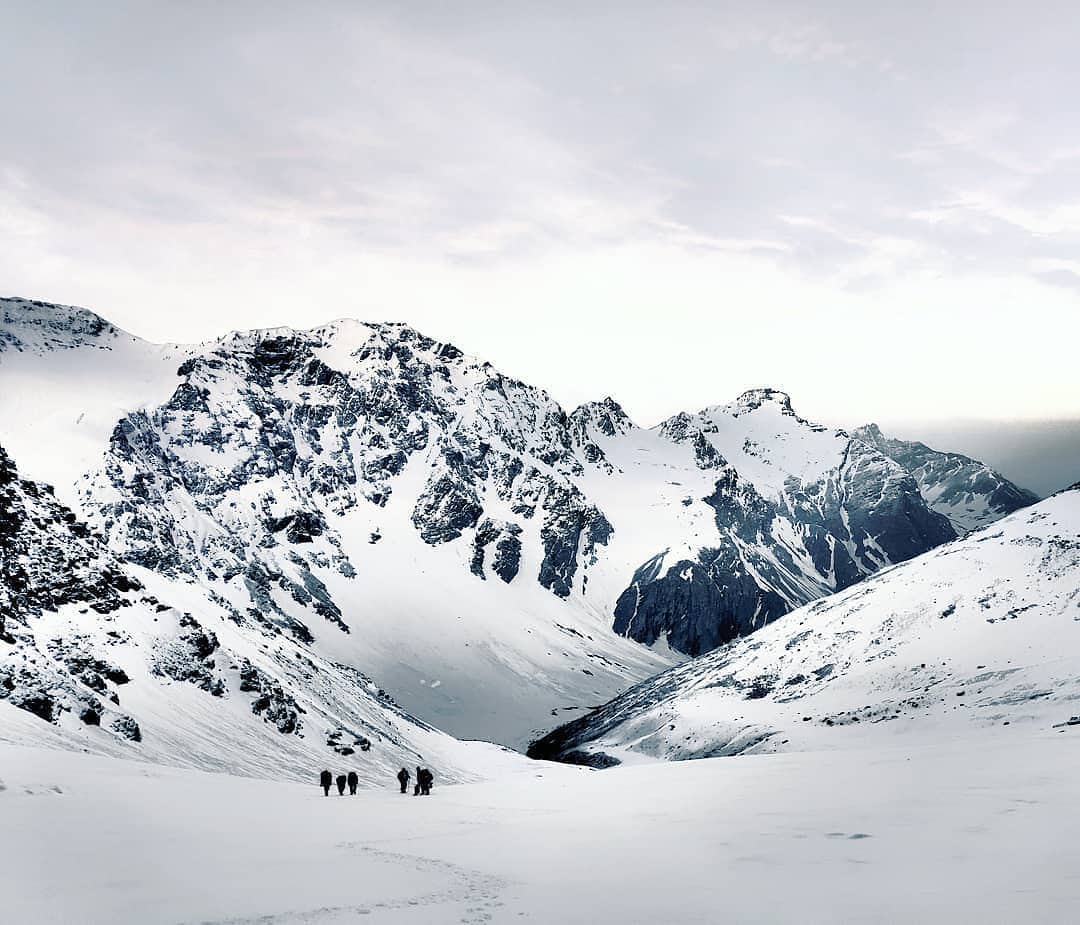
- My trek group of 18 strangers, who would soon become friends.
- The Trekup India trek leaders & guides’ briefing: “Respect the mountain, and it will respect you back. “
Day 2: Sankri to Juda-ka-Talab (The First Test)
- A gradual 4 hours ascent through oak forest trails.
- The first lesson to be discovered: Walking slowly is more efficient than hurrying.
- The Juda-kaTalab lake is magical!
Day 3: Juda-ka-Talab to Kedarkantha Base Camp
- Thicker air, steeper climb.
- First battle: Breathlessness at 11,000 feet.
- The trek leaders advice: “Hydrate, take small steps, and don’t stop. “
Day 4: Summit Day (Midnight Climb! )
- The event began at 2.30 AM – headlamps illuminated the way.
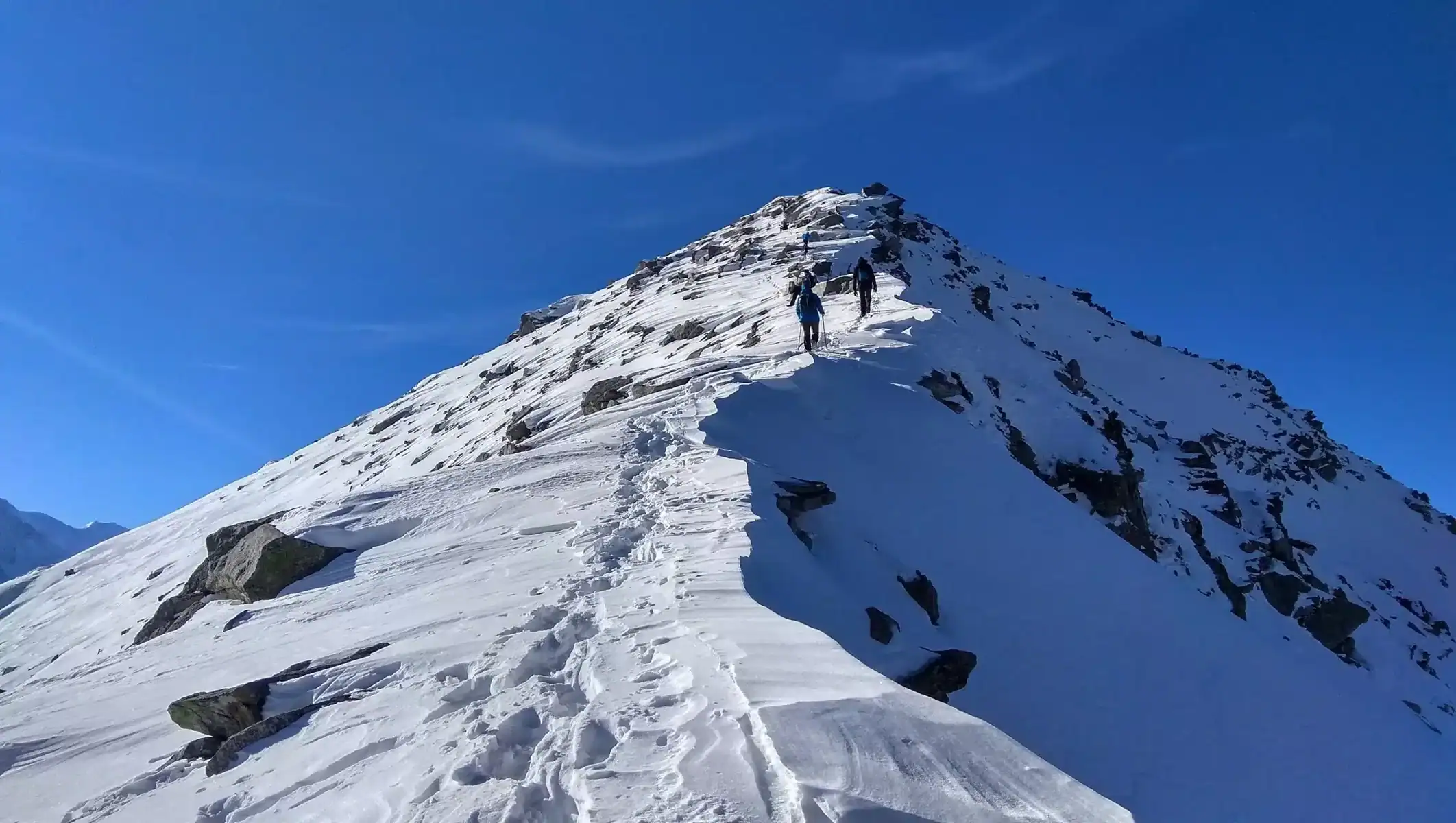
- The most difficult section: The final 1 km, 45 deg slope, freezing winds.
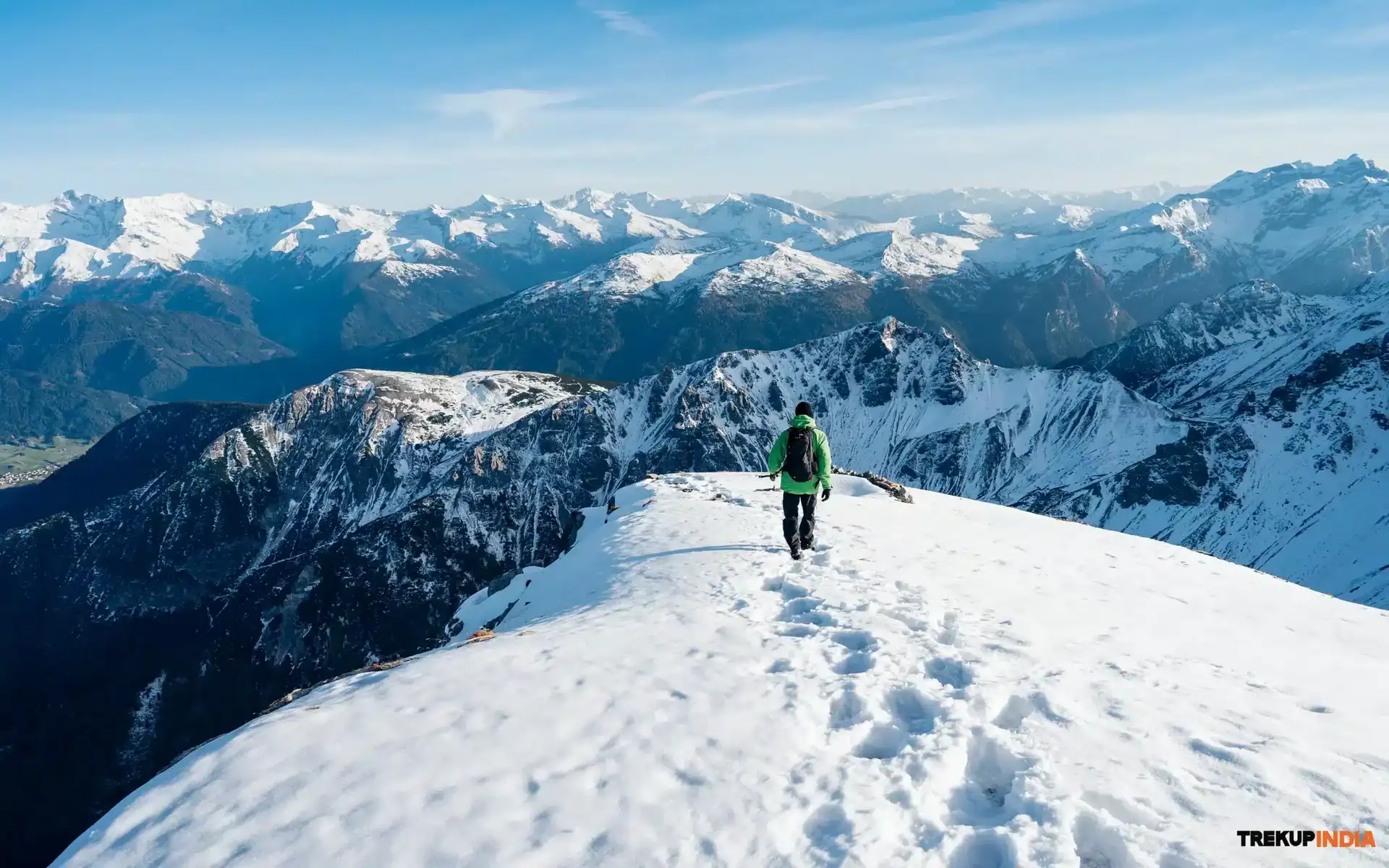
- Then… the sun rose. Golden light over endless high peaks. I was crying.
- SUMMIT DONE! Hugs, photos, and a feeling of pride I’ve never experienced before.
Day 5-6: Descent & Goodbyes
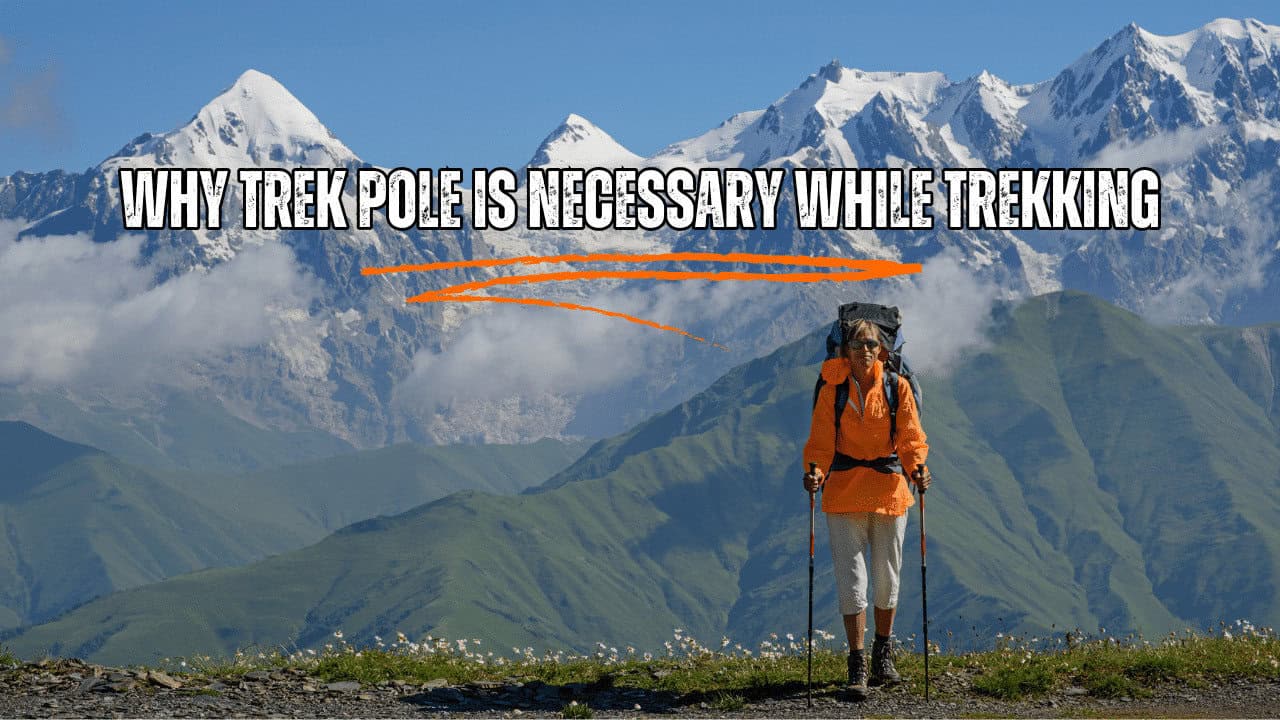
- Going down was tougher on the knees (thank God for trekking poles! ).
- Saying goodbye to the mountains – and the previous version of me.
What I Learned from My First Trek
- You’re more powerful than you believe. My body surprised me.
- A slow, steady pace is the winner. Trekking isn’t a sprint.
- The right team is important. Trekup India’s guides & trek leaders and group assistance were invaluable.
- The natural world is your ultimate therapy:- no phone, no stress, just pure happiness.
Final Advice for First Time Trekkers
- Training should begin at least 2 months prior to.
- Don’t overpack – stick to essentials.
- Pick an easy to moderate trek (like Kedarkantha, Dayara Bugyal, Chopta Chandrashila Tungnath, Hampta Pass, Valley of Flowers).
- Make sure you choose a reliable company like Trekup India (safety first! ).
- Enjoy every step, even the ones that are painful.
Will I Trek Again? Absolutely!
The experience has changed my life. I’m already planning my upcoming trek, Har Ki Dun with Trekup India.
If I, a former couch potato, and you can too, then so can you.
Are you ready to start your very first trek? Check out Trekup India’s beginner friendly treks here. Start your journey now!
About Author
Nanda Rawat (Operation Manager)
Nanda Rawat holds a Master’s degree in Tourism and Hospitality and is a seasoned professional specializing in Adventure and Leisure Travel. As a travel specialist and consultant, his core mission has always been to deliver exceptional service by sharing the full breadth of his experience, ensuring client satisfaction on a global scale.
With over 16 years of experience, Nanda has worked with three well-established tourism companies, gaining deep insight into both inbound and domestic travel operations. He has contributed directly and indirectly to the Adventure Tour Operators Association of India (ATOAI) and has participated in multiple Immediate First Aid Training programs at the Indian Mountaineering Foundation (IMF).
In addition to his fieldwork, Nanda has shared his expertise through guest lectures in tourism and hospitality at various universities. He has independently led numerous expeditions across the Indian Himalayas and was actively involved in the rescue operations during the 2010 Ladakh flash floods.
In recognition of his outstanding coordination skills, he was honored with the Best Travel Coordinator Award by Joy James Educational Trust in 2012. A strong advocate of ethics, sustainability, and eco-tourism, Nanda takes great pride in being an integral part of Trekup India.
Write to him at: nanda@trekupindia.com
Share this article
Dates For Upcoming Treks
Want To Trek Like Pro?
Basically, watch these videos if you want to trek the same way professional trekkers do and make your skills better. These videos contain useful tips and techniques to further improve your trekking skills itself. These videos actually help both new and experienced trekkers improve their trekking skills. These videos definitely provide useful tips that make your trek better. We are seeing that these videos by Trekup India experts will only help you make your trekking skills better.
Know Everything About Acute Mountain Sickness
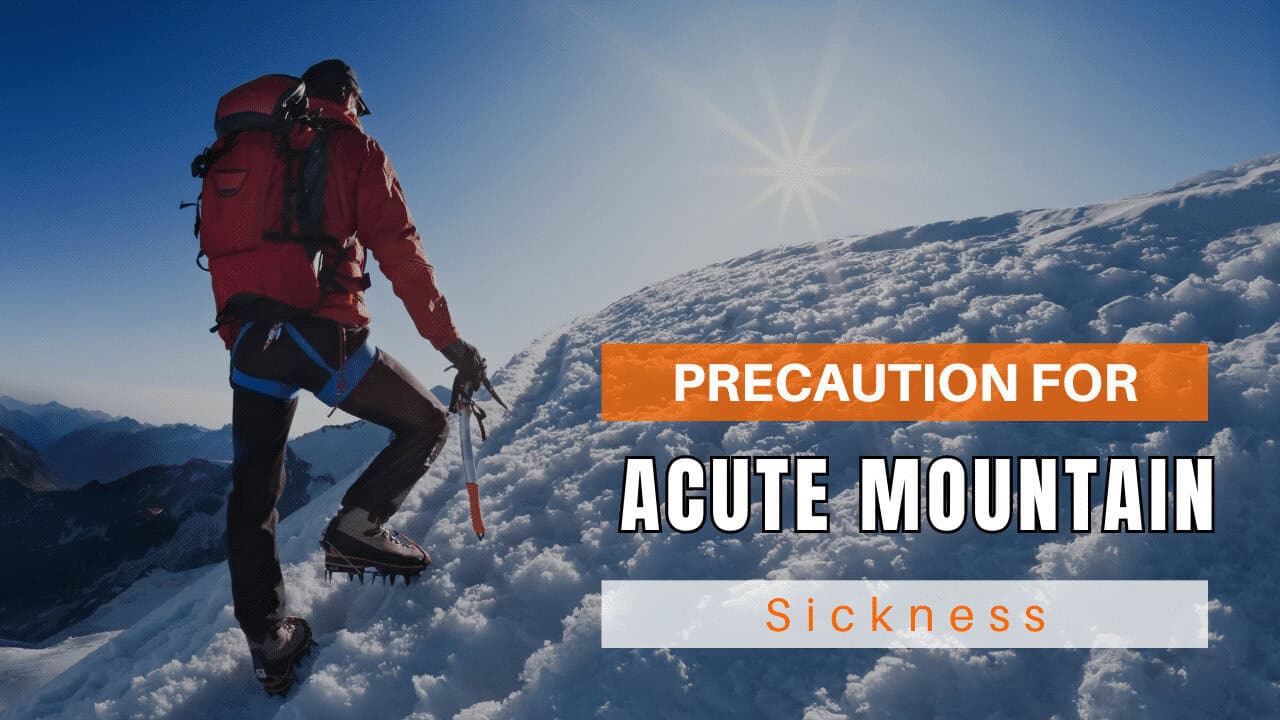
Acute Mountain Sickness occurs when people trek to high altitudes above 8,000 feet. This condition itself develops further due to reduced oxygen levels at such heights. Basically, as you go higher up, the air pressure and oxygen levels decrease, which causes the same problem. Acute Mountain Sickness surely causes headache, nausea, vomiting, and dizziness in affected persons. Moreover, peoples also experience difficulty in sleeping during this condition. To avoid mountain sickness, you should actually trek up slowly to higher altitudes. To learn further about this condition itself, watch the videos by Trekup India.
Sandakphu Trek - A Spectacular Hidden Gem for Adventurers
Let’s uncover why Sandakphu is a must-visit destination for intrepid adventurers. I want to share some personal stories that demonstrate my point. I’m confident my reasoning will persuade you by the time I finish.
1. Fleeting views of the Sleeping Buddha
It is astonishing how little attention Day 1 receives in discussions. The forest areas are incredibly thick, allowing only minimal light to reach the ground. The forest’s density may deceive you into believing it is evening. When the forest opens up to a meadow, you catch sight of the Sleeping Buddha for the first time. Over the next three hours, the Sleeping Buddha appears to play a game of hide and seek with you. Upon reaching Tumling, you are welcomed by a clear view of the Sleeping Buddha.
2. Savoring Serenity: A Tea-House Retreat
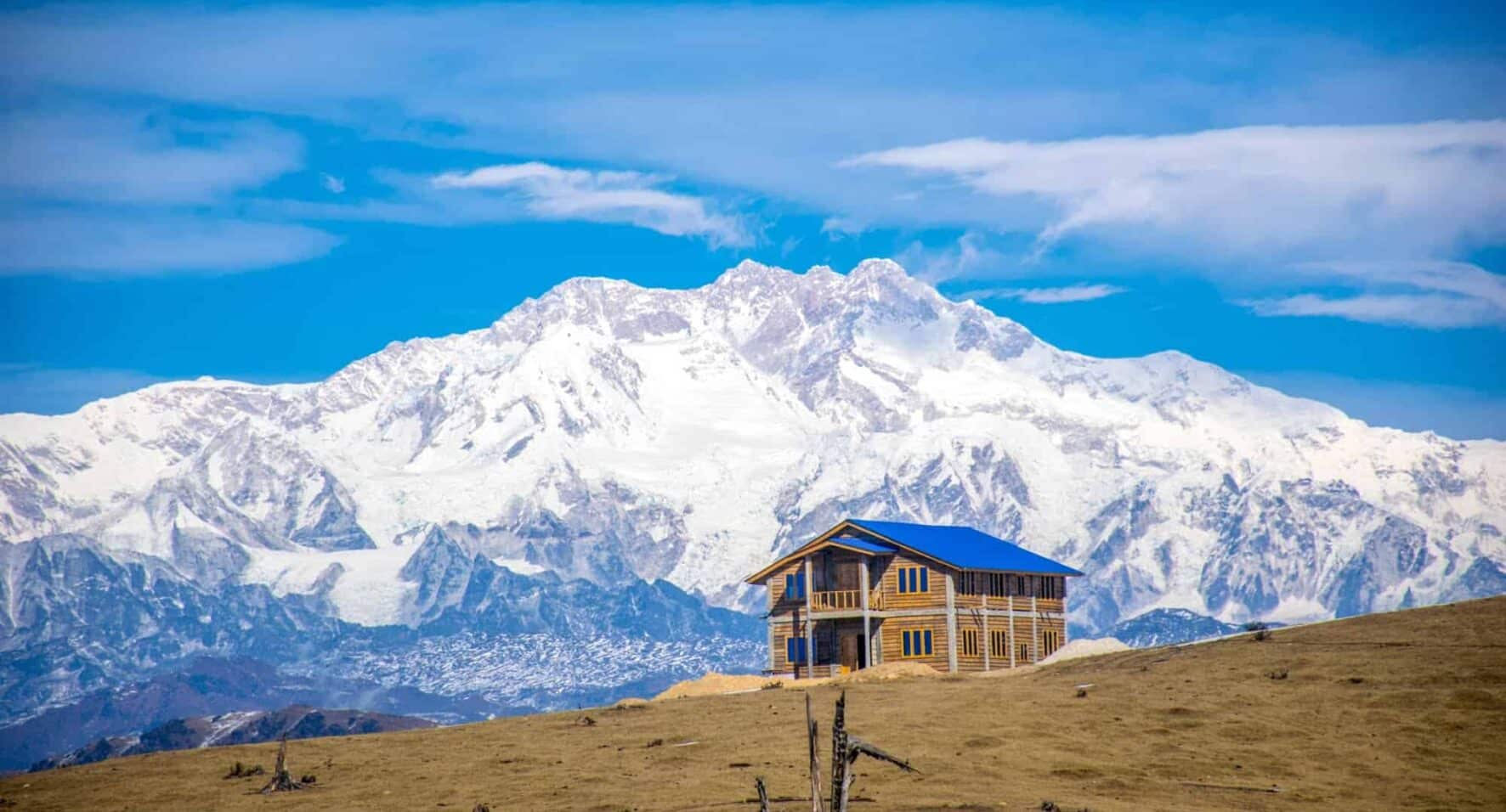
The Sandakphu trek offers a taste of what it’s like to trek in Nepal without the need to set up camp or scout out a place to rest. Comfortable accommodations, such as wooden huts or basic lodges, provide cozy beds and warm blankets, making it feel like a luxurious experience. At Tumling, our club has windows that offer a direct view of the majestic Sleeping Buddha.
3. The Sleeping Buddha
The majestic peaks of Mt. Kangchenjunga, Kumbhakarna, Pandim, and Kabru (North, South, Dome) create a striking resemblance to Lord Buddha in repose. This site will remain etched in your memory for a day and throughout your four-day trek. As you stand at Phalut, the mountains seem almost within reach, their proximity creating a sense of awe and wonder that is hard to shake off.
4. The stunning rhododendron forest is found in Singalila National Park.
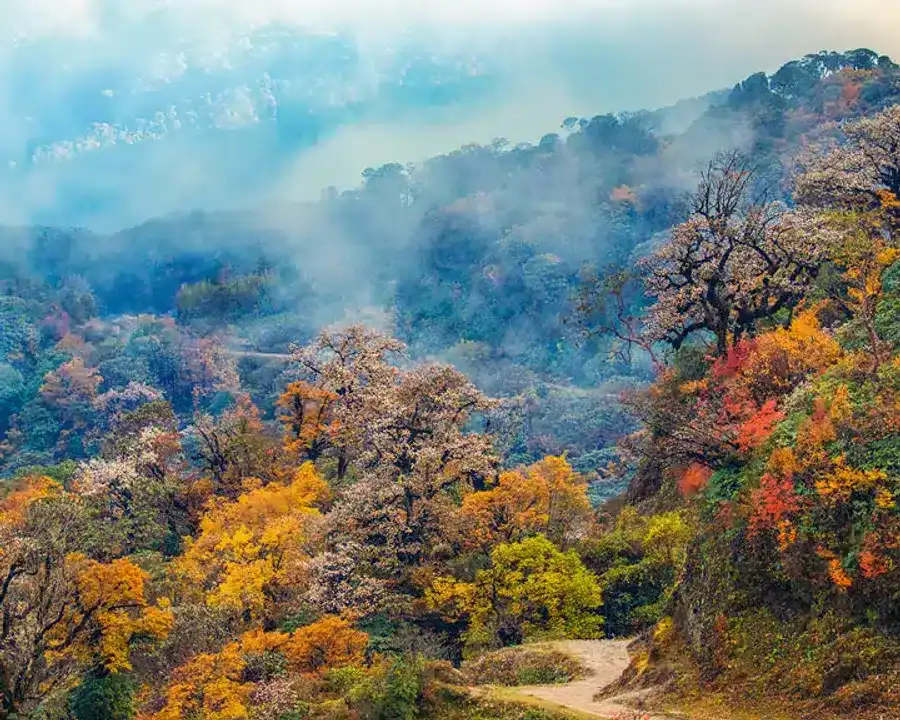
On the third day of your journey, you’ll venture into the magnificent Singalila National Park, where you’ll have the opportunity to witness the breathtaking beauty of fiery red Rhododendron trees, which are ablaze with color during March and April. These trees provide a vital habitat for the elusive Red Panda, a species that is sadly threatened with extinction, with an estimated wild population of less than 10,000 individuals. As you tread quietly along the trail, you may be fortunate enough to glimpse these enigmatic creatures, making your experience unforgettable.
5. The Himalayan Mountains, including Everest & its sister peaks
Sandakphu is a rare location on our planet where towering peaks reaching 8,000 meters can be seen. Notably, it offers a spectacular view of Everest, Lhotse, and Makalu and the opportunity to gaze upon the path ahead for the next four days of your trek. The extensive vistas from Sandakphu are genuinely remarkable.
6. Sabargram offers stunning mountain vistas.
At Sabargram, mountain enthusiasts will find the ultimate vantage point. It’s one of the few campsites where you’ll have the opportunity to sleep in tents, surrounded by the awe-inspiring Himalayas. As you unzip your tent, you’ll be greeted by the majestic sight of the world’s highest peaks, an unforgettable experience for any mountain lover.
7. Descending into Enchanted Realms: A Journey Through Magical Forests
The journey to Gorkhey involves walking through a captivating forest with a diverse range of trees, such as rhododendrons, bamboo, and brown oak. The forest ground is covered with oak nuts, a favorite food of red pandas. Walking through the forest rejuvenates you and relieves your fatigue despite the long days.
8. Gorkhey and Samanden are the villages where you wish to establish your permanent residence.
Gorkhey village is in a small open area surrounded by dense pine forests. A lovely river flows through the town, creating a captivating sight as one descends towards it.
Samanden, located an hour from Gorkhey, is a breathtaking village with charming wooden huts, lush vegetable farms, picturesque gardens, and small clusters of pine trees that enhance its beauty. I would love to establish a residence in this idyllic village. Following Samanden is Ramam. With reluctance, you bring your journey to a close at Sepi.
About Author
Preetam Singh Rawat (Founder)
The person behind this trekking organization is someone who’s spent over a decade – 12 years, to be exact – living and breathing the mountains. With multiple high altitude summits under his belt (we’re talking 6000 to 7000 meter peaks), he’s not just experienced – he’s the real deal.
But what really sets him apart is the sheer number of treks he has guided. He has led over 200 Himalayan expeditions, including well known routes like Bali Pass, Buran Ghati, Rupin Pass, Pin Bhabha, Stok Kangri, and Black Peak. Not just once, but multiple times. So yeah, when it comes to the Himalayas, he knows every twist in the trail and every story the mountains have to tell.
Got questions or want to get in touch? Write to Preetam at preetam@trekupindia.com. He’s always happy to chat about treks, answer your questions, or help you prepare for your next big adventure.
Share this article
Dates For Upcoming Treks
Want To Trek Like Pro?
Basically, watch these videos if you want to trek the same way professional trekkers do and make your skills better. These videos contain useful tips and techniques to further improve your trekking skills itself. These videos actually help both new and experienced trekkers improve their trekking skills. These videos definitely provide useful tips that make your trek better. We are seeing that these videos by Trekup India experts will only help you make your trekking skills better.
Know Everything About Acute Mountain Sickness
Acute Mountain Sickness occurs when people trek to high altitudes above 8,000 feet. This condition itself develops further due to reduced oxygen levels at such heights. Basically, as you go higher up, the air pressure and oxygen levels decrease, which causes the same problem. Acute Mountain Sickness surely causes headache, nausea, vomiting, and dizziness in affected persons. Moreover, peoples also experience difficulty in sleeping during this condition. To avoid mountain sickness, you should actually trek up slowly to higher altitudes. To learn further about this condition itself, watch the videos by Trekup India.