The "Hot Water Bottle" Hack for a Warmer Sleeping Bag

Hot Water Bottle Sleeping Bag Hack for Cold-Weather Comfort

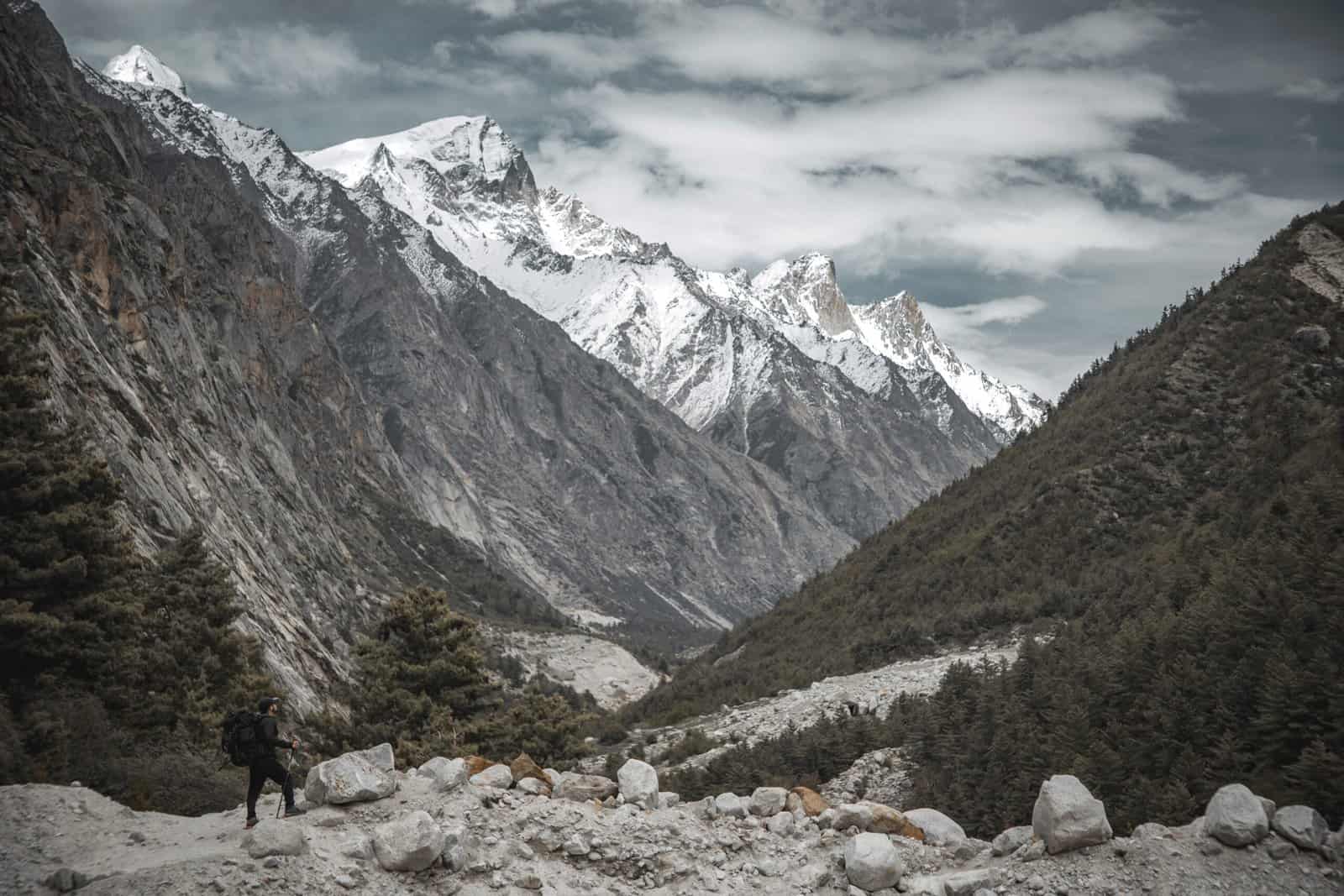
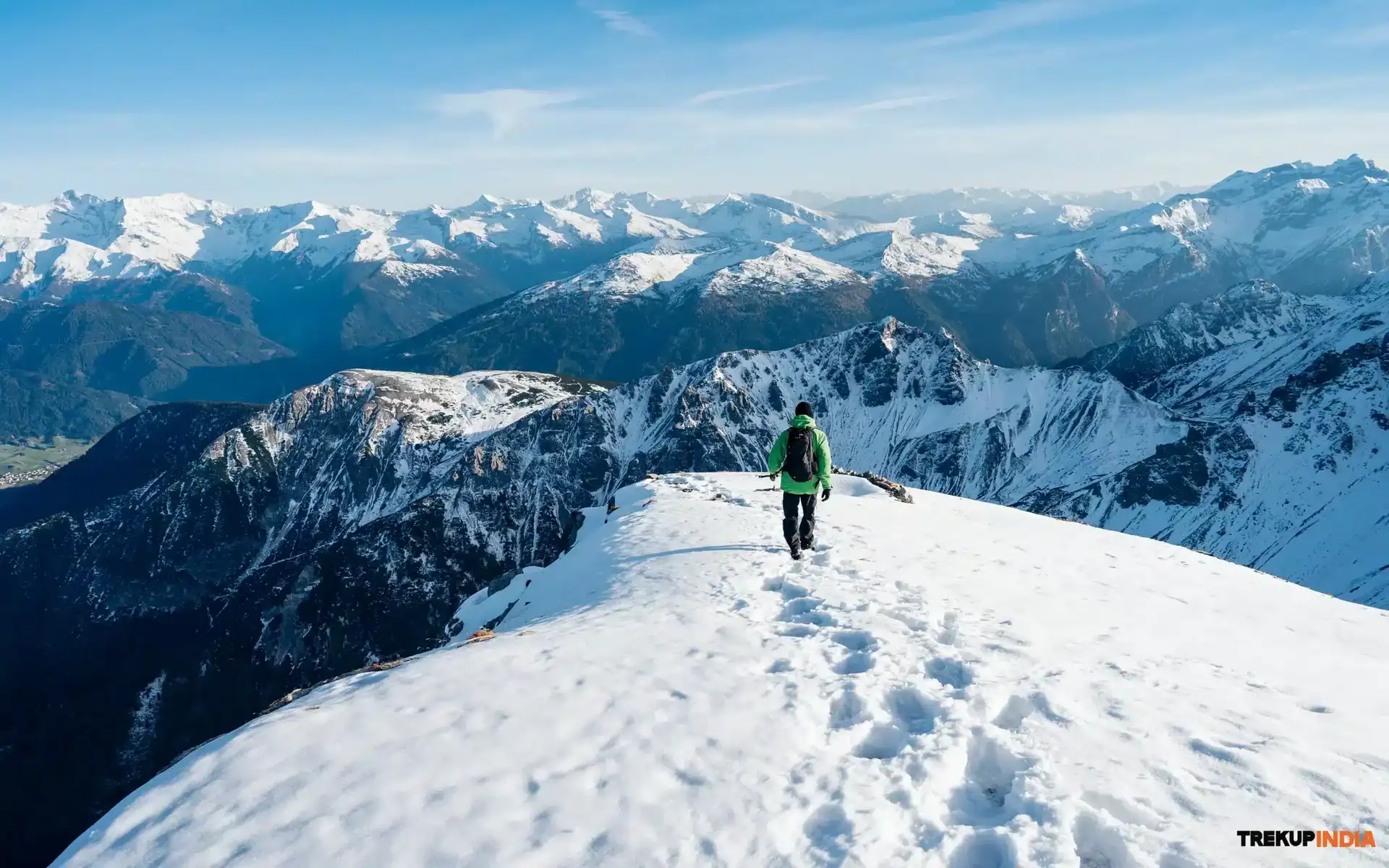
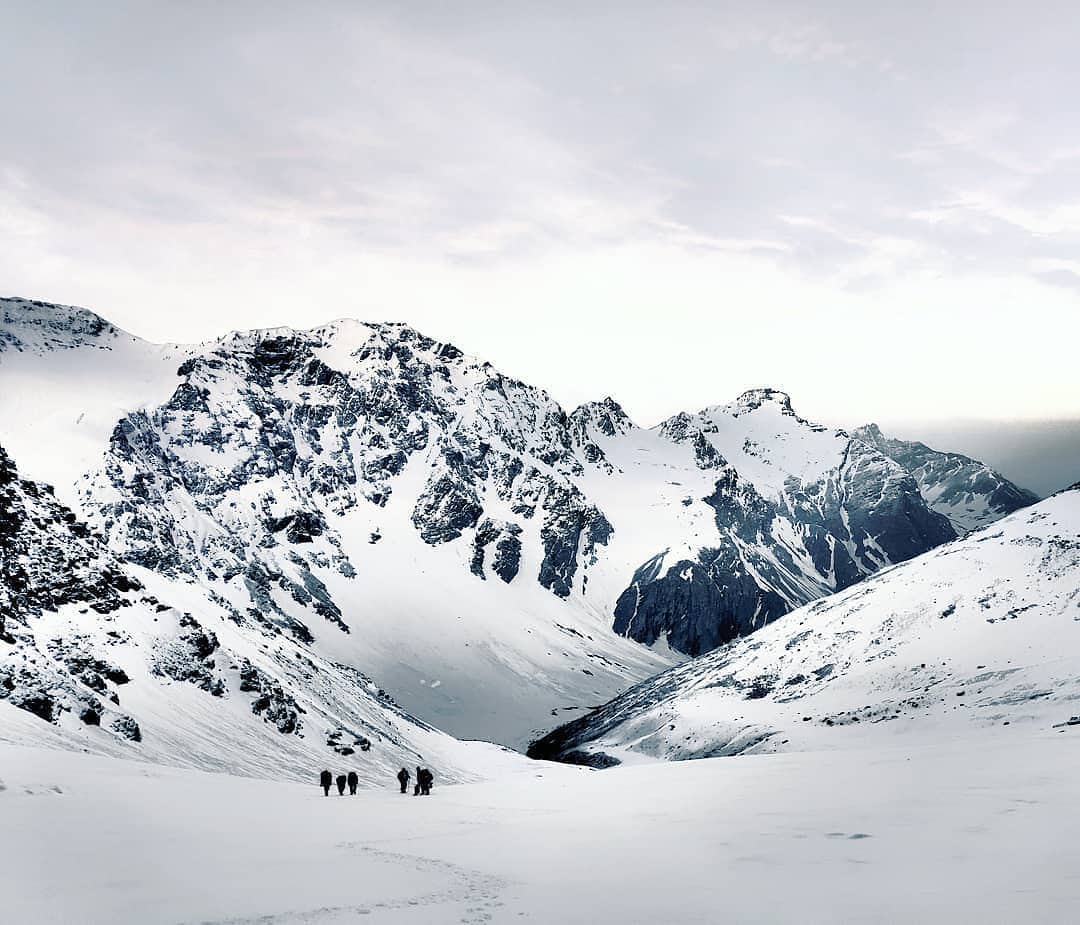
Trekking the high altitude Himalayas in Ladakh, Spiti, or Uttarakhand can cause temperatures to drop quickly after sunset even in summer months. A cold winter night in your tent may leave you chilly and sleepy both can significantly decrease performance and safety on the trek. Experienced trekkers know this all too well the hot water bottle trick.

What Is a Hot Water Bottle Hack?

Simply put, the Hot Water Bottle Hack involves filling an empty plastic water bottle with warm water before inscribing it inside your sleeping bag for an instant microclimate of comfort. Though seemingly small in scope, this technique has proven its worth in providing warmth, improving sleeping quality, and lowering energy consumption overnight.

Why Use it on Indian Treks?

Indian Himalayan treks often include frigid temperatures at night despite usually pleasant weather. Camping near Chandratal, Roopkund, and Har Ki Dun can make sleep an issue; using a hot water bottle trick may prove especially useful here.

  • Instantaneous Heating without Relying on Heavy Equipment or Batteries
  • Warm your sleeping bag to prevent cold cocoons.
  • Relaxes muscles after a hard day of walking

Sleep quality improvement: essential to recovery at high altitudes

Warmth from natural sources; no batteries and fire hazards!

What You Will Need: A metal or hard plastic drinking bottle (Nalgene-style is recommended, while soft plastic may cause deformation).

Accessing boiling or very hot water supplies

An exceptional sleep bag (rated to the temperature you expect to encounter during the night) will do. An alternative approach would be to use an optional small sock or cloth for wrapping the bottle.

Trekup Tips: Most treks offering camping assistance provide hot water at dinner or tea time – make the most of this opportunity!

How to Implement

This Hack Right after eating or taking tea, fill a glass with warm (but not boiling) water at 70-80 degrees Celsius – make sure the lid is secure as this could become very dangerous otherwise!

(Optional) Wrap it with an afghan or place it in a clean sock to prevent burns from direct skin contact. Also, try not to leave direct exposure between you and the bottle!

Place It Intelligently

To fight cold feet and reduce their effects on sleep quality, place the bottle by your feet within your sleeping bag. This should help relieve cold feet.

For soothing, flexible muscles, place it close to your stomach or between your thighs (near the femoral arteries).

You can also place it under your lower back if it is experiencing soreness or stiffness.

Stay warm this night by snuggling tight inside your sleeping bag, locking in heat and enjoying a peaceful slumber even in temperatures that dip below zero.

Safety Tips

  • Before placing the bottle into the sleeping bag, always inspect for leaks.
  • Be careful when tightening metal lids that could crack due to high temperatures. Overtightening may result in leakage.
  • Avoid using hot water directly from the stove as this could damage or warp the bottle, and could potentially result in burns.
  • Use containers rated to handle hot liquids (rather than single-use plastic bottles).

Trekup India Bonus Hack: Morning Warm-Up

It can be helpful if your bottle retains heat overnight – take advantage of it by using it to cleanse your skin, warm your hands, or stay hydrated by sipping a warm glass of water each morning.

Conclusion

As you explore India’s Himalayan Mountains during winter nights, remembering comfort and recovery aren’t luxury items – they are essential. Hot water bottle hack is an effortless yet low-effort technique that could significantly enhance both the quality of your sleep and energy levels. No matter if camping close to Roopkund or gazing upon Chandratal stars, this trick transforms the bed into a comfy retreat even under sub-zero temperatures.

Utilizing natural warmth while ditching bulky gadgets to use what’s available at camp can not only help you survive cold, but trek more efficiently as well. When gearing up for mountain adventures, be aware of this untapped resource as an underappreciated secret weapon.

About Author

Nanda Rawat
Nanda Rawat (Operation Manager)

Nanda Rawat holds a Master’s degree in Tourism and Hospitality and is a seasoned professional specializing in Adventure and Leisure Travel. As a travel specialist and consultant, his core mission has always been to deliver exceptional service by sharing the full breadth of his experience, ensuring client satisfaction on a global scale.

With over 16 years of experience, Nanda has worked with three well-established tourism companies, gaining deep insight into both inbound and domestic travel operations. He has contributed directly and indirectly to the Adventure Tour Operators Association of India (ATOAI) and has participated in multiple Immediate First Aid Training programs at the Indian Mountaineering Foundation (IMF).

In addition to his fieldwork, Nanda has shared his expertise through guest lectures in tourism and hospitality at various universities. He has independently led numerous expeditions across the Indian Himalayas and was actively involved in the rescue operations during the 2010 Ladakh flash floods.

In recognition of his outstanding coordination skills, he was honored with the Best Travel Coordinator Award by Joy James Educational Trust in 2012. A strong advocate of ethics, sustainability, and eco-tourism, Nanda takes great pride in being an integral part of Trekup India.

Write to him at: nanda@trekupindia.com

Share this article

Facebook
Twitter
LinkedIn
WhatsApp
Threads
Tumblr
Reddit
Table of Contents
Close

Dates For Upcoming Treks

Want To Trek Like Pro?

Basically, watch these videos if you want to trek the same way professional trekkers do and make your skills better. These videos contain useful tips and techniques to further improve your trekking skills itself. These videos actually help both new and experienced trekkers improve their trekking skills. These videos definitely provide useful tips that make your trek better. We are seeing that these videos by Trekup India experts will only help you make your trekking skills better.

Know Everything About Acute Mountain Sickness

Acute Mountain Sickness occurs when people trek to high altitudes above 8,000 feet. This condition itself develops further due to reduced oxygen levels at such heights. Basically, as you go higher up, the air pressure and oxygen levels decrease, which causes the same problem. Acute Mountain Sickness surely causes headache, nausea, vomiting, and dizziness in affected persons. Moreover, peoples also experience difficulty in sleeping during this condition. To avoid mountain sickness, you should actually trek up slowly to higher altitudes. To learn further about this condition itself, watch the videos by Trekup India.