Protecting Your Gear from Monsoon Madness: Waterproofing Hacks

Waterproof Hiking Gear: Monsoon Protection Tips

As monsoon clouds roll into the mountains and transform mountain trails into wet beauty spots, your trip need not necessarily suffer as long as your gear remains dry. Trekup India provides experienced trekkers who can ensure that even during intense rainfall, your gear stays dry and in good working order. From Western Ghats treks through to Himalayan tracks – Indian monsoon treks offer exceptional beauty but may bring unpredictable rainfall patterns.

How can experienced trekkers ensure their gear stays in perfect condition during an Indian monsoon trek?

Our experts have put together a field-tested waterproofing guide, complete with waterproofing tips designed to protect your equipment during monsoon season and allow you to continue exploring without incident.

Why Waterproofing Matters When Trekking in Monsoons

  • Waterproofing your equipment during monsoon treks is essential, no matter if you are venturing to the Himalayan Mountains for several weeks or just trekking in Maharashtra for one weekend trip – this includes making sure it remains dry by:
  • Lighter backpacks with integrated electronics, dry clothing, or sleeping bags could make the best choices.
  • Reduce risk of fungal infection.
  • Improve Morale
  • Even the best equipment can be destroyed if water gets inside. Here is how to avoid that happening.

Line Your Backpack From Inside

Rain covers can help, but they may not provide complete protection in Indian monsoon conditions.

Therefore, to increase its reliability under such conditions, ensure to line the inside of your backpack by:

Heavy-duty garbage bags (black liners)

Compactors or rubble bags (thicker and stronger) should be considered.

Specially-designed backpack liners for dry bags

Once your bag is lined, add all of your essential items-clothes, electronic devices, and sleeping bags-into it for safekeeping. Make sure all these are secured inside.

Essential Bag for Safe Storage to safeguard sensitive equipment such as your phone and power bank, as well as documents:

Utilize Ziploc bags or waterproof pouches when transporting items.

Please place them in an easily accessible area in a separate dry bag for safekeeping.

Hack: Placing electronics inside a ziplock bag and placing them inside clothing will help minimize condensation damage to the device.

Waterproofing Your Tent

Most budget tents sold in India are water-resistant but not waterproof.

Here's how you can monsoon-proof it:

  • First, cover your ground. Place an additional covering beneath your tent to prevent groundwater from seeping into it and potentially flooding it.
  • Substituting Tarp for Tent. When using your tent, cover it with an enormous polyethylene sheet or waterproof tarp, angled to allow water to pass freely beneath.
  • Seam Sealer can provide long-term protection for the seams of your tent during travel. Apply sealing silicone to seal all seams before heading out on an adventure!
  • Use a Microfiber Cloth daily for water cleanup.

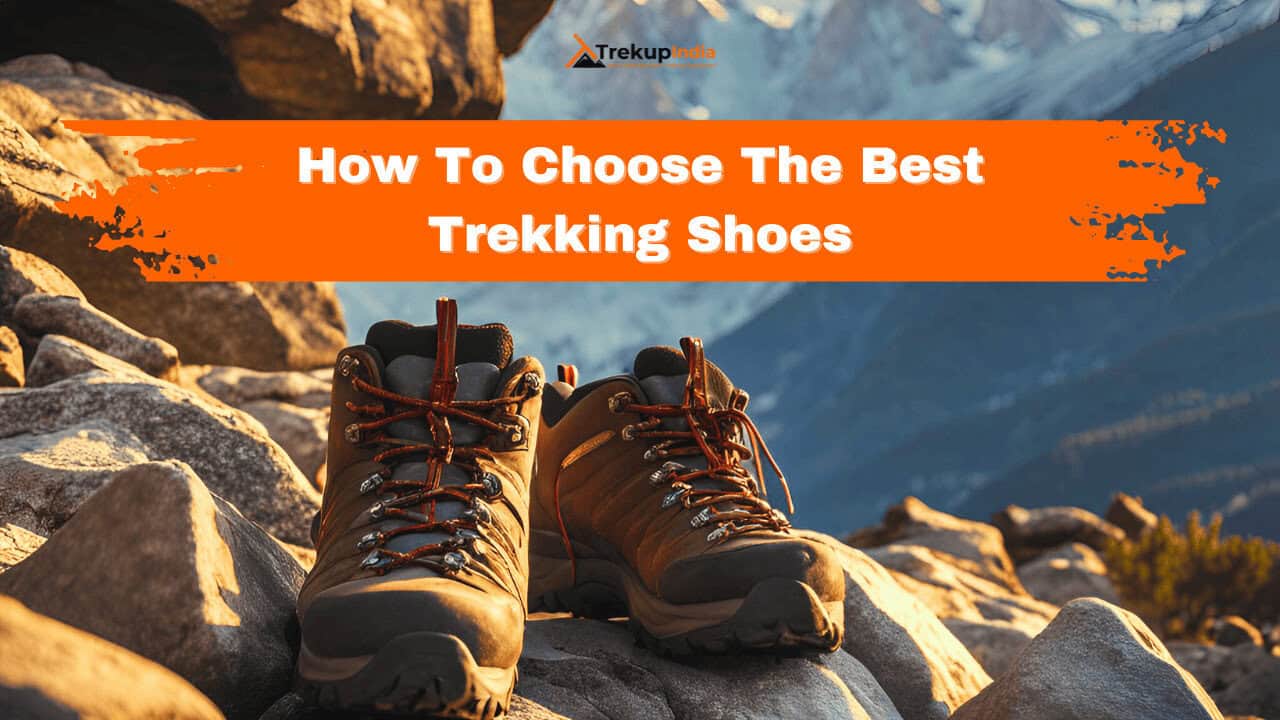
Protect Your Shoes

Blisters can make the feet sore. To stop this, it is wise to:

Make sure that you wear quick-dry or waterproof socks.

Use either a waterproofing or wax spray on your footwear (especially suede and mesh styles). This will keep the environment as safe as possible while helping preserve their lifespan.

Take one pair of lighter sandals or floating sandals when crossing rivers or using campsite facilities.

Antiquated tricks that provide extra security (only when necessary). For instance, using plastic bags around your feet before donning socks is an emergency measure.

Dry Bag Is a Lifesaver

Put money aside to purchase at least two large dry-goods bags (5-10 Liters each) to store essential items.

This may include: Sleeping bag, clothing, spare power banks, and electronic components

Even if your backpack gets wet, these bags can help your trip continue smoothly.

Care of Electronics in Humid Conditions

Rain can be particularly harsh on power banks, flashlights, and phones, particularly under humid conditions.

Use: To keep electronics functioning at their best in moist conditions.

Silica gel bags and Chalk sticks placed inside electronic pouches soak up moisture.

Ziplock and Cloth Layer

Remember to charge your phone or power bank without placing it into water!

Quick Dry Clothes and Storage

Then opt for Merino wool fabrics as quick-dry options, like Woolite.

Cotton tends to swell when exposed to moisture and may dry out over time, leading to uneven distribution and an unpleasant experience for users.

Divide clothes into individual ziplock bags, dry sacks, or dry containers and label them for easier access: camp wear, nightwear, emergency attire, or other necessary items.

Trekup India Trek Leader Tips

Pack extra plastic or garbage bags – they make excellent rain gear, packing cubes, and makeshift ponchos.
Be wary of overburdening the raincover: too snug will cause it to be torn open; too loose could result in its falling off altogether.

When camping, secure clothing under a Tarp using paracord or guyline.

Conclusion

Trekking during India’s monsoon season will provide an unforgettable experience of lush beauty, misty clouds, and unspoiled wilderness if your equipment can withstand the elements. When fitted with waterproofing measures that protect from rainstorms or river crossings, dense jungles, or dense rainy weather, you won’t become completely immersed.

Starting with your backpack liner and dry bags lined with plastic liners, applying silica gel to electronic devices, waxing shoes and footwear, and using silica gel, these efficient yet straightforward steps can make an enormous difference on any trek. At Trekup India, we have witnessed that an experienced trekker not only stays dry and safe in any climate – they also fly more easily with less risk and greater positivity.

Before heading off into the rain, ensure your waterproofing measures are up-to-date – it should serve you, not be the source of damage.

About Author

Nanda Rawat
Nanda Rawat (Operation Manager)

Nanda Rawat holds a Master’s degree in Tourism and Hospitality and is a seasoned professional specializing in Adventure and Leisure Travel. As a travel specialist and consultant, his core mission has always been to deliver exceptional service by sharing the full breadth of his experience, ensuring client satisfaction on a global scale.

With over 16 years of experience, Nanda has worked with three well-established tourism companies, gaining deep insight into both inbound and domestic travel operations. He has contributed directly and indirectly to the Adventure Tour Operators Association of India (ATOAI) and has participated in multiple Immediate First Aid Training programs at the Indian Mountaineering Foundation (IMF).

In addition to his fieldwork, Nanda has shared his expertise through guest lectures in tourism and hospitality at various universities. He has independently led numerous expeditions across the Indian Himalayas and was actively involved in the rescue operations during the 2010 Ladakh flash floods.

In recognition of his outstanding coordination skills, he was honored with the Best Travel Coordinator Award by Joy James Educational Trust in 2012. A strong advocate of ethics, sustainability, and eco-tourism, Nanda takes great pride in being an integral part of Trekup India.

Write to him at: nanda@trekupindia.com

Share this article

Facebook
Twitter
LinkedIn
WhatsApp
Threads
Tumblr
Reddit
Table of Contents
Close

Dates For Upcoming Treks

Want To Trek Like Pro?

Basically, watch these videos if you want to trek the same way professional trekkers do and make your skills better. These videos contain useful tips and techniques to further improve your trekking skills itself. These videos actually help both new and experienced trekkers improve their trekking skills. These videos definitely provide useful tips that make your trek better. We are seeing that these videos by Trekup India experts will only help you make your trekking skills better.

Know Everything About Acute Mountain Sickness

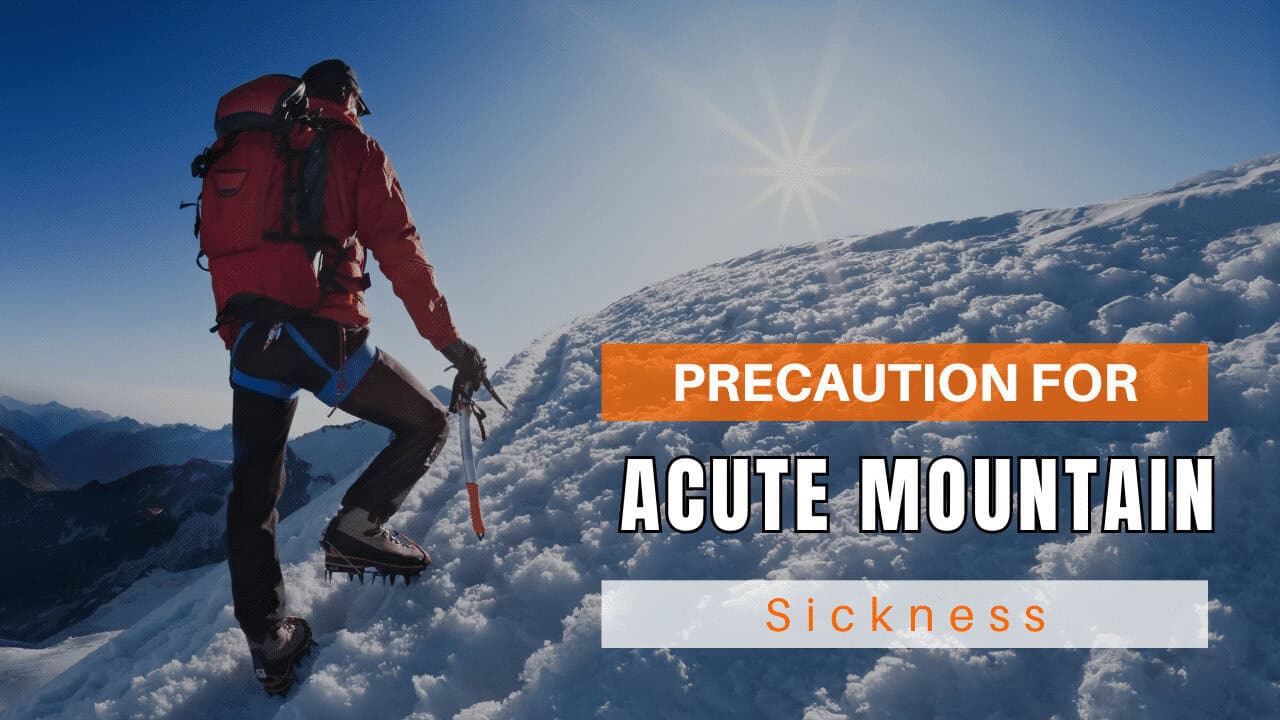
Acute Mountain Sickness occurs when people trek to high altitudes above 8,000 feet. This condition itself develops further due to reduced oxygen levels at such heights. Basically, as you go higher up, the air pressure and oxygen levels decrease, which causes the same problem. Acute Mountain Sickness surely causes headache, nausea, vomiting, and dizziness in affected persons. Moreover, peoples also experience difficulty in sleeping during this condition. To avoid mountain sickness, you should actually trek up slowly to higher altitudes. To learn further about this condition itself, watch the videos by Trekup India.