Trail Gear Repair: Simple DIY Fixes That Work
As soon as you enter the wilderness, gear issues can strike at the most inopportune moments. An unrepaired backpack strap, a tent that’s been torn, or even just a leaky water bottle could become an unexpected battlefield unless quickly repaired with tools such as paracord, duct tape, and multi-tools – such as those discussed here – which provide reliable repairs when miles from civilization.
This article will show how fast and trustworthy maintenance on gear can still take place when miles away from civilization.
Essential Repair Kit for the Trail
- Duct Tape is an effective solution for patching tears, breakages, leaks, and other issues that arise in everyday life.
- Parcord, also referred to as Strong Cordage, can be used for knotting to strengthen, retying, or fixing damaged straps.
- Zip Ties are significant for quick repairs on clothing and gear.
- Safety pins and thread/needle for stitching small tears or rips.
- Multi-Tools, or Knives as they’re more commonly known, provide cutting, prying, and equipment adjusting services.
- Super glue or Repair Tape can help to bond rubber or plastic parts together securely.
Breakage in Backpack Strap or Buckle.
This could become an inconvenience when carrying your bag, so quickly replacing a broken strap or buckle should be a priority.
For easy and swift solutions:
Duct Tape Wrap: The strap should be folded over and secured using duct tape as a temporary fixation to achieve this result.
Paracord Replacement: Should your strap become completely torn, paracord can be used to form another loop and fastened with its buckle.
Zip Tie Trick: Thread the zip tie through the buckle holes to support the strap independently and hold it in place.
Torn Tent or Rainfly
Issue: A Rip in the tent fabric can let in wind, rain, and insects; to seal it effectively, apply Duct Tape Patch around both sides of the tear to create an impermeable seal around it.
Tenacious Tape (if available): For repairs that last a long time, Tenacious Tape may provide the optimal solution.
Sewing and Tape Combo: For larger tears, sew the edges first before applying TapeTape as an added securement measure.
Leak in Your Water Bottle or Hydration Bladder
Trouble: A puncture in your water container could leave you thirsty.
Fix: Dry the area first before sealing any gaps with several layers of duct tape.
Super glue for small holes: Use with plastic bottles (allowing it to air dry before refilling).
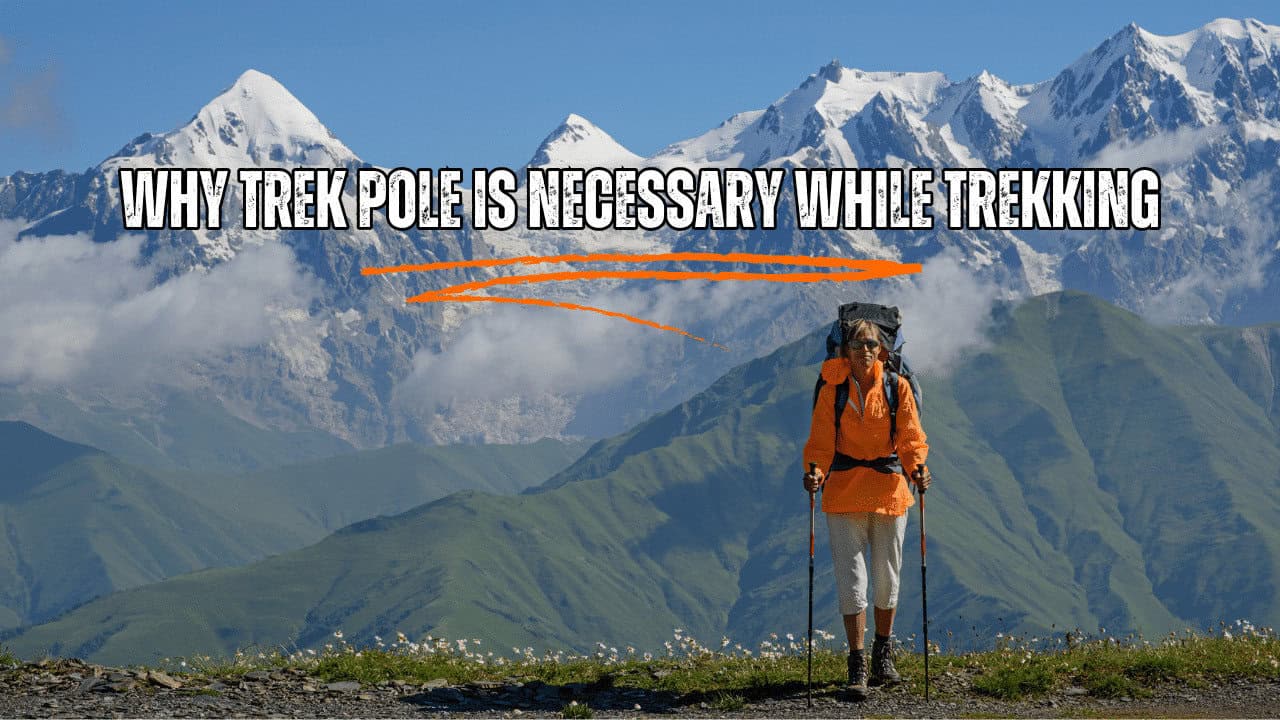
Broken Trekking Pole or Tent Pole
A broken pole can quickly disrupt any trek, shelter, or trip. For immediate stabilization, use a strong stick as a splint in alignment with the damaged section and secure it using Duct Tape.
Tent Pole Repair Sleeve (if included): Slip it over any damaged areas for extra support and reinforcement.
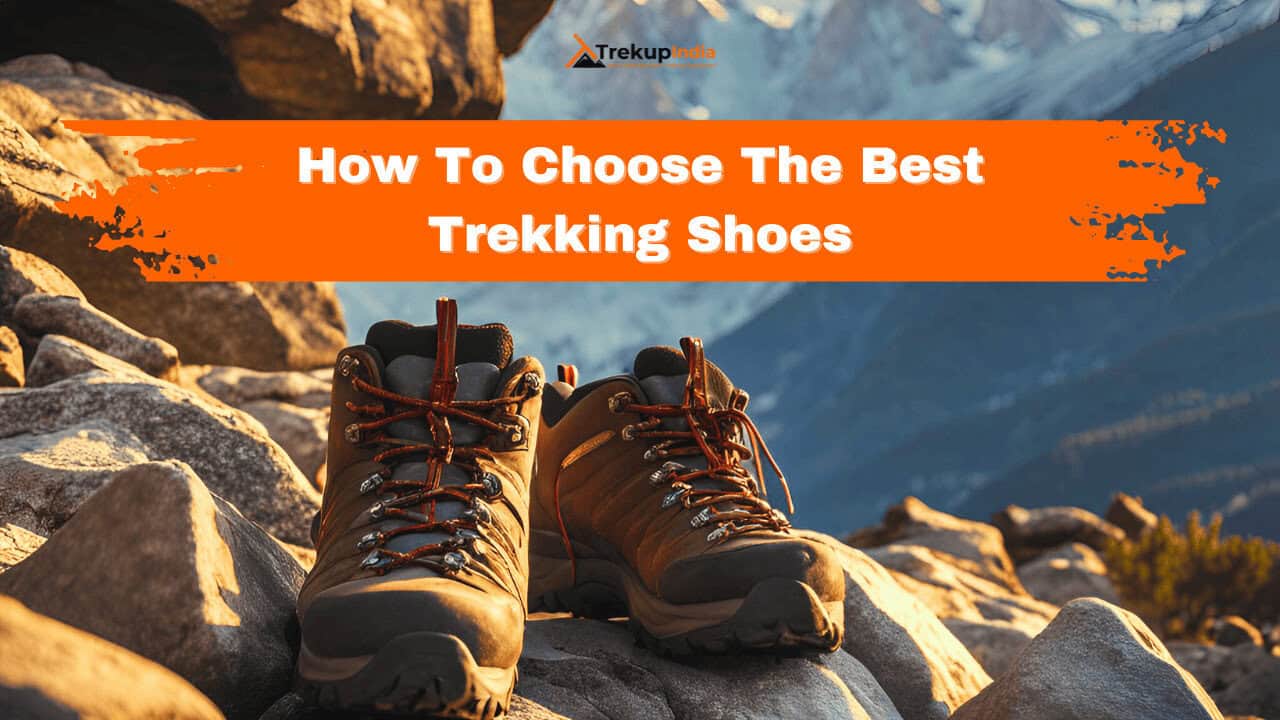
Worn-Out or Blown-Out Shoe Sole
Issue: Losing a shoe sole while trekking can be devastating. For an easy solution, Duct Tape and Cord Wraps provide support – tape the sole back in place, then tie a paracord wrap to provide extra stability.
Zip Tie Lugs can provide temporary grip for worn treads.
Broken Zipper
Issue: A broken or stuck zipper can ruin clothing or backpacks. Rather than replace the entire zipper pull with paracord or keyrings, use one as an alternative pull tab option instead.
Use wax or lip balm to lubricate, which will help loosen any zipper that has become stuck.
Safety Pins serve as emergency stoppers: in case the zipper’s teeth become misaligned, the opening is prevented from occurring.
Conclusion
When in the wilderness and every gram counts, having the ability to quickly and efficiently make repairs on gear yourself may be more than just helpful; it could save lives. Be it broken straps, torn tents, damaged bottles, or worn soles, paracord, duct tape, zip ties, and various tools can prevent an otherwise enjoyable journey from becoming hazardous.
Trekup India frequently emphasizes “Prepare to tackle problems. Before setting out, bring along a repair kit, develop solutions, and proceed confidently – especially since in the wilderness, self-reliance is your greatest ally.
About Author
Preetam Singh Rawat (Founder)
The person behind this trekking organization is someone who’s spent over a decade – 12 years, to be exact – living and breathing the mountains. With multiple high altitude summits under his belt (we’re talking 6000 to 7000 meter peaks), he’s not just experienced – he’s the real deal.
But what really sets him apart is the sheer number of treks he has guided. He has led over 200 Himalayan expeditions, including well known routes like Bali Pass, Buran Ghati, Rupin Pass, Pin Bhabha, Stok Kangri, and Black Peak. Not just once, but multiple times. So yeah, when it comes to the Himalayas, he knows every twist in the trail and every story the mountains have to tell.
Got questions or want to get in touch? Write to Preetam at preetam@trekupindia.com. He’s always happy to chat about treks, answer your questions, or help you prepare for your next big adventure.
Share this article
Dates For Upcoming Treks
Want To Trek Like Pro?
Basically, watch these videos if you want to trek the same way professional trekkers do and make your skills better. These videos contain useful tips and techniques to further improve your trekking skills itself. These videos actually help both new and experienced trekkers improve their trekking skills. These videos definitely provide useful tips that make your trek better. We are seeing that these videos by Trekup India experts will only help you make your trekking skills better.
Know Everything About Acute Mountain Sickness
Acute Mountain Sickness occurs when people trek to high altitudes above 8,000 feet. This condition itself develops further due to reduced oxygen levels at such heights. Basically, as you go higher up, the air pressure and oxygen levels decrease, which causes the same problem. Acute Mountain Sickness surely causes headache, nausea, vomiting, and dizziness in affected persons. Moreover, peoples also experience difficulty in sleeping during this condition. To avoid mountain sickness, you should actually trek up slowly to higher altitudes. To learn further about this condition itself, watch the videos by Trekup India.