Trekking Gear Rental India: Should You Rent or Buy for Your Trek?
Trekking can bring with it many adventures, yet it sometimes presents difficulties as well. One of the main issues for those trekking throughout India is deciding between renting or purchasing gear – we at Trekup India have assisted hundreds of trekkers when making this decision; here is our advice: Your decision should depend on factors like frequency of trips, goals set forth for them and budget considerations.
A practical guideline designed to assist in making the smartest possible choice.
Why the Gear Question Matters
When trekking the Himalayas or other trek regions, proper equipment is key – from warm jackets and sleeping bags to waterproof footwear and tents. But gear can be expensive, cumbersome and difficult to maintain; therefore, it is wise to consider which items you should invest in or rent carefully, as well as when renting may be more appropriate.
When to RENT Trekking Gear
Best for: Newcomers to trekking who are exploring the wilderness (1-2 trips annually), Travelers from all over the world avoiding baggage hassles, High altitude/specialized gear such as ice axes or crampons.
Top Items to Rent: Tents (large and seldom utilized outside of trekking)
Sleeping bags (season-specific and expensive to purchase)
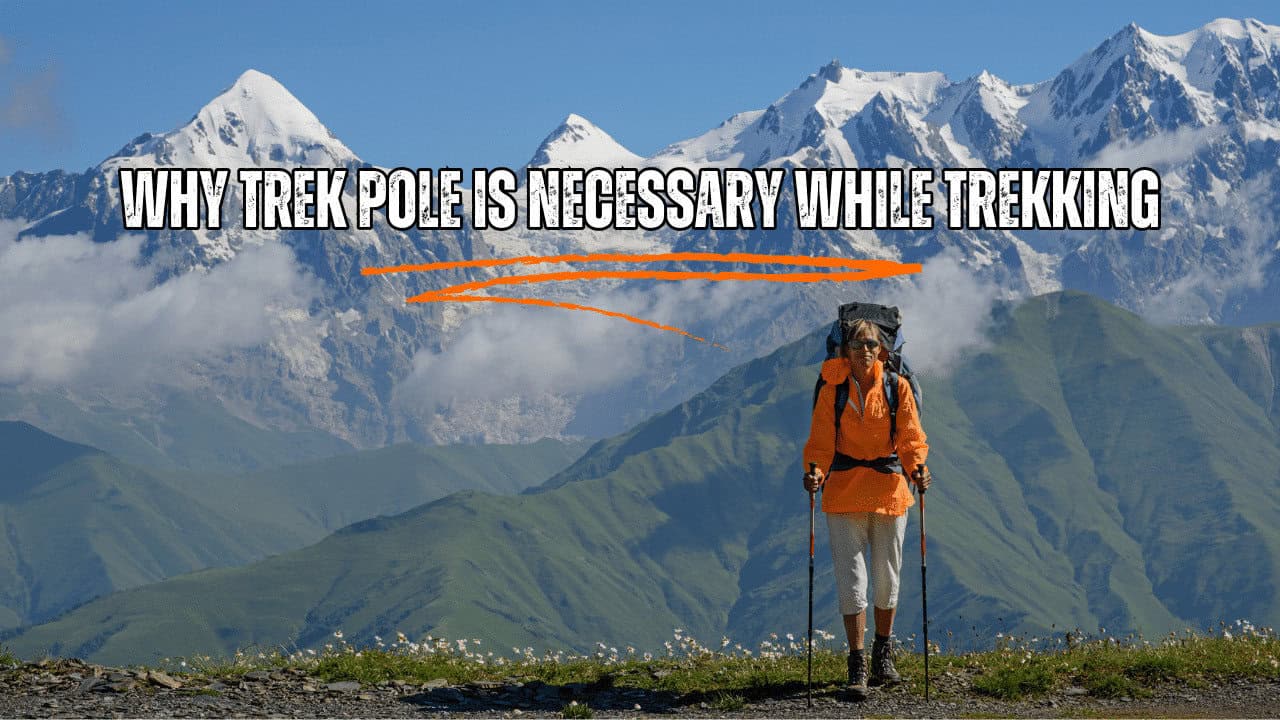
Trekking poles (which can be useful but are often unnecessary)
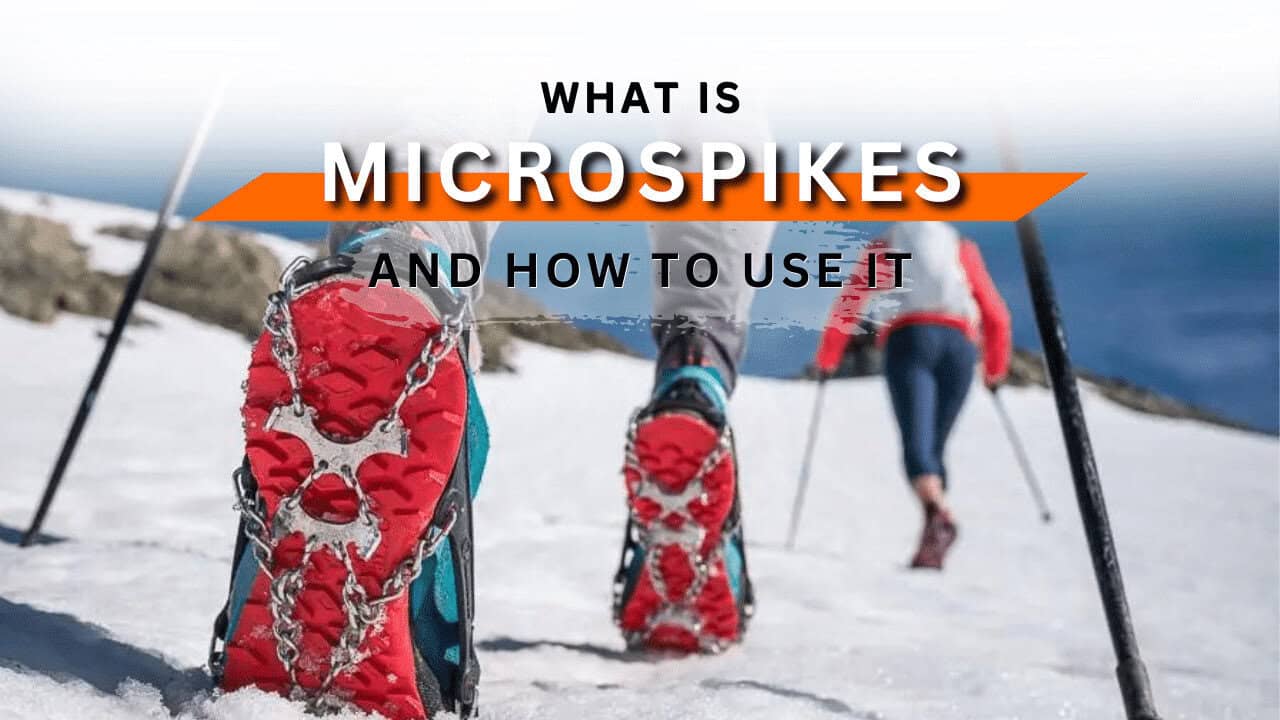
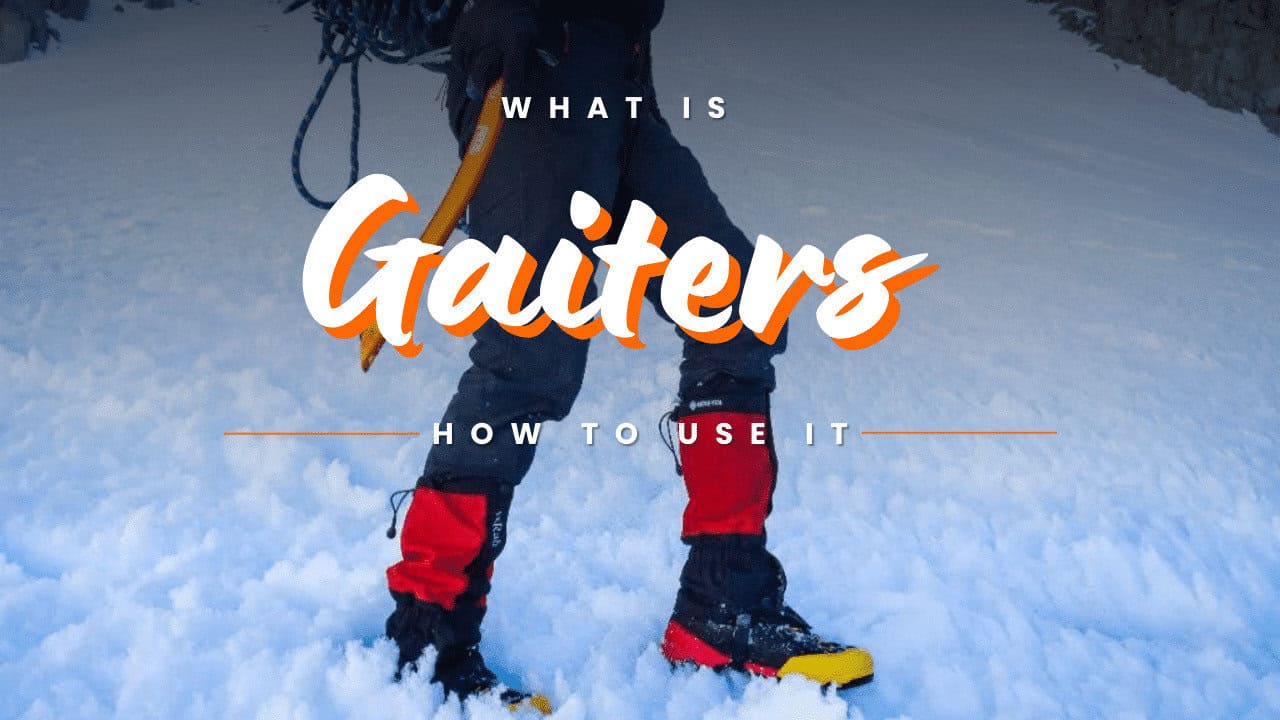
Winter trekking requires proper attire – jackets, gaiters, and microspikes should all be packed away safely in your bag.
Pros of Renting:
Effective and Cost-Effective
Renting is both cost-effective and time-effective, saving between 60 to 80% compared with purchasing, without hassle for storage or mess in your home. Before making a decision to buy or rent equipment, it is wise to ensure its quality before purchasing or renting gear.
Cons of Renting: (Hygiene Concerns and Time Constraints)
Some gear is only available for short-term rental; peak seasons see it quickly booked up.
Where Can I Rent?
You can rent all the trekking gear from the Trekup India website rental portal.
When to BUY Trekking Gear
Best for frequent trekkers (3+ trips annually), who prioritize cleanliness and personal comfort. Also suitable for investors interested in long-term adventure investments.
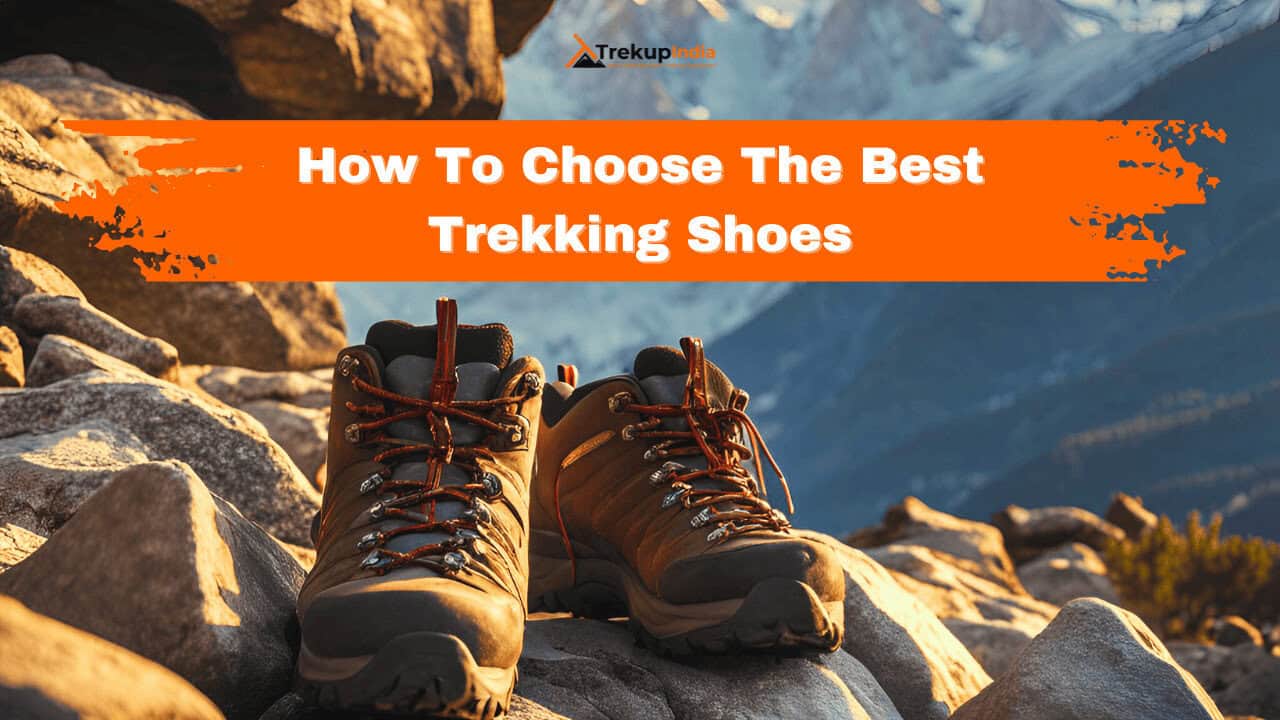
Top Items to Purchase for Trekking: Trekking shoes must fit properly so as to prevent costly rentals.
Backpack (personal convenience is of utmost importance).
Base layers (hygiene-sensitive)
Headlamp/gloves (often utilized)
Pros of Purchasing:
Improved Hygiene; Sleeping bags or jackets may offer improved hygienic conditions; Convenience is available when any spontaneous journey arises, and long-term savings (less expensive than five treks)
Cons of Buying: And the downsides: An Initial investment cost and more storage space needed than expected, due to large sleeping bags/tents are both essential.
Budget Buying Tips:
Decathlon provides an affordable and robust kit for beginners.
Winter gear sales during summer can be significantly discounted.
Second-Hand Market (Facebook Group, OLX)
Conclusion
As for casual trekkers, the easiest way to begin their adventure is by renting equipment (it will save money and reduce storage pressure).
Regular adventurers – invest in essential gear such as shoes or backpacks with layers.
Expedition/snow trekkers – Hire technical equipment (ice Axes and tents for expeditions).
Pro Tip: Before accepting rental equipment, always conduct a condition inspection!
About Author
Nanda Rawat (Operation Manager)
Nanda Rawat holds a Master’s degree in Tourism and Hospitality and is a seasoned professional specializing in Adventure and Leisure Travel. As a travel specialist and consultant, his core mission has always been to deliver exceptional service by sharing the full breadth of his experience, ensuring client satisfaction on a global scale.
With over 16 years of experience, Nanda has worked with three well-established tourism companies, gaining deep insight into both inbound and domestic travel operations. He has contributed directly and indirectly to the Adventure Tour Operators Association of India (ATOAI) and has participated in multiple Immediate First Aid Training programs at the Indian Mountaineering Foundation (IMF).
In addition to his fieldwork, Nanda has shared his expertise through guest lectures in tourism and hospitality at various universities. He has independently led numerous expeditions across the Indian Himalayas and was actively involved in the rescue operations during the 2010 Ladakh flash floods.
In recognition of his outstanding coordination skills, he was honored with the Best Travel Coordinator Award by Joy James Educational Trust in 2012. A strong advocate of ethics, sustainability, and eco-tourism, Nanda takes great pride in being an integral part of Trekup India.
Write to him at: nanda@trekupindia.com
Share this article
Dates For Upcoming Treks
Want To Trek Like Pro?
Basically, watch these videos if you want to trek the same way professional trekkers do and make your skills better. These videos contain useful tips and techniques to further improve your trekking skills itself. These videos actually help both new and experienced trekkers improve their trekking skills. These videos definitely provide useful tips that make your trek better. We are seeing that these videos by Trekup India experts will only help you make your trekking skills better.
Know Everything About Acute Mountain Sickness
Acute Mountain Sickness occurs when people trek to high altitudes above 8,000 feet. This condition itself develops further due to reduced oxygen levels at such heights. Basically, as you go higher up, the air pressure and oxygen levels decrease, which causes the same problem. Acute Mountain Sickness surely causes headache, nausea, vomiting, and dizziness in affected persons. Moreover, peoples also experience difficulty in sleeping during this condition. To avoid mountain sickness, you should actually trek up slowly to higher altitudes. To learn further about this condition itself, watch the videos by Trekup India.