Himalayan Trek Fitness Training: Prep for the Trails
Trekking in the Indian Himalayas isn’t an easy walk – it’s a test of physical strength, endurance, and ability. From Triund to Stok Kangri treks and beyond, getting ready requires training specifically designed to prepare your body. TrekUp India has created one of the most effective training programs to assist thousands of trekkers in tackling Himalayan trails without issue.
Why Trekking Fitness Is Different
Trekking in the Himalayas involves:
- Long hours of walking (6-10 km a day).
- Uneven terrain, including snow, mud or boulders
- Gaining elevation can make breathing more difficult due to thinner air.
- High-quality backpacks that carry 6- 8 kg are typically recommended.
- Extreme weather like wind, cold rain, sun, and cold can occur all in one day!
- An effective fitness plan must include building cardiovascular capacity, lower body strength and stability in the core muscles, as well as mental stamina.
Trekup India's 4–6 Week Trek Fitness Blueprint
Trekup India’s 6-Week Trek Fitness Blueprint for Beginners and Intermediate Trekrs can help those exploring Himalayan trails like Har Ki Dun, Brahmatal, Kedarkantha Phulara Ridge or Hampta Pass gain fitness through trekking.
Day | Focus Area |
Monday | Cardio + Core |
Tuesday | Leg Strength + Stretch |
Wednesday | Cardio Intervals (HIIT or long walk) |
Thursday | Upper Body + Balance |
Friday | Trek Simulation (stairs with backpack) |
Saturday | Long Walk/Trek Day |
Sunday | Rest + Active Recovery (Yoga/Stretching) |
Trekking Nutrition: Fuel the Right Way
- Rice, roti, poha, bananas and oatmeal can help boost energy levels.
- Protein to aid muscle recovery: eggs, dal, paneer and peanuts.
- Drink at least 3-4 liters of water daily during training.
- Keep an eye out for unhealthy food choices, sugar overdose and heavy meals.
Cardio: Develop Your Engine
Your goal should be to develop the endurance and effectiveness of your breathing to allow for long treks at high altitude.
Exercise for weight management. Start walking three kilometers per day until reaching eight-10 kilometers in total.
20-40 Minute Jogging or Running on Treadmills
Step Climbing Stairs: 5- 10 Floors and 200-500 Steps
Swimming or cycling may provide an enjoyable way to diversify.
Trekup India Tips: Do aerobic exercises at a leisurely pace; you should be able to talk, but should not sing.
Leg Strength for Climbs and Descents
Key Zones Are Quads, Hamstrings, Glutes and Calves
Exercise options: Bodyweight Squat 3 sets of 15.
Lunges (forward and walking): Three sets of 10 for each leg
Step-Ups for Stairs and Benches: Three sets of 12 Step-ups available
Wall Sit: For 45-60 minutes.
Calf Raises Two Sets of 20
Trekup India Tip: Once your trek has entered its second week, add your backpack as part of your steps.
Breathing and Altitude Prep
Even those in peak shape may become disoriented when ascending 10,000ft or higher. Training your lungs helps ensure a more pleasant journey to altitude.
Pranayama Exercise for alternate nostril breathing.
Bhramari Breathing Technique and Deep Belly Breathing Exercise will teach three sets of 10 breaths for the best results.
Note: As an extra challenge, try doing breath-holding drills (inhale and hold for 10 seconds before exhaling) to replicate lower oxygen levels.
Core Stability for Backpacking and Balance
Strong cores mean improved posture and fewer injuries.
Exercise plan (plank for 30-60 seconds). Hold it until the timer goes off.
Side Plank – 30 seconds per side
Glute Bridge – 3 Sets of 15
Trekup India Tips: Combine two sessions of flexibility and core training each week for optimal results.
Common Mistakes to Avoid
- Not paying enough attention to downhill training (causing more muscle soreness than any other type).
- Only training on treadmills or flat surfaces, focusing solely on grip strength development for trekking pole use.
- Skipping out on rest days (leading to injury through overuse of training)
Acclimatization Tips
- Pre-Trek Camp (e.g., Sankri for Kedarkantha) for at least two nights should provide enough acclimation time.
- Climb, Recover in the Lowlands: Expected Gain of 300-500 meters daily max
- Water: Drink 1 litre of fluid every 2-3 hours (even if you don’t feel thirsty).
- Diamox: Consult with your physician regarding preventive medicine usage.
Final Fitness Test Before Trek
Complete 15km in one day while carrying a 10-kg backpack. Climb 60 steps without stopping; plank for three minutes without moving; do 5 km of trekking at elevations above 3,000m (if it is feasible).
Note: For optimal performance during training sessions, break in your walking shoes gradually to prevent blisters!
Trek-Specific Training Modifications
Training Modifications for Snow Treks (Chadar and Kuari Pass):
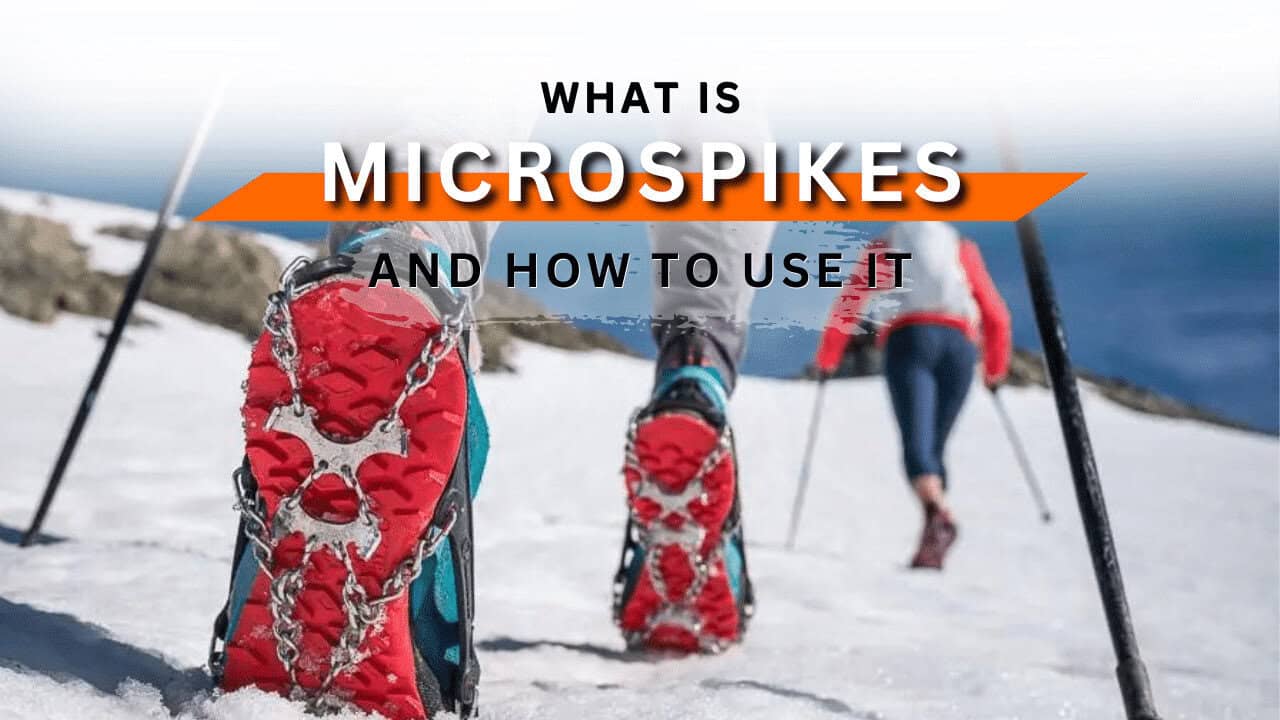
Implement a cold exposure course into your training. Practice walking using microspikes by practicing to walk. Shoulders must be strengthened to enable them to carry heavier loads.
Treks at High Altitude
- Be sure to include hypoxic exercise (altitude masks).
- Make sure to focus on exercises for your respiratory system.
- Building extra endurance reserves
TrekUp India has observed that those who follow this plan for six weeks have an easier and more enjoyable Himalayan trekking experience compared to those who don’t, with 50% less fatigue and 100% more fun! Keep in mind that mountains won’t suddenly become easier; rather, you will gain strength!
About Author
Nanda Rawat (Operation Manager)
Nanda Rawat holds a Master’s degree in Tourism and Hospitality and is a seasoned professional specializing in Adventure and Leisure Travel. As a travel specialist and consultant, his core mission has always been to deliver exceptional service by sharing the full breadth of his experience, ensuring client satisfaction on a global scale.
With over 16 years of experience, Nanda has worked with three well-established tourism companies, gaining deep insight into both inbound and domestic travel operations. He has contributed directly and indirectly to the Adventure Tour Operators Association of India (ATOAI) and has participated in multiple Immediate First Aid Training programs at the Indian Mountaineering Foundation (IMF).
In addition to his fieldwork, Nanda has shared his expertise through guest lectures in tourism and hospitality at various universities. He has independently led numerous expeditions across the Indian Himalayas and was actively involved in the rescue operations during the 2010 Ladakh flash floods.
In recognition of his outstanding coordination skills, he was honored with the Best Travel Coordinator Award by Joy James Educational Trust in 2012. A strong advocate of ethics, sustainability, and eco-tourism, Nanda takes great pride in being an integral part of Trekup India.
Write to him at: nanda@trekupindia.com
Share this article
Dates For Upcoming Treks
Want To Trek Like Pro?
Basically, watch these videos if you want to trek the same way professional trekkers do and make your skills better. These videos contain useful tips and techniques to further improve your trekking skills itself. These videos actually help both new and experienced trekkers improve their trekking skills. These videos definitely provide useful tips that make your trek better. We are seeing that these videos by Trekup India experts will only help you make your trekking skills better.
Know Everything About Acute Mountain Sickness
Acute Mountain Sickness occurs when people trek to high altitudes above 8,000 feet. This condition itself develops further due to reduced oxygen levels at such heights. Basically, as you go higher up, the air pressure and oxygen levels decrease, which causes the same problem. Acute Mountain Sickness surely causes headache, nausea, vomiting, and dizziness in affected persons. Moreover, peoples also experience difficulty in sleeping during this condition. To avoid mountain sickness, you should actually trek up slowly to higher altitudes. To learn further about this condition itself, watch the videos by Trekup India.