Kalihani Pass Trek: A Must-Do High-Altitude Trek in Himachal
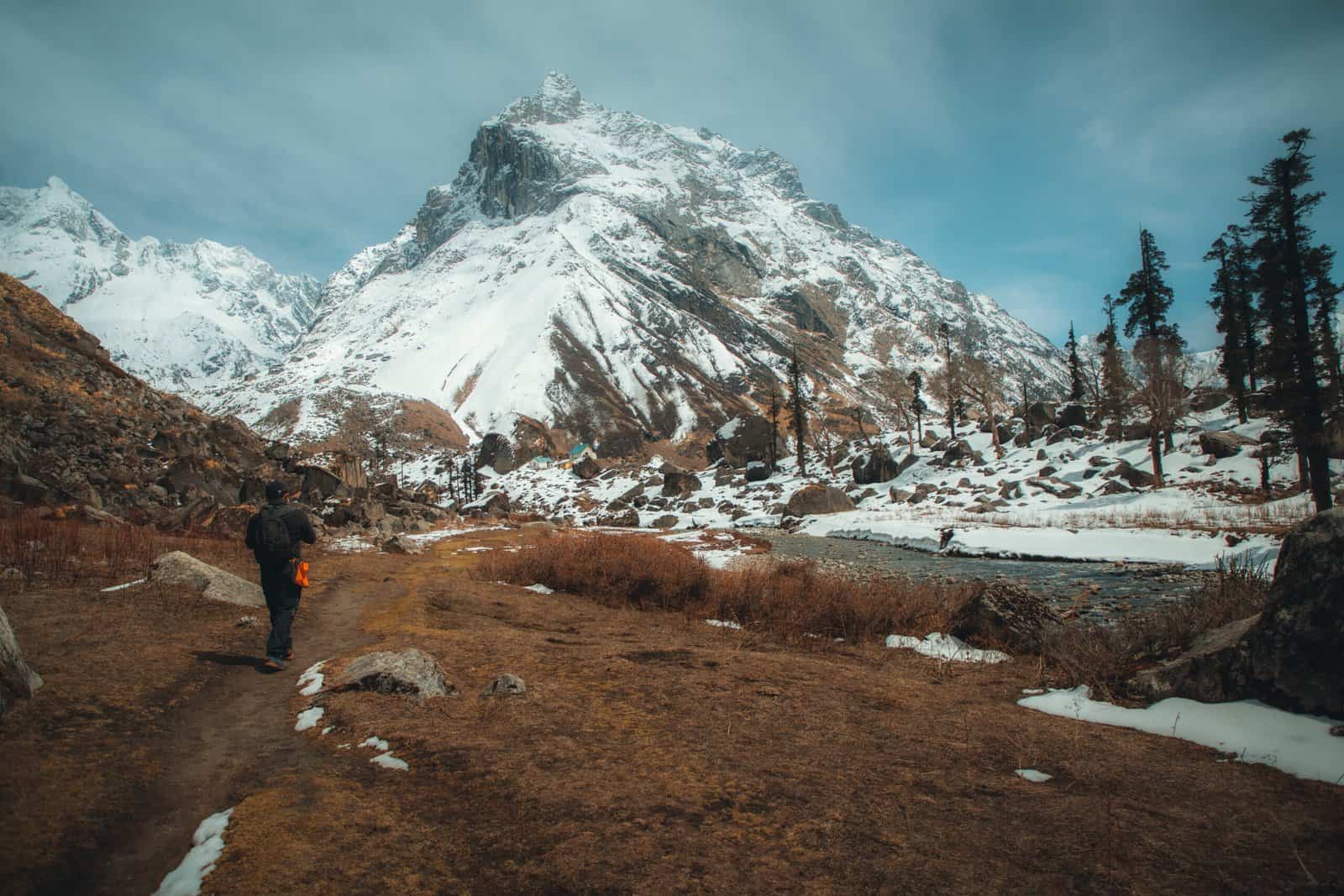
As part of our quest to explore new routes and uncover Himalayan treasures, we embarked on an 8-day trek towards Manali to uncover the Kalihani Pass trek, sure to enthrall and amaze. While words cannot do justice to its beauty, here are seven features that make this unforgettable trek in Himachal Pradesh.
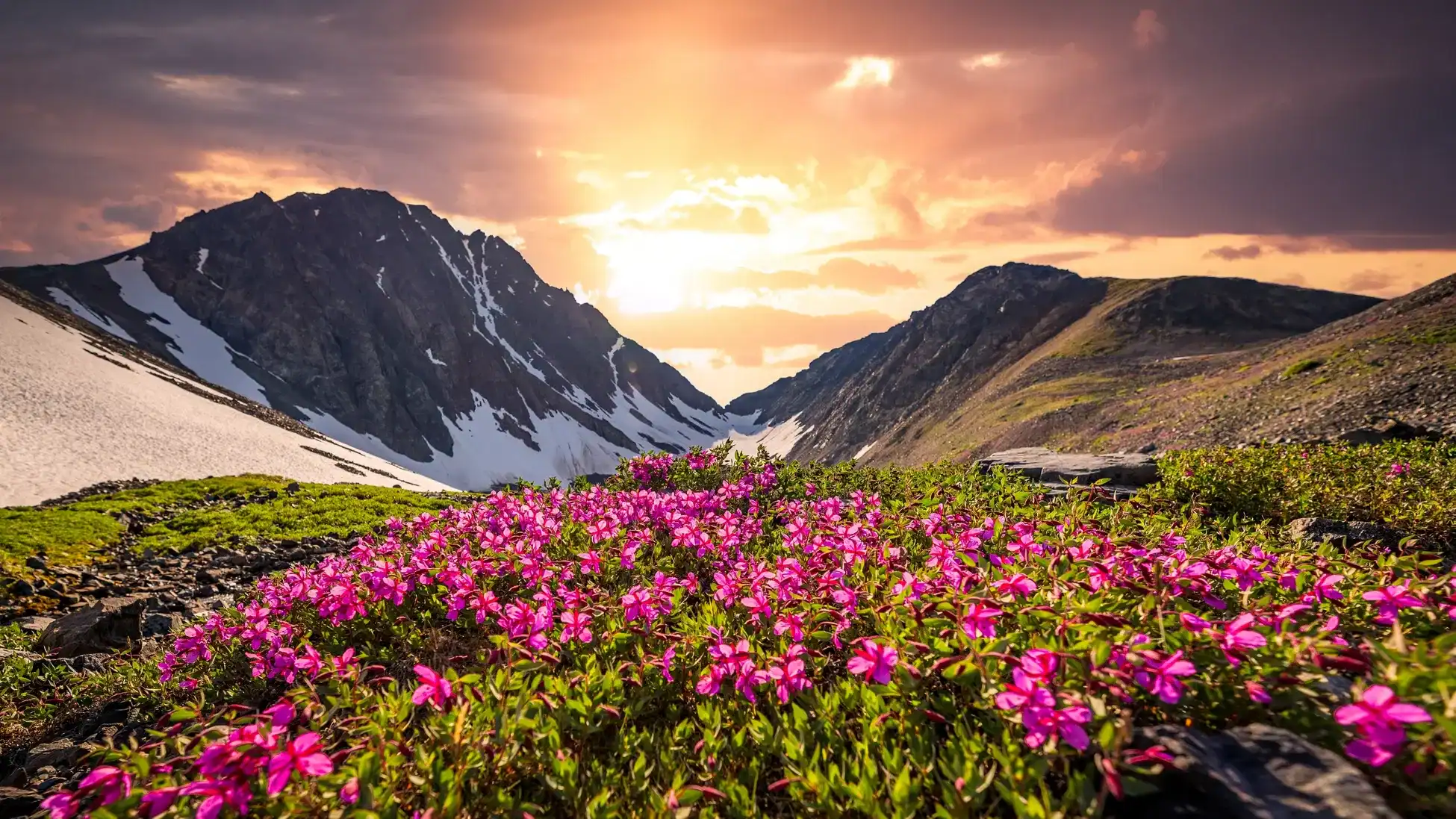
Lush Green Meadows
At first glance, the lush foliage will transport you into a wild wilderness adventure. Once past that stage, however, meadows adorned with diverse blooms create an exquisite display of colours against a background of vegetation. When reaching base camp, various flowers on ridges allow users to quickly craft an individual floral bouquet, without degrading its surrounding natural beauty. Evidence was strong to support that this trek offered an attractive alternative to visiting the Valley of Flowers. We encountered an array of plants on our journey – Marsh Marigolds, Primulas, Anemones, Geraniums, Phlomissiums, Common Yarrow, and Cinqefoils among them!
Mountain Settlement
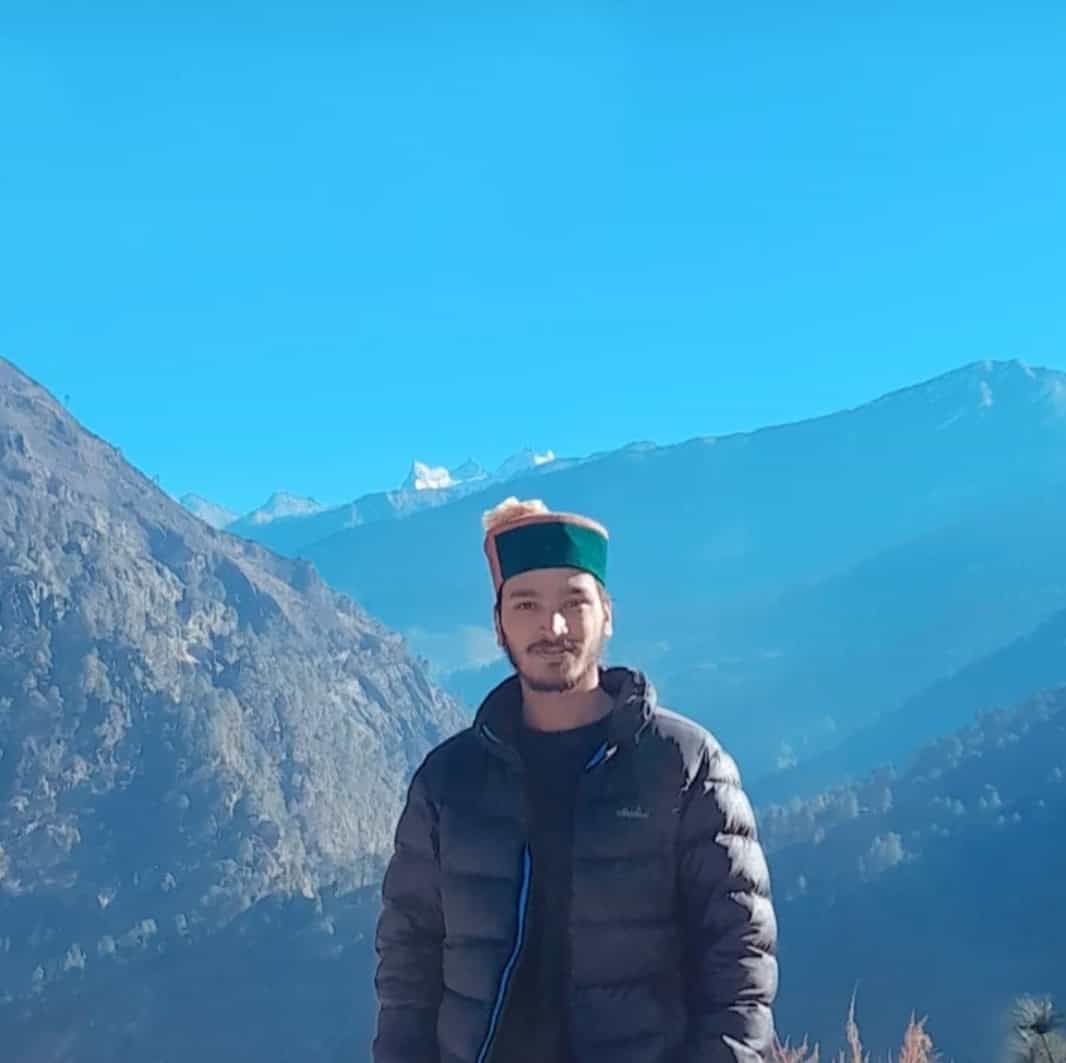
Our journey begins near Manali and leads us over Kalihani Pass before setting out on the Bara Bangal Trek. Bara Bangal village sits nestled within an inaccessible valley where the Ravi River was born and between two high-altitude passes, offering shelter to only 750 residents, with mules serving as transportation for essential items, and life being tied into one satellite phone, being its sole connection with the outside world. The Valley is shrouded in mystery; various theories exist regarding its residents’ history and development. One legend claims it played an essential role in the Rajput kingdom, which used Bir as its capital city. Other speculation suggests Alexander the Great sent an army through its trade route to stay and leave behind their mark on its physical features. Today, it serves as an important hub for Gaddi Shepherds who serve as a link between Kangra Valley (accessible via Thamsar Pass) and Kullu Valley, accessible via Thamsar Pass as well as Kullu Valley, which are connected by Kalihani Pass.
Meadows
Have you been promised an incredible meadow view only to find yourself disappointed as soon as you get closer? Unfortunately, this can often happen at popular trekking camping spots such as Kalihani Pass trek – though that wasn’t our experience when camping here! Incredibly, though, Riyali Thatch campsite felt more like one of Munnar’s tea estates!
Peaks
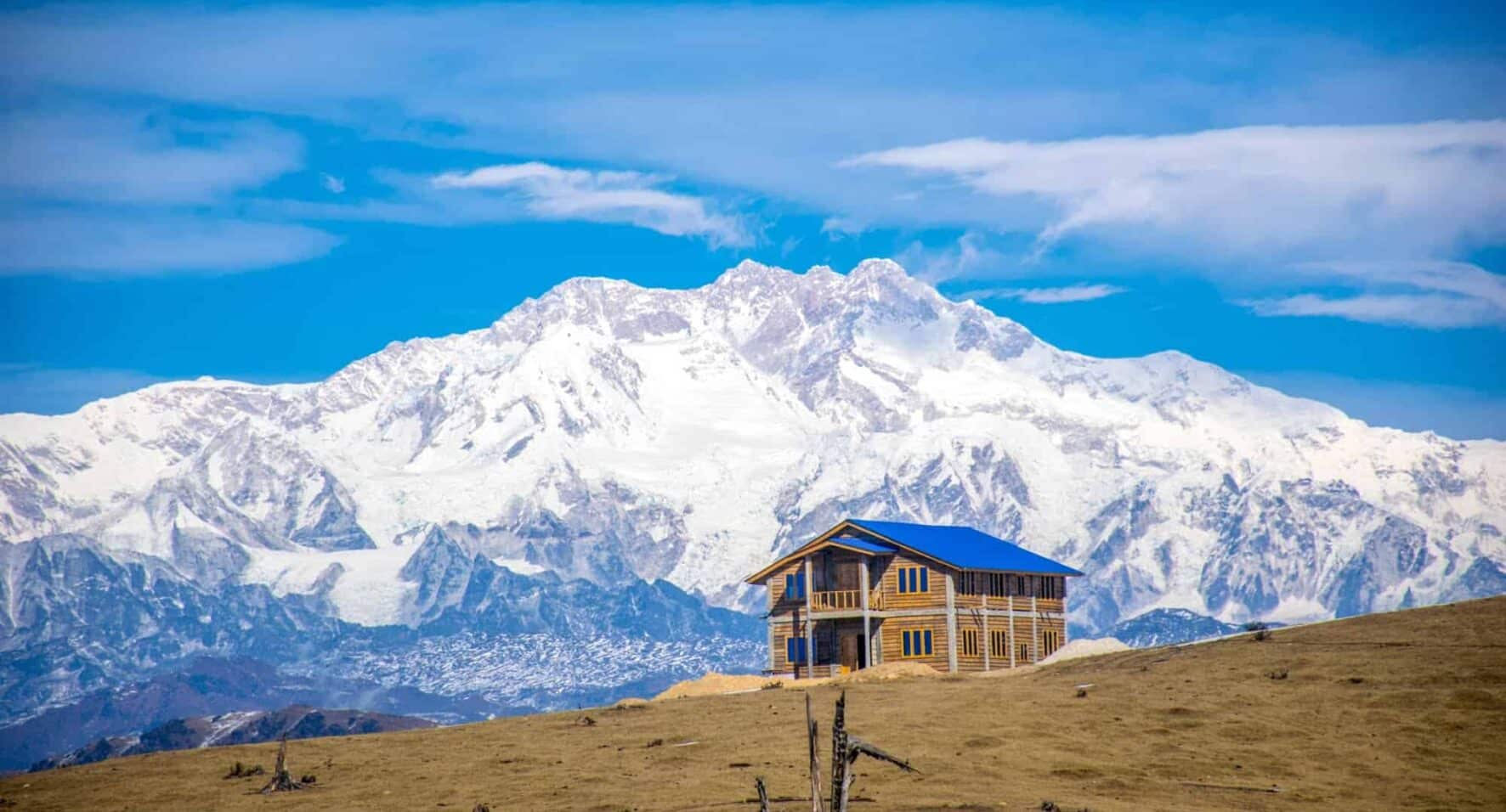
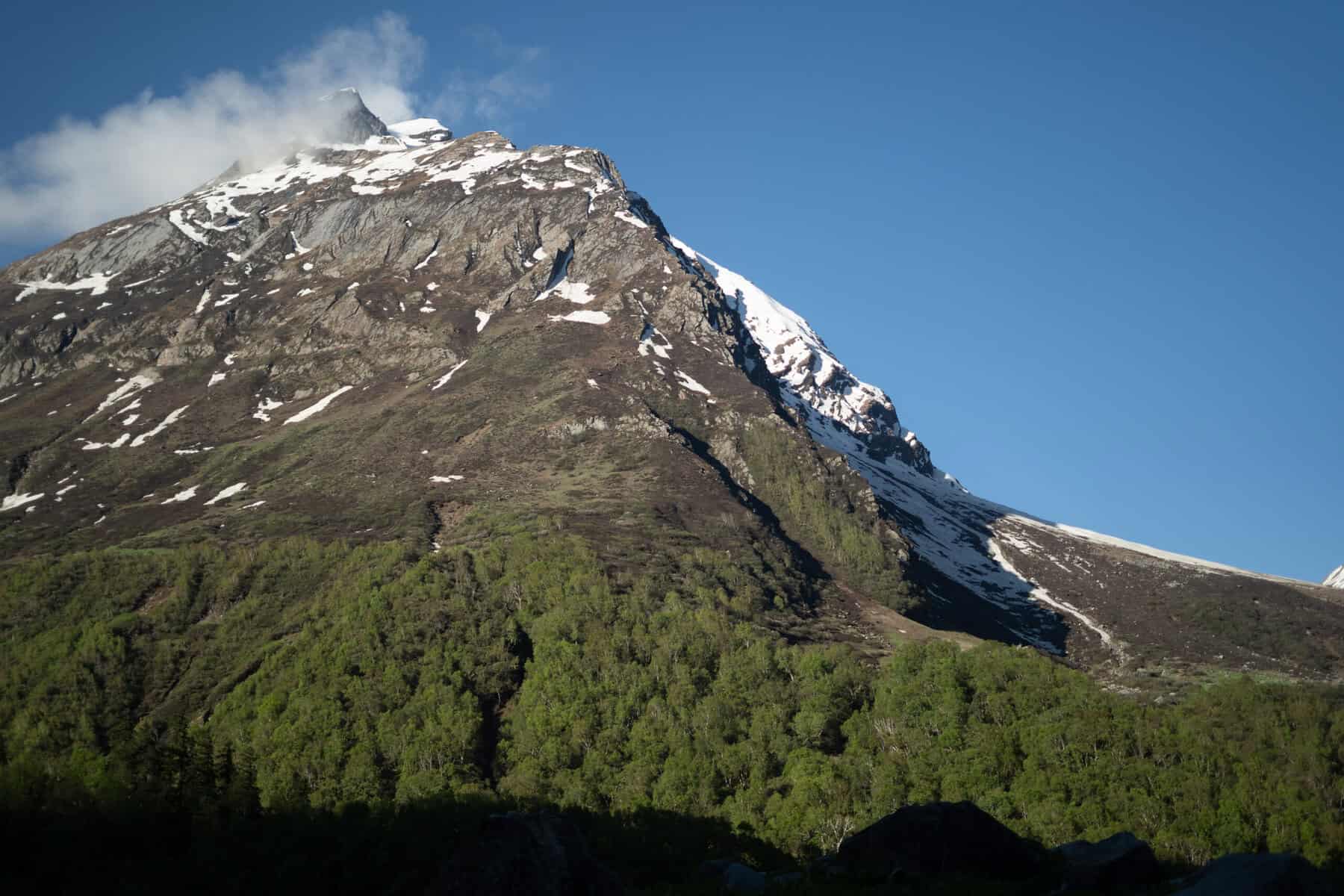
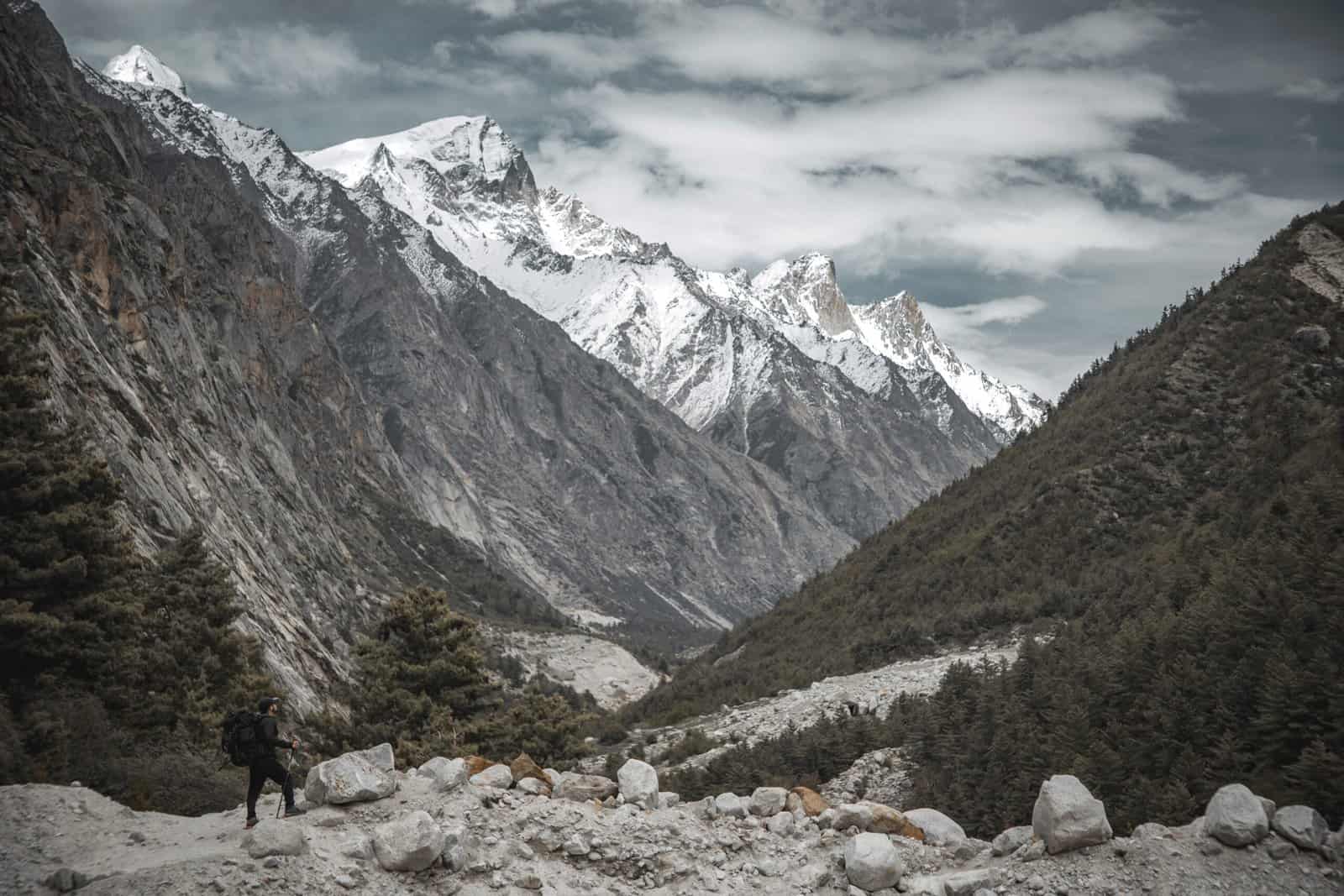
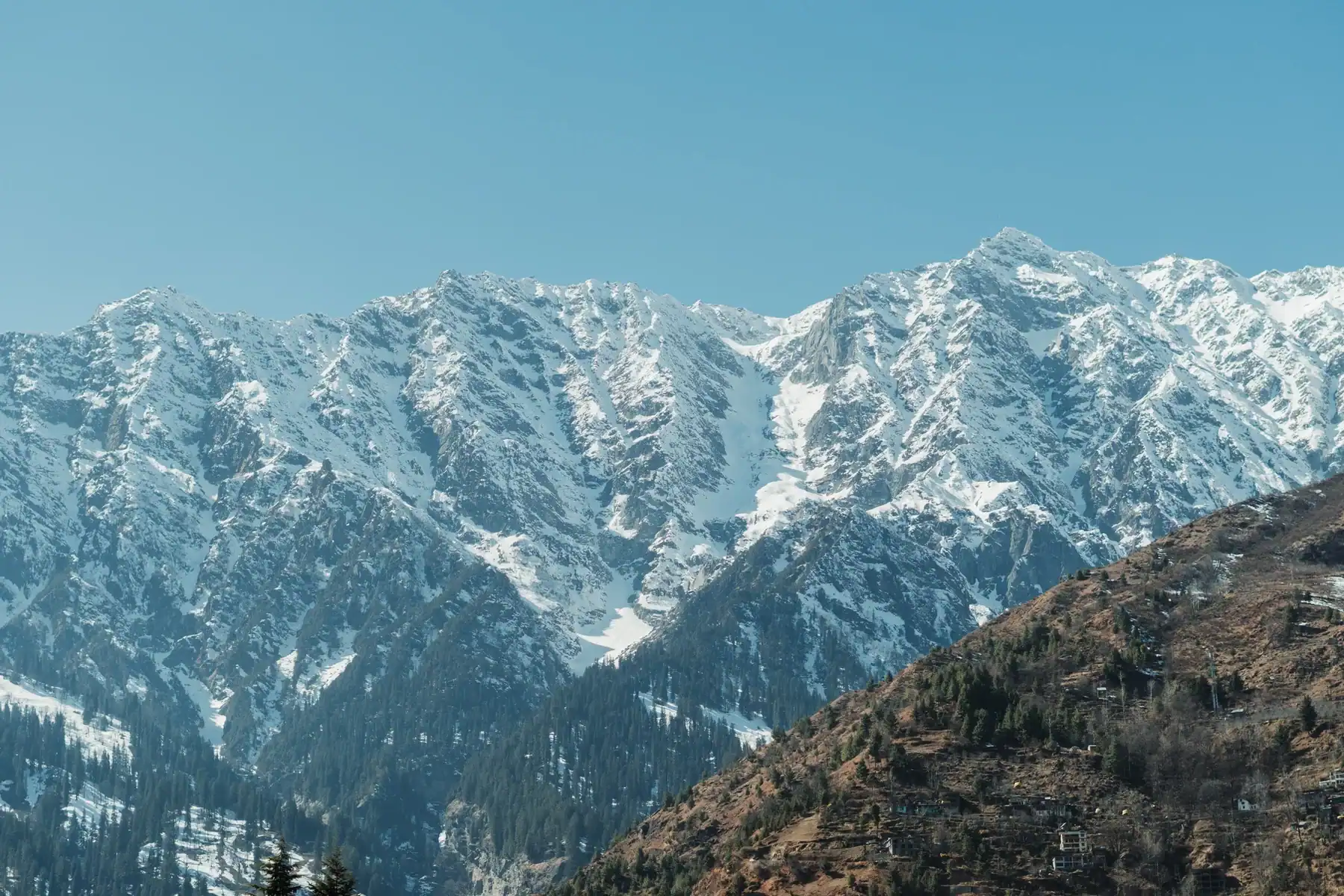
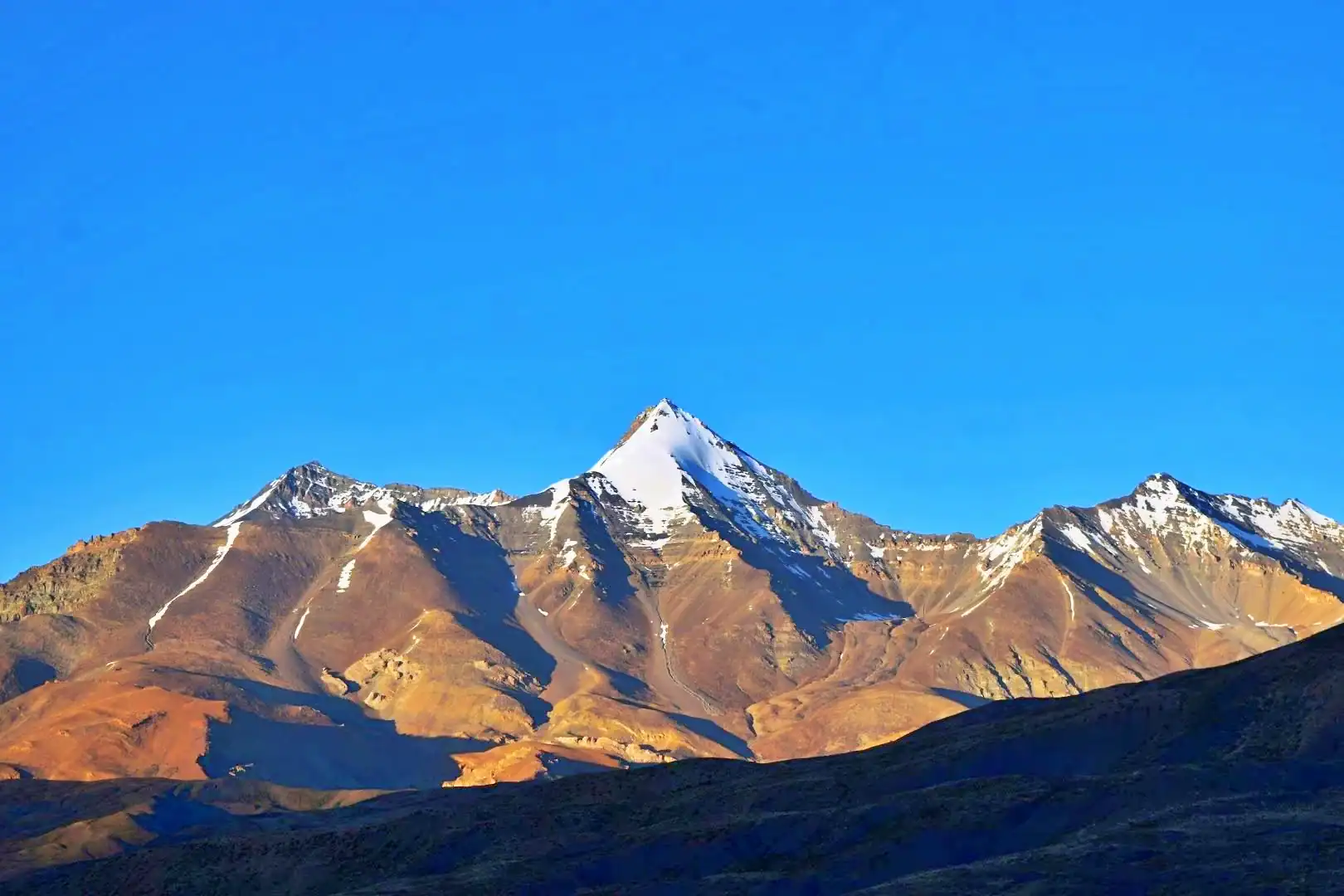
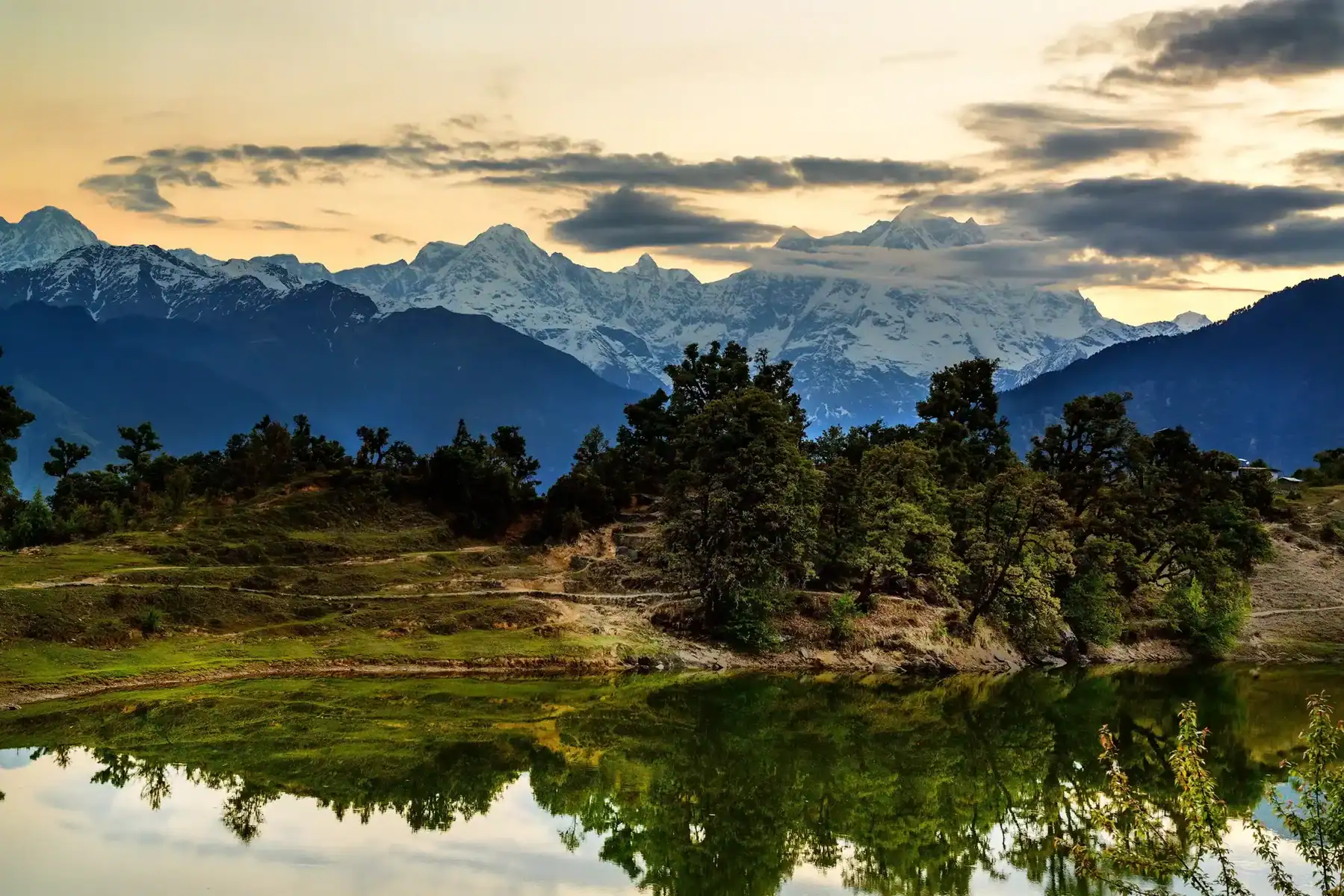
As you traverse through the most essential sections of this trek, you will experience breathtaking views from the Pir Panjal mountain range and Kalihani Pass summit, You will take in incredible vistas of the Dhauladhar range, as well as Indrasan as well as Deo Tibba Peak, which offer some truly awe-inspiring sights of Indrasan as well as Deo Tibba Peak which magnificent peaks are bathed by early morning sunshine that fills the valley with its luminescent glow that motivating further progress towards reaching their summit. The breathtaking sight will motivate further climb until reaching its summit – its beauty will motivate towards reaching its summit!
Panoramic Views
Are You Searching for Majestic Mountain Views? Well, look no further as this trek offers two exciting add-ons you should take full advantage of. One option is climbing Khanpari Tibba (4025m), an easily accessible summit offering magnificent panoramic views across the Beas River Valley. Moreover, Rani Sui Lake (3990m) lies nestled amidst lush meadows offering unrivalled 360-degree vistas of the Pir Panjal Range as well as the Dhauladhar Ranges, making this adventure truly unrivalled. The trek ends here.
The Pass Summit
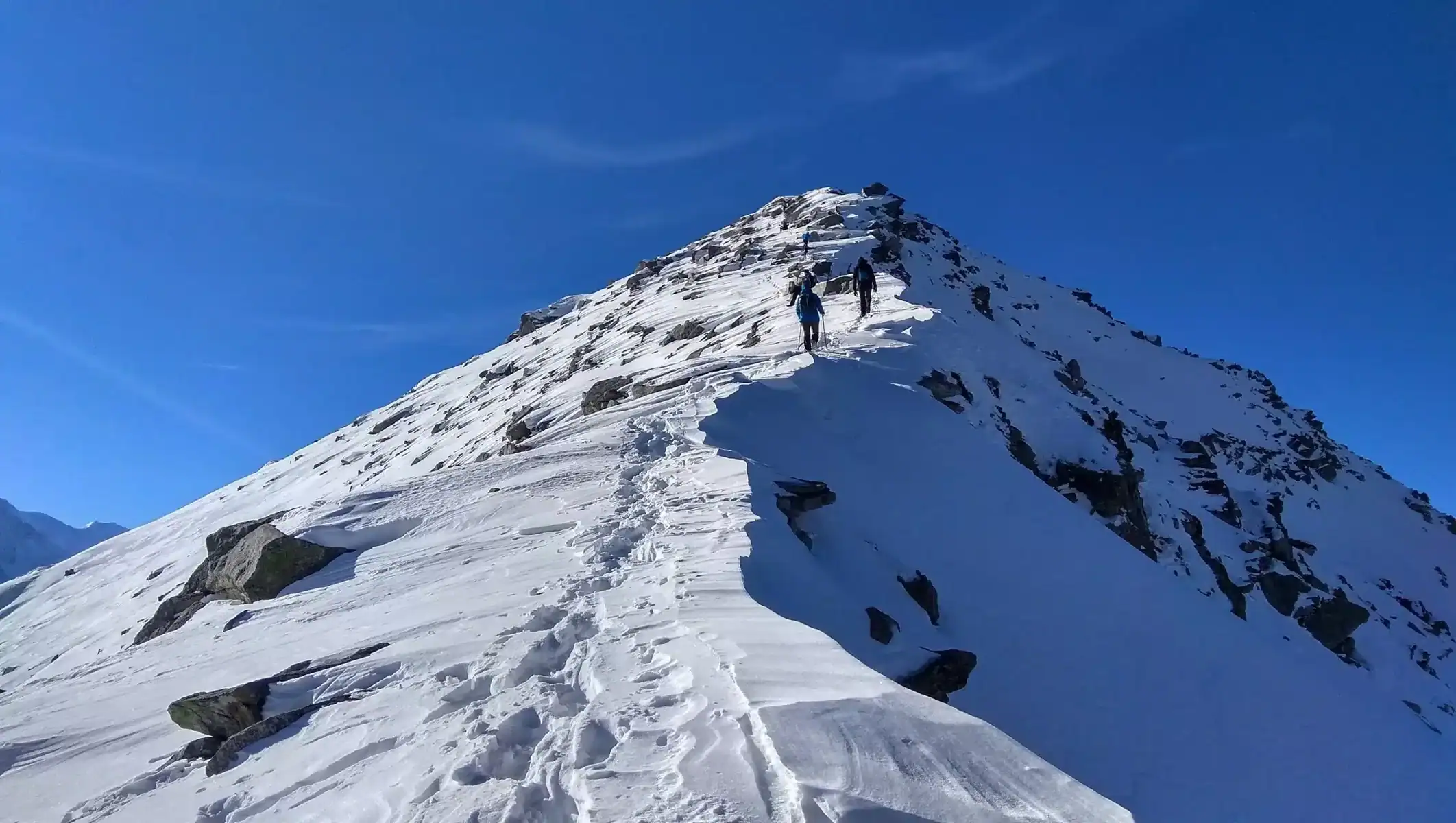
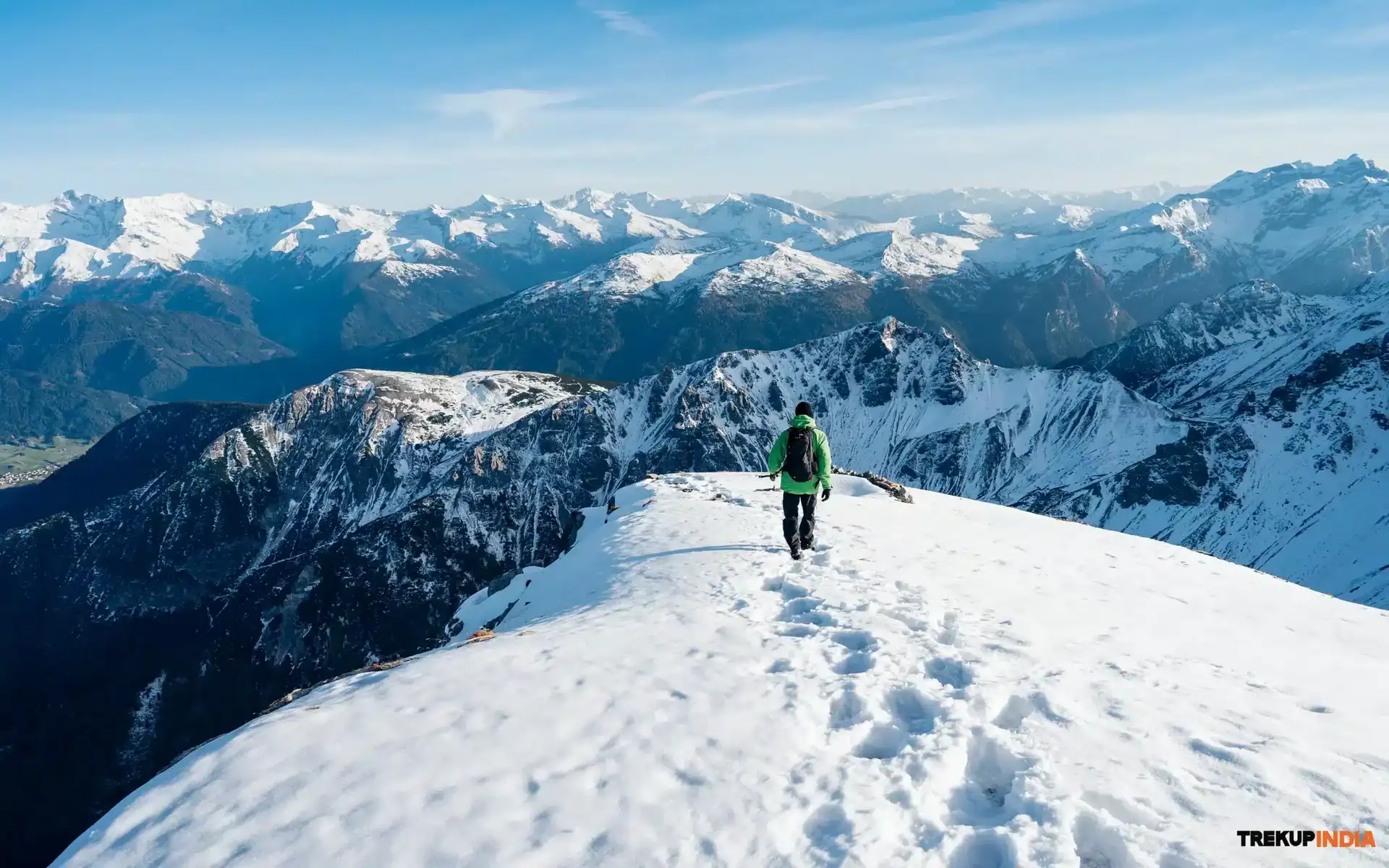
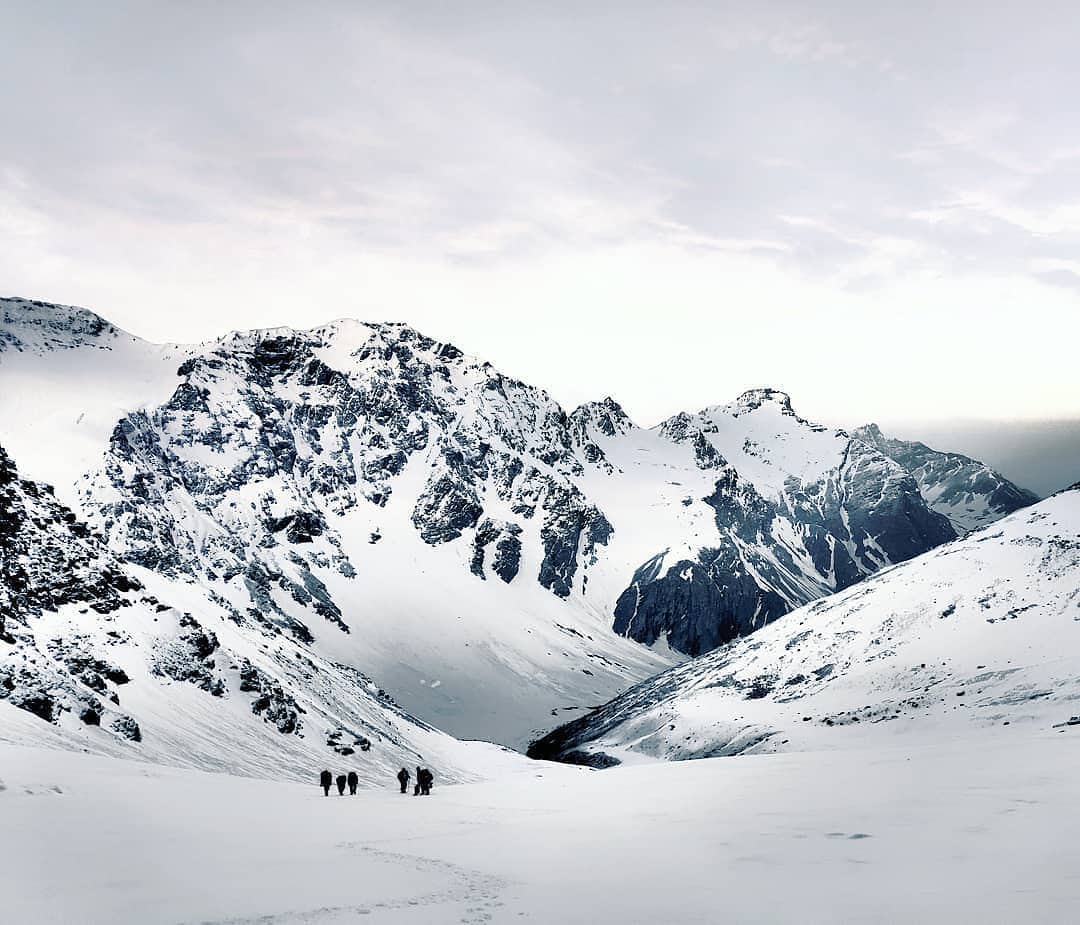
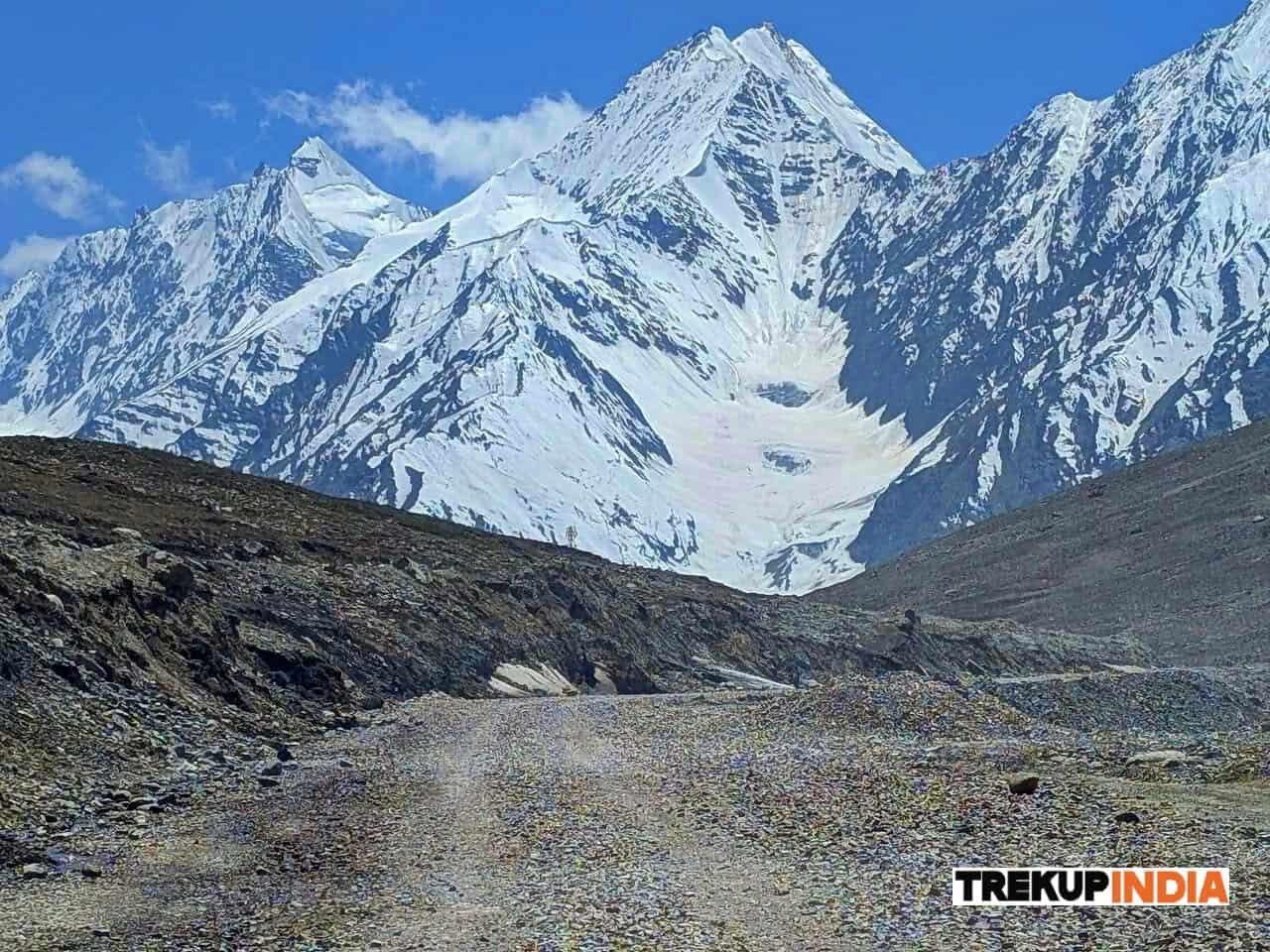
The trek begins gently before quickly increasing in difficulty towards its summit with rapid elevation gains adding further difficulty, difficult terrain such as loose rocks and glaciers that are unstable necessitating experience and expertise while traversing this difficult trek.
About Author
Anoop Rawat (Admin TrekUp India)
Anoop has worked for 5 years as a Trek Leader with TrekUpIndia, leading numerous treks across the diverse and challenging terrains of Uttarakhand and Himachal Pradesh. He holds a degree in Geology with a specialization in Geographic Information Systems (GIS) from UPES Dehradun. During his academic years, he actively applied his classroom knowledge in the field—most notably by contributing to a glacier research project on the Jundar Glacier in the Har Ki Dun Valley, Uttarakhand. Write Anoop at anoop@trekupindia.com
Share this article
Dates For Upcoming Treks
Want To Trek Like Pro?
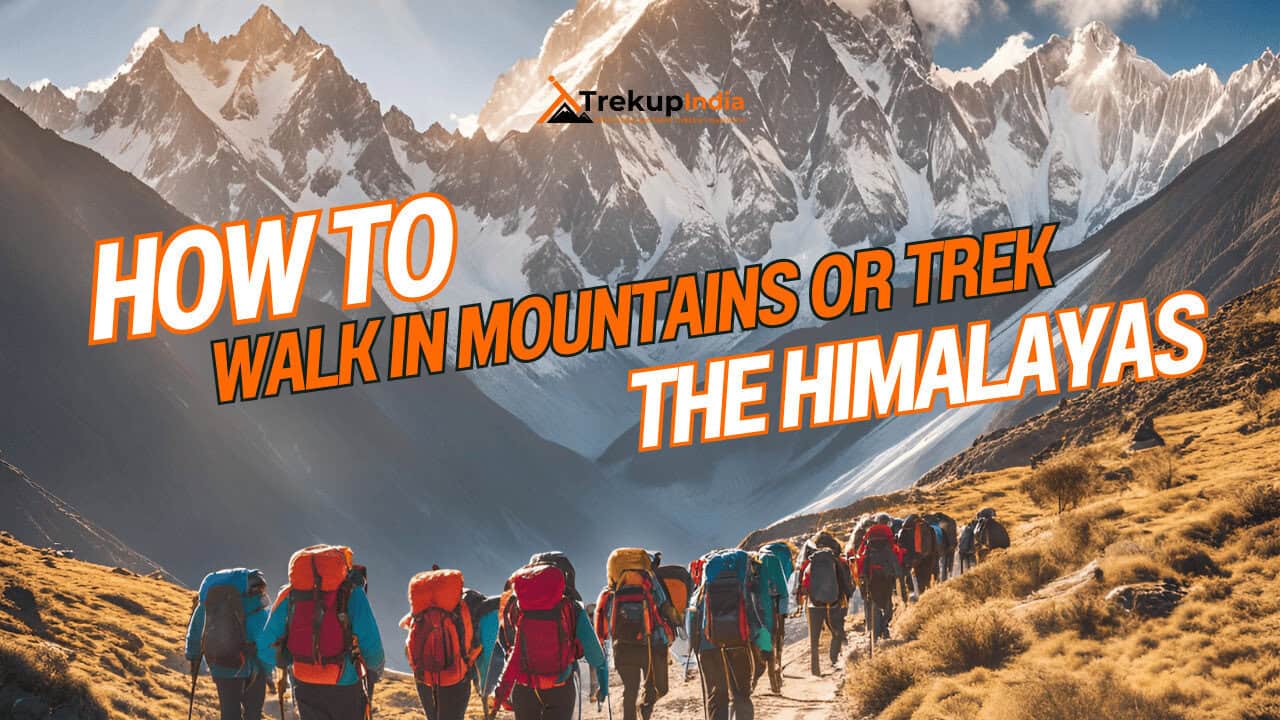
Basically, watch these videos if you want to trek the same way professional trekkers do and make your skills better. These videos contain useful tips and techniques to further improve your trekking skills itself. These videos actually help both new and experienced trekkers improve their trekking skills. These videos definitely provide useful tips that make your trek better. We are seeing that these videos by Trekup India experts will only help you make your trekking skills better.
Know Everything About Acute Mountain Sickness
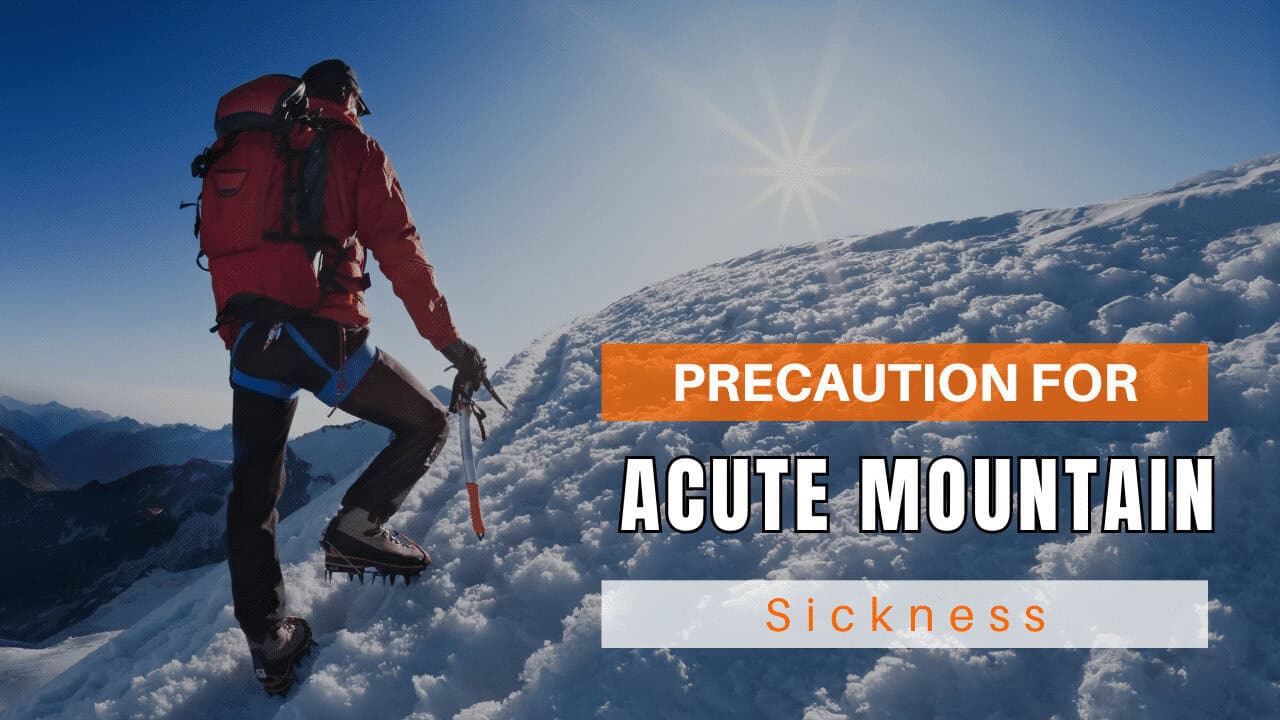
Acute Mountain Sickness occurs when people trek to high altitudes above 8,000 feet. This condition itself develops further due to reduced oxygen levels at such heights. Basically, as you go higher up, the air pressure and oxygen levels decrease, which causes the same problem. Acute Mountain Sickness surely causes headache, nausea, vomiting, and dizziness in affected persons. Moreover, peoples also experience difficulty in sleeping during this condition. To avoid mountain sickness, you should actually trek up slowly to higher altitudes. To learn further about this condition itself, watch the videos by Trekup India.