How to Use Trekking Poles - Complete Guide for Trekkers
Trekking poles are essential tools for creating an enjoyable and comfortable outdoor experience, but their value often goes unappreciated. Therefore, many trekkers may be uncertain how best to utilize this essential item, however this manual aims to clarify their purpose as well as identify key components and provide advice about outdoor adventures.
Benefits of Trekking Poles for Trekkers
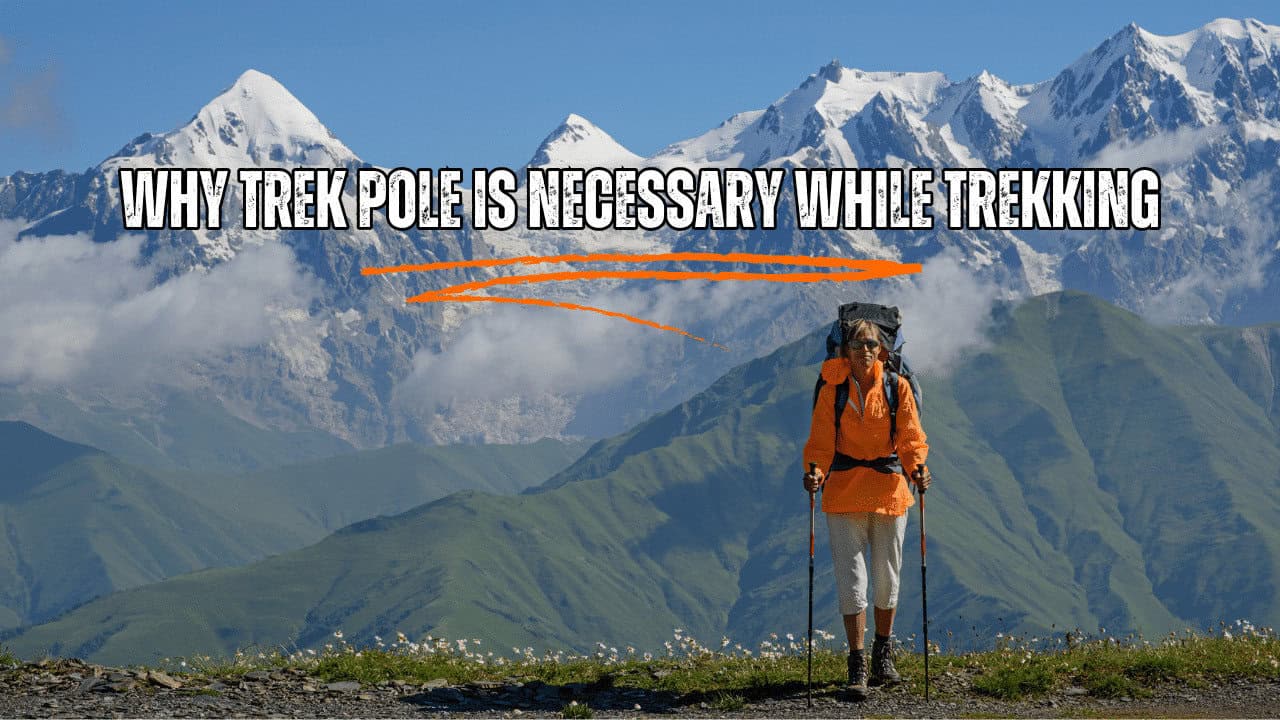
Trekking poles will make walking more comfortable by increasing comfort and stability on uneven terrain. Four trekking poles will give you increased confidence as well as greater control, helping reduce knee and muscle stress as you ascend or descend hills, which in turn helps prevent injuries or swelling from ascending or descending hills. In addition, trekking poles can be useful when crossing streams or water crossings as well as working the upper body muscles including biceps and triceps; all while providing physical exertion required for trekking.
Different Types and Characteristics of Trekking Poles
Trekking poles come in different varieties, from adjustable, non-adjustable, and folding models. Depending on their purpose or model selection, some may feature accessories like camera mounts and shock absorbers, but it is important to keep in mind that every added feature comes at a cost, increasing their burden. The pole can be customized to provide individual balance and stability across various terrains, as well as shortened to allow climbs uphill and lengthened for downhill descents.
Fixed Position
Trekking poles that feature no height adjustments provide constant height throughout use. These are lightweight poles ideal for sports that demand constant playing conditions like rugby, football or skiing, in which regular height adjustments may be required; such equipment could prove essential to athletes participating in these activities. They differ from standard adjustable poles because they don’t extend out. Instead, these tent poles have been made for portability – something ultramarathon runners love about them.
Components of a Trekking Pole
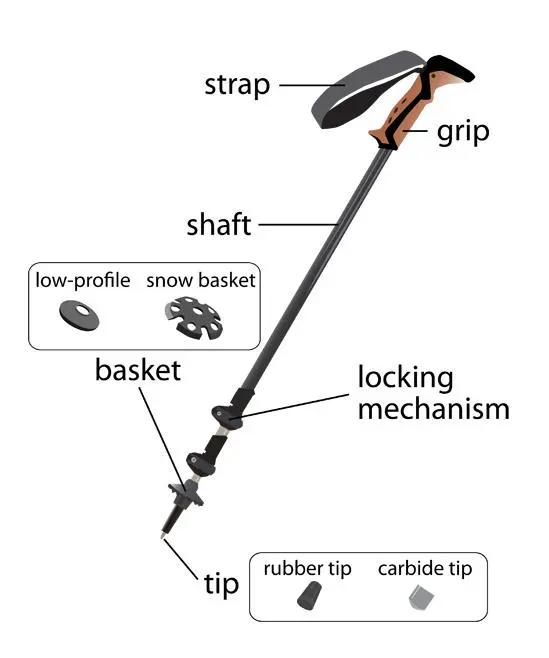
Pole Strap
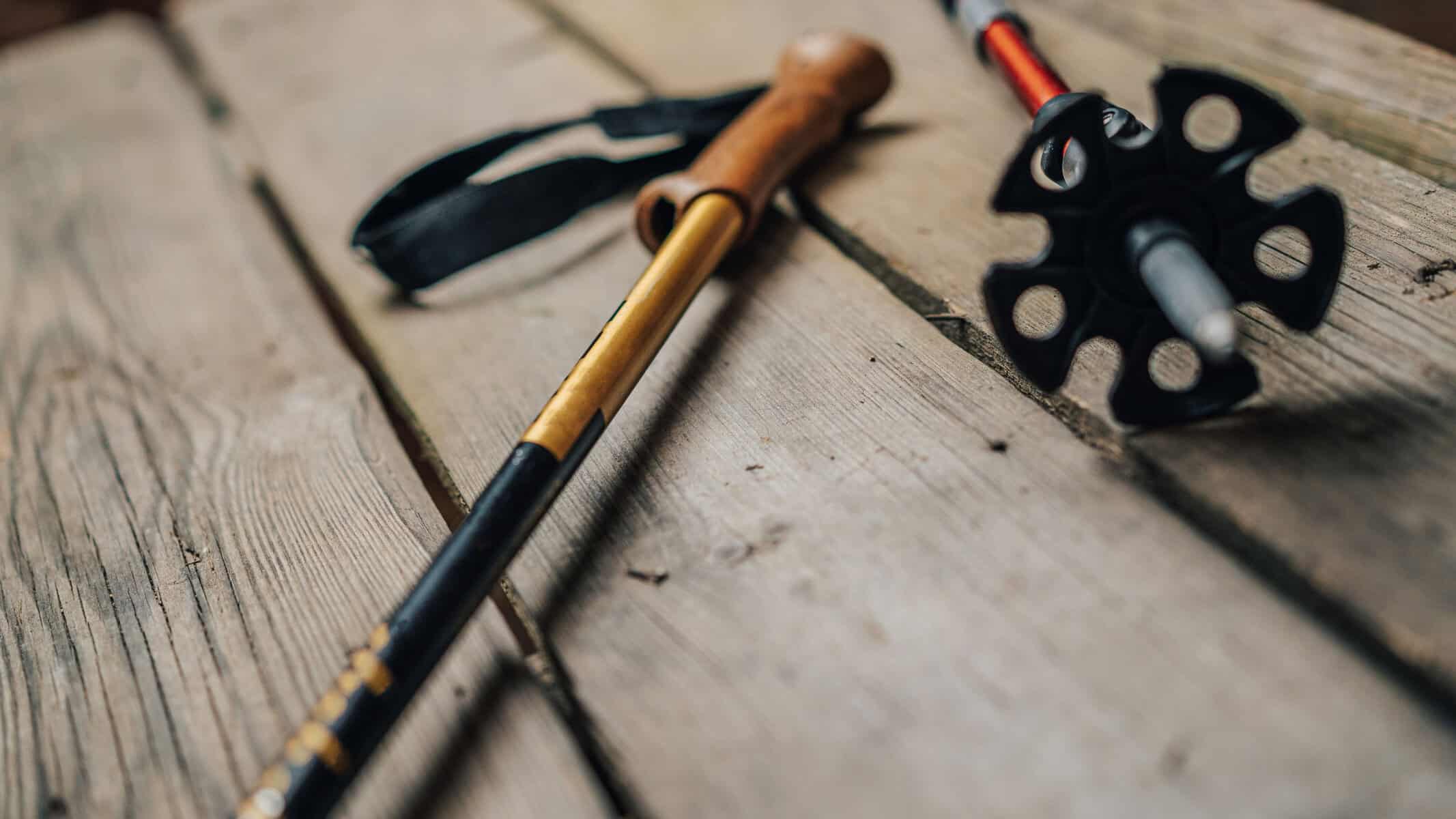
Pole Strap A pole strap is used to keep a pole securely in its place, providing support and adjustability depending on style and quality. An adjustable strap with padding could increase comfort for wrists while making trekking pole use more pleasurable.
Trekking pole grips
Trekking pole grips typically consist of materials like foam, rubber, or cork, there are different styles and sizes designed to accommodate various hand styles. When purchasing your trekking pole be sure to test out its grip for yourself to ensure an ideal fit – foam and cork grips often offer superior grip protection even when hands become damp or sweaty; however they tend to cost more; alternative grip options may offer better solutions such as mixing rubber with cork which offers the best of both options, providing hybrid solutions which could save costs in terms of grip protection as an effective hybrid alternative – an ideal hybrid option can provide.
Trekking Pole Handle
The shaft is the cornerstone of any trekking system, accounting for much of its weight. Aluminium or combination aluminium/carbon fibre poles typically make up most shafts as these materials have greater durability and cost efficiency; carbon fibre poles may be more costly but more prone to damage under high tension environments.
Basket
Trekking poles come equipped with an incredibly compact basket that is disassembled for easier navigation through snow or muddy conditions. However, you may opt to replace this basket with something more robust when encountering more challenging terrain such as powder snow.
Steel Tips
This component typically comprises an aluminium structure with carbide or hardened steel tips for greater strength and penetration, making insertion easier into uneven or rocky terrain while increasing security. Furthermore, they often come equipped with rubber covers to cover their sharp edges for additional safety when transporting equipment or using poles in outdoor environments.
Trekking Pole Locking Systems: A Guide for Safe Trekking
Every trekking pole features its locking mechanism to protect it from accidentally collapsing while on the move and to facilitate length changes. There are various locking systems available, such as external and internal push-button or combination locks, which meet different trekker needs and expectations.
Locking with a turn: Mechanism and Advantages
A turn allows the extension and retraction of shaft segments for more secure and reliable locking capabilities. Outside Control Handles: External levers act as clamps to hold shaft segments together. If you wear gloves when operating your pole, this method of locking may prove more efficient and comfortable than traditional methods of securing it.
Once activated, push buttons become locked to their sockets. To unlatch it again and release it from its position in its socket, depressing it must occur first before its shaft can move forward and secure its place next. Sometimes this mechanism could be more intricate than expected to accommodate people without gloves who want to use it.
Poles designed for locking are equipped with multiple locking systems to increase effectiveness and strength, including two lever locks at the top shafts as well as rotating locks in their lower portion. Overall, trekking poles can enhance your trekking experience. To select the appropriate type is up to both your budget and personal tastes.
About Author
Anoop Rawat (Admin TrekUp India)
Anoop has worked for 5 years as a Trek Leader with TrekUpIndia, leading numerous treks across the diverse and challenging terrains of Uttarakhand and Himachal Pradesh. He holds a degree in Geology with a specialization in Geographic Information Systems (GIS) from UPES Dehradun. During his academic years, he actively applied his classroom knowledge in the field—most notably by contributing to a glacier research project on the Jundar Glacier in the Har Ki Dun Valley, Uttarakhand. Write Anoop at anoop@trekupindia.com
Share this article
Dates For Upcoming Treks
Want To Trek Like Pro?
Basically, watch these videos if you want to trek the same way professional trekkers do and make your skills better. These videos contain useful tips and techniques to further improve your trekking skills itself. These videos actually help both new and experienced trekkers improve their trekking skills. These videos definitely provide useful tips that make your trek better. We are seeing that these videos by Trekup India experts will only help you make your trekking skills better.
Know Everything About Acute Mountain Sickness
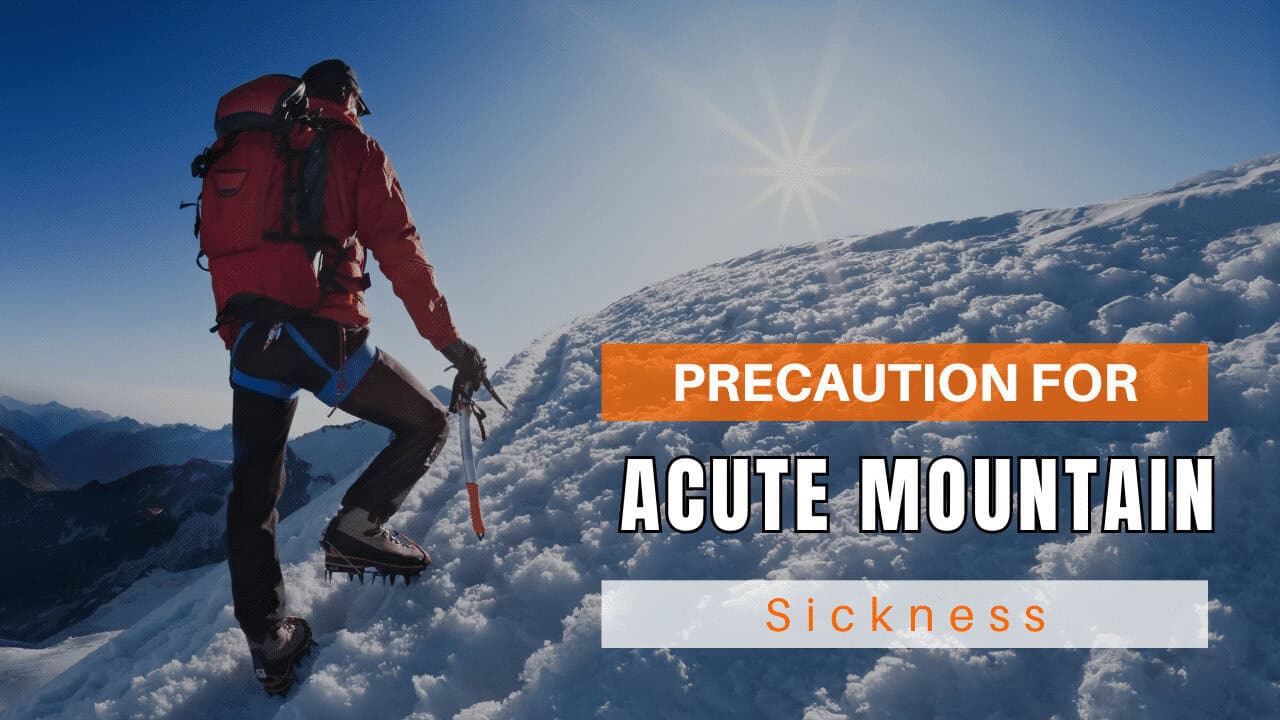
Acute Mountain Sickness occurs when people trek to high altitudes above 8,000 feet. This condition itself develops further due to reduced oxygen levels at such heights. Basically, as you go higher up, the air pressure and oxygen levels decrease, which causes the same problem. Acute Mountain Sickness surely causes headache, nausea, vomiting, and dizziness in affected persons. Moreover, peoples also experience difficulty in sleeping during this condition. To avoid mountain sickness, you should actually trek up slowly to higher altitudes. To learn further about this condition itself, watch the videos by Trekup India.