Why You Should Do Bali Pass Trek
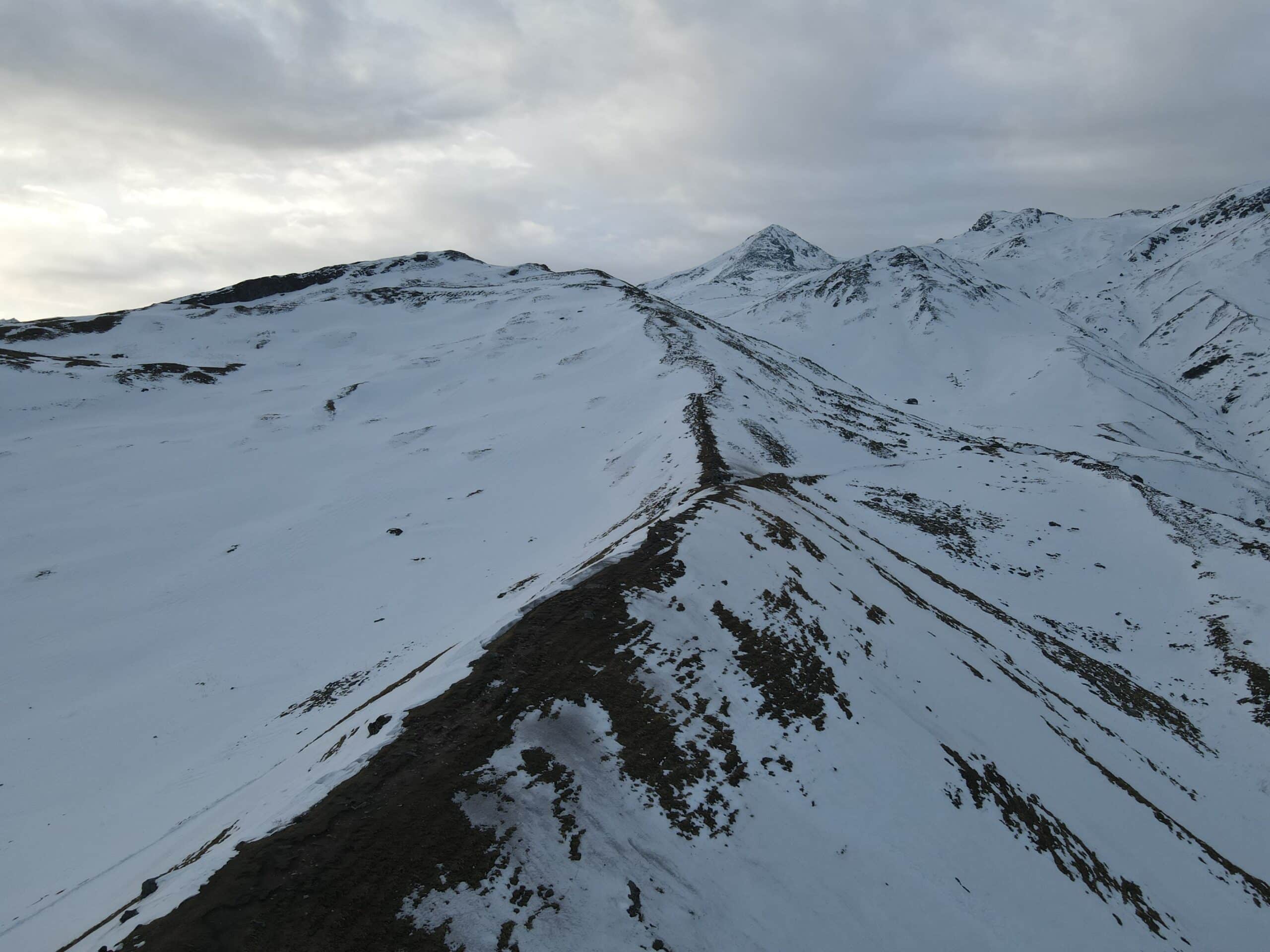
The Bali Pass Trek is a challenging and exciting trekking adventure in the Garhwal region of the Indian Himalayas. It is a high-altitude trek that takes you through some of the most scenic and breathtaking landscapes, with snow-capped peaks, lush forests, and glacial lakes.
- Osla and Gangad Village – You can travel back to the ancient villages of Osla or Gangad. The unique folklore and village culture of Osla and Gangad are evident from day one. The captivating Himachali architecture of Osla’s ancient temples will captivate you for hours.
- Devsu Thatch – The Ruinsara Forest’s alpine meadows, Devsu Thach, are a great surprise. Dev Thach’s setting is stunning. The perfect location is a thriving meadow with tall trees and Kalanag, Swargarohini, and Kalanag in the background.
- Ruinsara Lake is unique, glacial, picturesque, and surrounded by meadows and Kalanag Peak. Ruinsara Lake, with alpine vegetation and rosy red rhododendrons, is considered sacred by the local inhabitants of Har ki Doon Valley.
- Forest – As you reach Taluka, you will cross major streams, bamboo, and deodar trees. When you go to Seema Camp, you will see the forest of walnuts, chinars, chestnuts, and various conifer forests.
- Traditional Houses – You can find stunning, undiscovered wooden architecture in Ghangad and Osla villages. The genuinely fantastic thing about Osla and Ghangad is that they provide an insight into the ancient traditional wonder of the Himalayan manner.
- Hills – The stunning Bandarpoonch range and other peaks like Kala Nag, Swargarohini, and Dhumdhar Khai dominate the sky.
- Mythology – Near the campsite is a rock cave. Odari, which is a cave, was given the name. This cave is believed to have been the home of Bali (Hanuman’s brother) for one night. You can also see Swargrohini 1 and 2 clearly from this cave.
- Hot Water Spring – For like-minded trek enthuse, bathe in the hot water spring to remove pain throughout your Yamnotri body. The water has sulfur in it, so it poses pain-relieving qualities.
for booking and more information
Share this article




Want To Trek Like Pro?
Check out the following videos if you want to trek like a pro trekker and improve your skills. These videos contain helpful tips, tricks, and techniques to help you trek like a pro. Whether you’re a beginner or an experienced trekker, these videos can provide valuable insights to enhance your trekking experience. So, watch the videos below by Trekup India experts to take your trekking skills to the next level.
Know Everything About Acute Mountain Sickness
Acute Mountain Sickness is a medical condition that can occur when individuals travel to high altitudes, typically above 8,000 feet. It is caused by the decrease in air pressure and oxygen levels in the air as altitude increases. Symptoms of Acute Mountain Sickness may include headache, nausea, vomiting, dizziness, and difficulty sleeping. To avoid Acute Mountain Sickness, it is important to gradually adjust to high altitudes and seek medical attention if symptoms worsen. To learn more about this condition, check out the videos by Trekup India.