The Mystical Mythology and Folklore of Har ki Dun Valley | Har ki Dun Trek
Hidden in the soul of the Garhwal Himalayas, the Har ki Dun trek of Uttarakhand has more to offer than just stunning vistas; it is a place imbued with ancient lore. The name itself, Har ki Dun, means Valley of Shiva or Valley of the Gods, proof that the deeply rooted myths ring through its hills. It’s truly fascinating how the valley features in one of India’s finest epics, the Mahabharata.
The Mythological Significance of Swargarohini
The most interesting myth associated with Har ki Dun’s location is the myth of the last journey of the Pandavas. In mythology, the Pandavas began their journey to heaven via the Swargarohini peak. This mighty peak rising to 6,252 meters is said to be the gateway to the afterlife itself. Whereas all five Pandavas and their wife Draupadi set out on the journey, only the oldest Pandava, Yudhishthir, returned with a dog, while the rest died one by one during the journey. This particular part of the story does make people curious about many things. How did Yudhishtir and not Arjun or Bhim survive this journey when Arjun and Bhim were clearly stronger than him? Did this divine land require one to have more than physical stamina? Did it challenge the reservoirs of one’s moral vigor and righteousness?
The Temple of Duryodhana: An Example of Allegiance
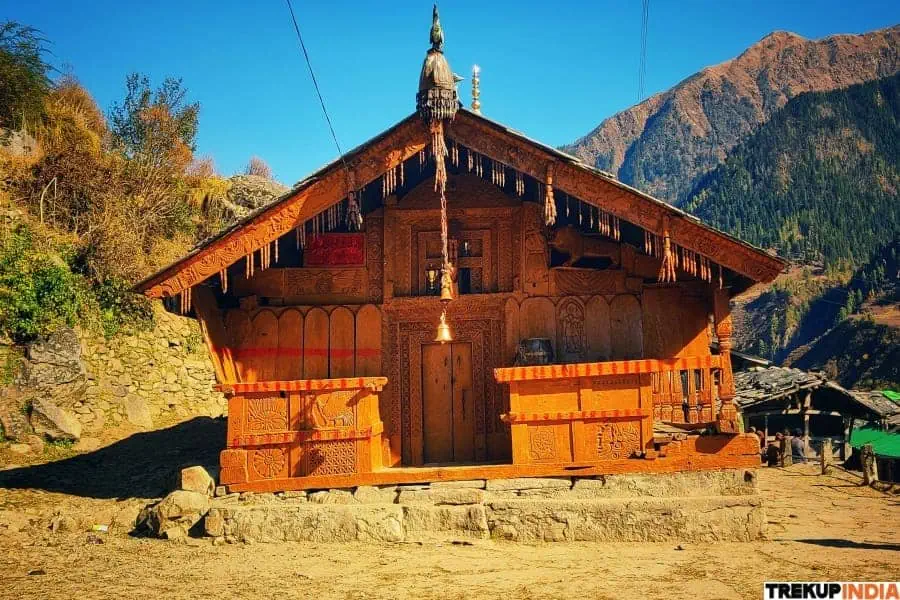
What adds to the mystique of the Har ki Dun valley is a temple located here that is in honour of Duryodhana, the notorious Kaurava prince and arch-rival of the Pandavas. Located in the village of Osla, the temple is a testament to a different point of view, one that mythology tends to overlook. The inhabitants of this valley have long prayed to Duryodhana, calling themselves his descendants. This loyalty raises the question: Why does this village still look up to a character traditionally seen as the villain? Perhaps history, written by the conquerors, did not present Duryodhana fairly? Or perhaps, to the people of this area, he was not the bad guy we’re always told he was.
Why Did the Pandavas Choose Har ki Dun?
Of all the possible paths in the Himalayan range, why did the Pandavas set their sights on Har ki Dun for their climb to heaven? They had journeyed far and wide, yet this valley marked their final trajectory. Was it an unconscious draw towards a place still dedicated to their sworn foe? Did they feel a need to make peace with their past before their final journey? Or was it the final grand battle, not of swords and arrows, but of inner devils, guilt, and unresolved conflicts?
The Valley Beyond the Legends
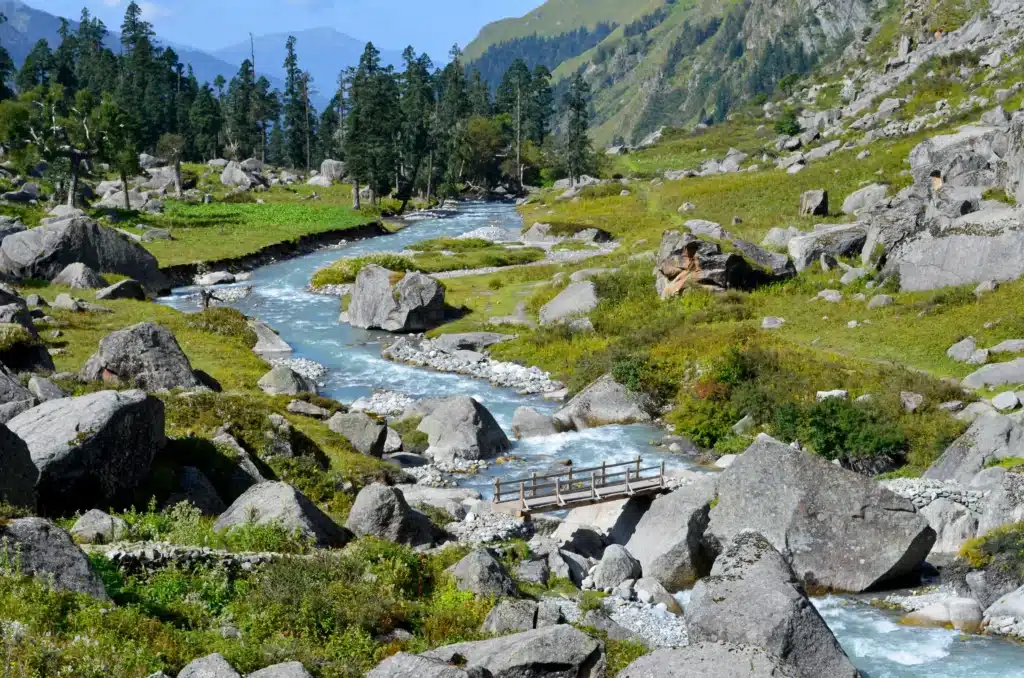
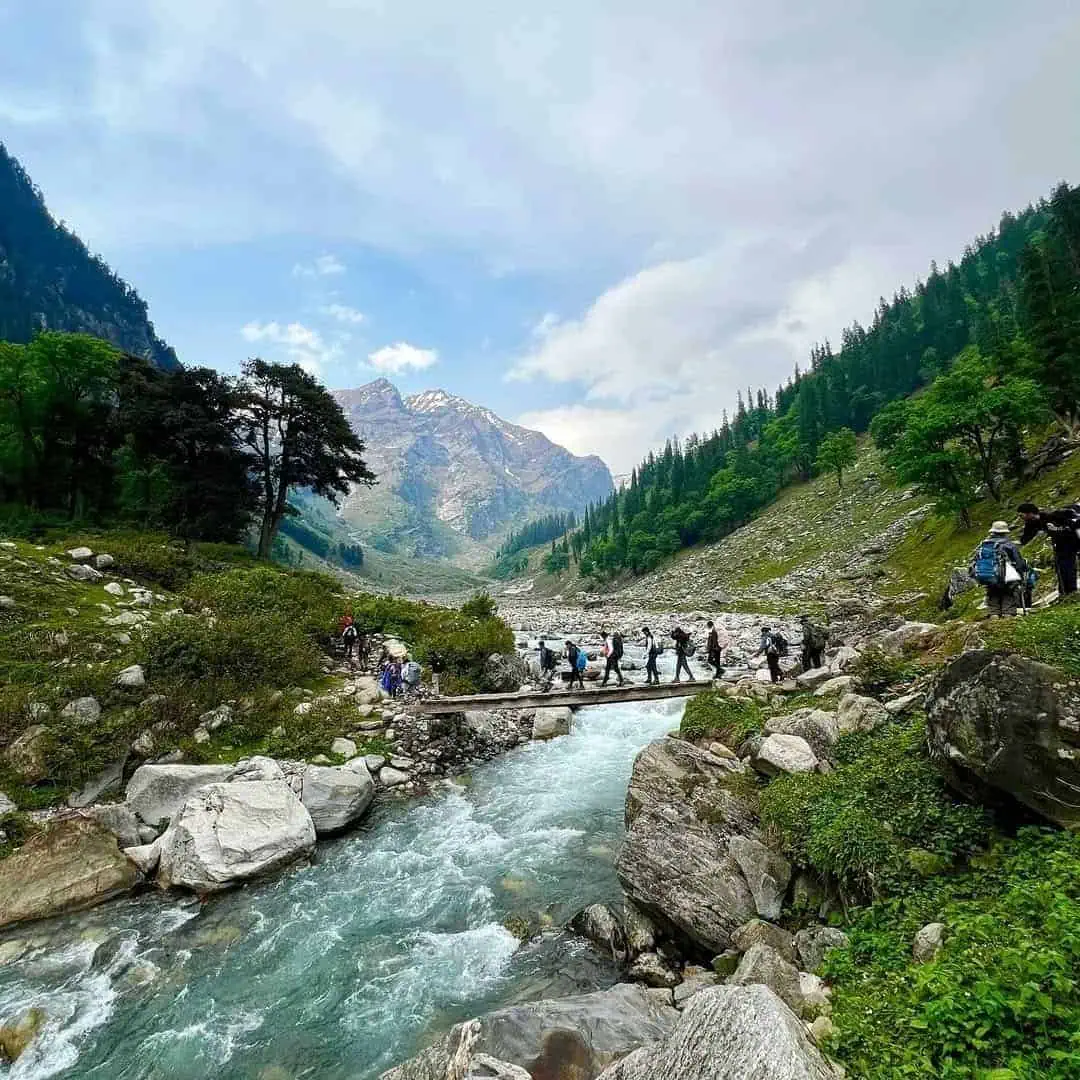
Apart from its connection with Hindu mythology, Har ki Dun trek is a nature lover’s paradise. The trek starts at Sankri, going through scenic villages such as Taluka, Ganghar, Osla, and Seema, all of which reflect an unspoiled cultural heritage. The valley is an old trade route to the Kinnaur valley, and via Borasu Pass (5,450M), it links with the Baspa valley.
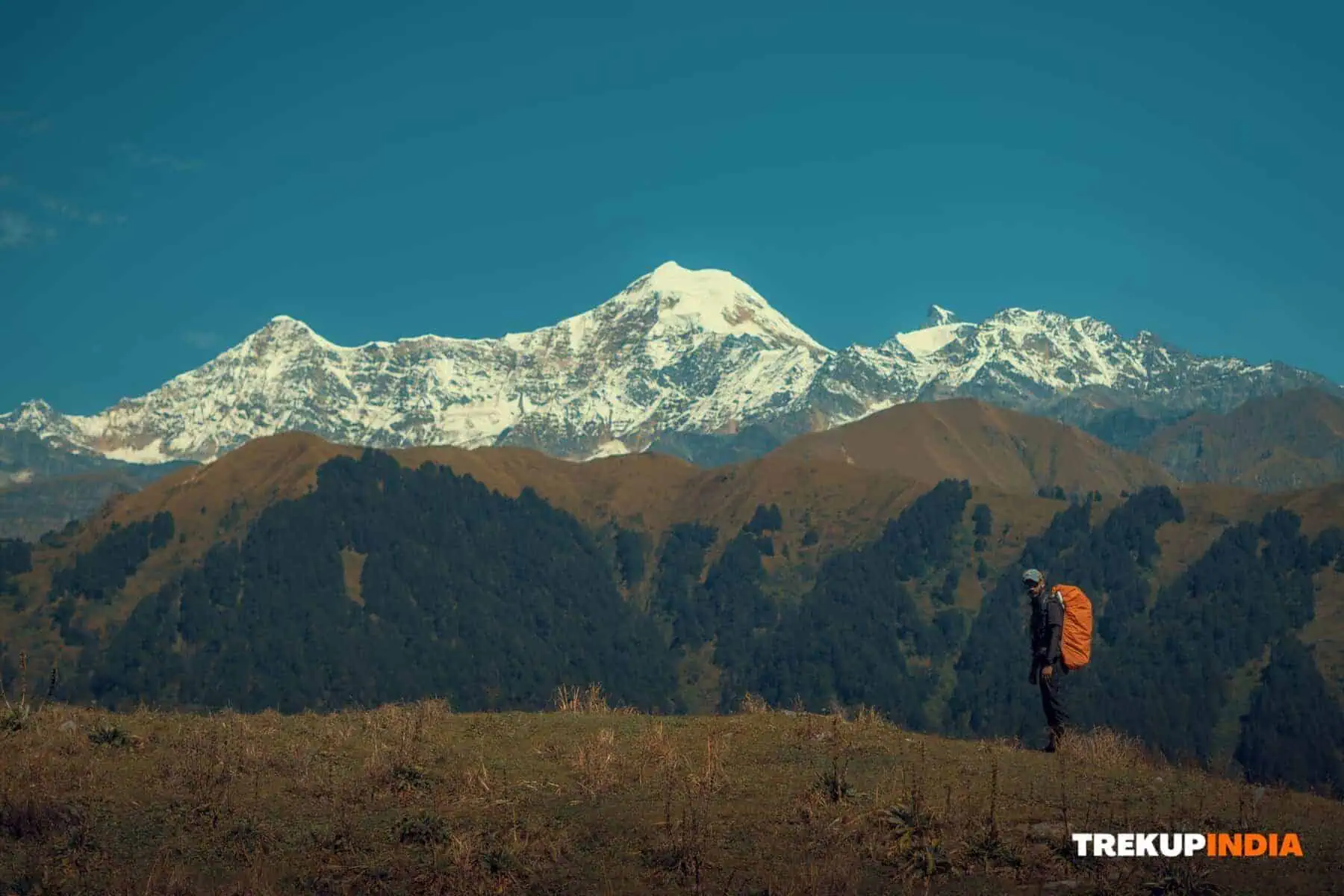
Among its numerous natural wonders, the valley boasts the Jamdhar glacier (3,700M), Ruinsara and Morinda lakes, Bonga peak, Black peak, Supin River, Fateh Parbat, and wide panoramic views of stunning peaks like Bandar Poonch. The biodiversity is astounding here, with a host of bird species and flora inhabiting this high-altitude region.
The Unanswered Questions
Trekkers who embark on the Har ki Dun trek even today feel curious about the same questions. Was Yudhishthir’s path a metaphor for the challenges of human existence? Was Duryodhana deservedly punished, or was he misunderstood? The answers are as elusive as the valley itself, isolated, serene, and forever enshrined in legend.
Maybe, the actual pilgrimage is not climbing to the top, but rather discovering the secrets hidden deep in these holy lands. The trek to Har ki Dun, Uttarakhand is more than a high-altitude trek—it is a journey through history, mythology, and self-discovery.
A Journey of Reflection
Whether this interpretation changes how you view Har ki Dun trek Uttarakhand or not, it definitely enriches the experience. As you stand in between the great mountain peaks and century-old trails, you can’t help but find yourself asking such questions. Or maybe this hike isn’t as much about touring a stunning valley, it’s learning about the history and mythology it carries with it and secrets it encourages us to decipher.
And if anything, this blog has provided you with a glimpse of the off-beat trails and unknown treasures in Har ki Dun place, waiting to be unearthed by those who look for something more than just a trek—they look for an experience of history, mythology, and the whispers of the past.
Why embark on the Har ki Dun trek with Trekup India?
Many locals believe that one does not simply decide to go to the mountains; rather, it is the mountains that call you. If you’ve been thinking about going on a trek to Har ki Dun, take this as a sign. We at Trekup India invite you to join us on this amazing adventure in 2025. Our seasoned trek leaders, carefully crafted itineraries, and abiding respect for the history and culture of the region will see that your adventure is not only about trekking, but about being immersed in the wonder of the Himalayas. Let us venture into this fabled valley together and reveal the secrets that have attracted seekers for centuries!
Frequently Asked Questions (FAQs)
What is the best time to go on the Har ki Dun trek?
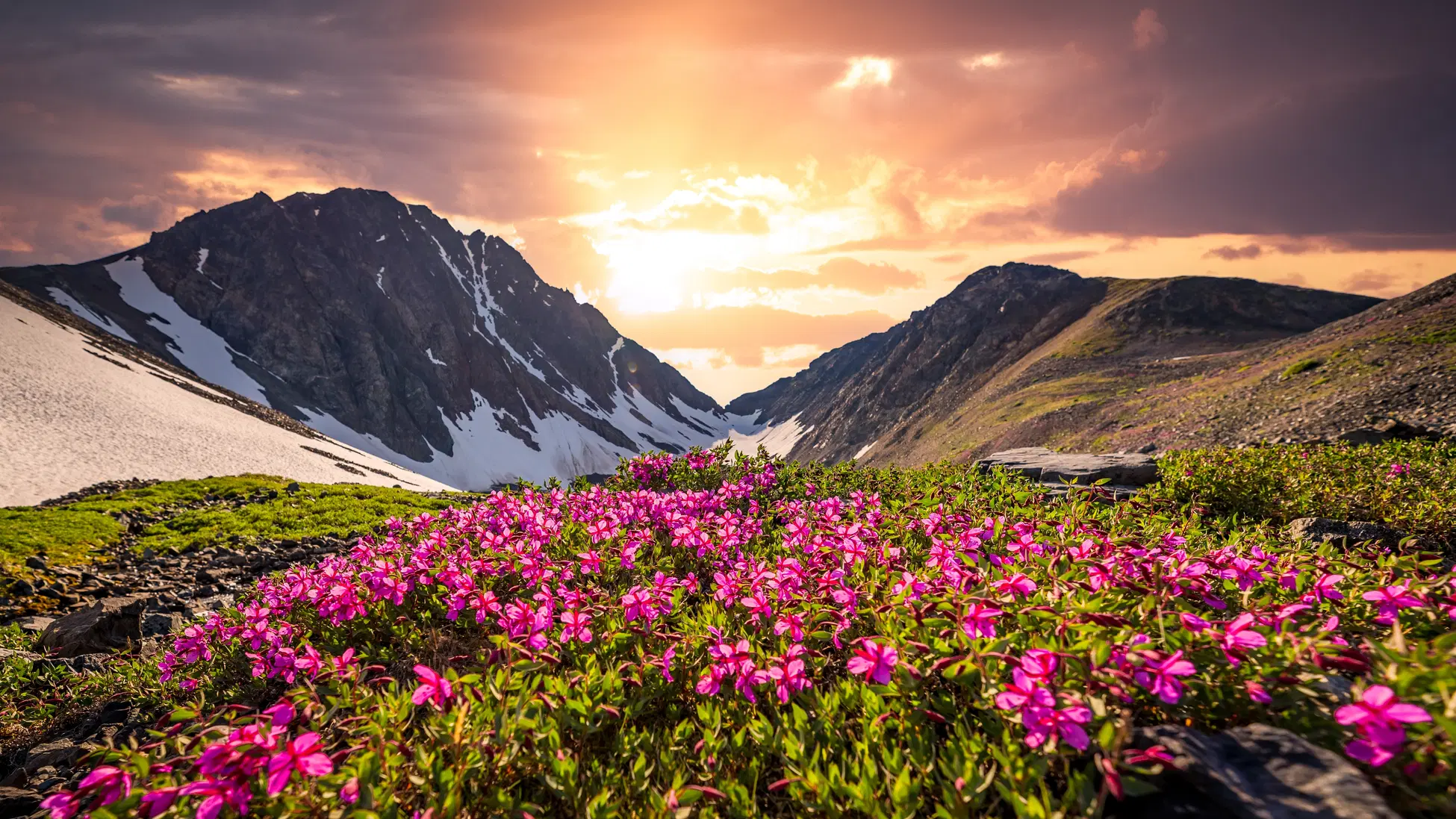
The best thing about this trek is that it is accessible for almost 8 out of 12 months. The trekking season opens in mid-March. It then closes briefly during the monsoon in July and August and then opens again in late-September to remain open till November end. We recommend that you go during the month of May. This is the best time to explore the valley in all its glory as the flowers are in full bloom making the landscape a beautiful riot of colours.
When is the best time to experience snow in Har ki Dun?
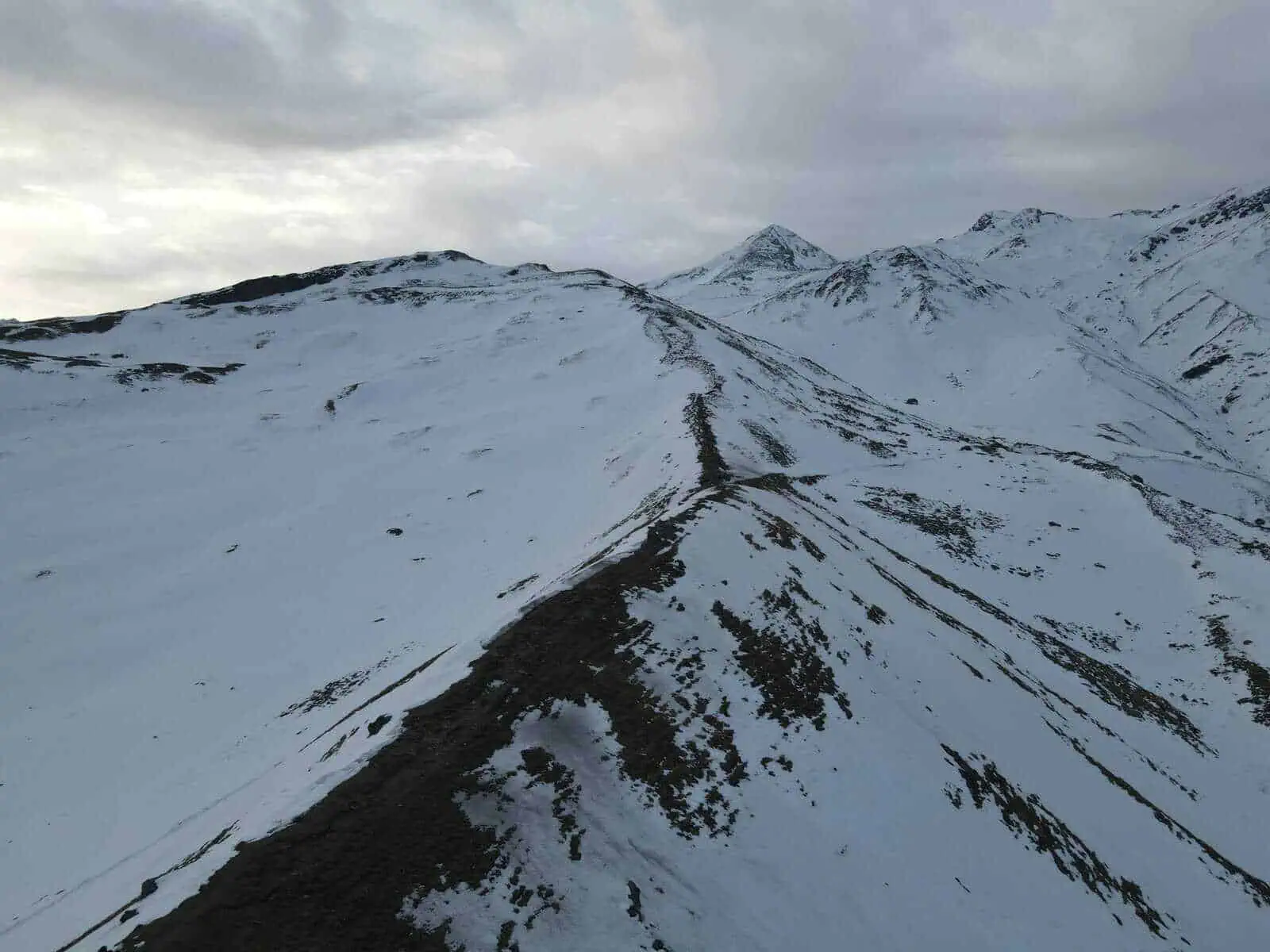
Har ki Dun cannot be explored during the peak winter months of December, January, and February as the valley closes during this time. However, if you still want to experience snowfall, you could go in mid-March when the trekking season just opens.
About Author
Preetam Singh Rawat (Founder)
The person behind this trekking organization is someone who’s spent over a decade – 12 years, to be exact – living and breathing the mountains. With multiple high altitude summits under his belt (we’re talking 6000 to 7000 meter peaks), he’s not just experienced – he’s the real deal.
But what really sets him apart is the sheer number of treks he has guided. He has led over 200 Himalayan expeditions, including well known routes like Bali Pass, Buran Ghati, Rupin Pass, Pin Bhabha, Stok Kangri, and Black Peak. Not just once, but multiple times. So yeah, when it comes to the Himalayas, he knows every twist in the trail and every story the mountains have to tell.
Got questions or want to get in touch? Write to Preetam at preetam@trekupindia.com. He’s always happy to chat about treks, answer your questions, or help you prepare for your next big adventure.
Share this article
The Temple of Duryodhana: An Example of Allegiance
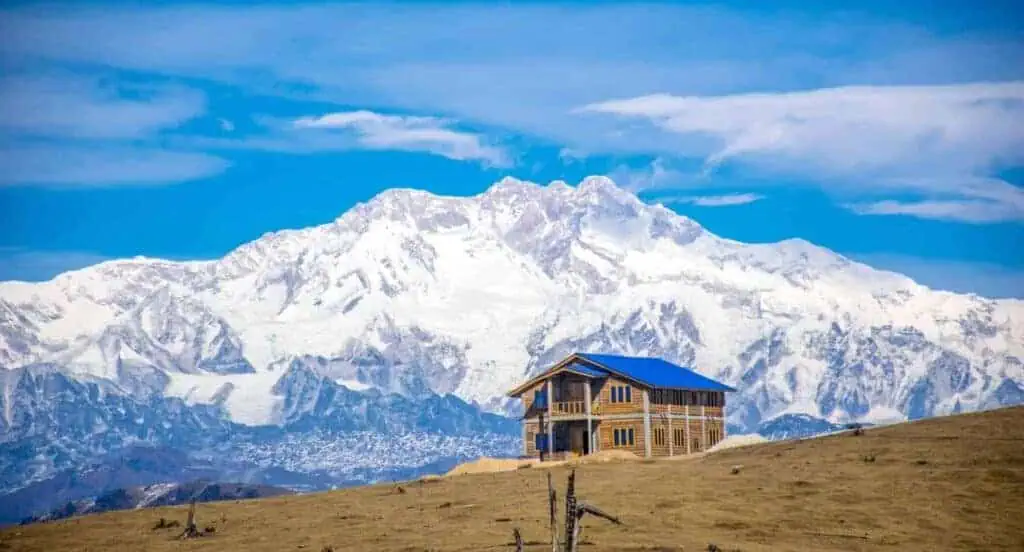
The Sandakphu trek offers a taste of what it’s like to trek in Nepal without the need to set up camp or scout out a place to rest. Comfortable accommodations, such as wooden huts or basic lodges, provide cozy beds and warm blankets, making it feel like a luxurious experience. At Tumling, our club has windows that offer a direct view of the majestic Sleeping Buddha.
Dates For Upcoming Treks
Want To Trek Like Pro?
Basically, watch these videos if you want to trek the same way professional trekkers do and make your skills better. These videos contain useful tips and techniques to further improve your trekking skills itself. These videos actually help both new and experienced trekkers improve their trekking skills. These videos definitely provide useful tips that make your trek better. We are seeing that these videos by Trekup India experts will only help you make your trekking skills better.
Know Everything About Acute Mountain Sickness
Acute Mountain Sickness occurs when people trek to high altitudes above 8,000 feet. This condition itself develops further due to reduced oxygen levels at such heights. Basically, as you go higher up, the air pressure and oxygen levels decrease, which causes the same problem. Acute Mountain Sickness surely causes headache, nausea, vomiting, and dizziness in affected persons. Moreover, peoples also experience difficulty in sleeping during this condition. To avoid mountain sickness, you should actually trek up slowly to higher altitudes. To learn further about this condition itself, watch the videos by Trekup India.